
Why this skill matters
Each skill area supports everyday confidence, communication, and play. Growth here often shows up as small, repeated gains rather than sudden leaps.
At a glance: Book exploration, recognising letters, rhyming, and pre-reading skills. Watch for signs like your toddler picking up a book and 'reading' it to a stuffed animal, pointing to letters on signs, finishing familiar rhymes in songs, or asking to hear the same story again and again. These early experiences with words and books lay the groundwork for reading readiness well before formal instruction begins. Browse 86 related activities below.

Each skill area supports everyday confidence, communication, and play. Growth here often shows up as small, repeated gains rather than sudden leaps.
Short, repeated activities usually build this skill better than one long session. Keep the challenge light and the interaction playful.
Look for slightly longer engagement, smoother coordination, or more willingness to try the skill again tomorrow.
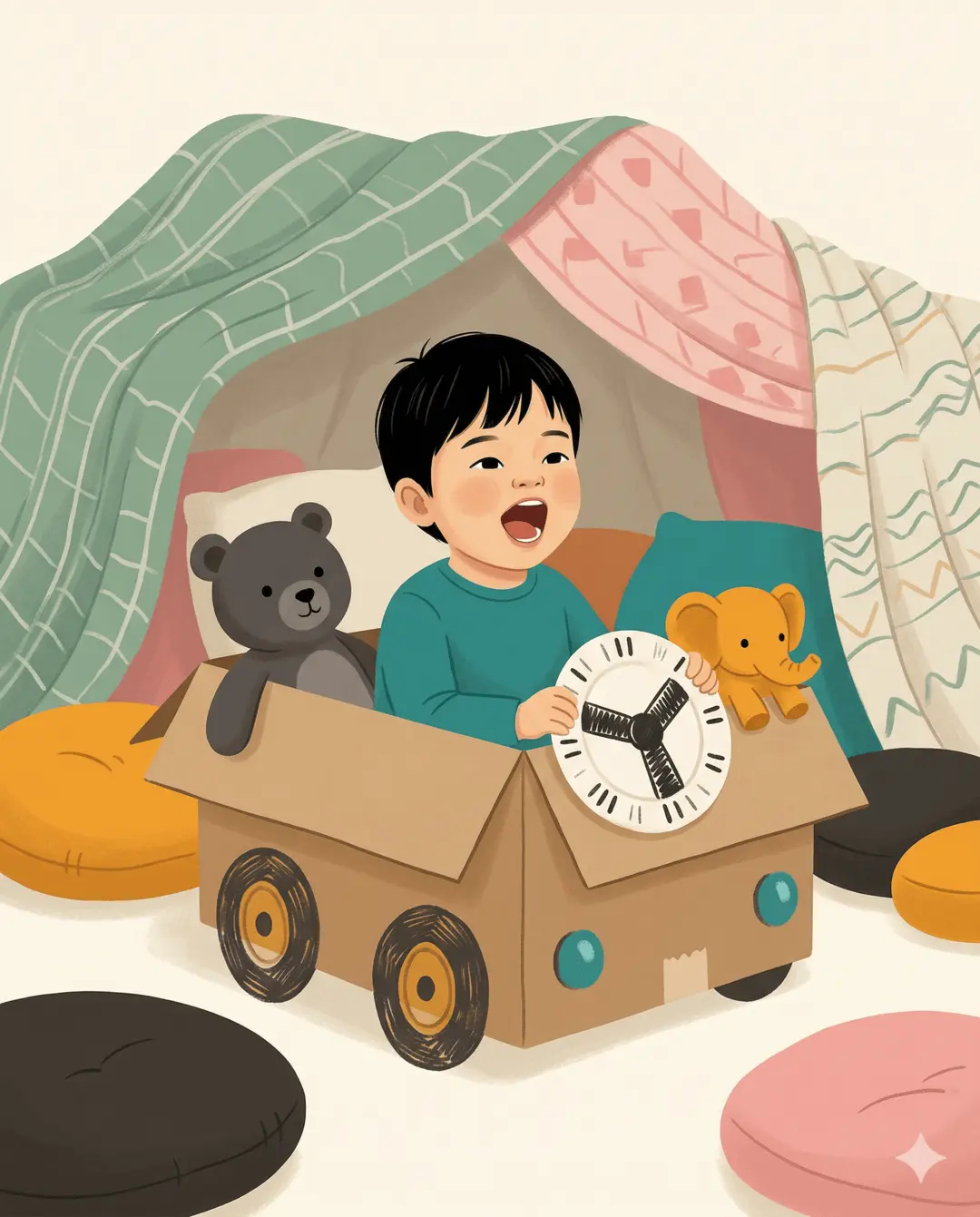
After reading a favourite story, act it out together — your child becomes the main character and relives the plot.
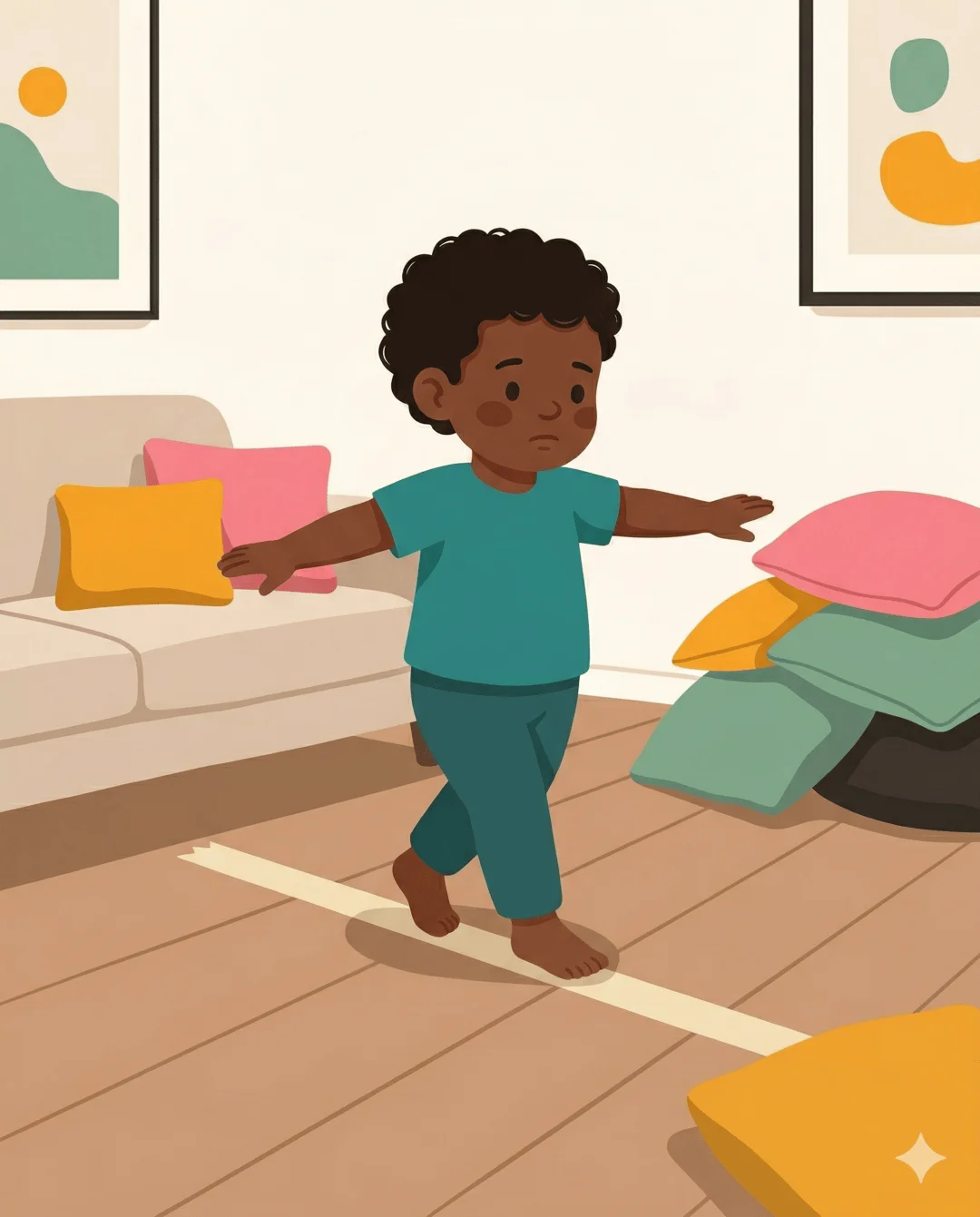
Sing nursery rhymes with matching actions and movements — active learning through music and play.
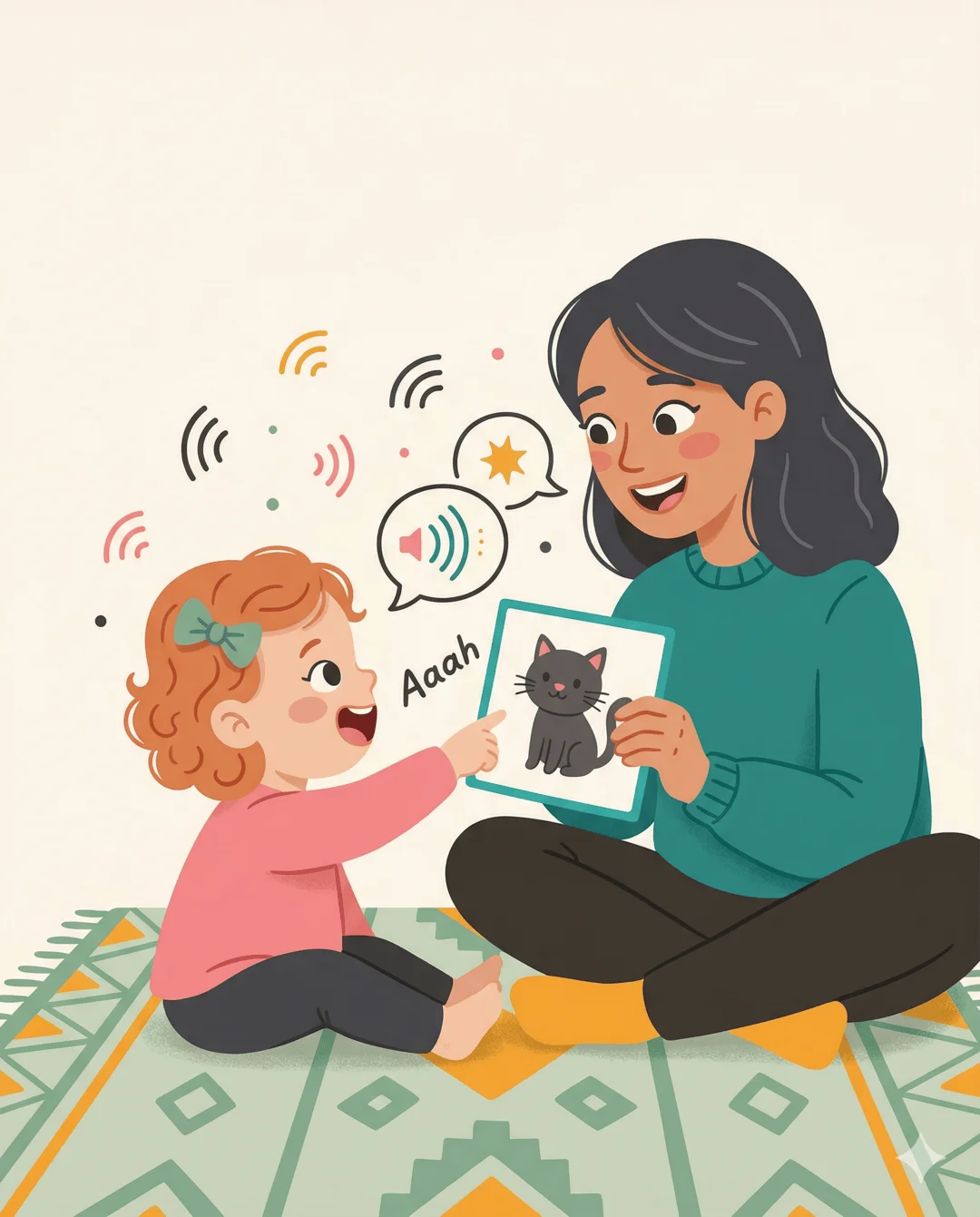
Point at each animal in a board book, make the sound, and wait for baby to try.
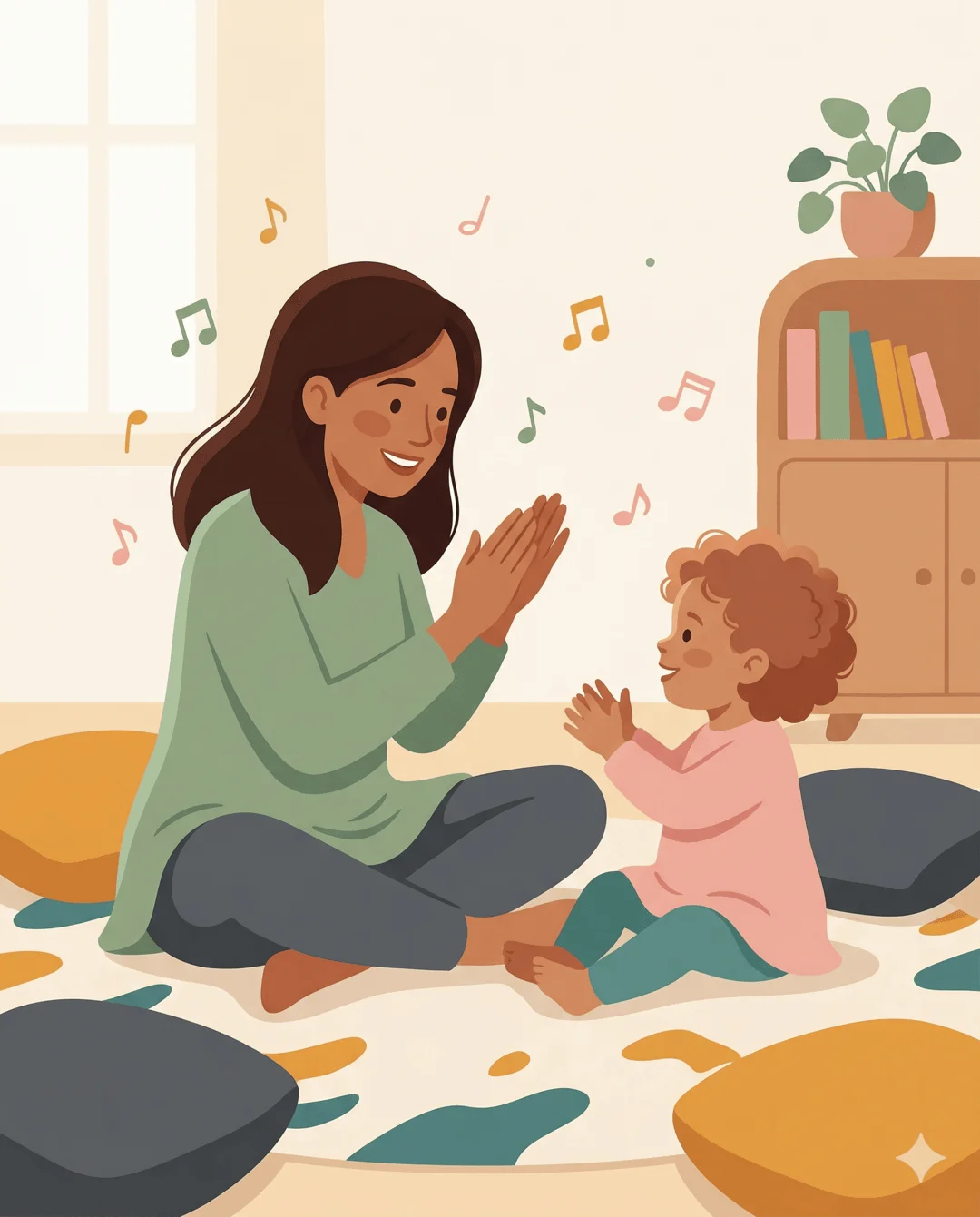
Echo your baby's babbles and extend them into real words — a conversation that builds language from the very first sounds.
Arrange banana slices into letter shapes on a plate, then eat your creations.
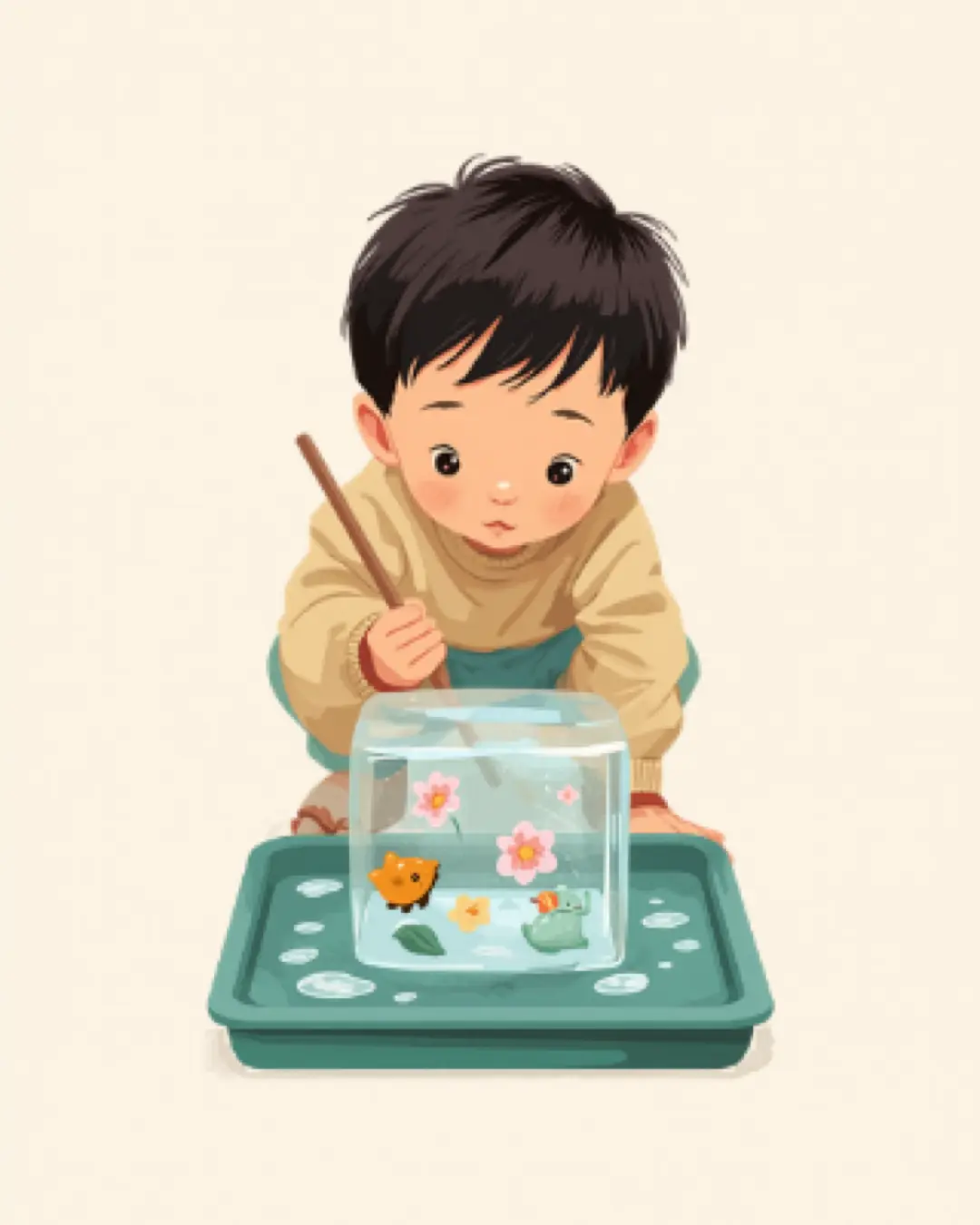
Float foam letters in the bath and fish them out with a sieve or cup, naming each letter as it is caught.
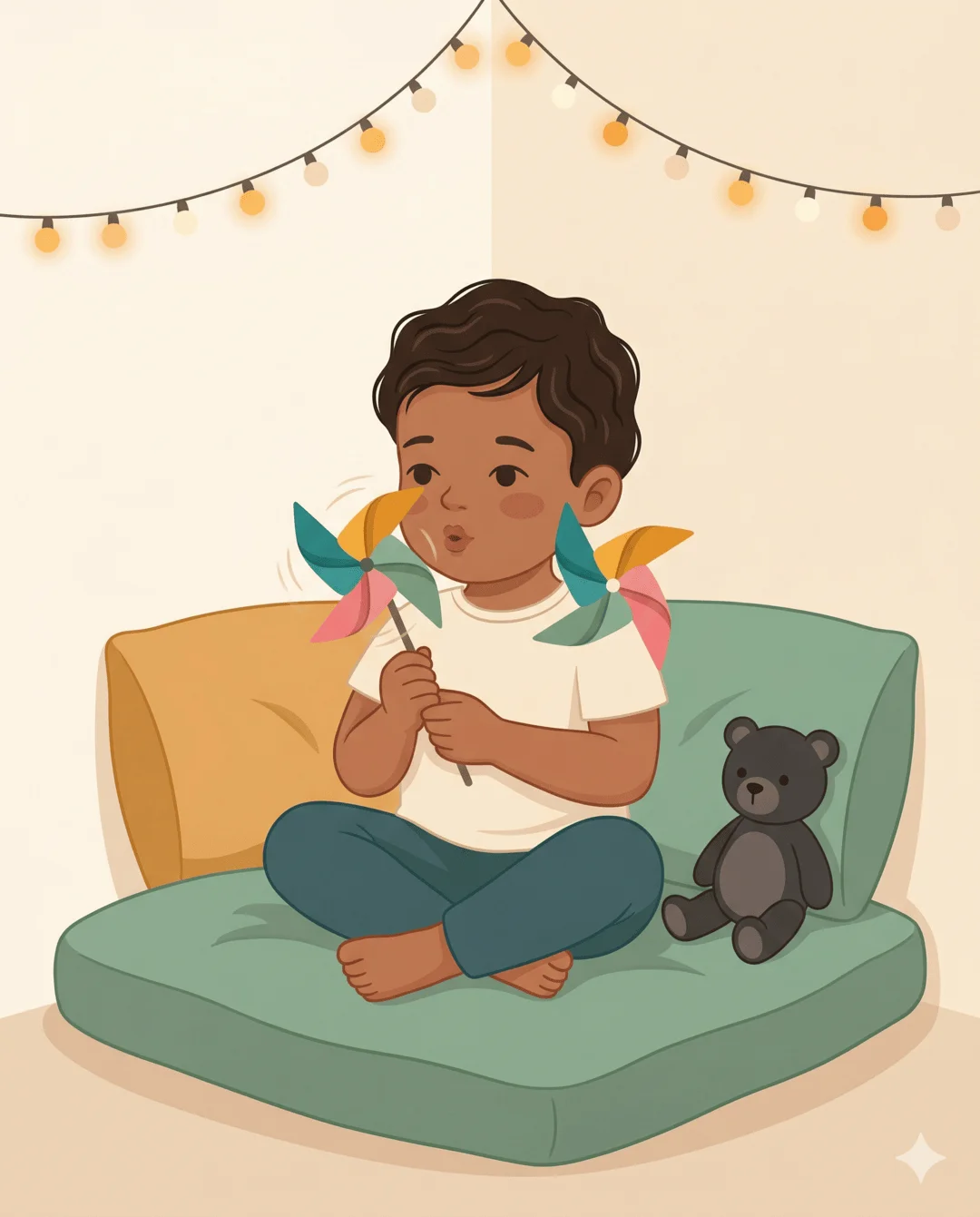
A curated basket of three books your child chooses before bed each evening, giving them control within a clear bedtime boundary.

Build a cosy blanket fort and read picture books inside with a torch.
Showing 8 of 77 activities
Your child recognises letters on signs, ‘reads’ familiar books from memory, rhymes spontaneously, or asks what written words say. They may point to text and ask ‘What does that spell?’
Follow their interest without pushing formal reading instruction. Point out letters in the environment, play rhyming games, let them ‘write’ shopping lists with scribbles, and read books with rich, varied language.
A child who recognises letters and sounds may not yet have the fine motor control to form them. Pre-reading skills can develop well ahead of pre-writing skills — this is completely typical.
Research from the NAGC supports emergent literacy through play rather than formal instruction before age five. Children who explore print naturally — through books, signs, and play-writing — develop stronger reading foundations than those drilled on letter recognition.
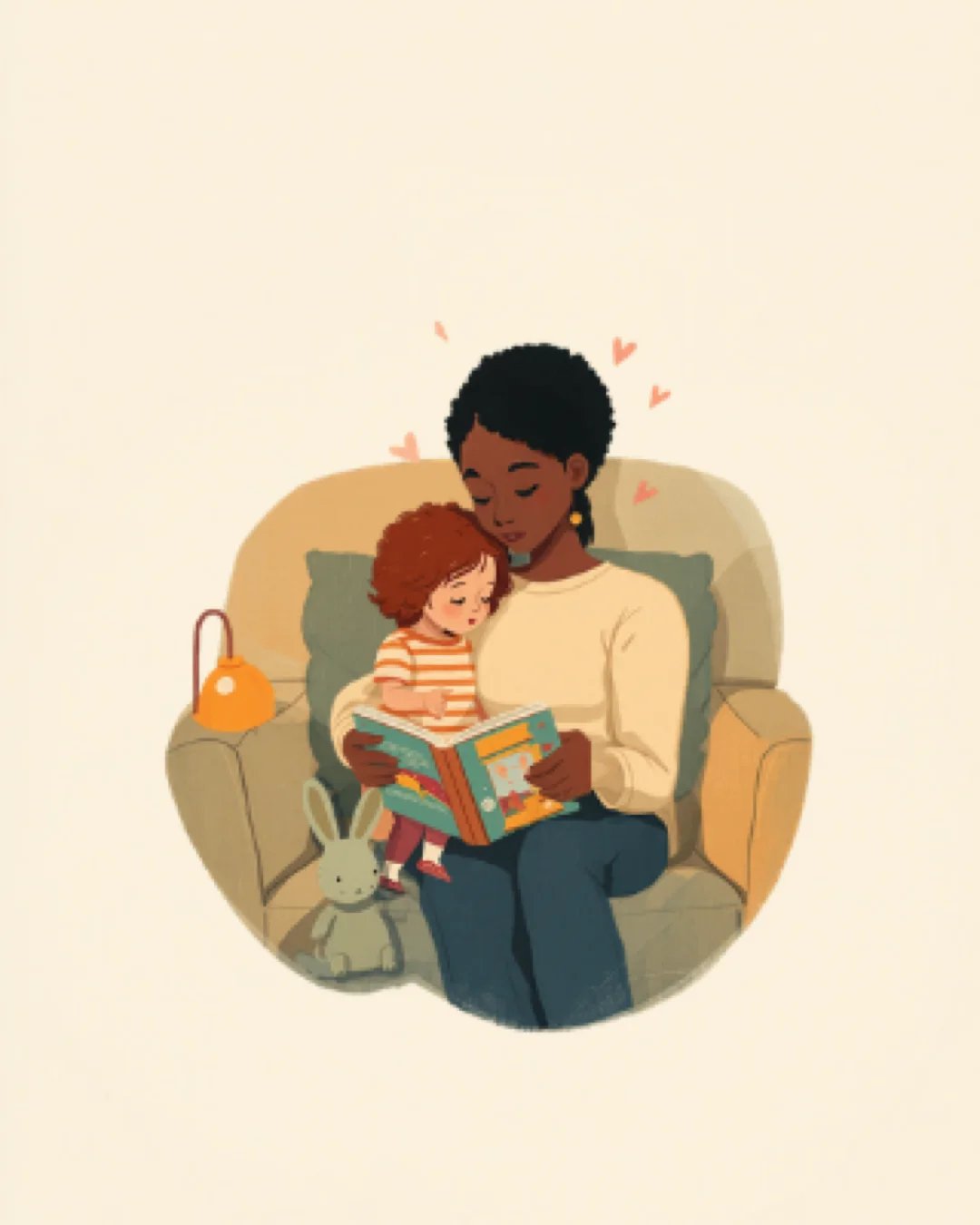
Pick one new word each morning and weave it through the day — building vocabulary through repetition and play.
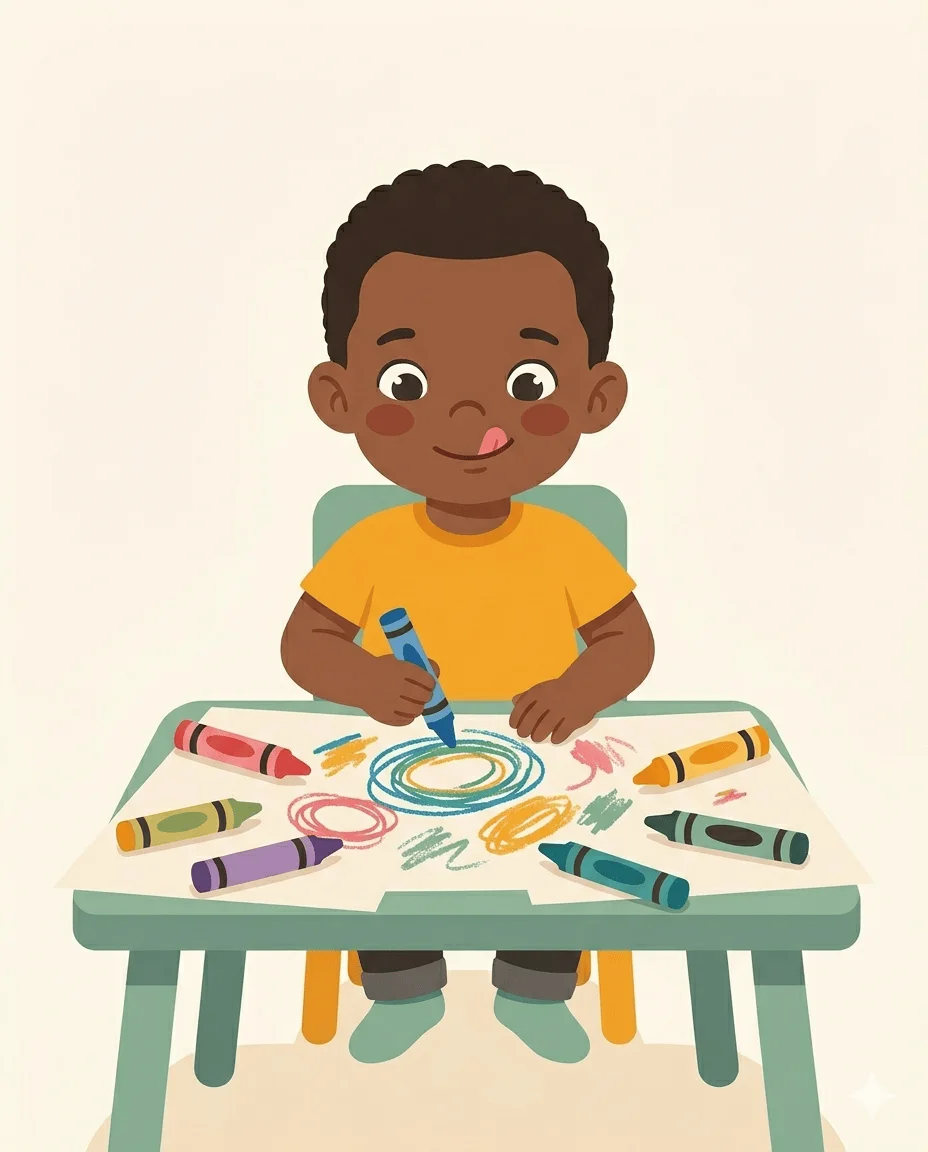
Create a simple homemade book together from scratch, from the story idea to the illustrated cover.
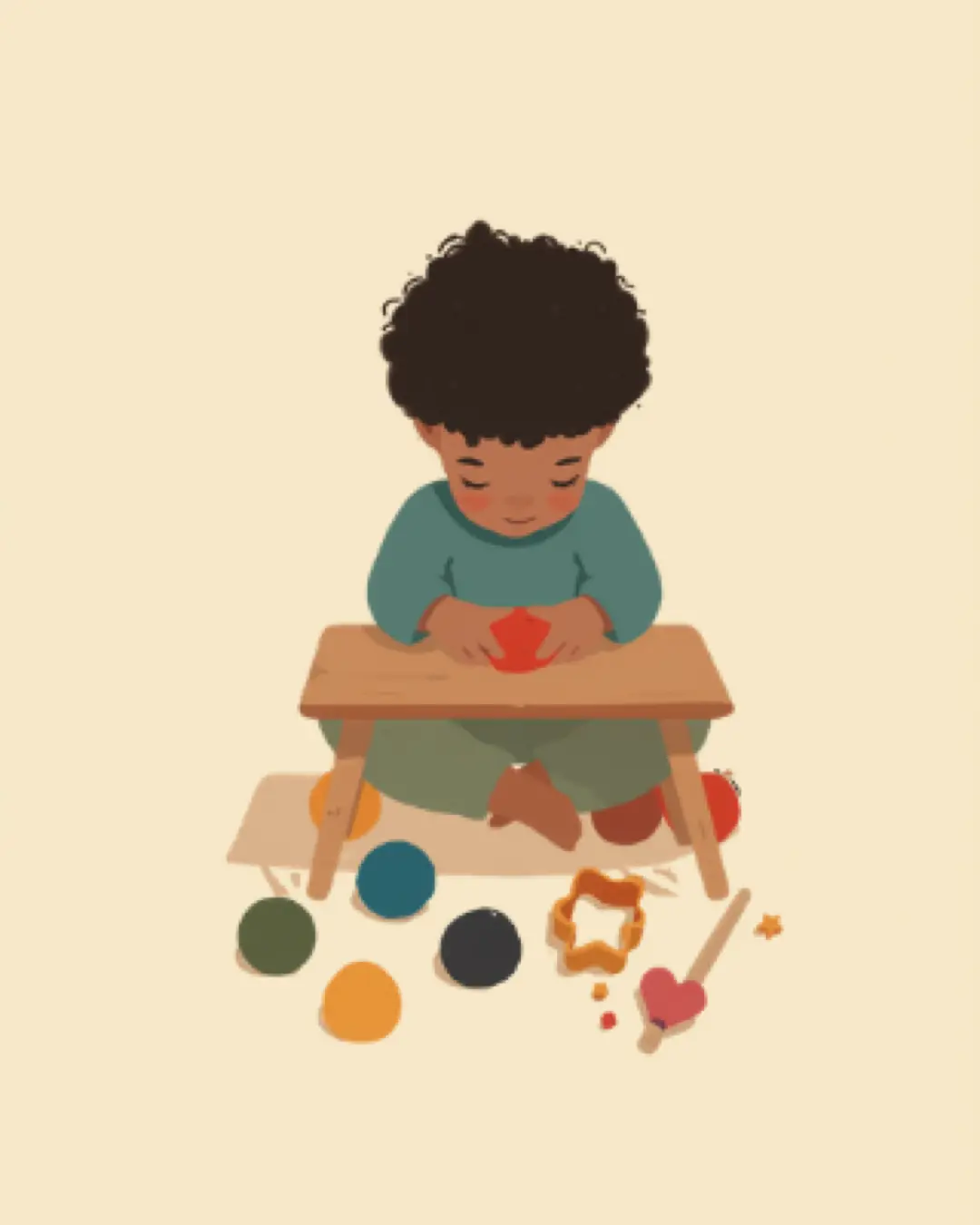
Roll and shape clay or playdough into letter forms to connect tactile experience with early literacy.
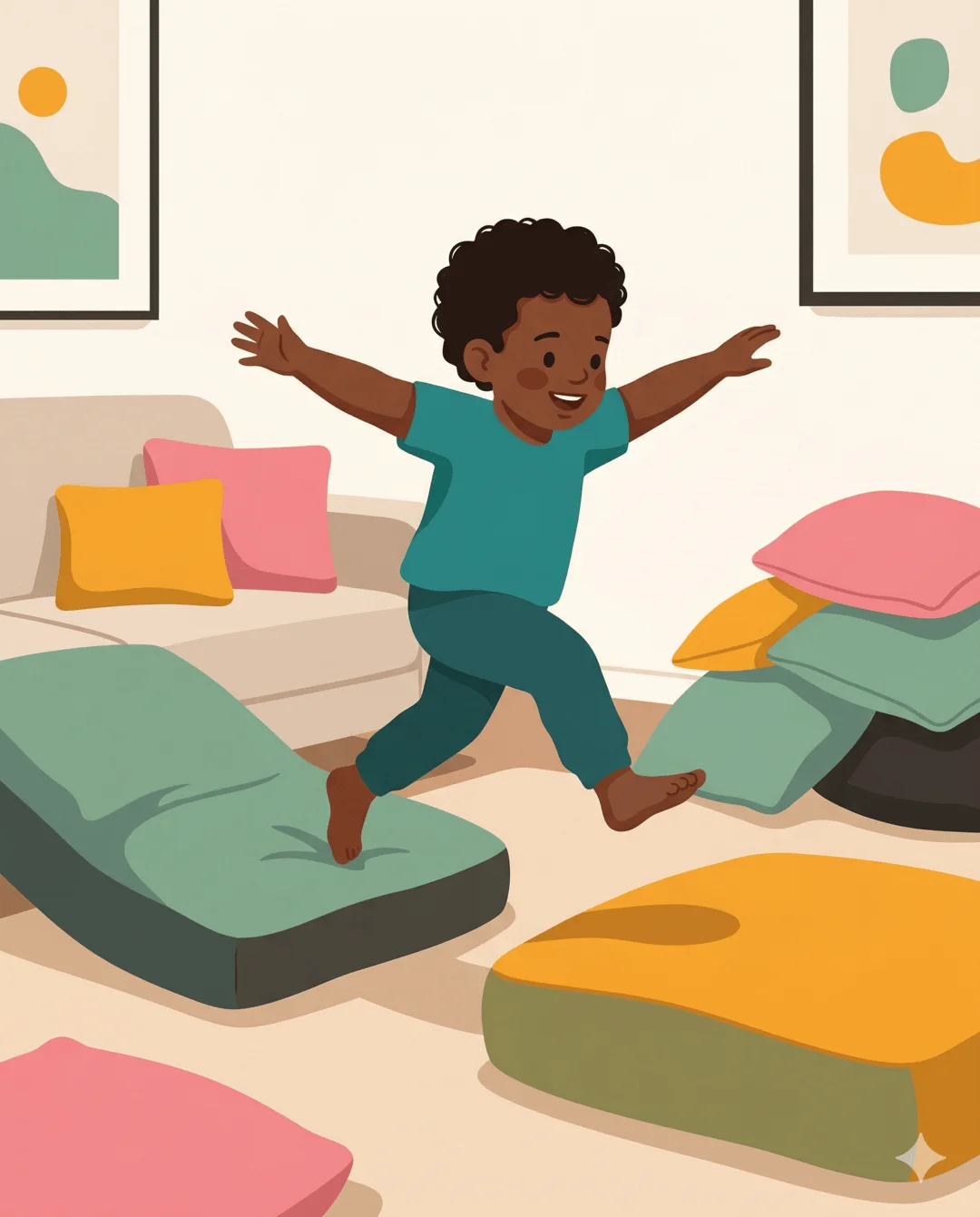
Hunt around the home for objects beginning with a target letter sound — phonics learning in disguise.
Lay out simple repeating patterns and ask your child to predict what comes next.
Make up brand-new silly rhymes together to tune little ears to the sounds of language.
Find pairs of objects around the home that rhyme to build phonological awareness in a playful way.
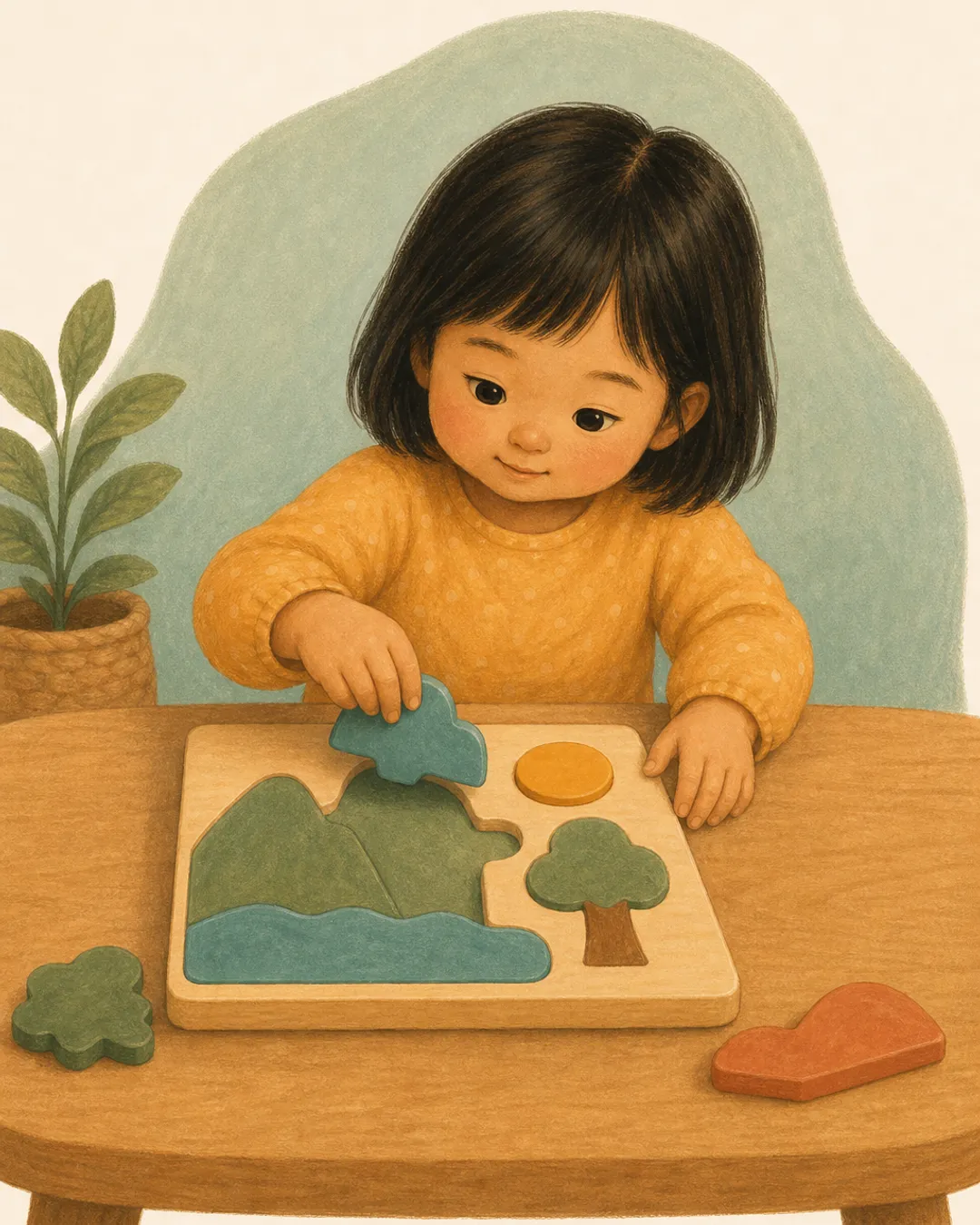
Arrange simple picture cards in the right order to build an understanding of story structure and sequence.
Showing 8 of 9 activities
Early literacy includes book exploration, recognising letters, rhyming, and pre-reading skills. It begins well before formal reading instruction — a toddler ‘reading’ to a stuffed animal, pointing at letters on signs, or finishing familiar rhymes is building the foundation.
Look for picking up books and turning pages (even upside down), pointing at pictures and naming them, asking to hear the same story repeatedly, finishing familiar lines in songs or books, and recognising a few letters — especially the first letter of their name.
Read together daily — even 5 minutes counts. Point at pictures and name them. Let your child choose the book and turn the pages. Sing nursery rhymes (rhyming builds phonological awareness). Don’t worry about teaching reading — building a love of books and words is the most important thing at this age.
One email a week with age-appropriate activities, developmental tips, and practical play ideas. No spam, unsubscribe any time.