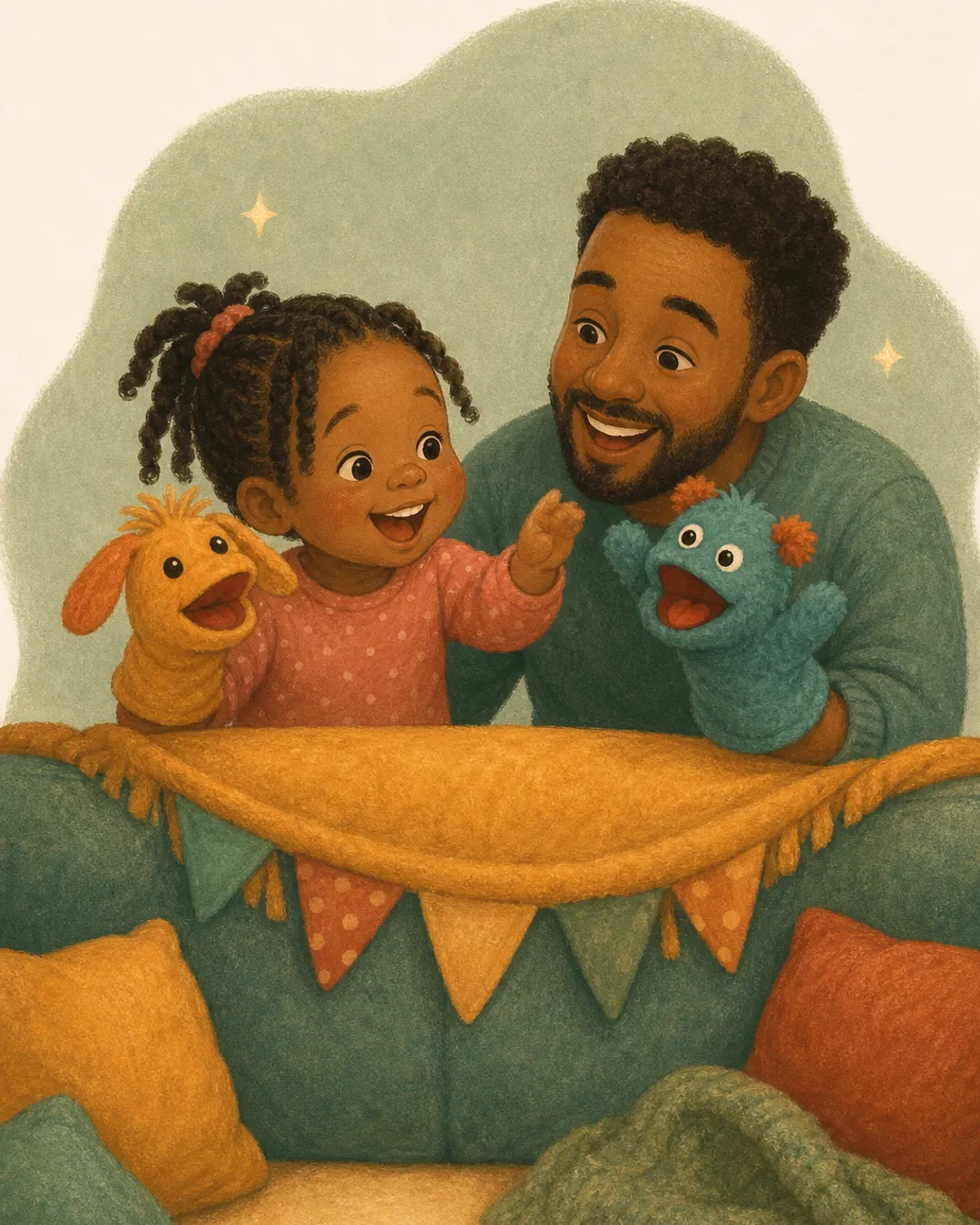
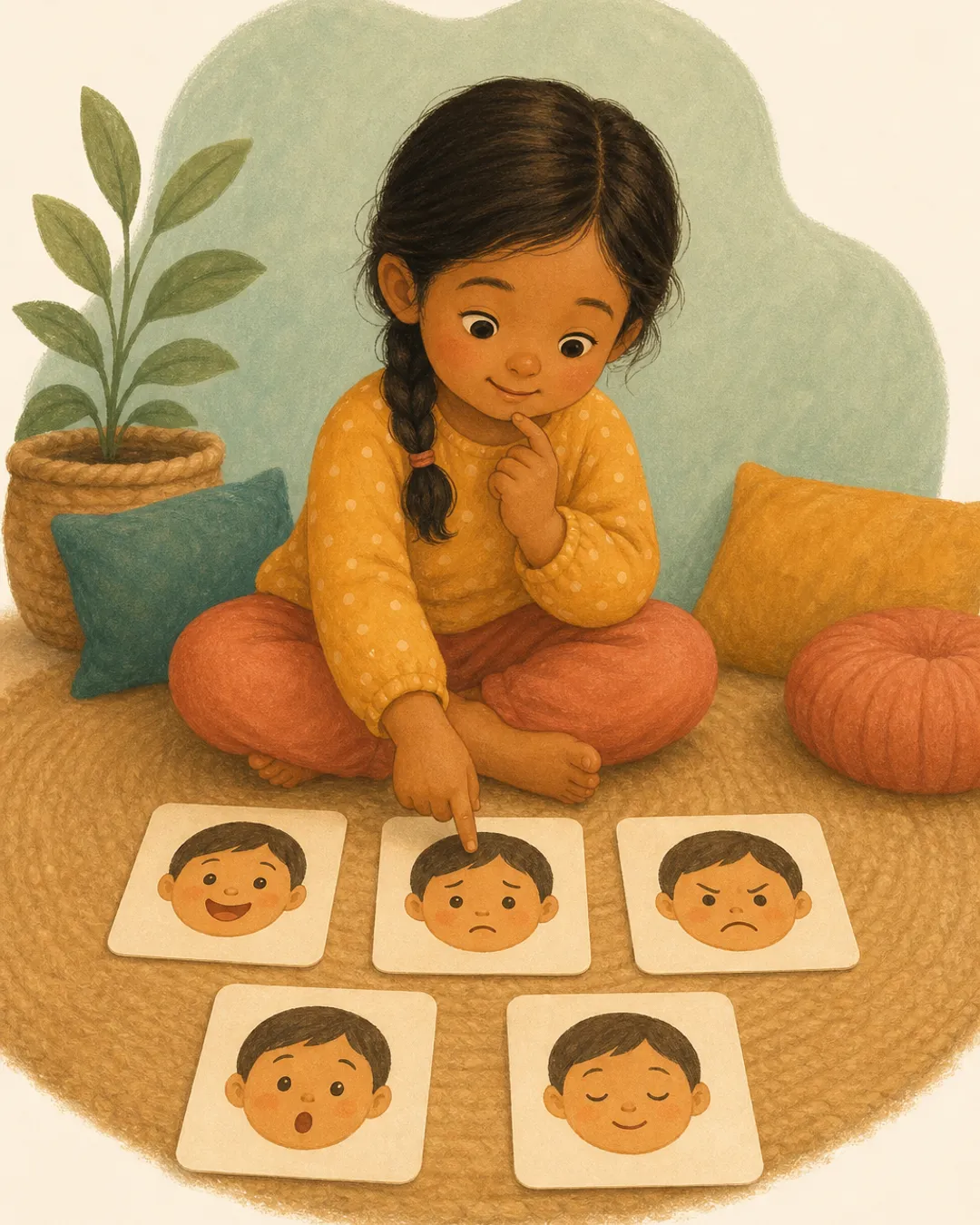
At a glance: Wants to be held, carried, or close to you constantly — even when you're not leaving. This is a normal part of toddler development. See practical steps and related activities below.
Built by a parent of toddlersDesigned for common toddler moments across 1 to 4 years (12–48 months)
Field-tested ideas shaped by direct parenting experience and guidance from reputable sources including the NHS, NSPCC, and Zero to Three.
Try this first
Fill the cup first: ten undistracted minutes when they wake and when you reunite.
Name the feeling: “you want to be close right now.” Validation, not rescue.
Carry them or use a sling briefly on heavy days. Proximity calms faster than reassurance.
Keep your own goodbyes brief and warm. Long anxious farewells amplify the clinging.
Why this works
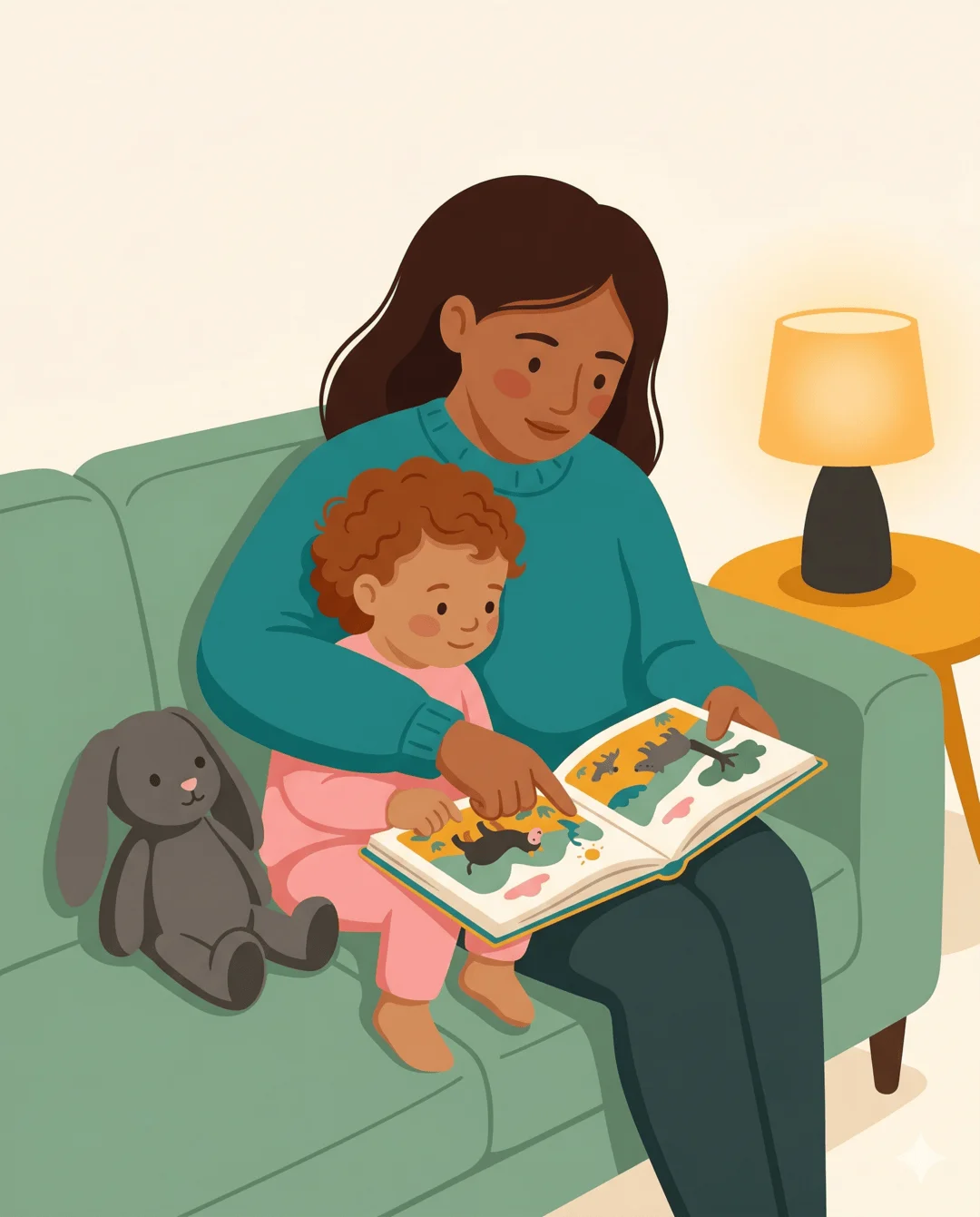
Top up the connection deliberately at low-stakes times — a few minutes of full attention several times a day prevents the desperate clinging that comes from an empty connection cup. Use a sling, carrier, or just your lap when they need you close — meeting the need doesn't reinforce it, it satisfies it. Name the feeling ('You want to be near me right now — I love being near you too'). Build small bridges to independence within the closeness: read books together where they sit beside you instead of on you, or sit on the floor near them while they play instead of being held. Watch for triggers (illness, teething, a new sibling, starting nursery) and tolerate the regression for a few weeks. Phases of clinginess are nearly always temporary — what stays is the relationship built during them.
Many toddler behaviour spikes come from hunger, tiredness, transitions, or a mismatch between big feelings and limited language. The goal is regulation first, teaching second.
When should I worry about clinginess?
If this pattern feels intense, persistent, or starts affecting sleep, safety, nursery, or family routines, it’s worth speaking to a professional. Your health visitor or GP can discuss your concerns and refer you to specialist support if needed. The NSPCC helpline (0808 800 5000) also offers free, confidential advice on any child behaviour concern.
Why does clinginess happen?
Clinginess is different from separation anxiety. Separation anxiety is about leaving; clinginess is about needing your physical presence even when you're right there. The American Academy of Pediatrics is clear that this is not 'spoiling' — quite the opposite. They explicitly state that some people may suggest your child is clingy because you're 'spoiling' them, 'but that's not true.' Clinginess is 'evidence of her healthy relationship with you.' Toddlers often go through clingy phases during big developmental leaps, after illness, when something has changed at home, or simply because they need a 'top-up' of connection before they can branch out again. Strong attachment toddlers may actually be MORE clingy in early years — and pass through it sooner.
What should I avoid during clinginess?
Don't shame the clinginess ('Big boys don't need cuddles'). Don't compare to other children. Don't try to peel them off you forcefully — it raises the panic and they cling harder. Don't take it personally if they reject the other parent — toddlers go through phases of preferring one parent for stretches of time, and it isn't a verdict. Don't worry that meeting their need will create more dependence — the AAP's framing is that secure connection now builds independence later, not the other way around.
Every child is different, and progress isn’t always steady. With a calm, consistent response and a little time, many families find things gradually ease. A brief wobble — or a patch where it feels harder — is usually part of the process, not a sign you’re doing anything wrong.
Get weekly tips for tough toddler moments
One email a week with practical behaviour tips, calming activities, and developmental insights. No spam, unsubscribe any time.