TinyStepper

Story Sequencing Cards

At a glance: Arrange simple picture cards in the right order to build an understanding of story structure and sequence. A 15-minute, low-energy indoor activity for ages 2y4y.

Built by a parent of toddlersBest for 2y-4y

Field-tested ideas shaped by direct parenting experience and advice from reputable sources, including NHS Best Start in Life and NSPCC child development research.

2y4y15 minslow energyindoornone mess

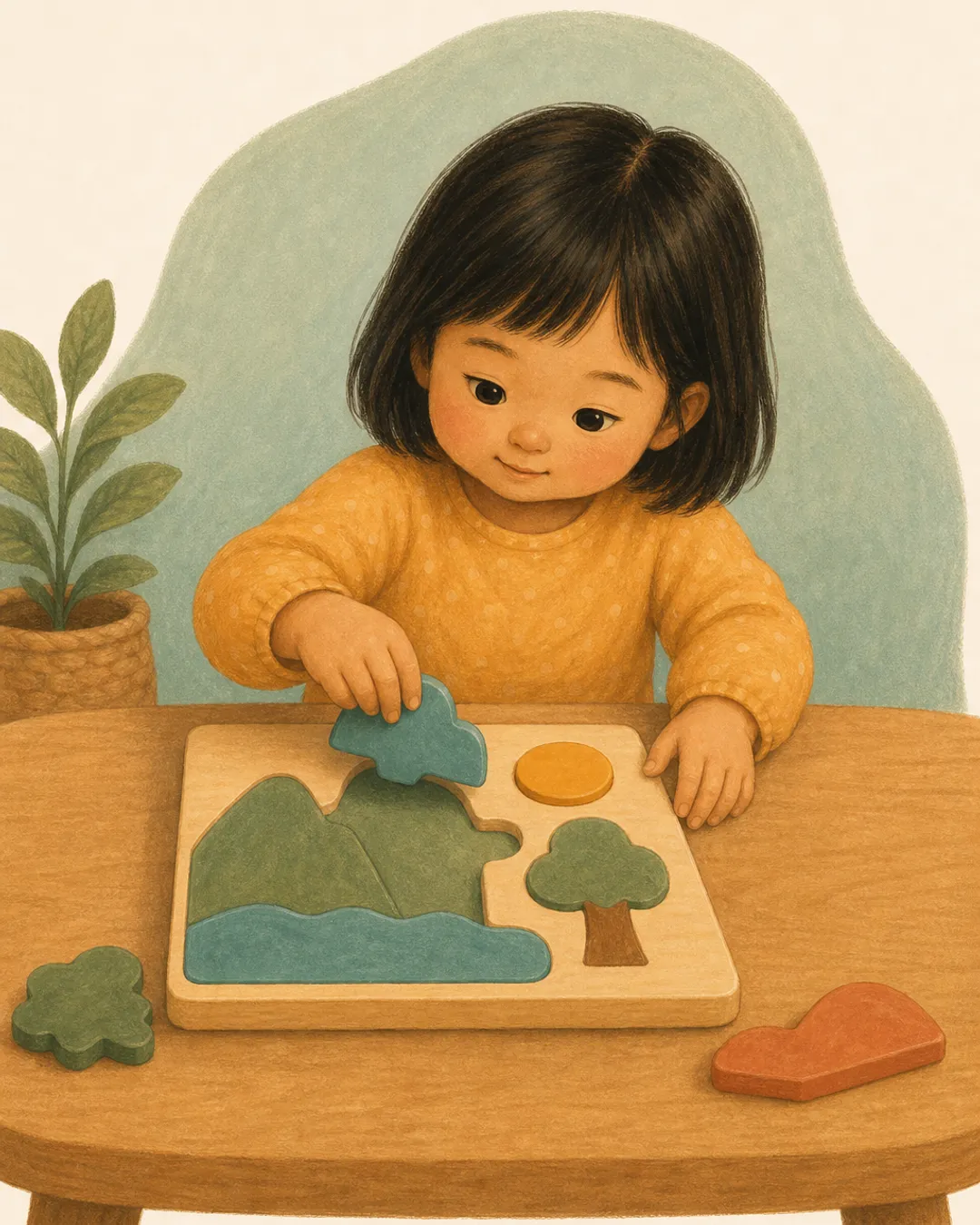
Draw or print three to five simple pictures showing the stages of a familiar event (baking a cake, going to the park, getting dressed for bed). Shuffle them and lay them face-up. Ask your child to put them in order, explaining their reasoning as they go. Once the sequence is right, invite them to narrate the whole story using the cards as prompts. This exercise is deceptively rich: it demands logical sequencing, temporal language ("first", "then", "after", "finally"), and oral storytelling.

Best for this moment

for calmer, lower-pressure moments, especially when you need an indoor option.

Parent tip

Set out paper and pencils before inviting your toddler in so the first minute feels smooth.
What success looks like

A good outcome is a few minutes of engaged play, some back-and-forth with you, and a small sign of progress in cognitive skills.

More help for this situation

Instructions

Get ready
  • Prepare three to five simple pictures depicting sequential stages of a familiar event.
  • Shuffle them and spread them face-up on the table.
  1. Prepare three to five simple pictures depicting sequential stages of a familiar event.
  2. Shuffle them and spread them face-up on the table.
  3. Name each picture together before sequencing begins.
  4. Say, "Can you put these in the right order? What happens first?"
  5. Let your child arrange the cards independently, only prompting if stuck.
  6. Ask them to explain why they placed each card where they did.
  7. Once the sequence is agreed, ask them to tell the whole story using each card as a prompt.
  8. Listen carefully and reflect back key temporal words they use.

Why it helps

Understanding temporal sequence is foundational to narrative comprehension and early writing; children who master story grammar — including beginning, middle, and end — become stronger readers and writers (Stein & Glenn, 1979). Using pictures rather than text makes the task accessible to pre-readers while still building the conceptual scaffolding. Narrating the sequence aloud provides rich practice with connective language and discourse-level sentence construction.

Variations

  • Use photos of your family's actual daily routine as the cards.
  • Cut up a simple comic strip from a magazine or free printable.
  • Once the sequence is complete, ask "What might happen next?" to extend the story.

Safety tips

  • Use sturdy card or laminated sheets if possible — soggy, torn cards are frustrating.
  • Keep card sets in a labelled envelope so they're easy to revisit.
  • Supervise if your child helps cut out the cards — use child-safe scissors with rounded tips only.

When to pause and seek extra support

Stop if your child becomes distressed, unsafe, or consistently frustrated by the activity. If play, behaviour, or development worries keep showing up across settings, check in with a qualified professional.

Get weekly activity ideas for your toddler

One email a week with practical toddler activities, behaviour tips, and developmental insights. No spam, unsubscribe any time.