
Why this skill matters
Each skill area supports everyday confidence, communication, and play. Growth here often shows up as small, repeated gains rather than sudden leaps.
At a glance: Imaginative play, art expression, music exploration, and pretend scenarios. You see it when your child turns a cardboard box into a spaceship, scribbles with abandon on paper, makes up songs, or feeds a stuffed animal imaginary food. Encouraging open-ended play without a 'right answer' is the best way to nurture creativity in the toddler years. Browse 136 related activities below.

Each skill area supports everyday confidence, communication, and play. Growth here often shows up as small, repeated gains rather than sudden leaps.
Short, repeated activities usually build this skill better than one long session. Keep the challenge light and the interaction playful.
Look for slightly longer engagement, smoother coordination, or more willingness to try the skill again tomorrow.
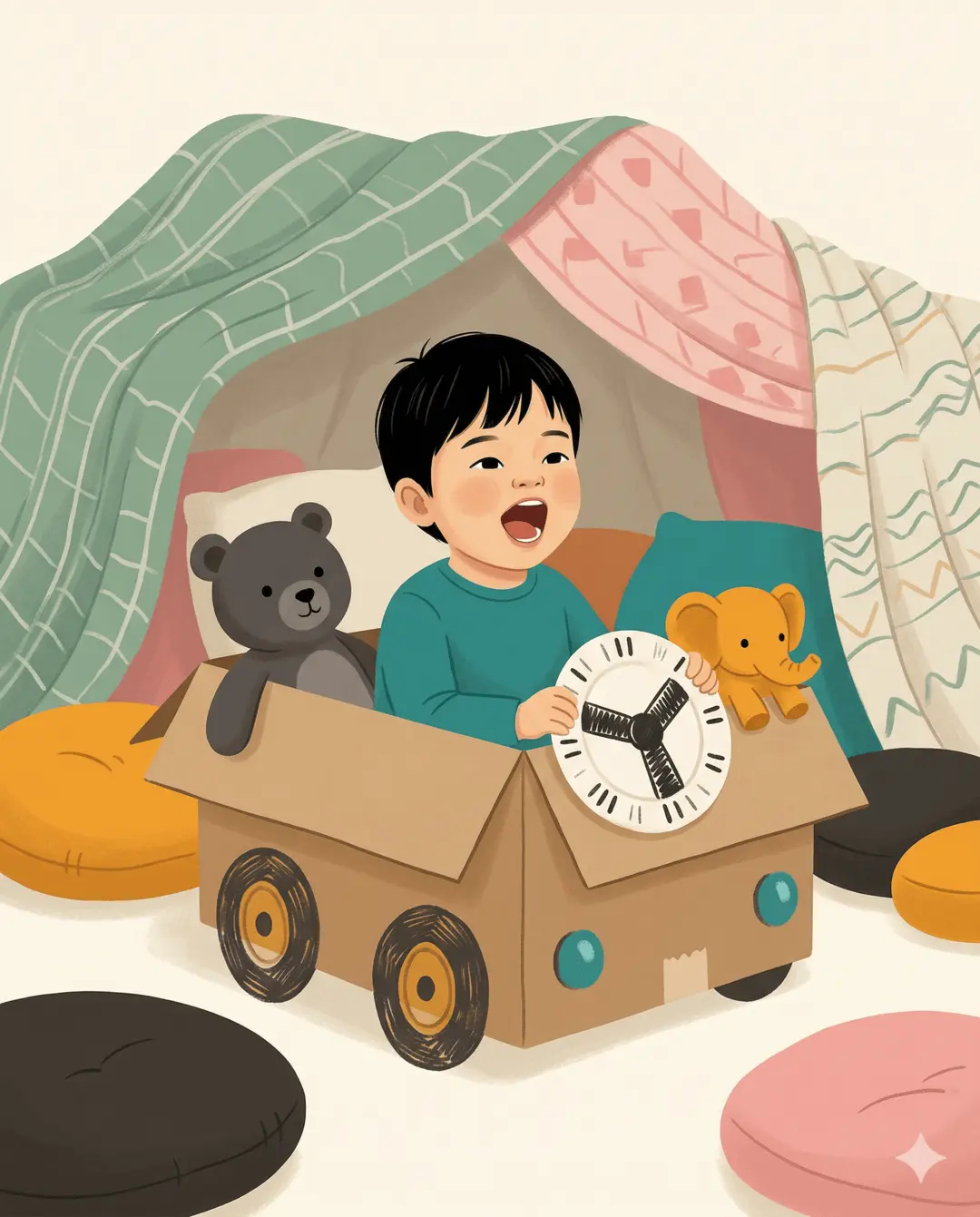
After reading a favourite story, act it out together — your child becomes the main character and relives the plot.
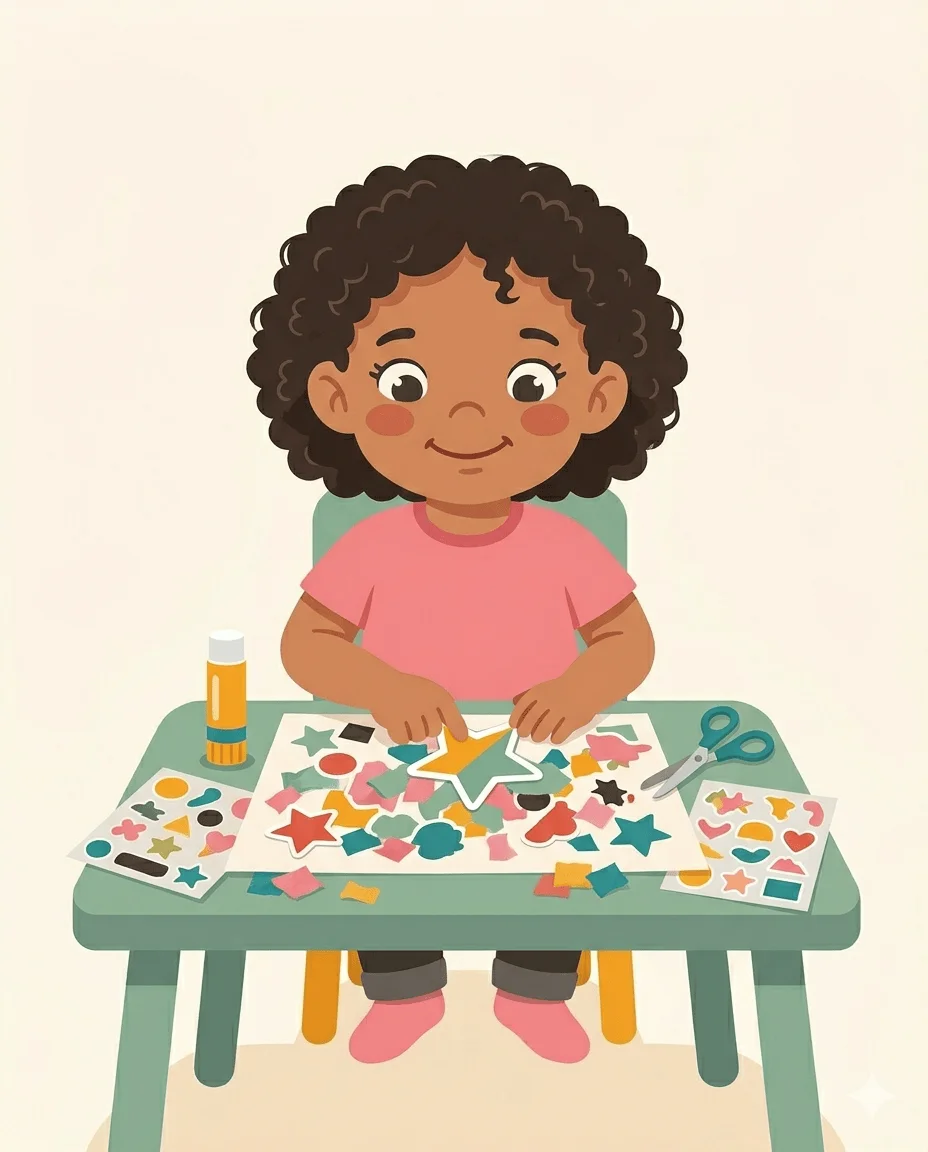
Use big, fast brush strokes on large paper to express angry feelings through colour and movement — a safe outlet for fury.
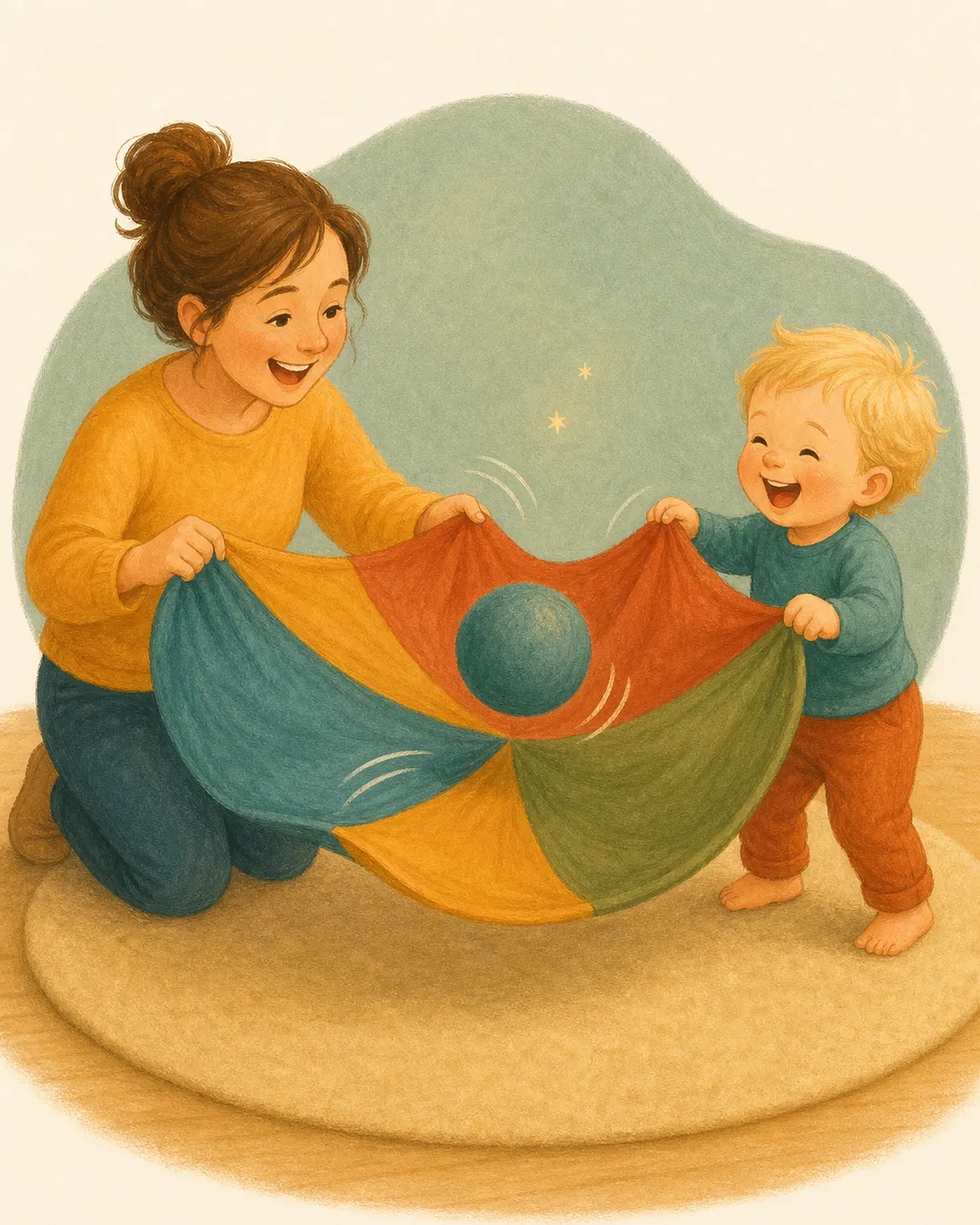
Waddle like a duck, hop like a frog, gallop like a horse — follow a trail of animal cards and move like each creature.
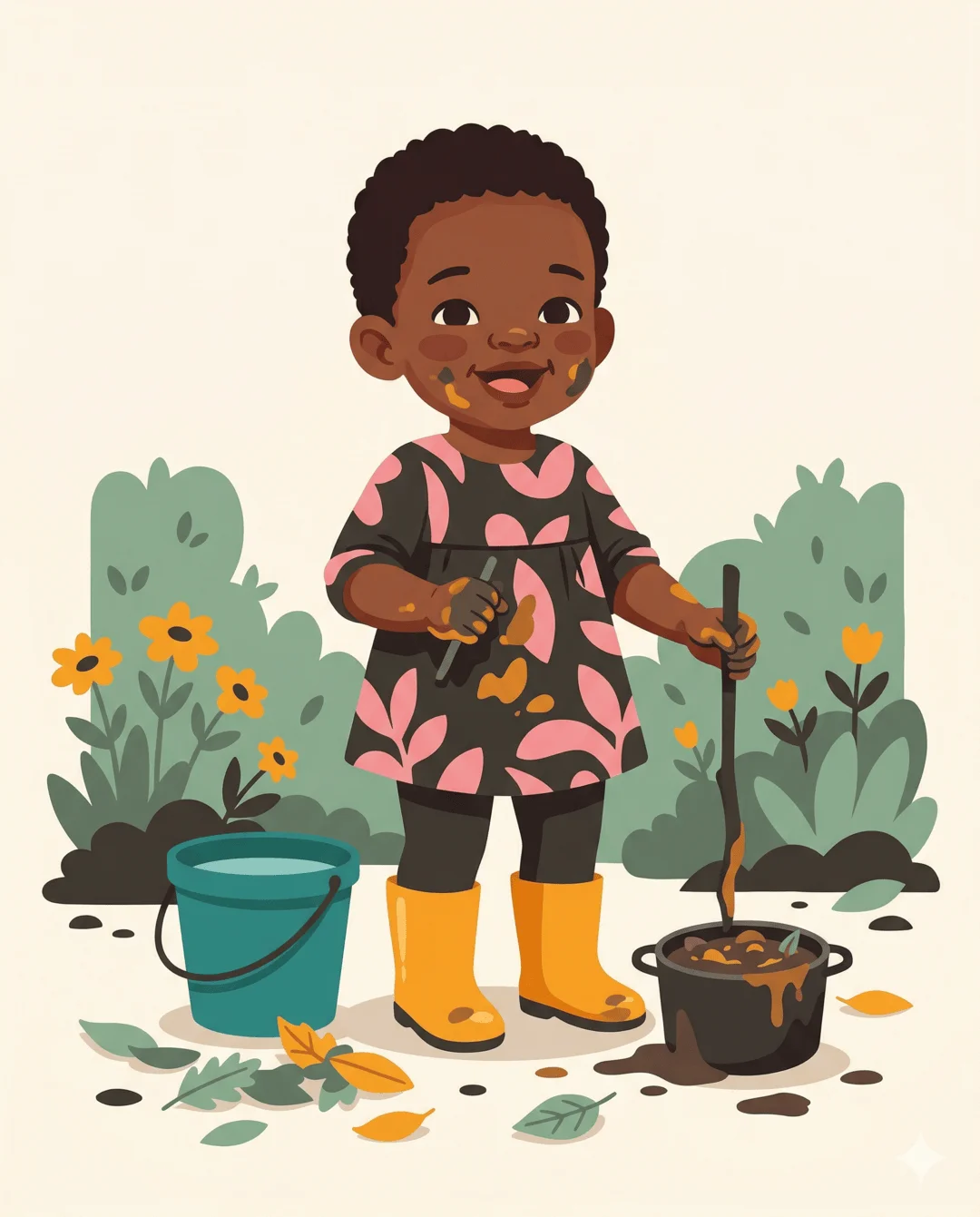
An autumn nature craft — thread fallen leaves onto string to make a colourful garland.
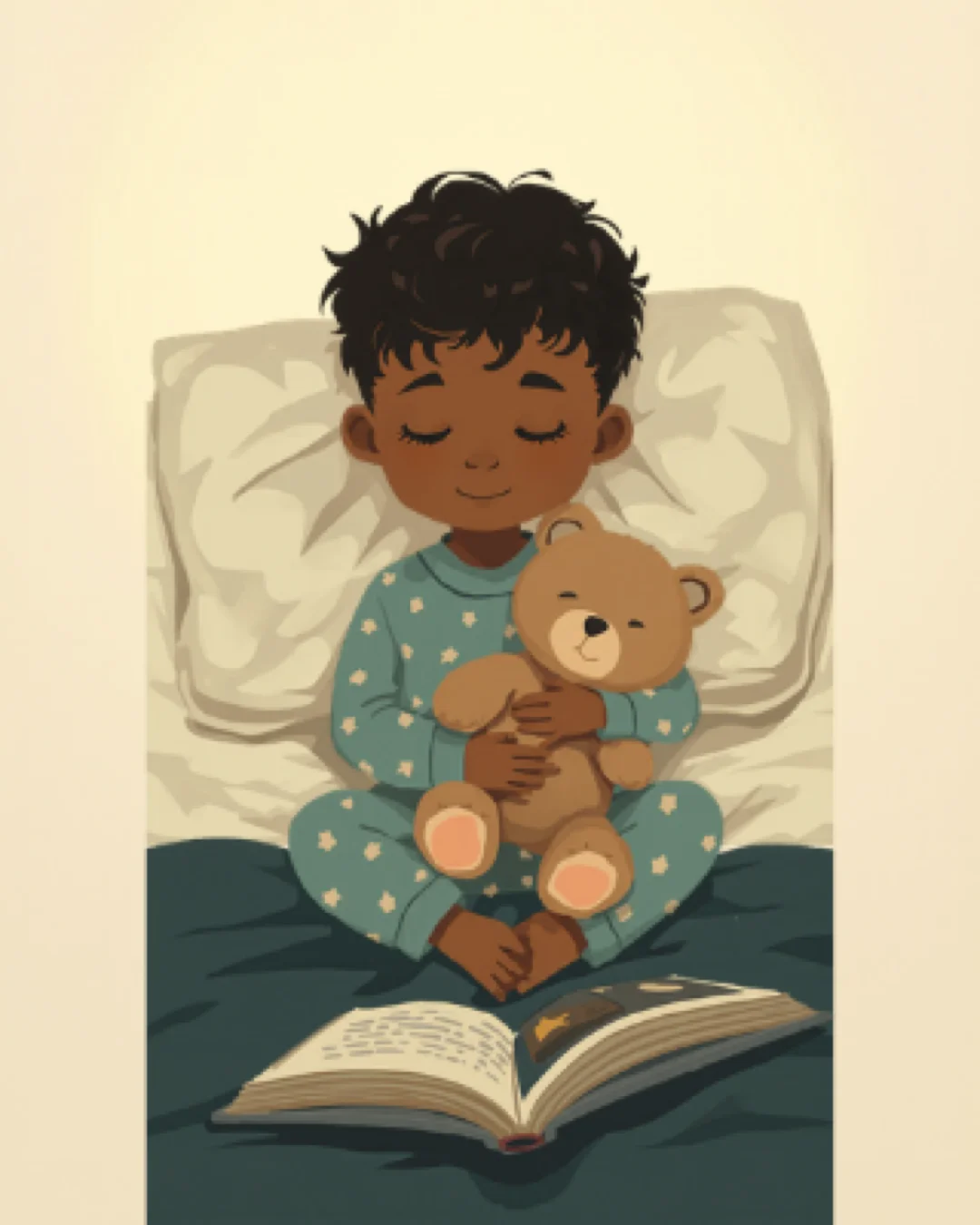
Siblings sit back to back and describe what they're drawing for the other to copy — building listening, communication, and giggly cooperation.
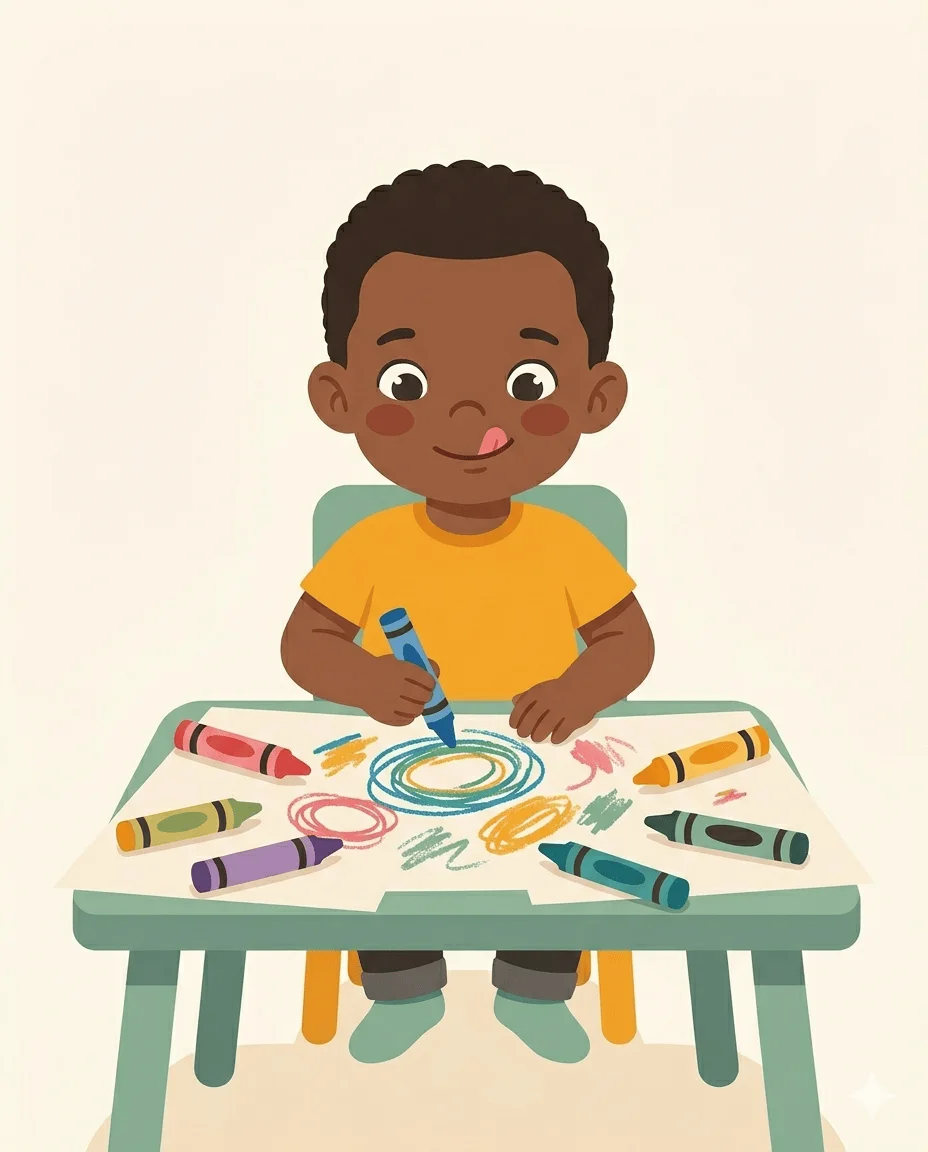
Sit back-to-back and draw separately — physical touch maintained, focus independent.
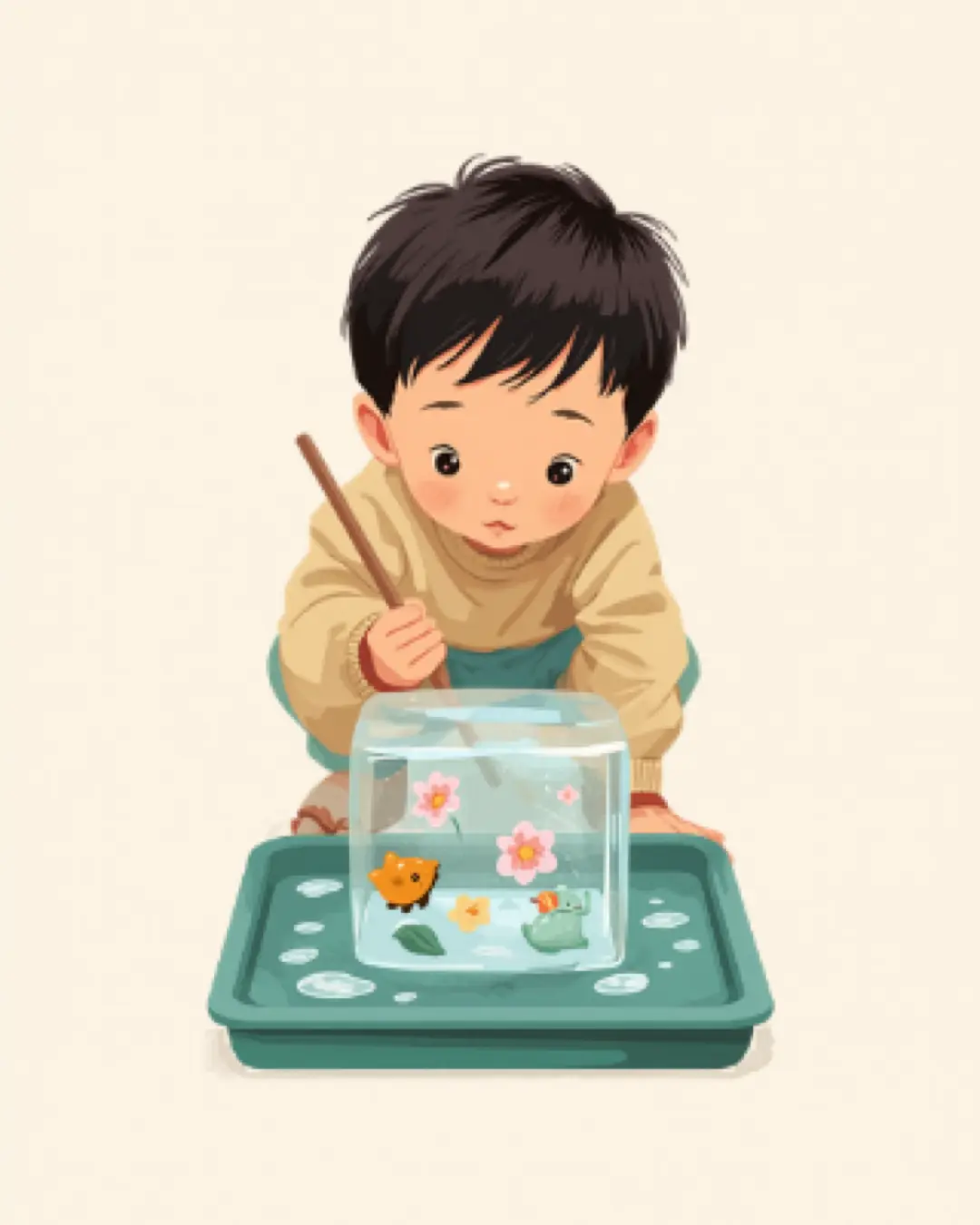
Use bath toys as characters in a simple story you narrate together — turning bath time into an imaginative adventure.
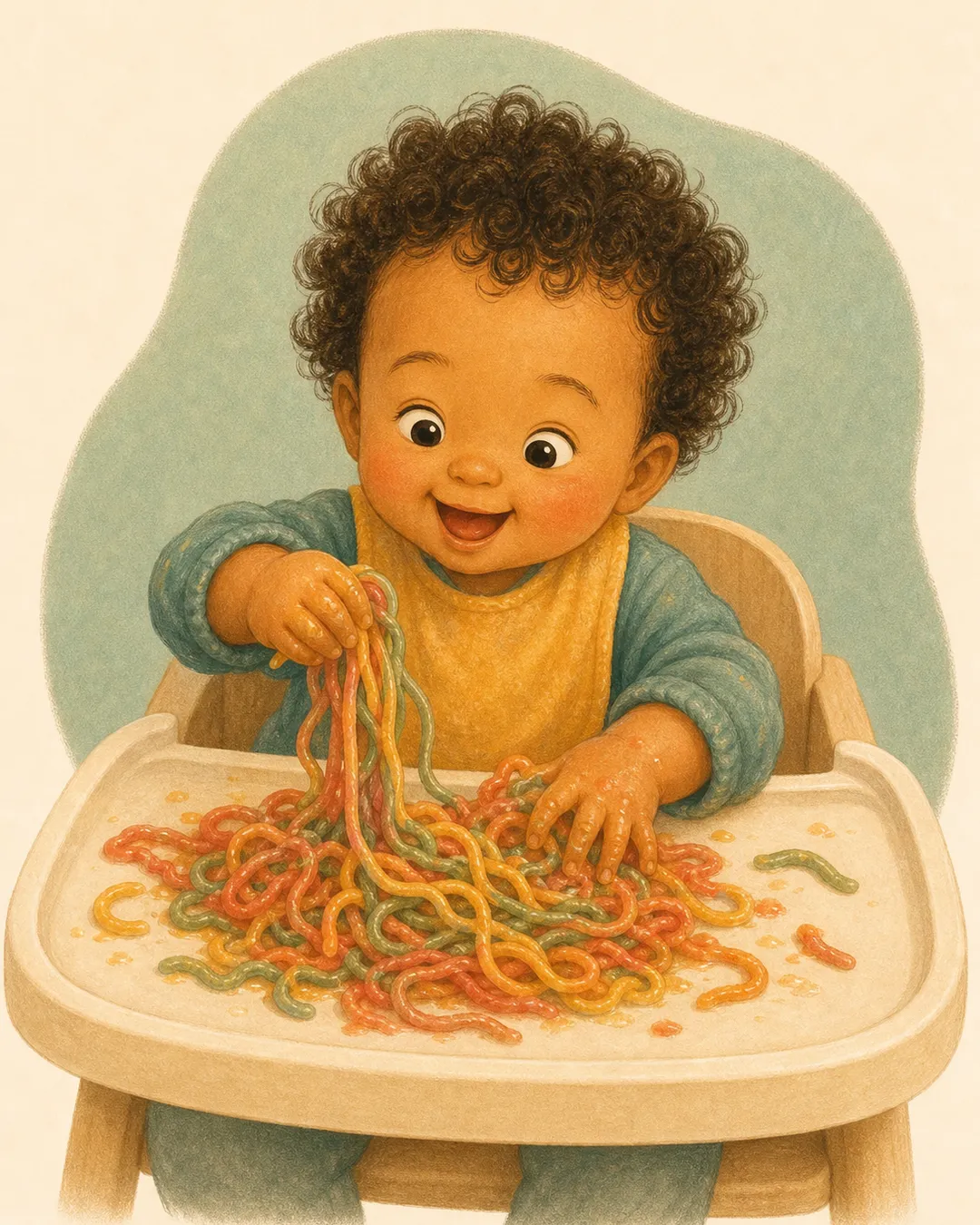
Draw on bath tiles with bath crayons or soap — a mess-free creative session that washes straight off.
Showing 8 of 128 activities
Your child invents elaborate pretend scenarios with multiple characters, combines materials in unexpected ways, makes up songs or stories, or asks ‘What if the sky was green?’ type questions.
Provide open-ended materials — boxes, fabric, clay, loose parts — rather than structured kits. Join their pretend play without directing it. Ask ‘Tell me more about your world’ rather than correcting the impossible.
A highly creative child may resist structured activities or colouring within lines. This is not defiance — it is a sign that their imagination needs more room than the task allows.
Dabrowski’s theory of overexcitabilities describes the heightened imaginative intensity common in advanced young children. Channelling this through creative play supports emotional processing as well as cognitive growth.
Create a simple homemade book together from scratch, from the story idea to the illustrated cover.
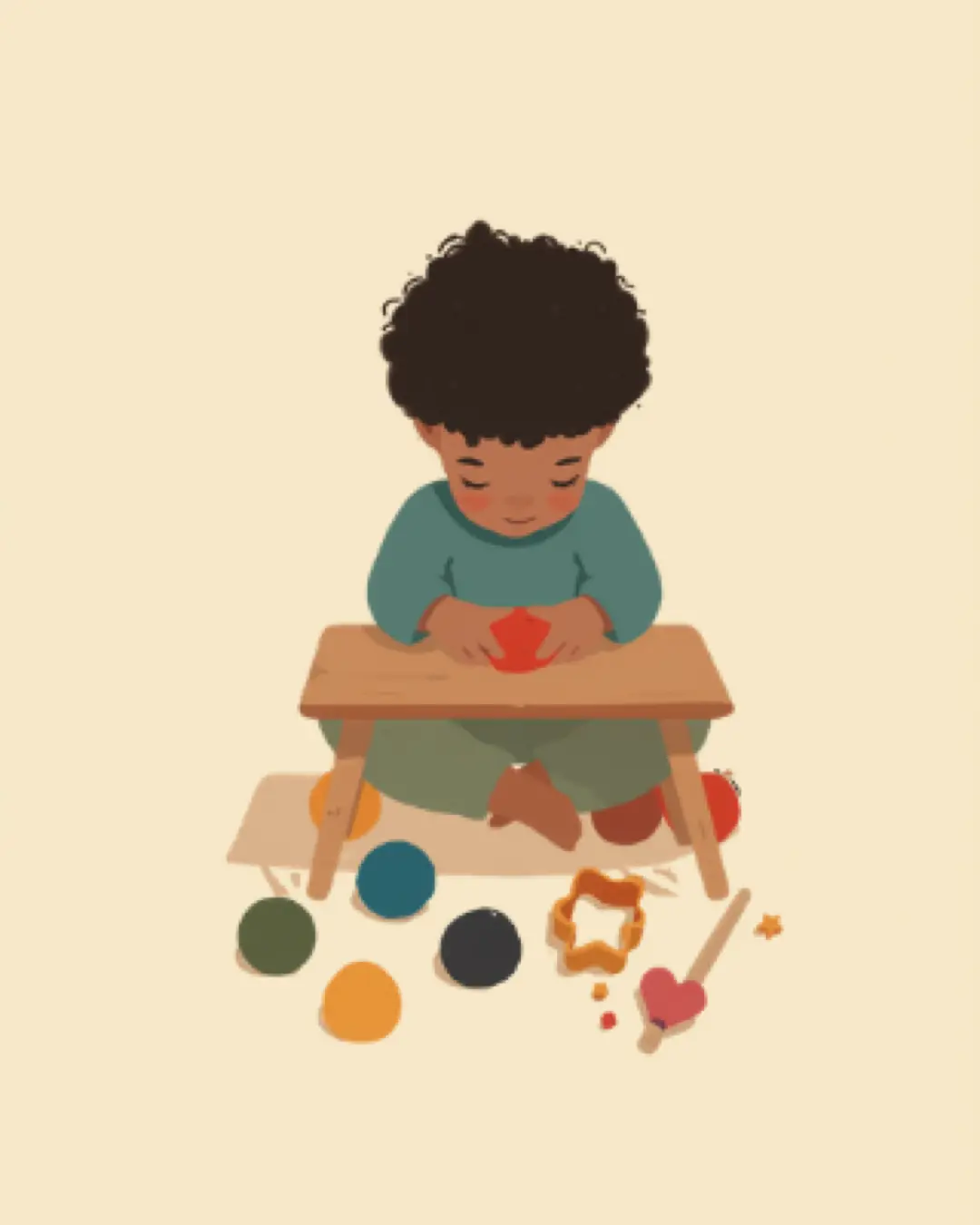
Take turns adding one line or shape each to a collaborative drawing, building fine motor precision and creativity.
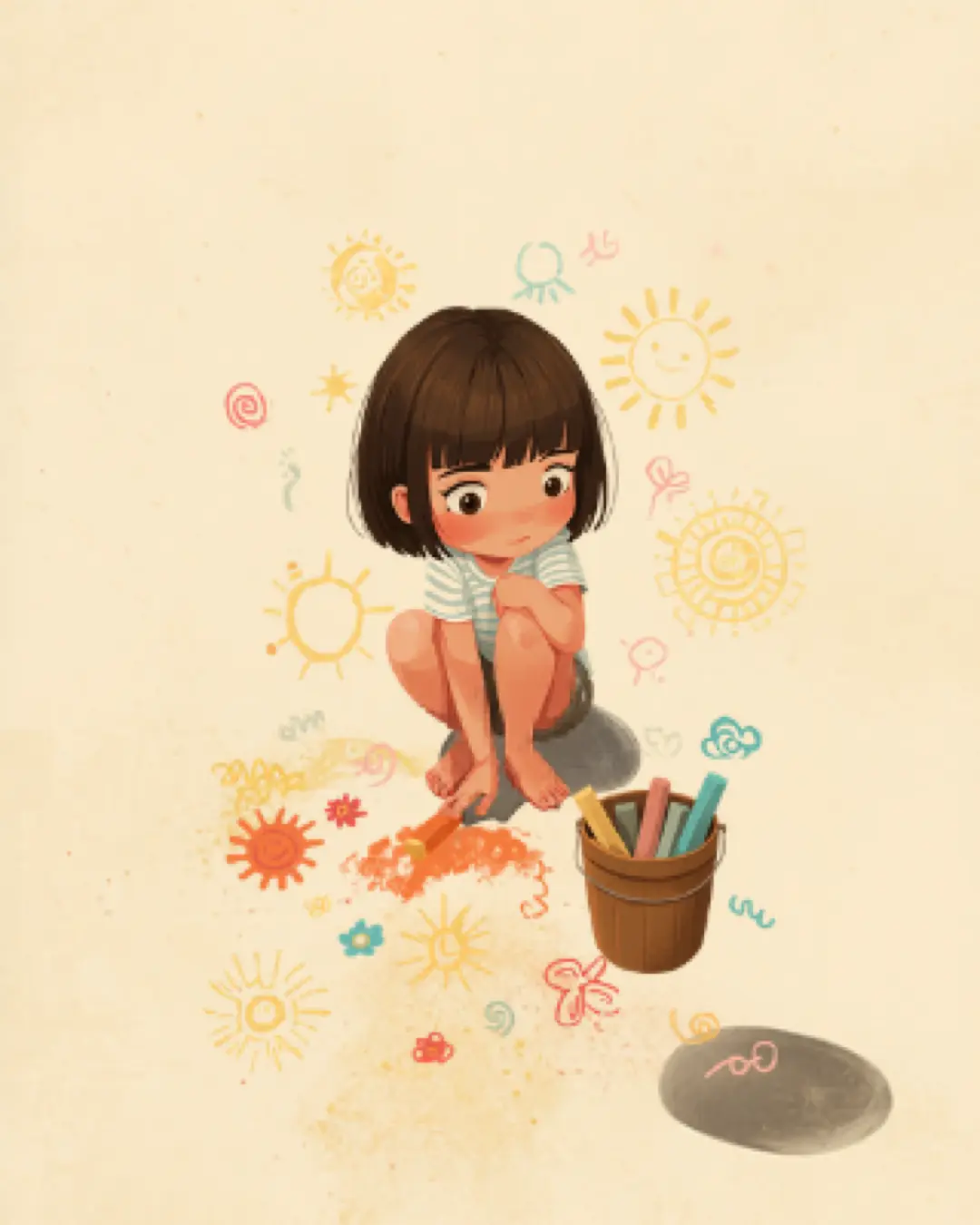
Create new characters by combining features from different animals, people, and creatures.
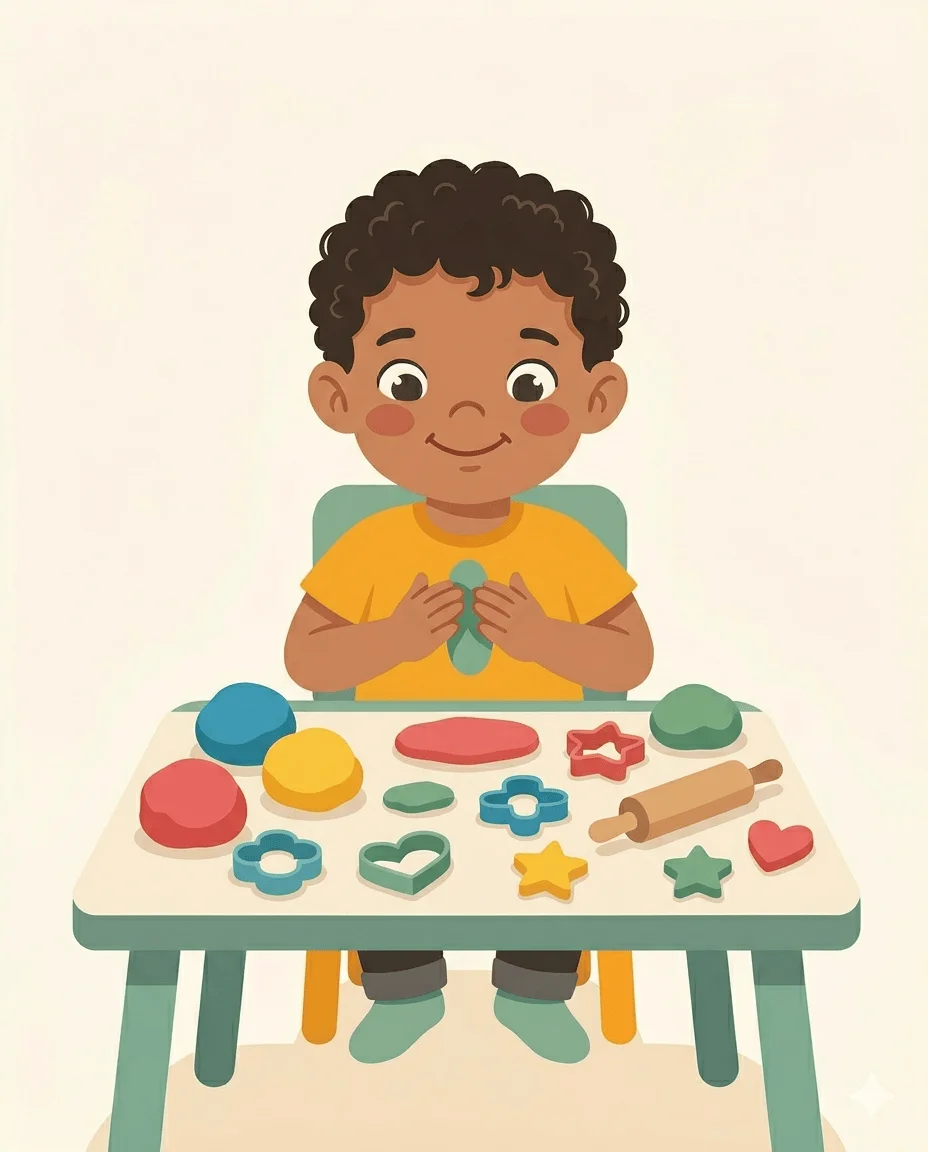
Set an imaginative building challenge with whatever materials are available and let your child's vision lead.
Make up brand-new silly rhymes together to tune little ears to the sounds of language.
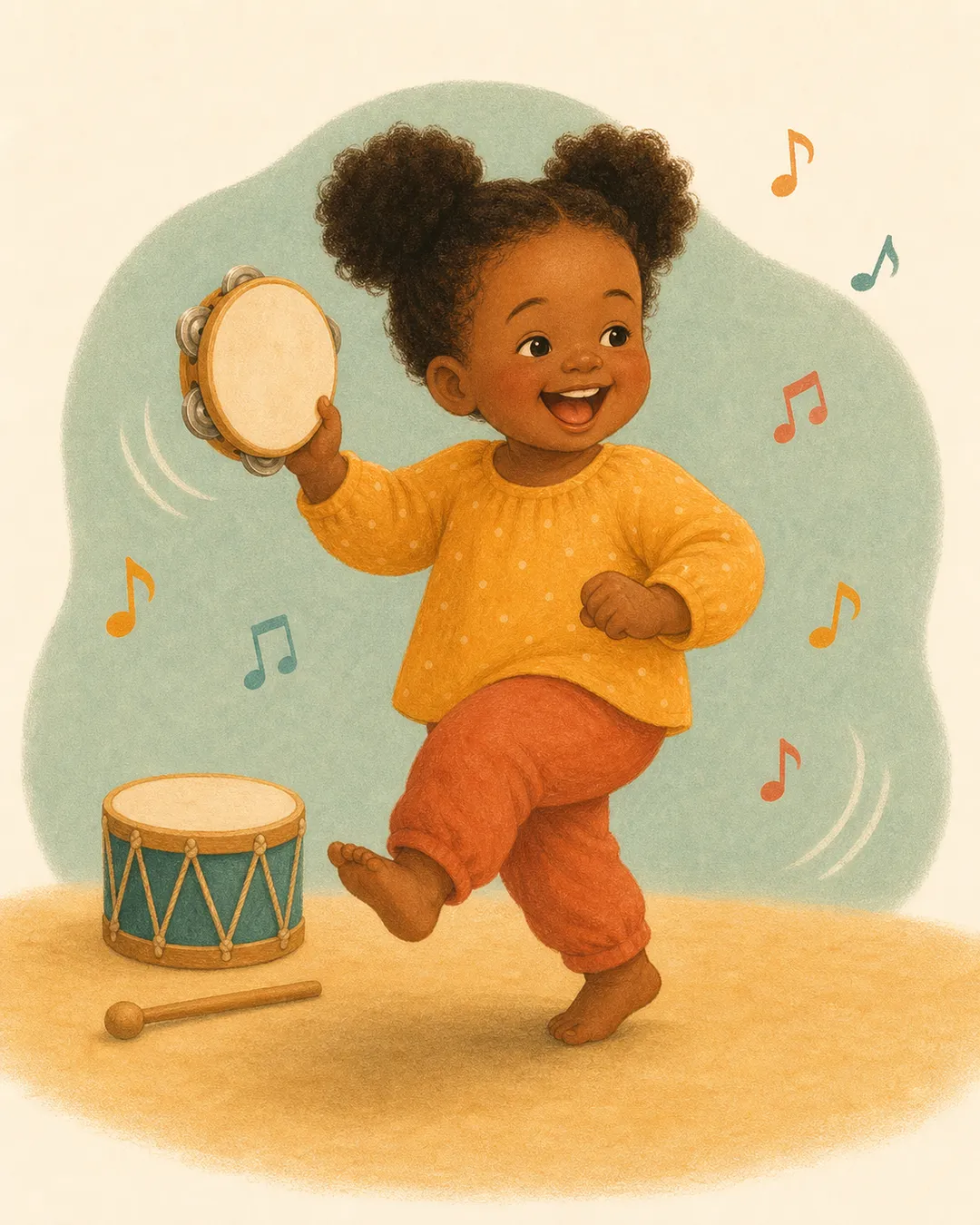
Build a short story together using homemade sound effects to bring each moment to life.
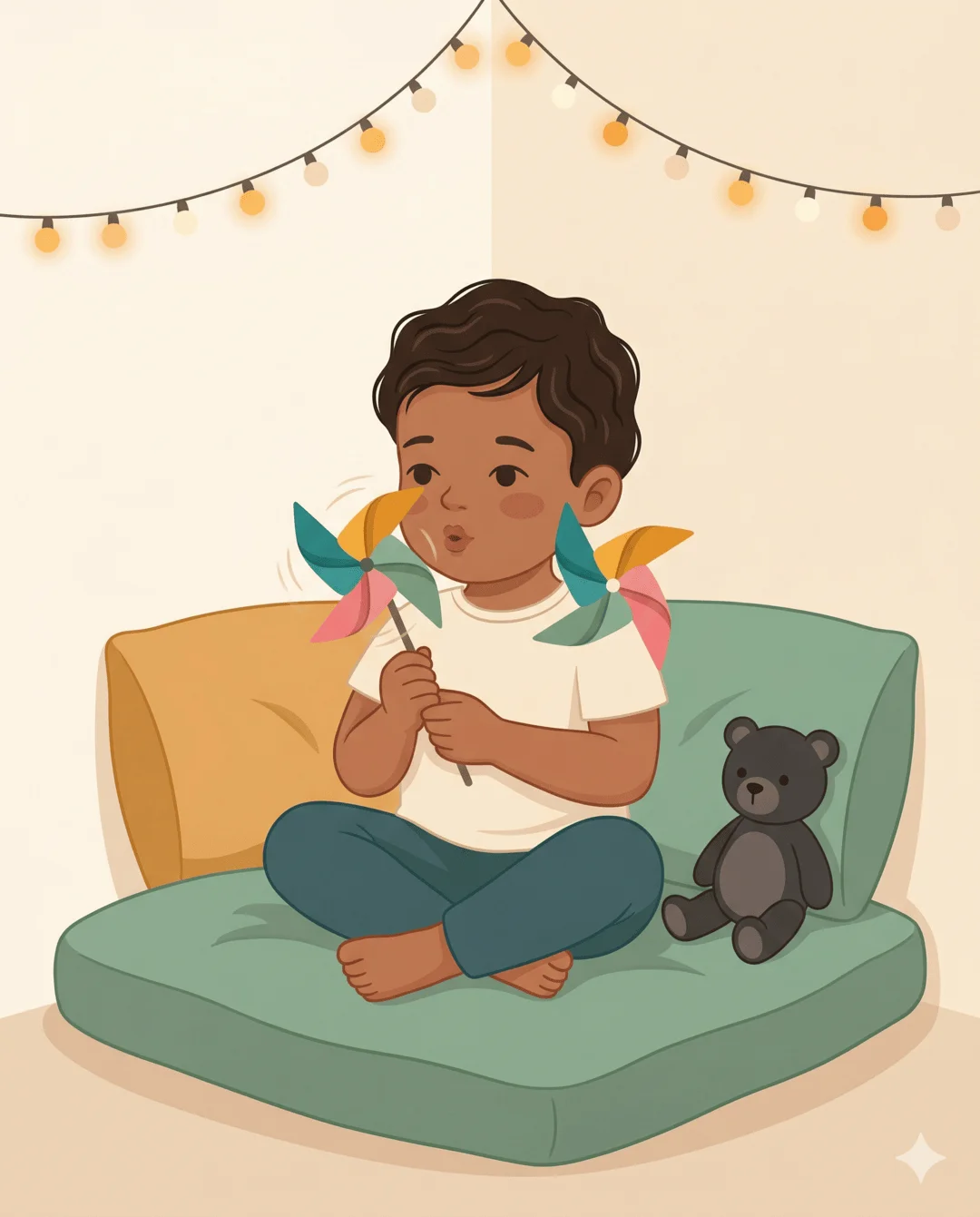
Retell a familiar story with new characters, settings, or endings to stretch language and imagination.
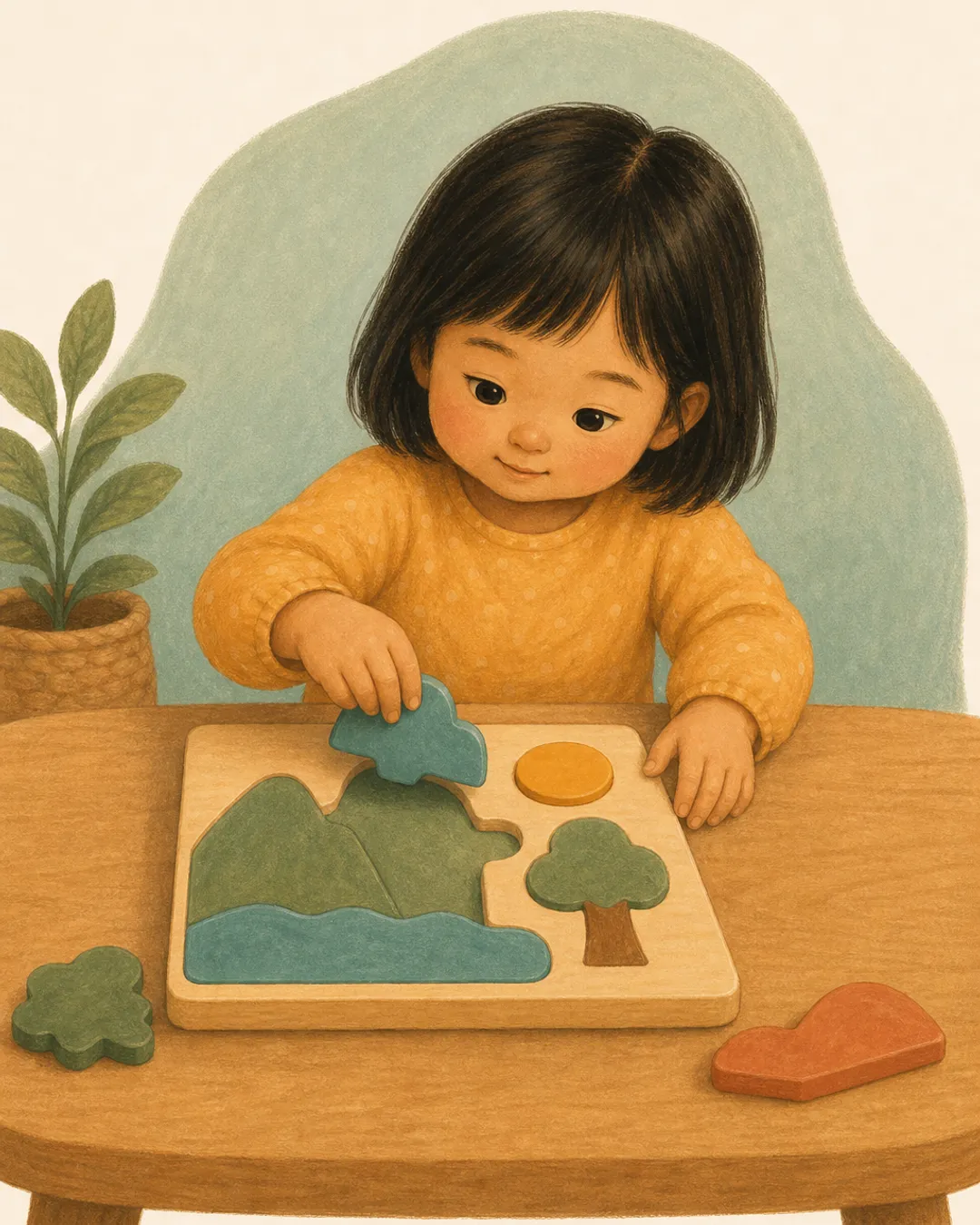
Pose imaginative hypothetical questions to spark flexible thinking and verbal reasoning.
Showing 8 of 8 activities
Creativity in toddlers includes imaginative play, art expression, music exploration, and pretend scenarios. It shows up when a cardboard box becomes a spaceship, scribbles become ‘a story,’ or a stuffed animal gets fed imaginary food.
Look for open-ended play: making up songs, assigning roles to toys, drawing or painting without a specific goal, or finding unexpected uses for everyday objects. The process matters more than the product — creativity is about exploration, not a finished piece.
Offer open-ended materials (crayons, paint, boxes, fabric, playdough) without dictating what to make. Resist the urge to correct or improve their work. Join their pretend play on their terms. The best way to nurture toddler creativity is to remove the concept of a ‘right answer.’
One email a week with age-appropriate activities, developmental tips, and practical play ideas. No spam, unsubscribe any time.