At a glance: Develops new fears around darkness, shadows, or being alone at night. This is a normal part of toddler development. See practical steps and related activities below.
Built by a parent of toddlersDesigned for common toddler moments across 1 to 4 years (12–48 months)
Field-tested ideas shaped by direct parenting experience and guidance from reputable sources including the NHS, NSPCC, and Zero to Three.
Try this first
Take the fear seriously. “There’s nothing there” makes it bigger, not smaller.
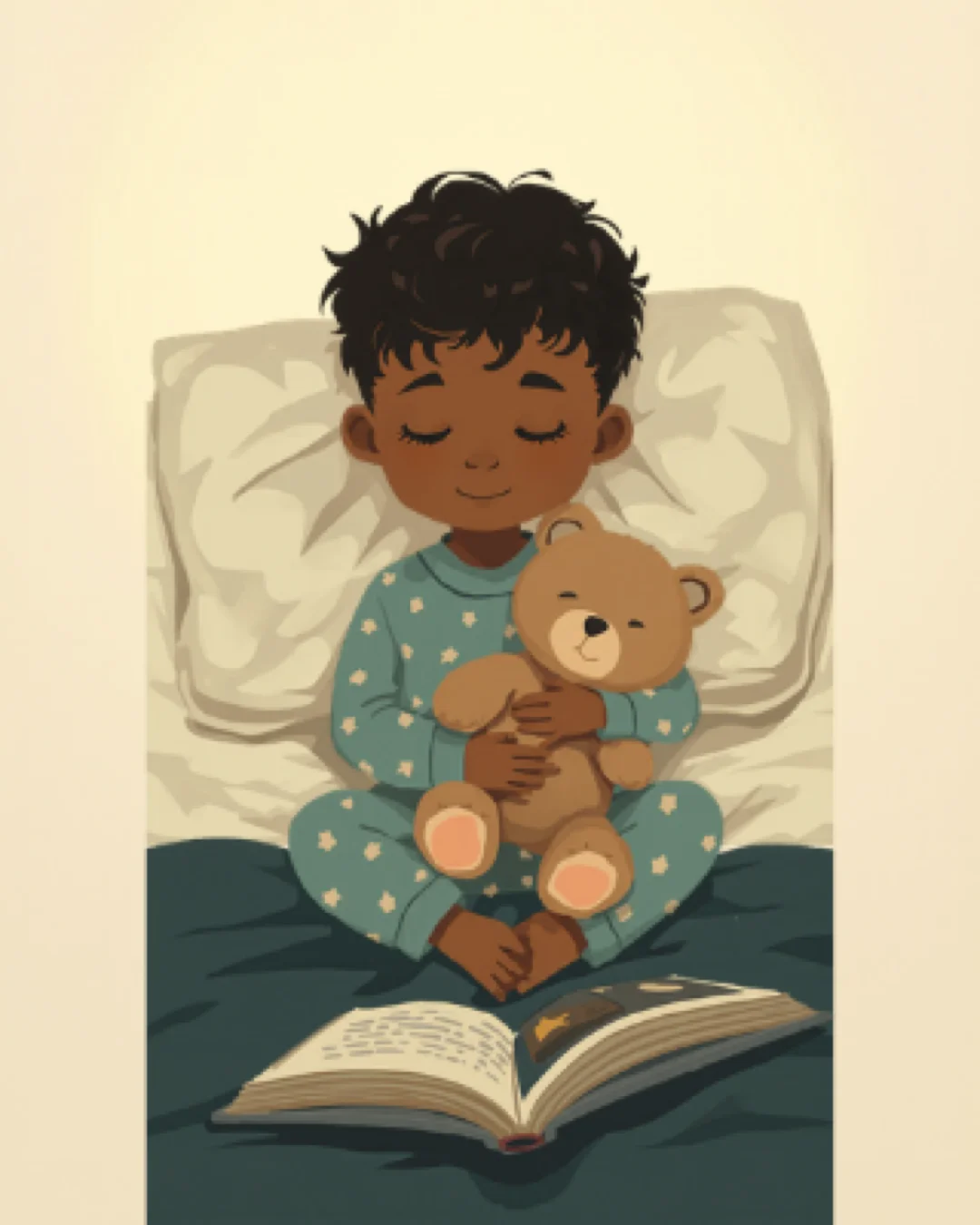
Let them choose a soft nightlight and a comfort object. Agency in the dark is its own comfort.
Do a calm check together at lights-out: under the bed, in the wardrobe, all clear.
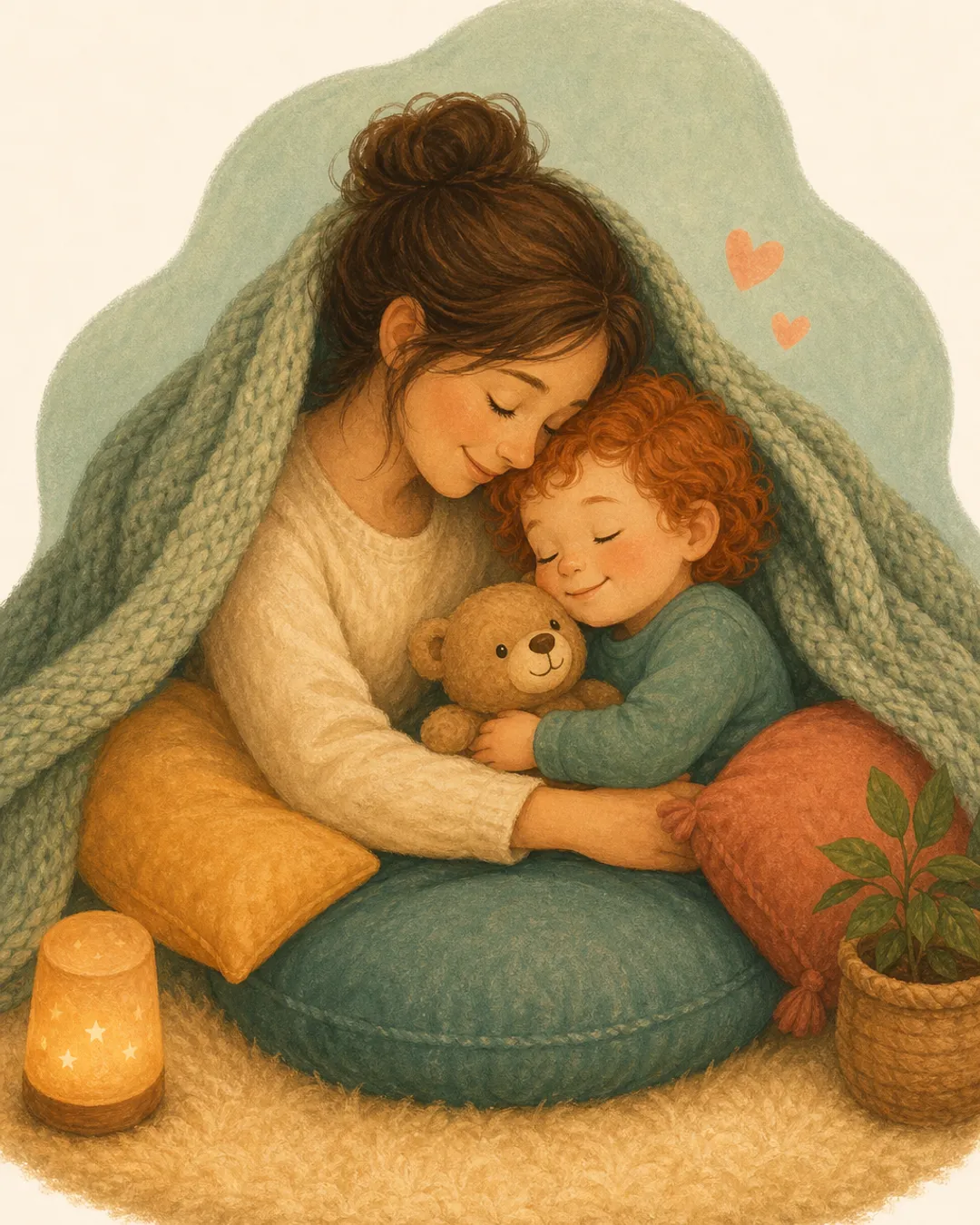
Stay close a few minutes. Leaving while they’re panicking wires fear to bedtime.
Why this works
Use a warm nightlight — it reduces darkness without disrupting sleep. Validate the feeling calmly: "I understand the dark feels scary. You are safe." Talking with your child about their anxieties and being sympathetic is the foundation that everything else sits on. Create a "brave" ritual: a special goodnight phrase, a guardian teddy, or "monster spray" (lavender water in a spray bottle) if your child finds it reassuring. Talk about fears during the daytime when they're calm, not at bedtime when they're already anxious. Read books about nighttime that normalise darkness (Can't You Sleep, Little Bear? is a classic). Keep the bedtime routine consistent and calm. If fears persist for weeks and seriously disrupt sleep, talk to your GP or health visitor — most childhood fears resolve naturally with patience.
Many toddler behaviour spikes come from hunger, tiredness, transitions, or a mismatch between big feelings and limited language. The goal is regulation first, teaching second.
When should I worry about fear of the dark?
If this pattern feels intense, persistent, or starts affecting sleep, safety, nursery, or family routines, it’s worth speaking to a professional. Your health visitor or GP can discuss your concerns and refer you to specialist support if needed. The NSPCC helpline (0808 800 5000) also offers free, confidential advice on any child behaviour concern.
More on this moment
When to use this guide
Use this when your child is anxious about darkness, shadows, or being alone at bedtime, and it is affecting their sleep or your evening routine.
When to step back
If your child has experienced a trauma or the fear is sudden and extreme, seek support from your health visitor or GP before using play-based strategies alone.
What success looks like
Your child tolerates a dimmer room, asks for their comfort object instead of screaming, or falls asleep without you lying next to them.
What to try first
During daytime, play with torches and shadows together. Let your child control the light. Darkness feels less scary when they have explored it on their own terms.
Between 2 and 4, imagination develops faster than rational thinking. Toddlers can now conjure monsters, ghosts, and "scary things" but lack the cognitive tools to reason them away. Darkness removes the visual information they depend on to feel safe, and imagination rushes in to fill the gap. These fears often show up at bedtime, when separation anxiety is already high and the day's stimulation is catching up with them. The AAP frames a fear of being alone in the dark as one of the most common childhood fears, and emphasises that occasional fears like this are completely normal through early childhood. Importantly, this is a sign of healthy cognitive development — your child's brain is growing the imaginative capacity it needs for storytelling, problem-solving, and empathy.
What should I avoid during fear of the dark?
Don't dismiss the fear ("There's nothing to be scared of") — it feels very real to them, and dismissal breaks trust. Don't belittle or ridicule what scares them. Don't check under the bed or inside wardrobes "to prove nothing is there" — it inadvertently validates that something could be. Don't pressure your child to "be brave" — fears at this age need time to settle, not bravery on demand. Don't use darkness as punishment ("Go to your room"). Don't expose them to scary content, even mildly scary TV — toddlers can't reliably tell fiction from reality.
Every child is different, and progress isn’t always steady. With a calm, consistent response and a little time, many families find things gradually ease. A brief wobble — or a patch where it feels harder — is usually part of the process, not a sign you’re doing anything wrong.
Get weekly tips for tough toddler moments
One email a week with practical behaviour tips, calming activities, and developmental insights. No spam, unsubscribe any time.