
TinyStepper

Rhyme Pairs Hunt

At a glance: Find pairs of objects around the home that rhyme to build phonological awareness in a playful way. A 15-minute, medium-energy indoor activity for ages 2y4y. No prep needed.

Built by a parent of toddlersBest for 2y-4y

Field-tested ideas shaped by direct parenting experience and advice from reputable sources, including NHS Best Start in Life and NSPCC child development research.

2y4y15 minsmedium energyindoornone messNo prep

Walk around the house together collecting objects whose names rhyme: a sock and a block, a cup and a pup toy, a ring and string. Lay them in pairs on the floor and say each pair aloud, emphasising the matching sound. Let your child help sort and pair them, and celebrate when they spot a rhyme you missed. This scavenger-style game makes phonology physical and fun — the auditory pattern becomes linked to real objects, strengthening the phoneme-grapheme awareness that underpins decoding.

Best for this moment

when your toddler needs focused engagement, especially when you need an indoor option.

Parent tip

Start before you overthink it. No-prep activities work best when you begin while the moment is still recoverable.
What success looks like

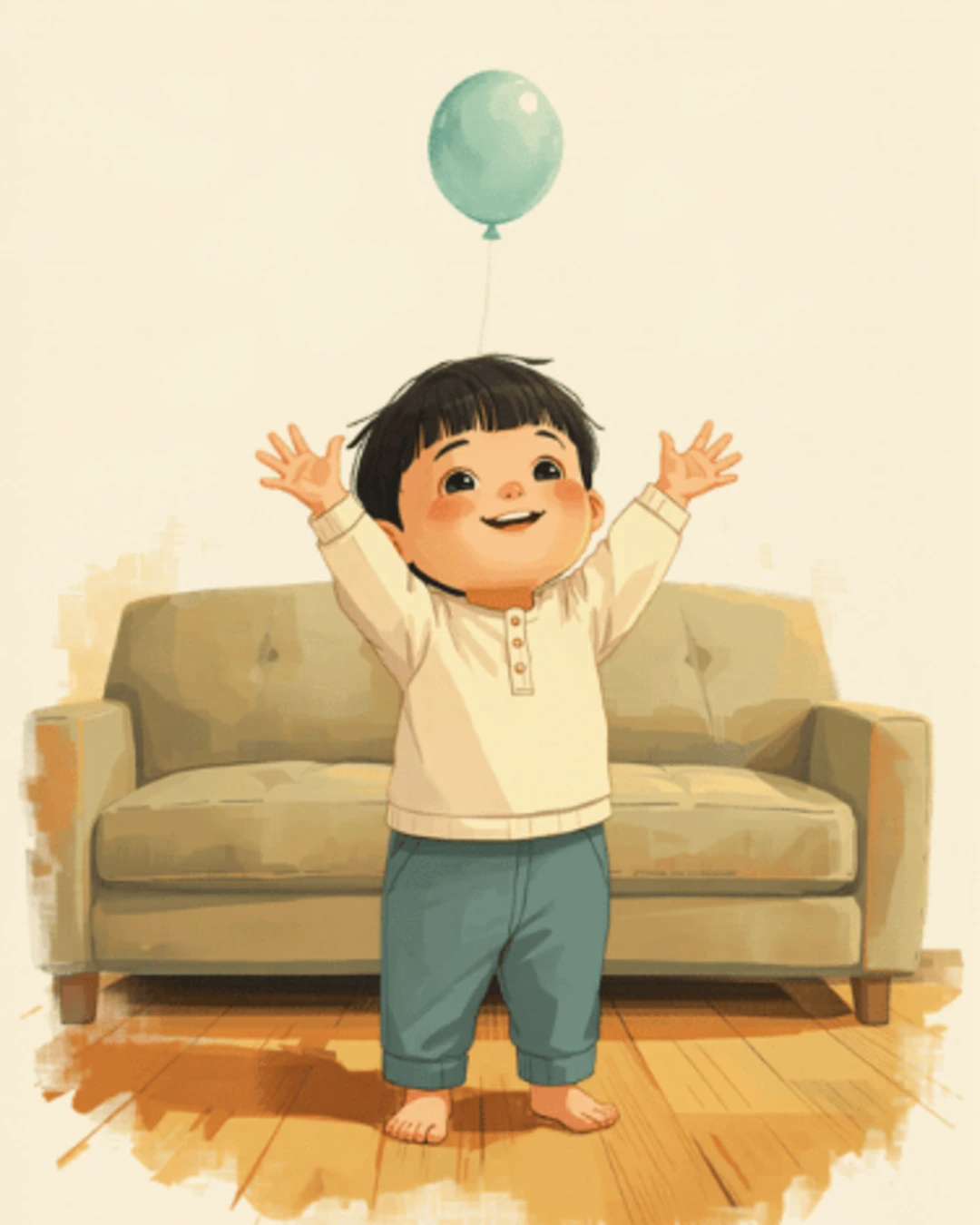
A good outcome is a few minutes of engaged play, some back-and-forth with you, and a small sign of progress in early literacy.

More help for this situation

Instructions

Get ready
  • Introduce the concept: say two rhyming words and ask your child what they notice (they sound the same at the end).
  • Model finding the first pair around the house: "Sock — block. They rhyme!"
  1. Introduce the concept: say two rhyming words and ask your child what they notice (they sound the same at the end).
  2. Model finding the first pair around the house: "Sock — block. They rhyme!"
  3. Send your child off to find something that rhymes with a word you give them.
  4. Meet back after each find and say the pair together out loud.
  5. Lay pairs neatly on the floor as you go.
  6. Aim for five pairs total.
  7. At the end, point to each pair and recite them together in a little chant.
  8. See if you can invent a silly sentence using both words in each pair.

Why it helps

Rhyme detection is one of the earliest emerging phonological awareness skills and a strong predictor of later reading ability (Bryant et al., 1990). Making the search physical and object-based means children encode the auditory pattern alongside a tactile and visual memory, creating richer neural connections. The game format produces repeated exposure to rhyme in a low-pressure, enjoyable context — exactly the conditions under which phonological skills consolidate best.

Variations

  • Use picture cards or magazine cut-outs instead of real objects.
  • Challenge yourselves to find five pairs in five minutes.
  • Introduce nonsense rhymes: "cat" pairs with "zat" — nonsense words count!

Safety tips

  • Check all collected objects are safe to handle and non-breakable.
  • Avoid small objects that could be swallowed.
  • Return all collected objects to their places when finished — items from different rooms can cause confusion later.

When to pause and seek extra support

Stop if your child becomes distressed, unsafe, or consistently frustrated by the activity. If play, behaviour, or development worries keep showing up across settings, check in with a qualified professional.

Get weekly activity ideas for your toddler

One email a week with practical toddler activities, behaviour tips, and developmental insights. No spam, unsubscribe any time.