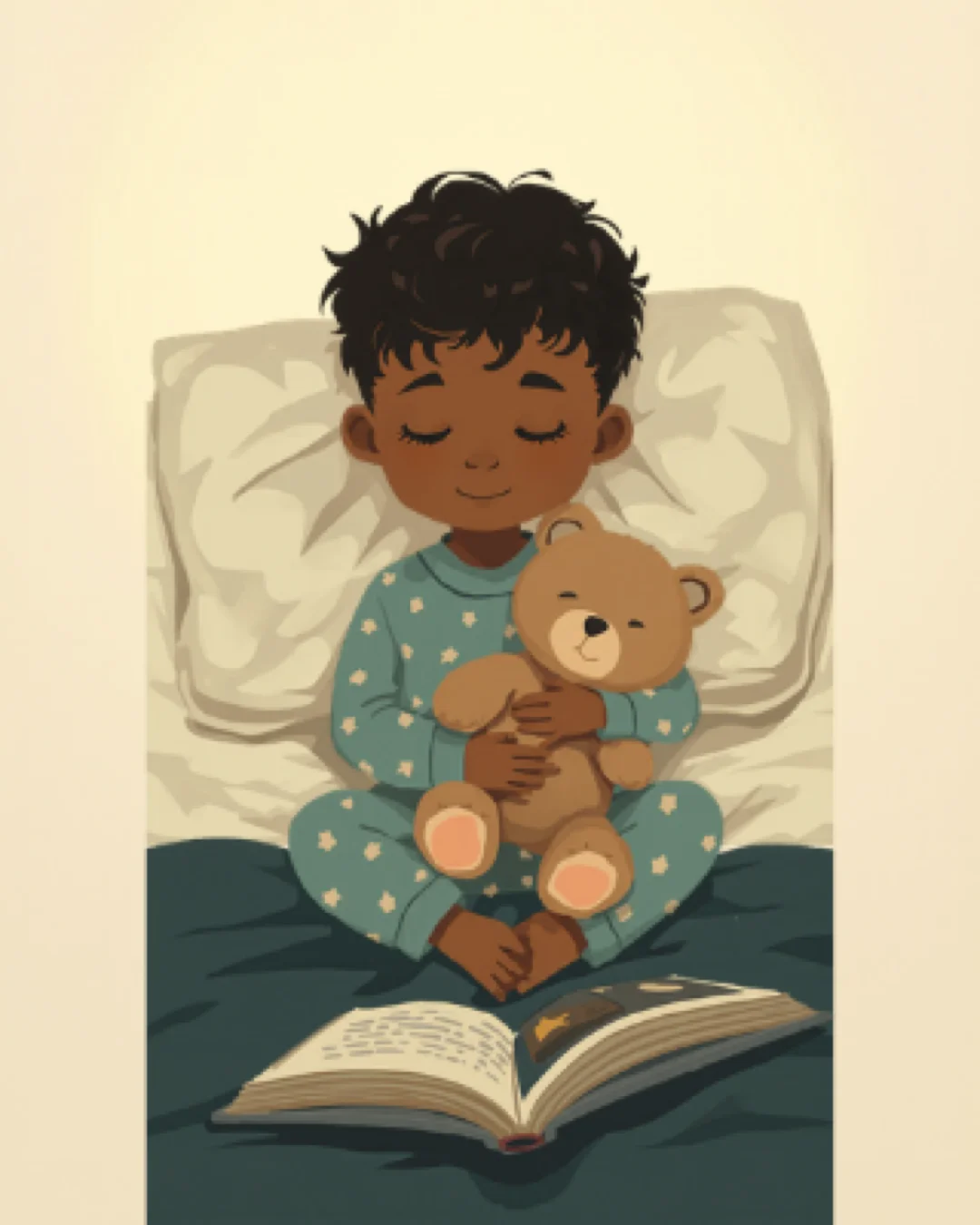
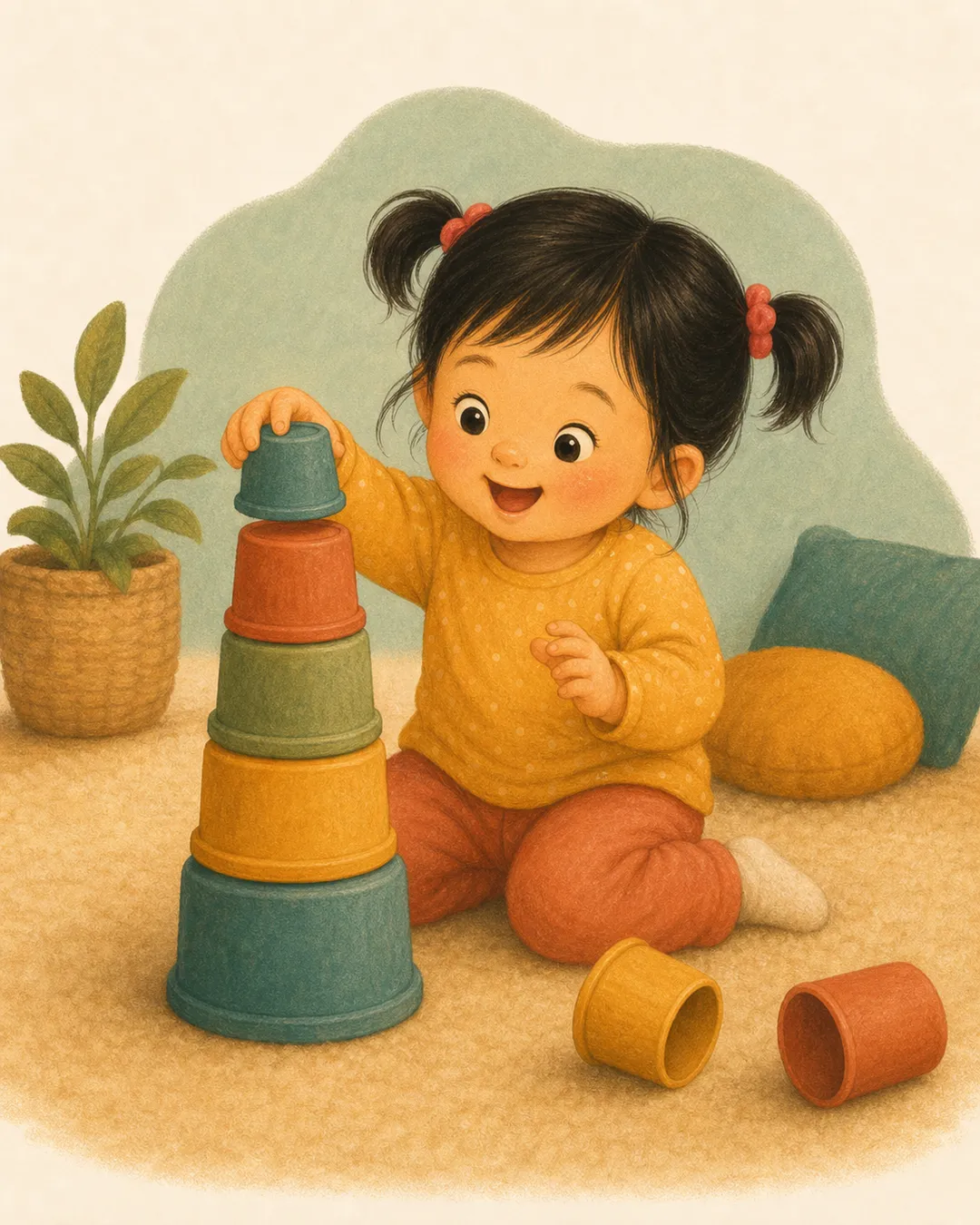
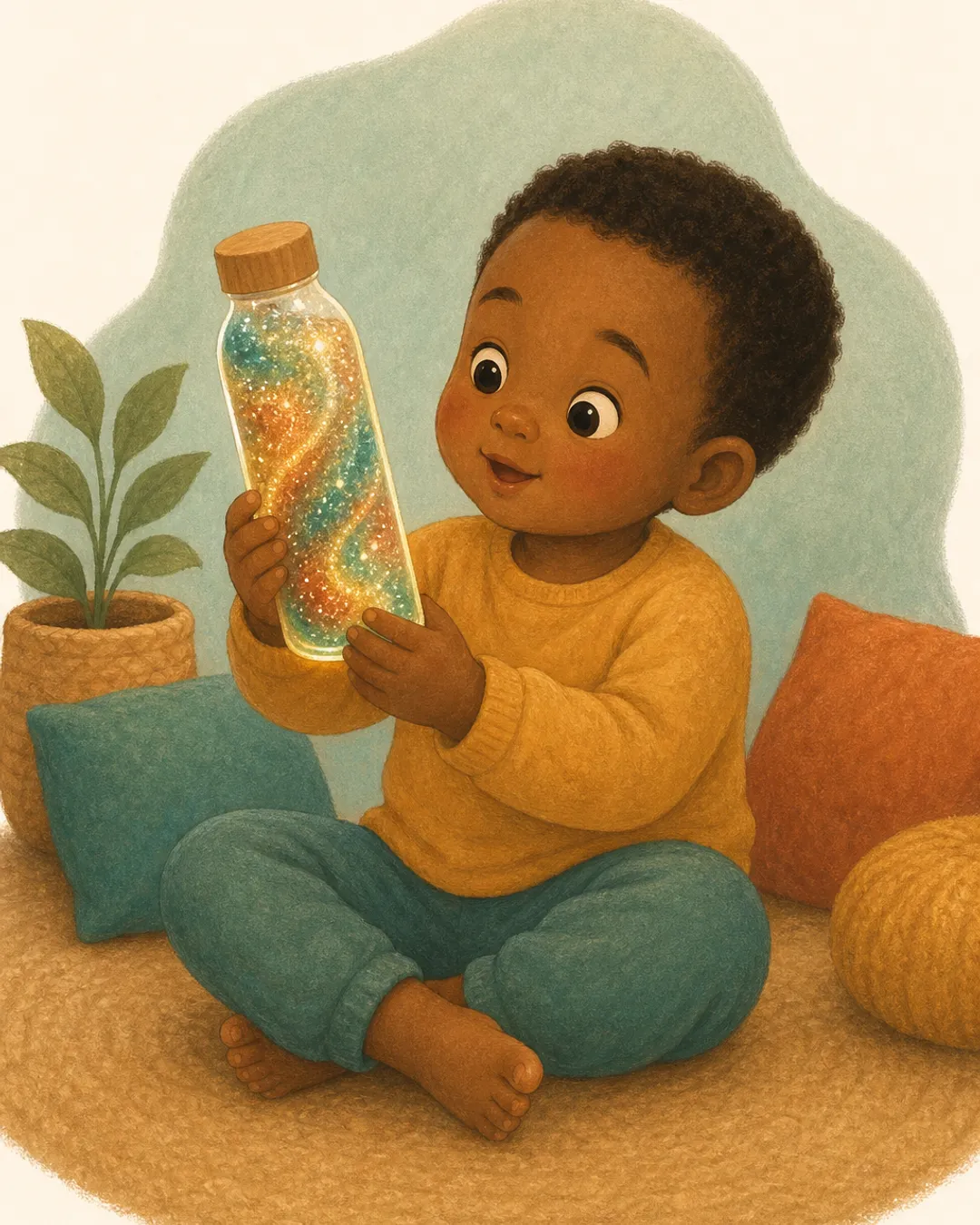
At a glance: Fighting over toys, attention, or space with siblings. This is a normal part of toddler development. See practical steps and related activities below.
Built by a parent of toddlersDesigned for common toddler moments across 1 to 4 years (12–48 months)
Field-tested ideas shaped by direct parenting experience and guidance from reputable sources including the NHS, NSPCC, and Zero to Three.
Try this first
Keep bodies safe first — separate if teeth or nails are out. Emotions wait; injuries can’t.
Don’t pick a winner. Name both sides: “you wanted the red cup. You had it first.”
Give each child a moment of undivided attention alone. Conflict often spikes when they’re competing for you.
Teach phrases, don’t enforce them: “say ‘I’m using that.’” Words take time to land.
Why this works
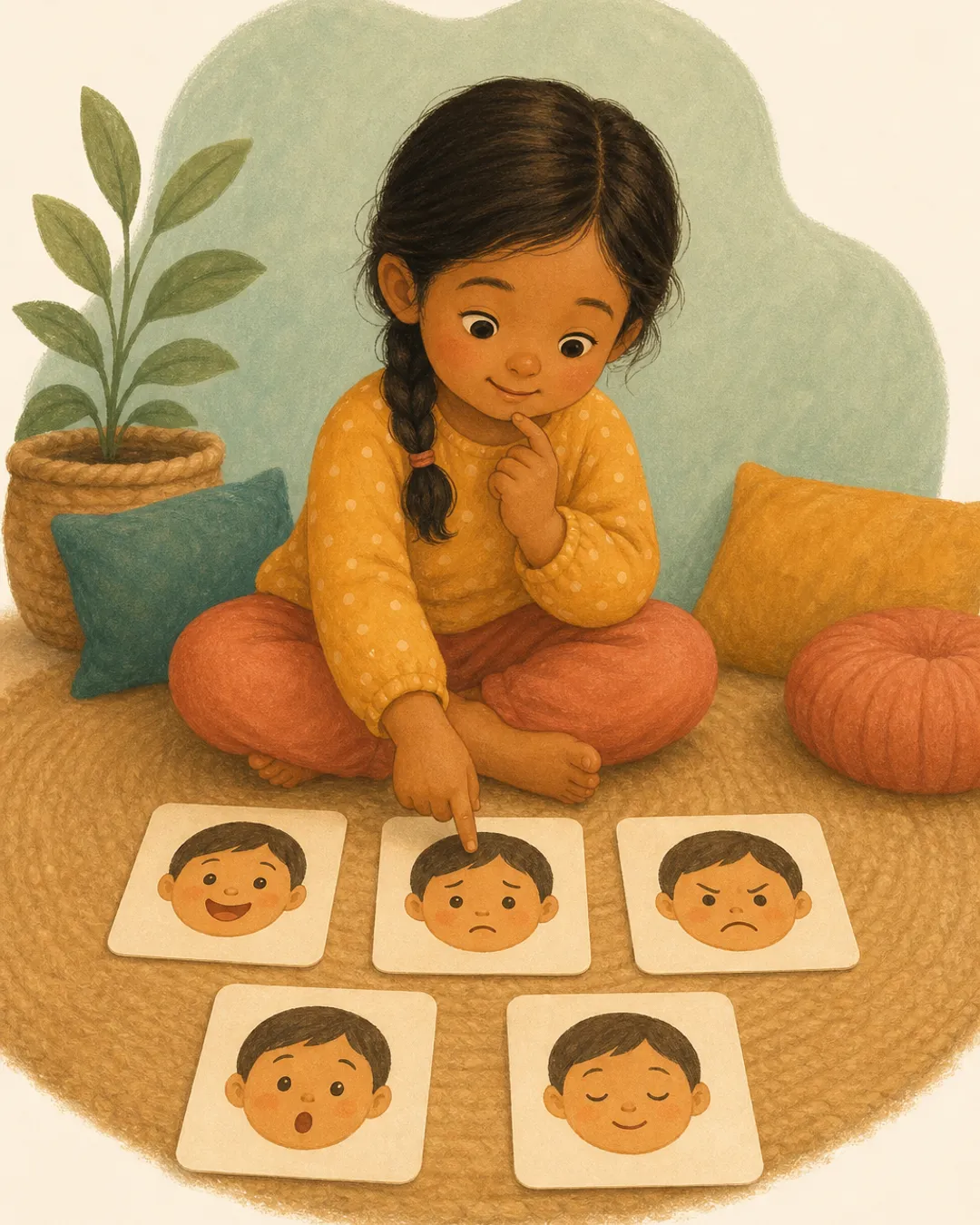
Teach turn-taking with timers for shared toys — a visible timer is more effective than a verbal countdown. Create "special toy" rules: favourite items don't have to be shared, and putting them away before play prevents most flashpoints. Give individual one-on-one attention to each child daily, even if it's only ten minutes. Set up parallel play activities where siblings play near, not together — proximity without forced collaboration. Teach emotion words and reading faces explicitly. Intervene before escalation: distract, redirect, or briefly separate. Catch them being kind and narrate it specifically ("You gave your sister a block — look at her smile"). Keep duplicates of high-demand toys when possible, and don't underestimate how much sibling arguments shrink when there's a second one of everything.
Many toddler behaviour spikes come from hunger, tiredness, transitions, or a mismatch between big feelings and limited language. The goal is regulation first, teaching second.
When should I worry about sibling conflict?
If this pattern feels intense, persistent, or starts affecting sleep, safety, nursery, or family routines, it’s worth speaking to a professional. Your health visitor or GP can discuss your concerns and refer you to specialist support if needed. The NSPCC helpline (0808 800 5000) also offers free, confidential advice on any child behaviour concern.
Why does sibling conflict happen?
Toddlers are egocentric — they genuinely don't understand others' perspectives yet. Sharing requires impulse control and delayed gratification they don't have. Competition for parent attention is biological. The American Academy of Pediatrics frames this clearly: "sibling rivalry is a natural part of growing up. No matter how hard you try to keep the peace, your children are likely to fight over toys, tattle on one another, and tease and criticize each other." Different developmental stages create mismatched play styles between siblings — what feels fun to a 3-year-old can feel destructive to an 18-month-old. Proximity plus limited resources plus emerging emotional regulation equals predictable conflict. None of this is bad parenting, and none of it means your children won't get on as they grow.
What should I avoid during sibling conflict?
Don't expect them to "work it out" independently — at toddler ages they need active coaching, not impartial refereeing. Avoid taking sides or determining who's "right" — the AAP advises that "while you may have to help younger children find ways to settle their differences, do not take sides." Don't force sharing of comfort objects or special toys. Don't compare siblings ("Why can't you be nice like your brother?") — comparison breeds resentment, not cooperation. The AAP notes that "treating your children differently doesn't mean you are playing favorites — it's a way of showing that you appreciate how special they are." Don't ignore conflict hoping it'll resolve itself — toddlers genuinely lack the skills to find resolution alone.
Every child is different, and progress isn’t always steady. With a calm, consistent response and a little time, many families find things gradually ease. A brief wobble — or a patch where it feels harder — is usually part of the process, not a sign you’re doing anything wrong.
Get weekly tips for tough toddler moments
One email a week with practical behaviour tips, calming activities, and developmental insights. No spam, unsubscribe any time.