
Why this skill matters
Each skill area supports everyday confidence, communication, and play. Growth here often shows up as small, repeated gains rather than sudden leaps.
At a glance: Sharing, turn-taking, parallel and cooperative play, empathy, and peer interaction. Watch for it when your toddler hands a toy to another child, waves hello at the park, or notices when someone is crying. These skills build gradually from playing alongside others to truly playing together, and they need plenty of gentle coaching from adults along the way. Browse 186 related activities below.

Each skill area supports everyday confidence, communication, and play. Growth here often shows up as small, repeated gains rather than sudden leaps.
Short, repeated activities usually build this skill better than one long session. Keep the challenge light and the interaction playful.
Look for slightly longer engagement, smoother coordination, or more willingness to try the skill again tomorrow.
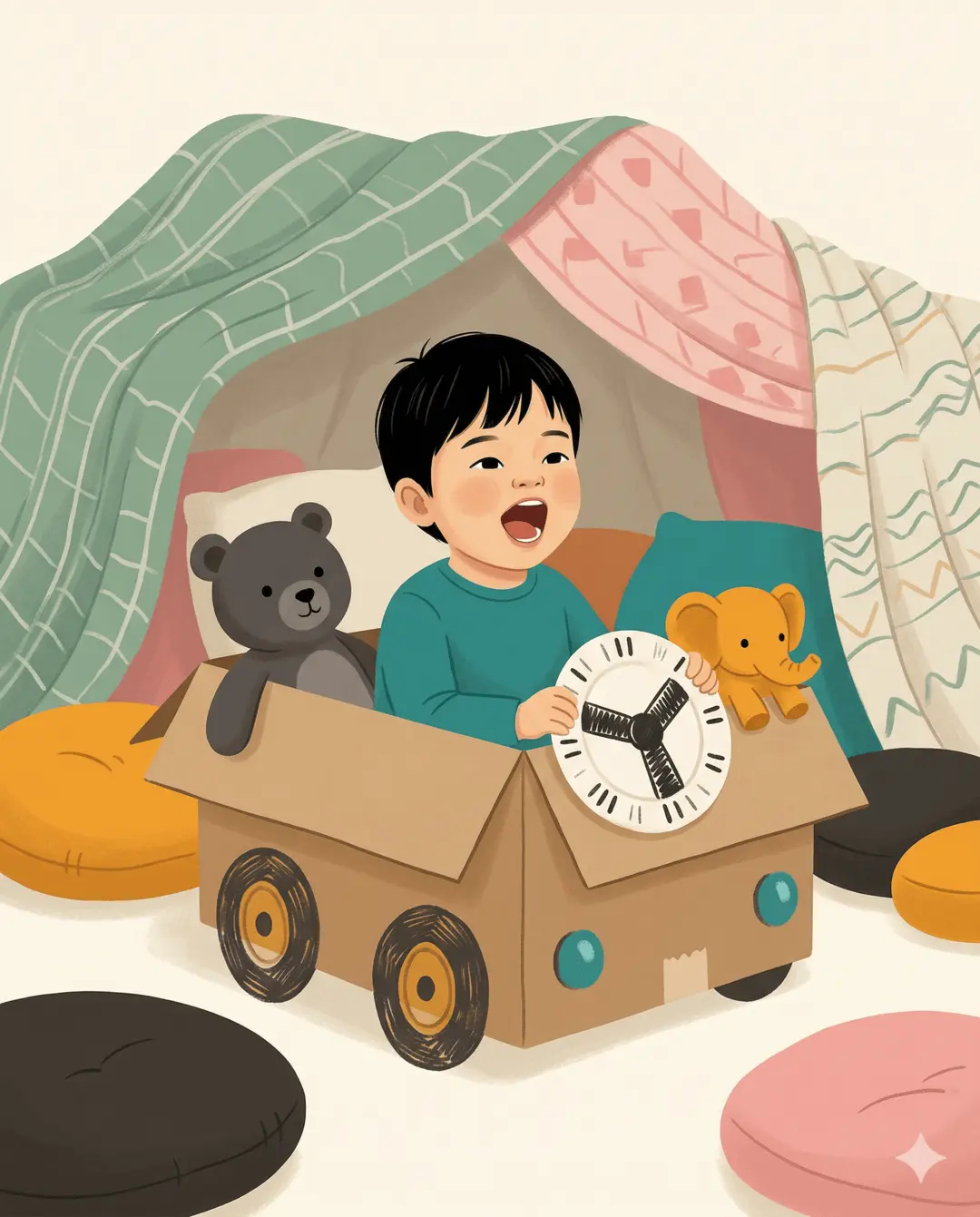
After reading a favourite story, act it out together — your child becomes the main character and relives the plot.
When your toddler says a word, you add one more — 'car' becomes 'fast car!' — gently expanding their sentences.
A playful game contrasting a drippy whining voice with a calm 'asking voice', so your toddler can actually hear the difference and reach for the clearer one instead of being told off.
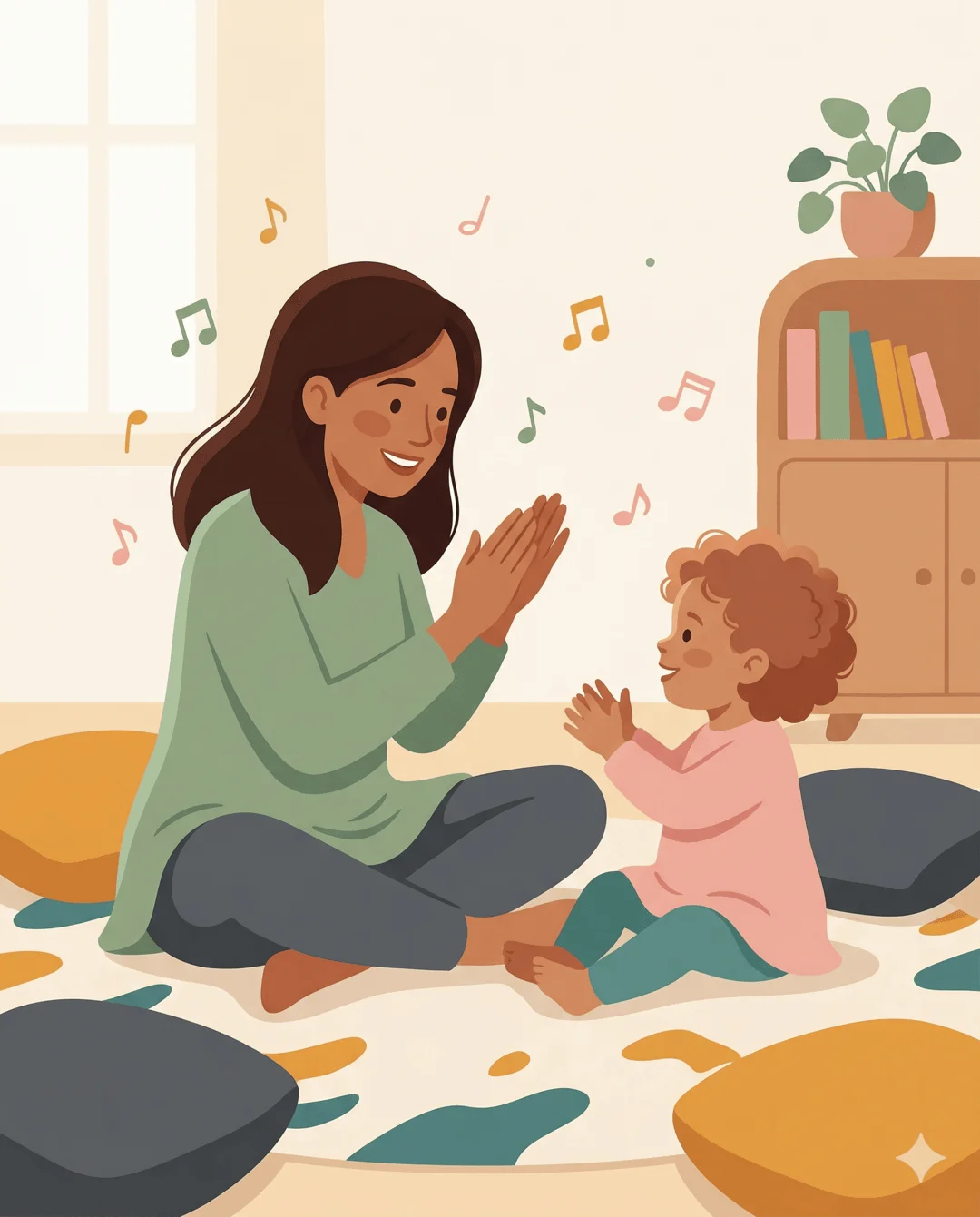
Echo your baby's babbles and extend them into real words — a conversation that builds language from the very first sounds.
Set up a little corner where your toddler looks after their own doll, feeding, cuddling, and settling it, so they can rehearse life with a new little one and feel like a capable, caring big sibling.

Siblings sit back to back and describe what they're drawing for the other to copy — building listening, communication, and giggly cooperation.
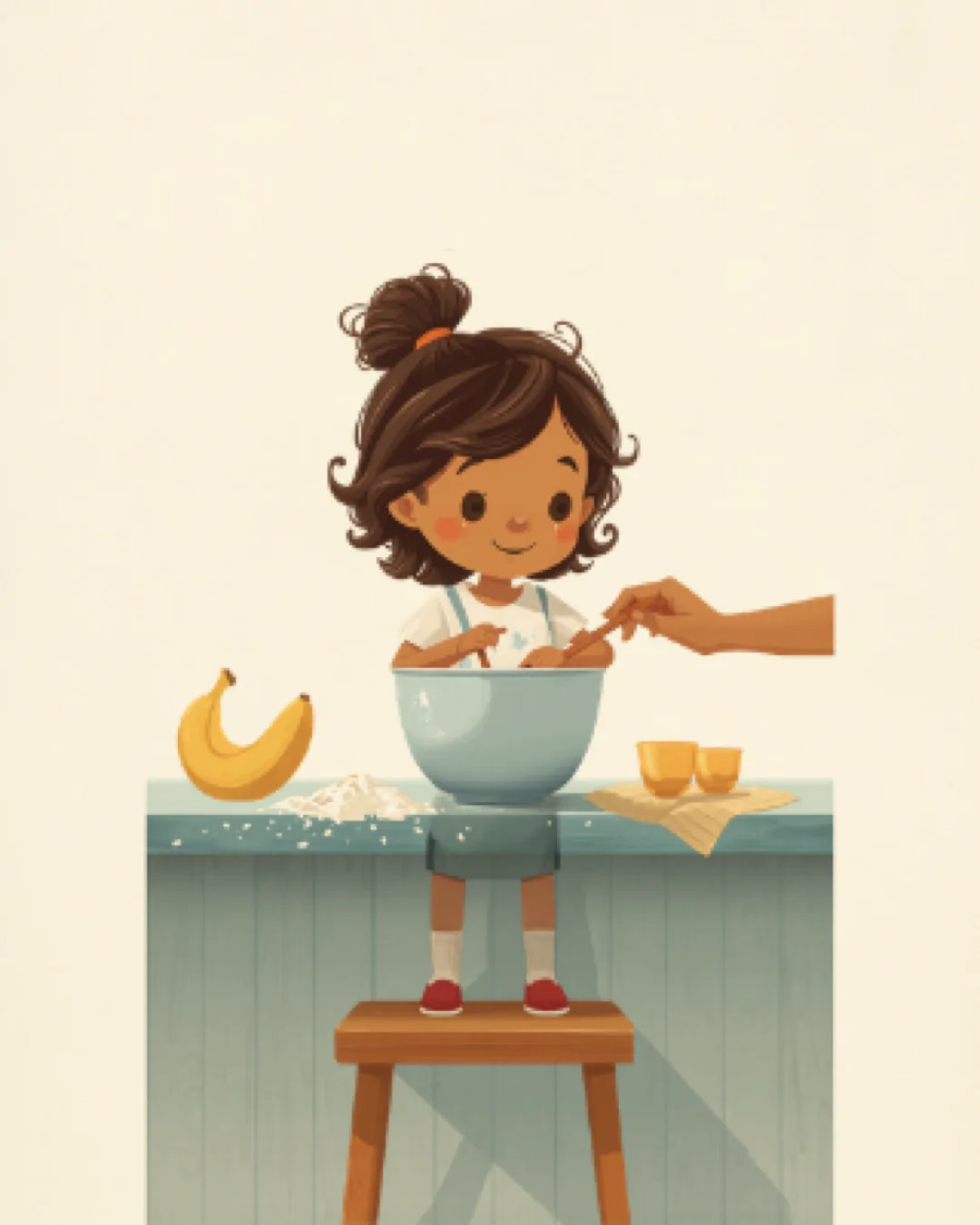
Dress up in silly combinations — backwards, inside-out, mismatched — turning clothing battles into laughter and learning.
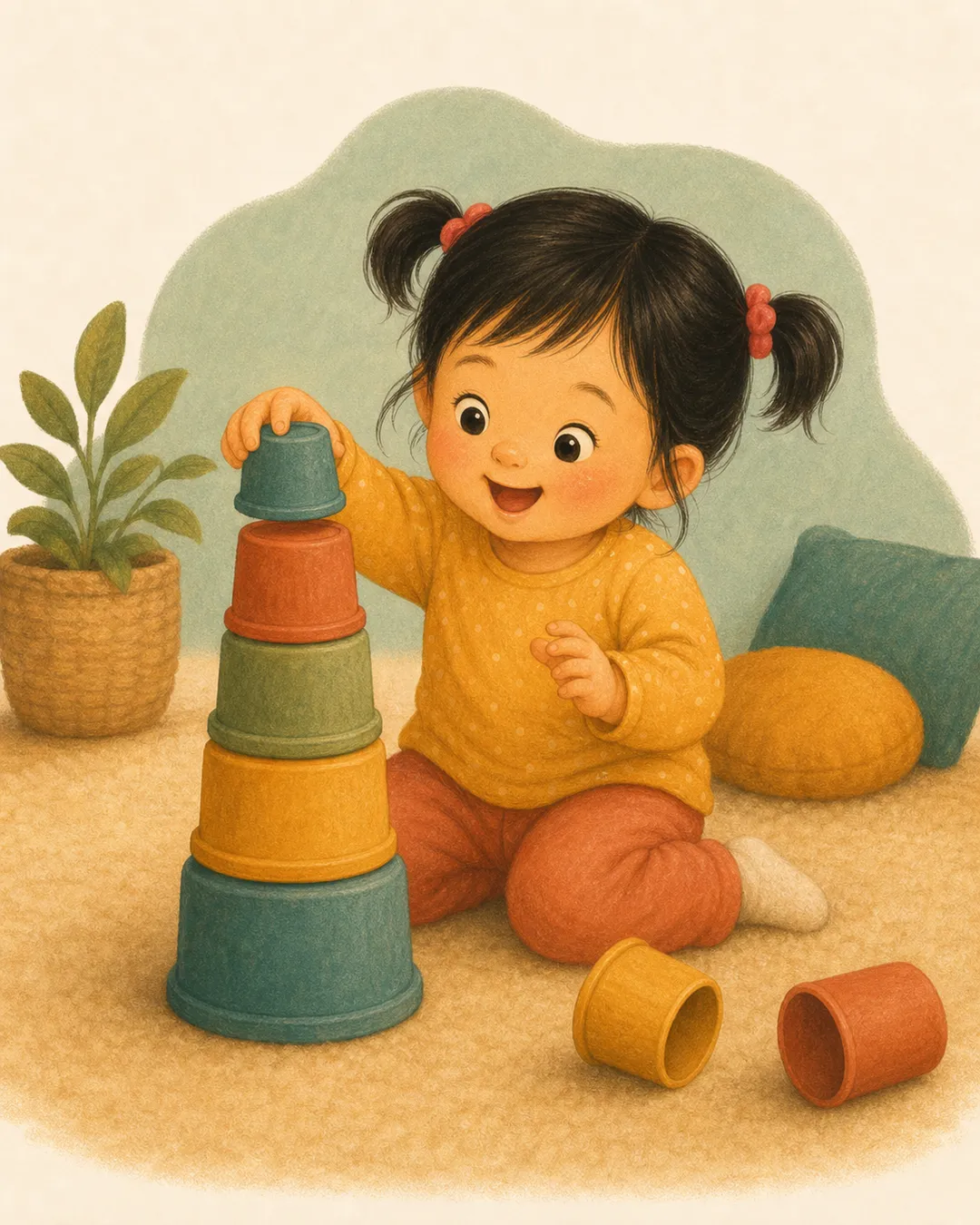
Sit facing each other and roll a ball back and forth.
Showing 8 of 183 activities
Your child shows unusual empathy — comforting a crying peer, explaining another child’s feelings, or negotiating complex play rules. They may prefer playing with older children or adults.
Create opportunities for cooperative play with same-age and mixed-age peers. Introduce games that require negotiation and perspective-taking. Model the language of compromise: ‘How could we make this work for both of you?’
A child who understands others’ feelings deeply may become overwhelmed in group settings. Advanced social cognition does not always come with the emotional stamina to manage large groups or conflict.
The NAGC emphasises that socially advanced young children benefit from facilitated play with intellectual peers, not isolation. Renzulli’s model supports collaborative problem-solving as a key enrichment strategy even in the earliest years.
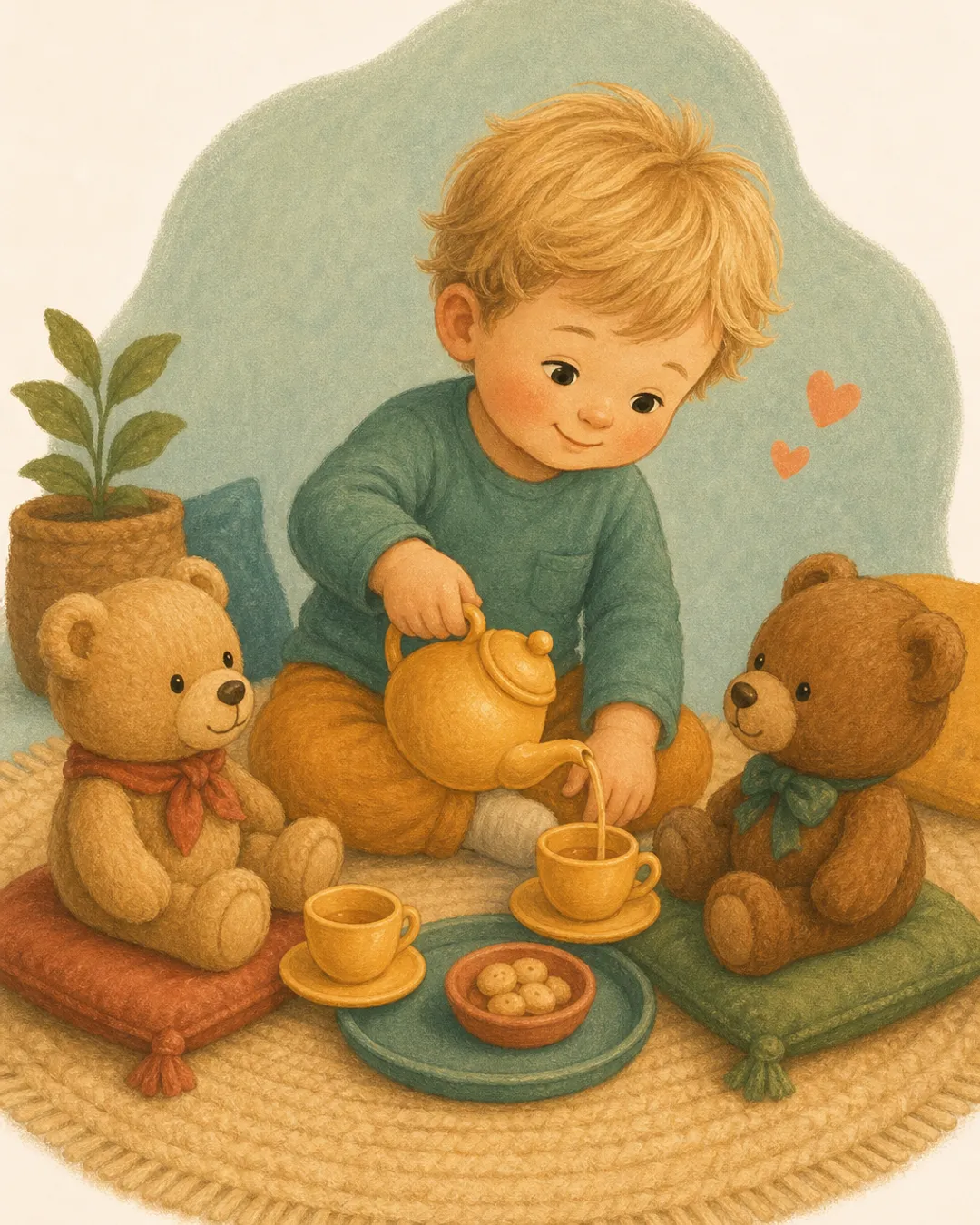
Build a story together one sentence at a time, with each person contributing the next part.
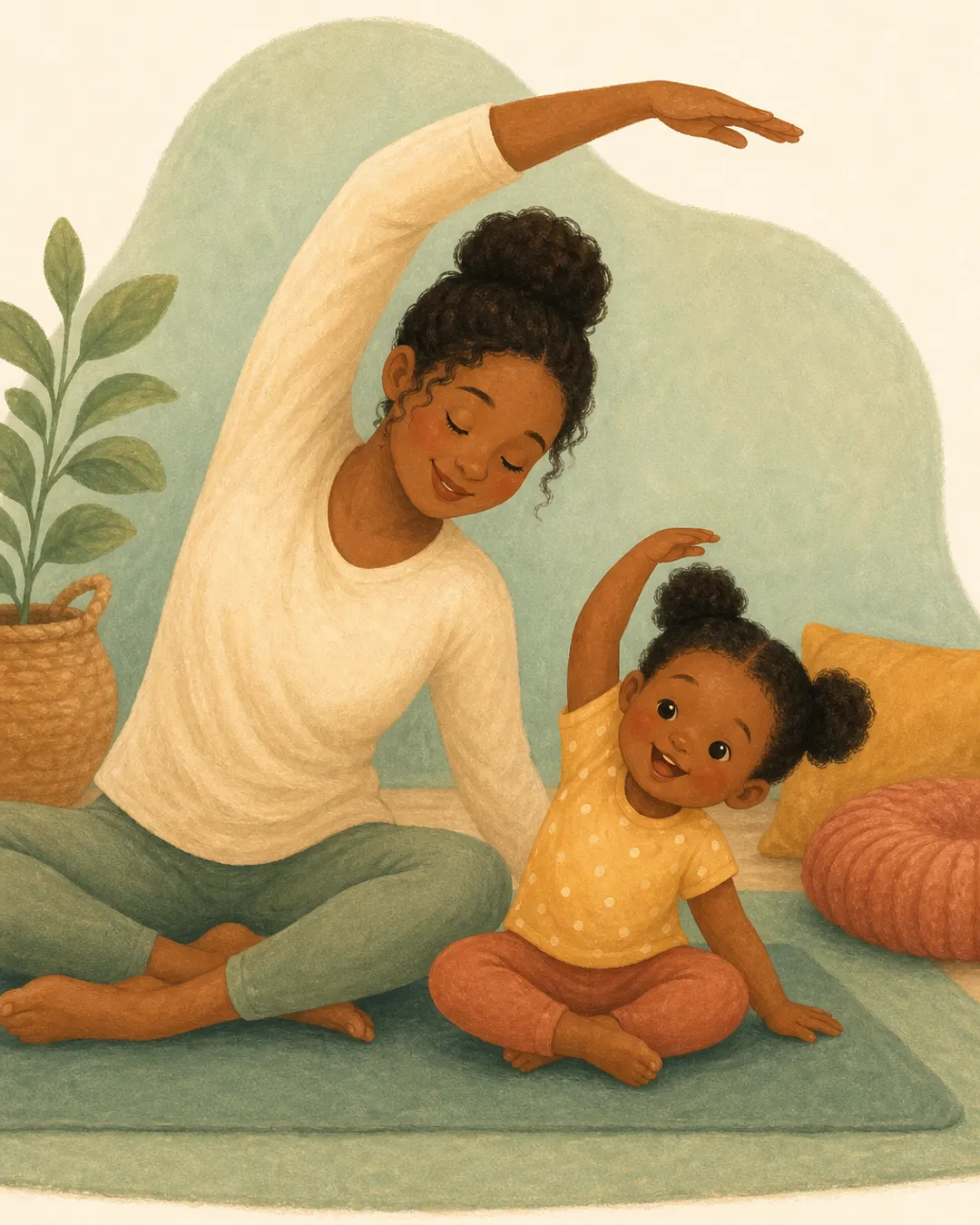
Act out emotions without words and guess what the other person is feeling to build emotional literacy.
Use simple sock puppets to act out social scenarios from different characters' points of view.
Showing 3 of 3 activities
Social skills include sharing, turn-taking, parallel and cooperative play, empathy, and peer interaction. These develop gradually from playing alongside other children to truly playing together, and they need gentle coaching from adults along the way.
Watch for handing a toy to another child, waving hello, noticing when someone is upset, or starting to take turns with support. Parallel play (playing near but not with others) is normal and healthy in the toddler years — it’s a stepping stone, not a problem.
Arrange regular low-pressure play opportunities with other children. Model social interactions yourself (‘Shall we share our biscuit?’). Use turn-taking games with timers, narrate what you see (‘She’s smiling because you gave her a turn’), and avoid forcing sharing before age 3 — it’s neurologically unrealistic.
One email a week with age-appropriate activities, developmental tips, and practical play ideas. No spam, unsubscribe any time.