
Why this skill matters
Each skill area supports everyday confidence, communication, and play. Growth here often shows up as small, repeated gains rather than sudden leaps.
At a glance: Problem-solving, memory, sorting, matching, cause-and-effect understanding, and early math concepts. This is at work when your toddler figures out how to open a container, remembers where a toy is hidden, sorts blocks by colour, or understands that pressing a button makes music play. These thinking skills grow rapidly through hands-on exploration and play. Browse 276 related activities below.

Each skill area supports everyday confidence, communication, and play. Growth here often shows up as small, repeated gains rather than sudden leaps.
Short, repeated activities usually build this skill better than one long session. Keep the challenge light and the interaction playful.
Look for slightly longer engagement, smoother coordination, or more willingness to try the skill again tomorrow.
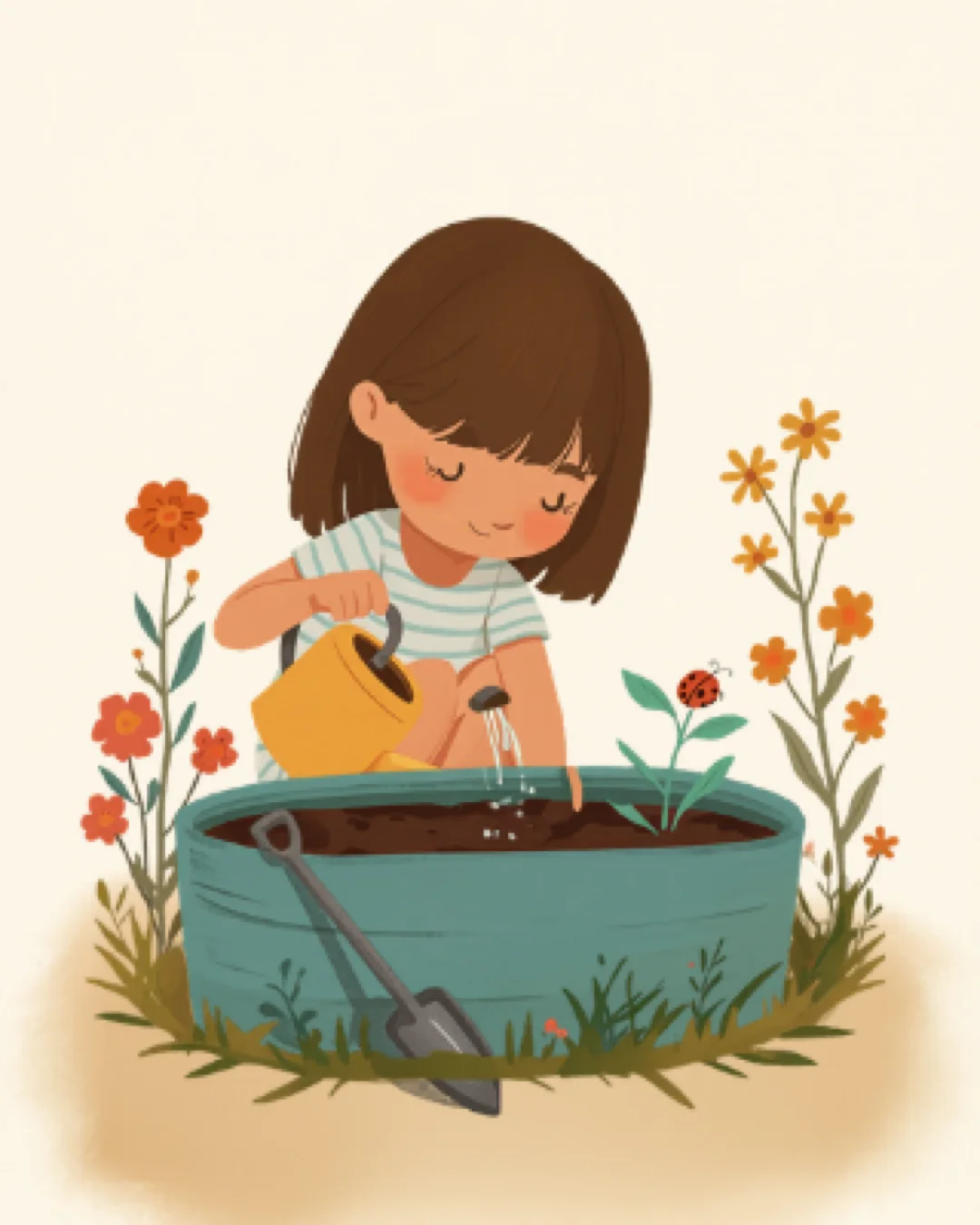
Collect acorn caps in autumn and spin them like tiny spinning tops on a flat surface.
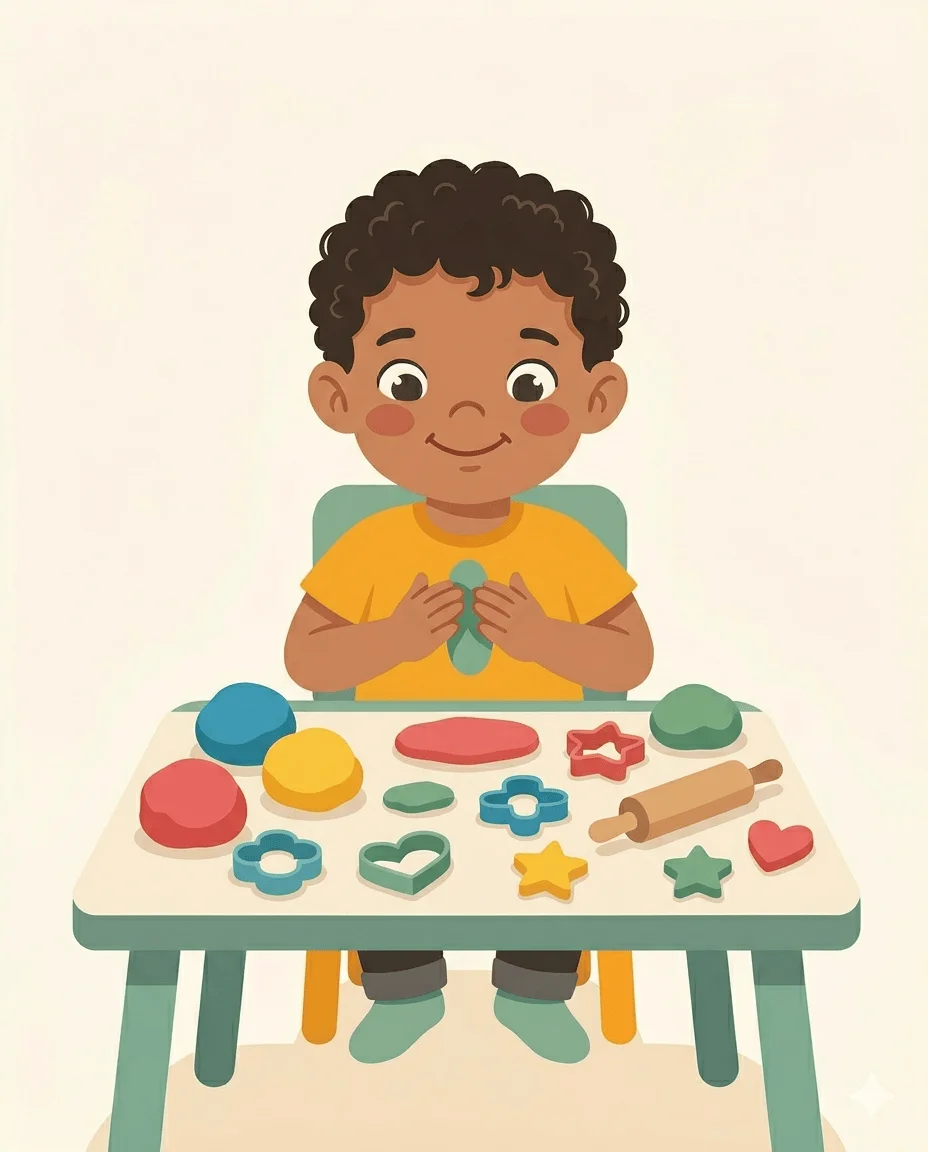
A simple visual sequence — eat lunch, nap, snack, mum comes back — drawn together so your toddler knows exactly when pickup happens at nursery.
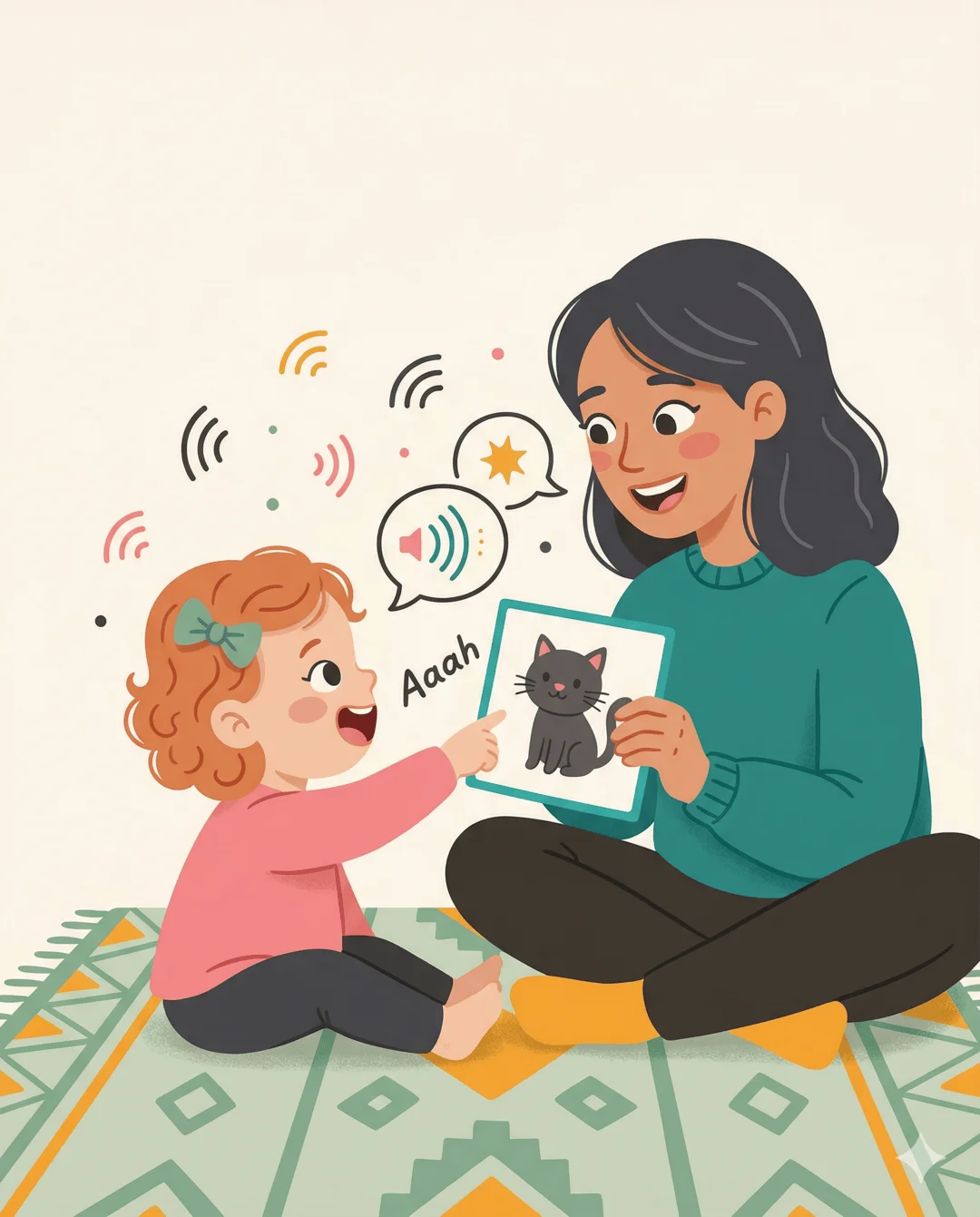
Point at each animal in a board book, make the sound, and wait for baby to try.
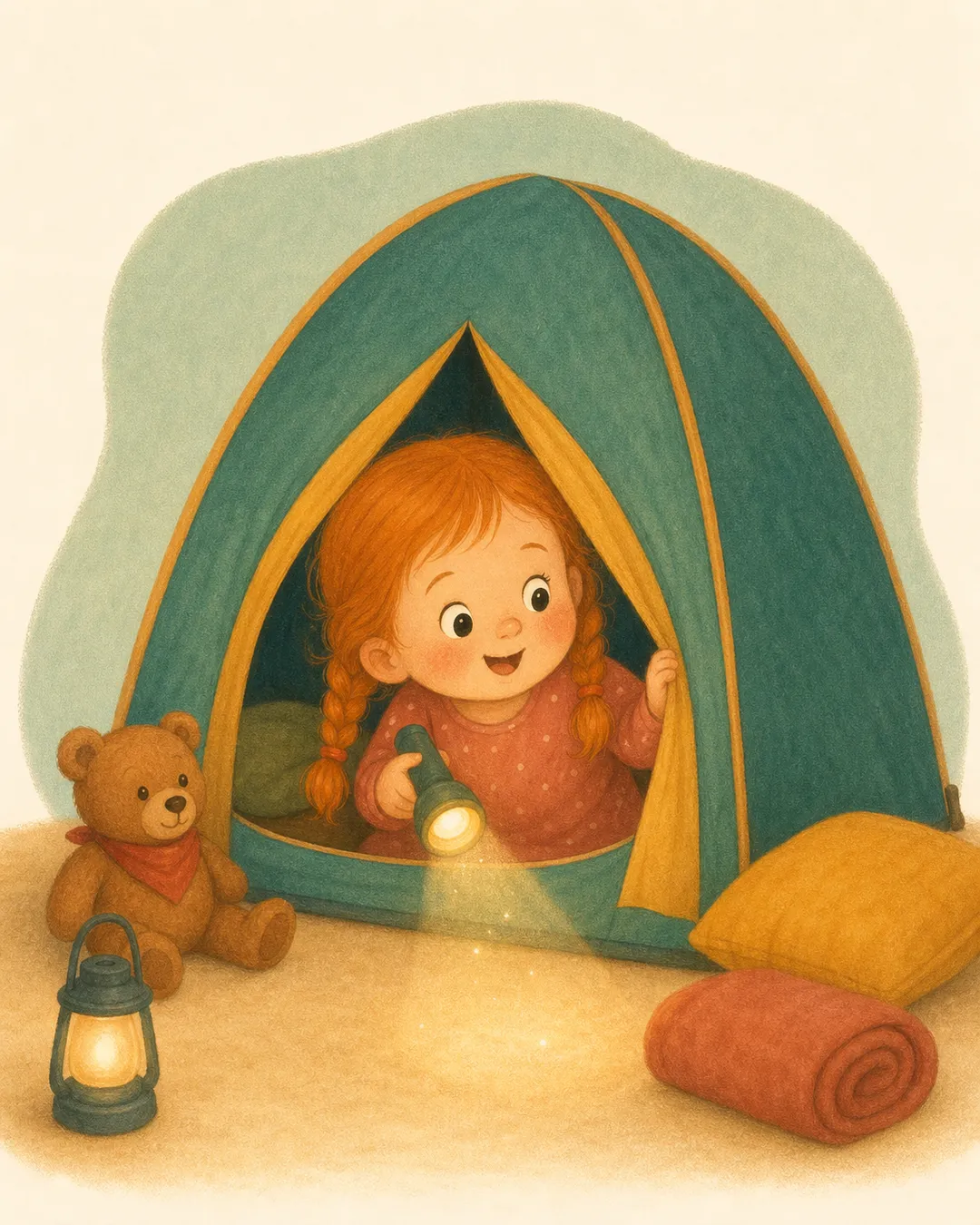
Kneel beside an ant trail and just watch them work — who is carrying what, where they're going, what happens when two meet coming the other way.
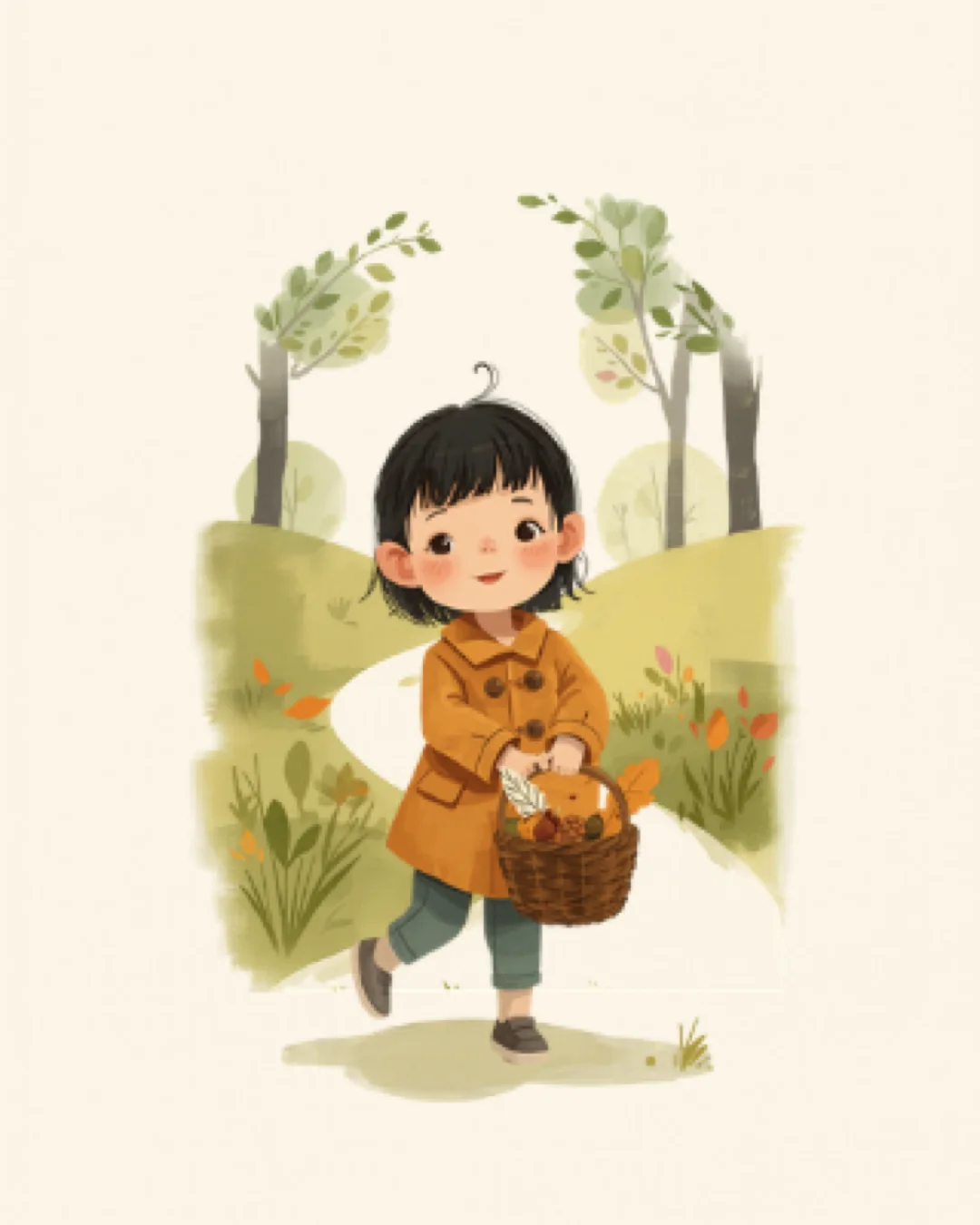
Bring a paint colour chart on an autumn walk and match leaves to the closest colour swatch.
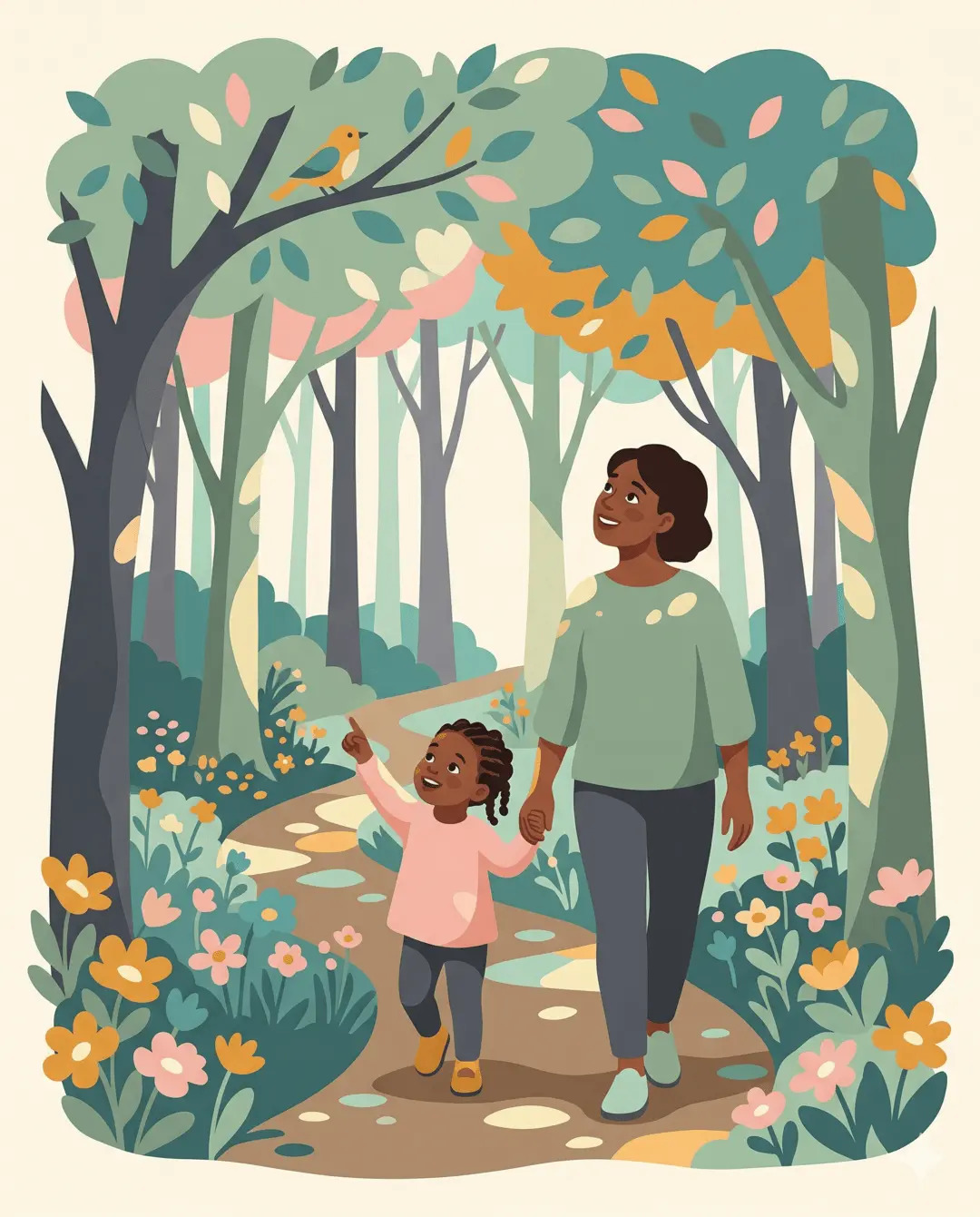
Stomp through crunchy autumn leaves, then gather and sort them by colour, size, or shape — a high-energy seasonal adventure.
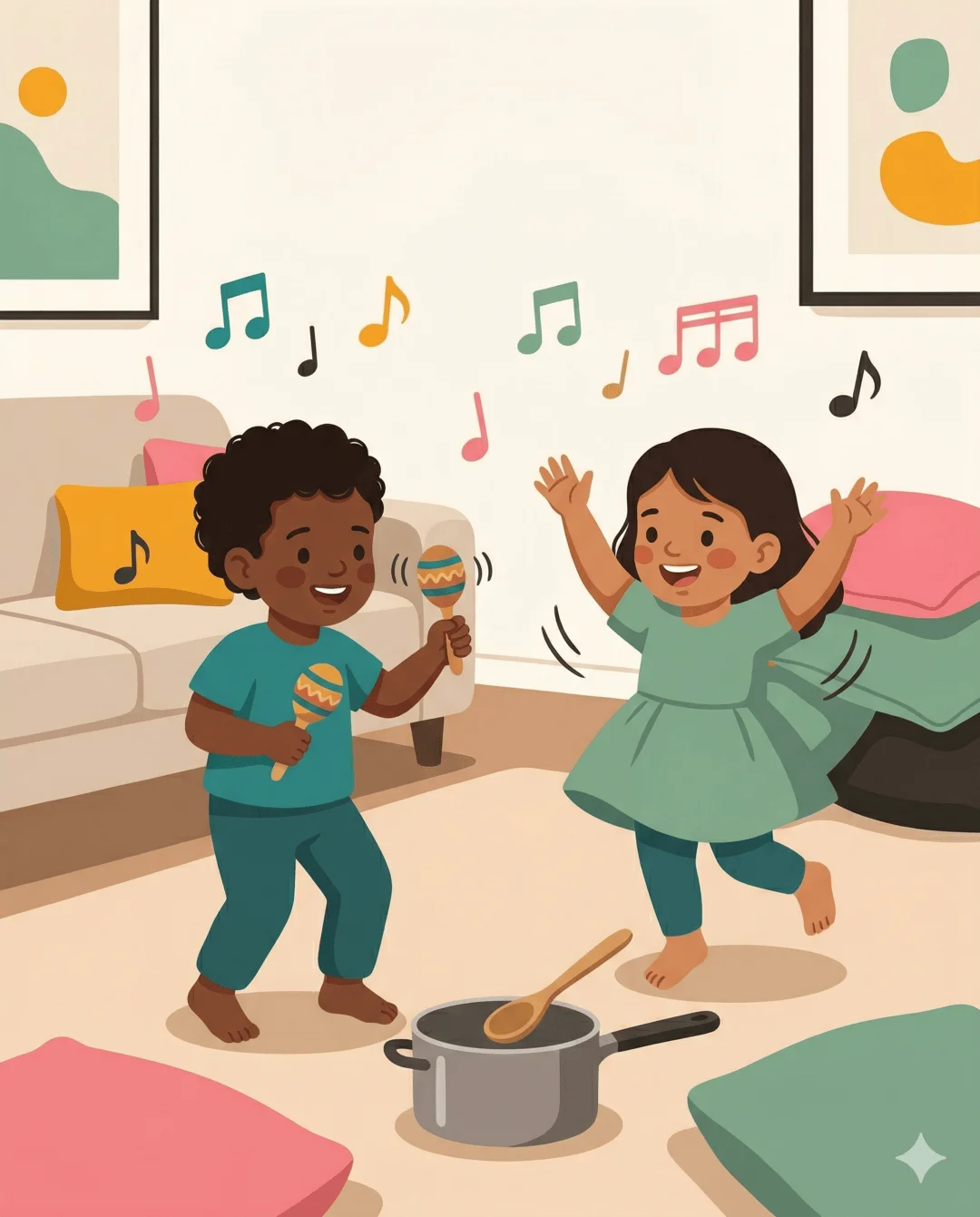
Navigate a garden path walking only backwards while a parent calls out directions — surprisingly tricky and hilarious.

Build a multi-station outdoor obstacle course and run it over and over.
Showing 8 of 264 activities
Your child solves puzzles meant for older children, sorts objects by two rules at once (colour and size), asks multi-step ‘what if’ questions, or remembers detailed sequences from days ago.
Offer open-ended problems rather than one-right-answer tasks. Ask ‘What would happen if we tried it the other way?’ Introduce simple pattern games and let them create their own sorting rules.
A child who thinks in complex patterns may become intensely frustrated when their hands cannot build what their mind imagines. This gap between cognitive ability and motor skill is common and temporary.
Renzulli’s enrichment model suggests that advanced learners benefit most from exploring real problems, not worksheets. For toddlers, this means offering multi-step challenges through play — treasure hunts, building projects, and ‘what if’ scenarios.
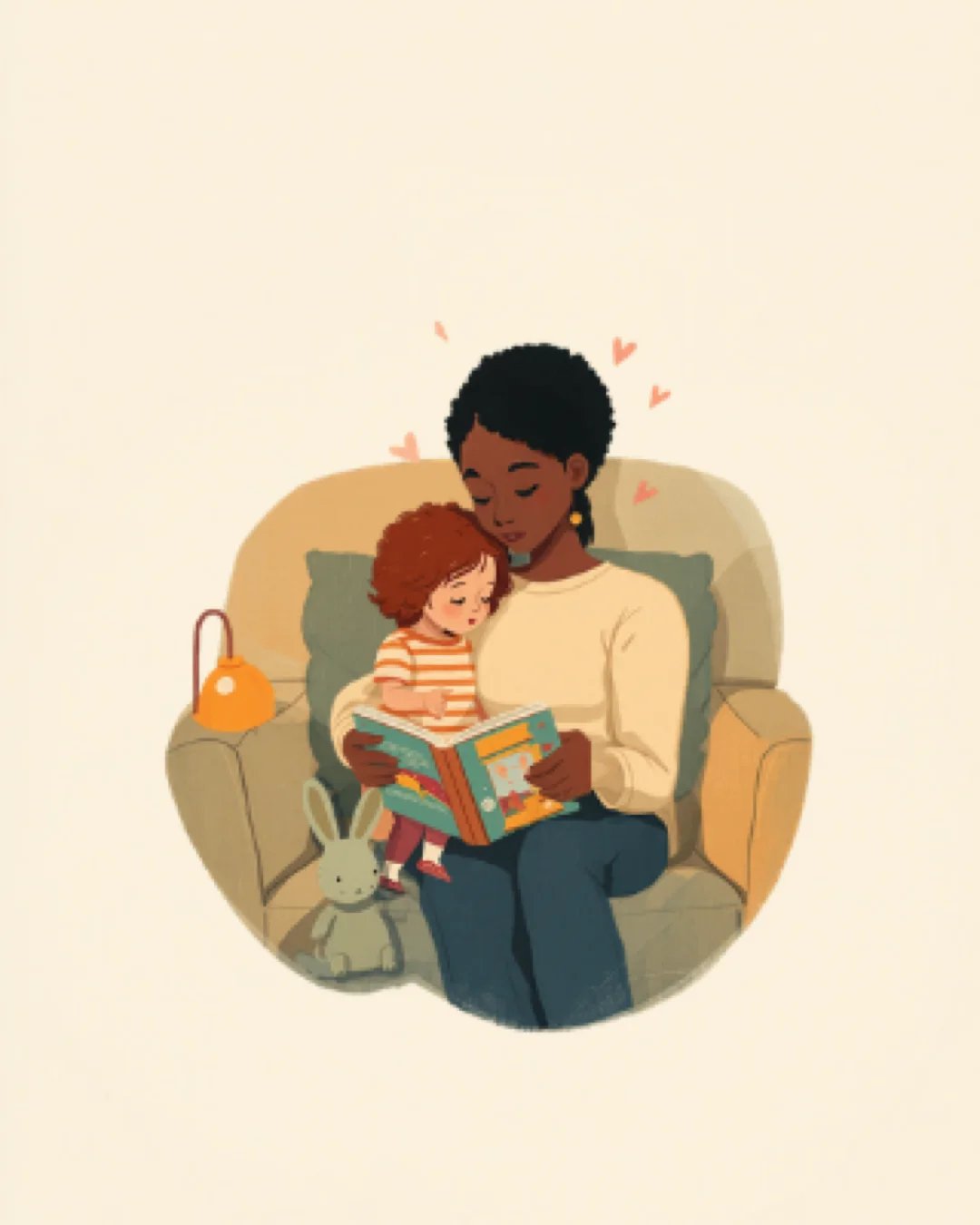
Pick one new word each morning and weave it through the day — building vocabulary through repetition and play.
Draw a map of an imaginary land together, naming places and inventing the stories that go there.

Follow a chain of simple clues around the home to practise memory, sequencing, and problem-solving.
Set an imaginative building challenge with whatever materials are available and let your child's vision lead.

Lay out simple repeating patterns and ask your child to predict what comes next.

Take turns asking and answering questions about the world to build curiosity and conversational language.

Sort objects by two attributes at once — a next-level learning challenge for growing logical thinkers.

Retell a familiar story with new characters, settings, or endings to stretch language and imagination.
Showing 8 of 12 activities
Cognitive skills include problem-solving, memory, sorting, matching, cause-and-effect understanding, and early maths concepts. These thinking skills grow rapidly through hands-on exploration and play during the toddler years.
Watch for your child figuring out how to open a container, remembering where a toy is hidden, sorting objects by colour or shape, or understanding that pressing a button makes something happen. Curiosity and persistence are strong signs.
Offer puzzles, stacking and sorting toys, hide-and-seek games, and activities where actions have visible results (pouring, building, knocking down). Let them experiment and make mistakes — working things out for themselves builds stronger neural connections than being shown the answer.
One email a week with age-appropriate activities, developmental tips, and practical play ideas. No spam, unsubscribe any time.