
Why this skill matters
Each skill area supports everyday confidence, communication, and play. Growth here often shows up as small, repeated gains rather than sudden leaps.
At a glance: Small muscle control for tasks like grasping, stacking, scribbling, and manipulating small objects. In daily life, this shows up when your child picks up cereal pieces, turns pages in a book, stacks blocks, or tries to use a spoon. Strong fine motor skills are the foundation for future writing, buttoning clothes, and using scissors. Browse 257 related activities below.

Each skill area supports everyday confidence, communication, and play. Growth here often shows up as small, repeated gains rather than sudden leaps.
Short, repeated activities usually build this skill better than one long session. Keep the challenge light and the interaction playful.
Look for slightly longer engagement, smoother coordination, or more willingness to try the skill again tomorrow.
Getting dressed battles
Turn the daily clothing fight into a game that builds independence and fine motor skills.
Read the getting-dressed guide
Collect acorn caps in autumn and spin them like tiny spinning tops on a flat surface.
An autumn nature craft — thread fallen leaves onto string to make a colourful garland.

Siblings sit back to back and describe what they're drawing for the other to copy — building listening, communication, and giggly cooperation.
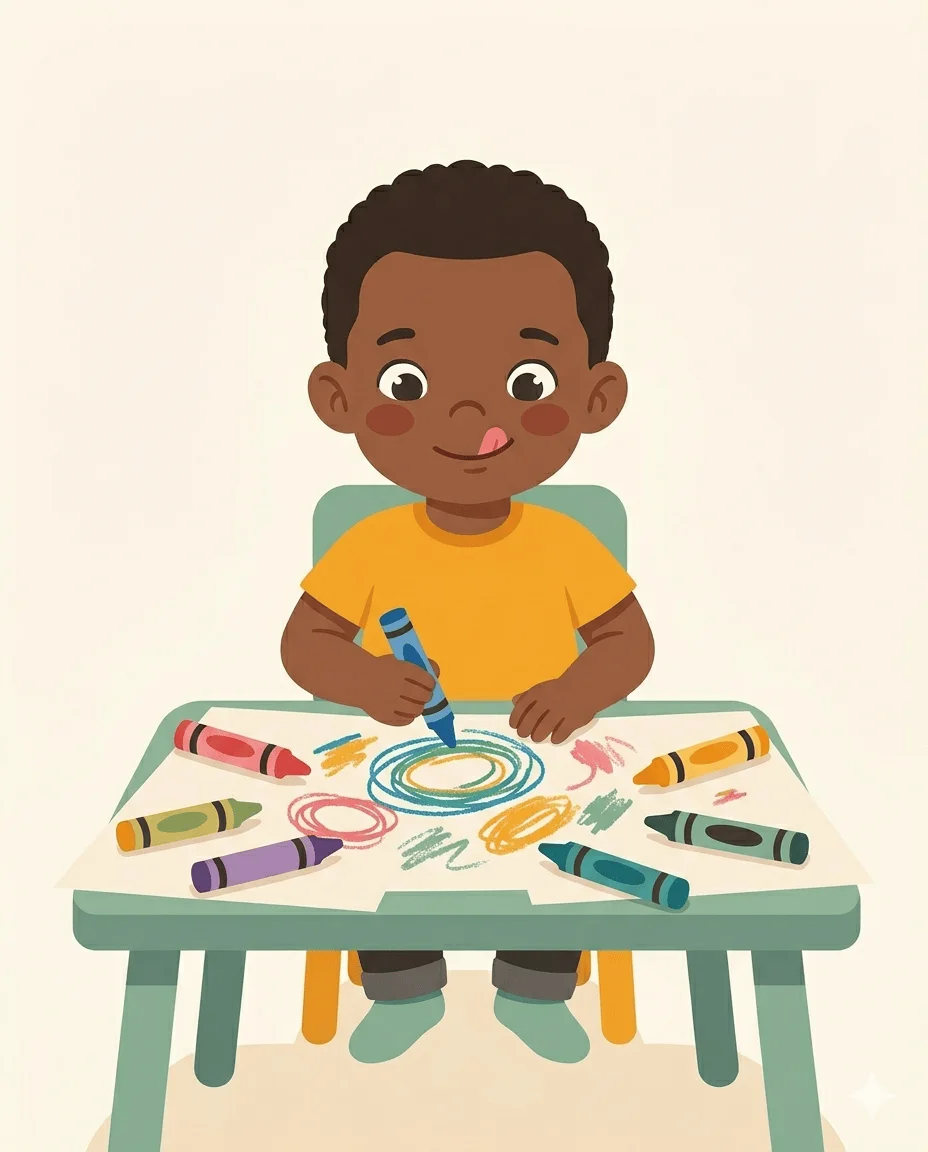
Sit back-to-back and draw separately — physical touch maintained, focus independent.

Dress up in silly combinations — backwards, inside-out, mismatched — turning clothing battles into laughter and learning.

Arrange banana slices into letter shapes on a plate, then eat your creations.

Let your toddler mash bananas in a bowl with a fork for a tasty snack.
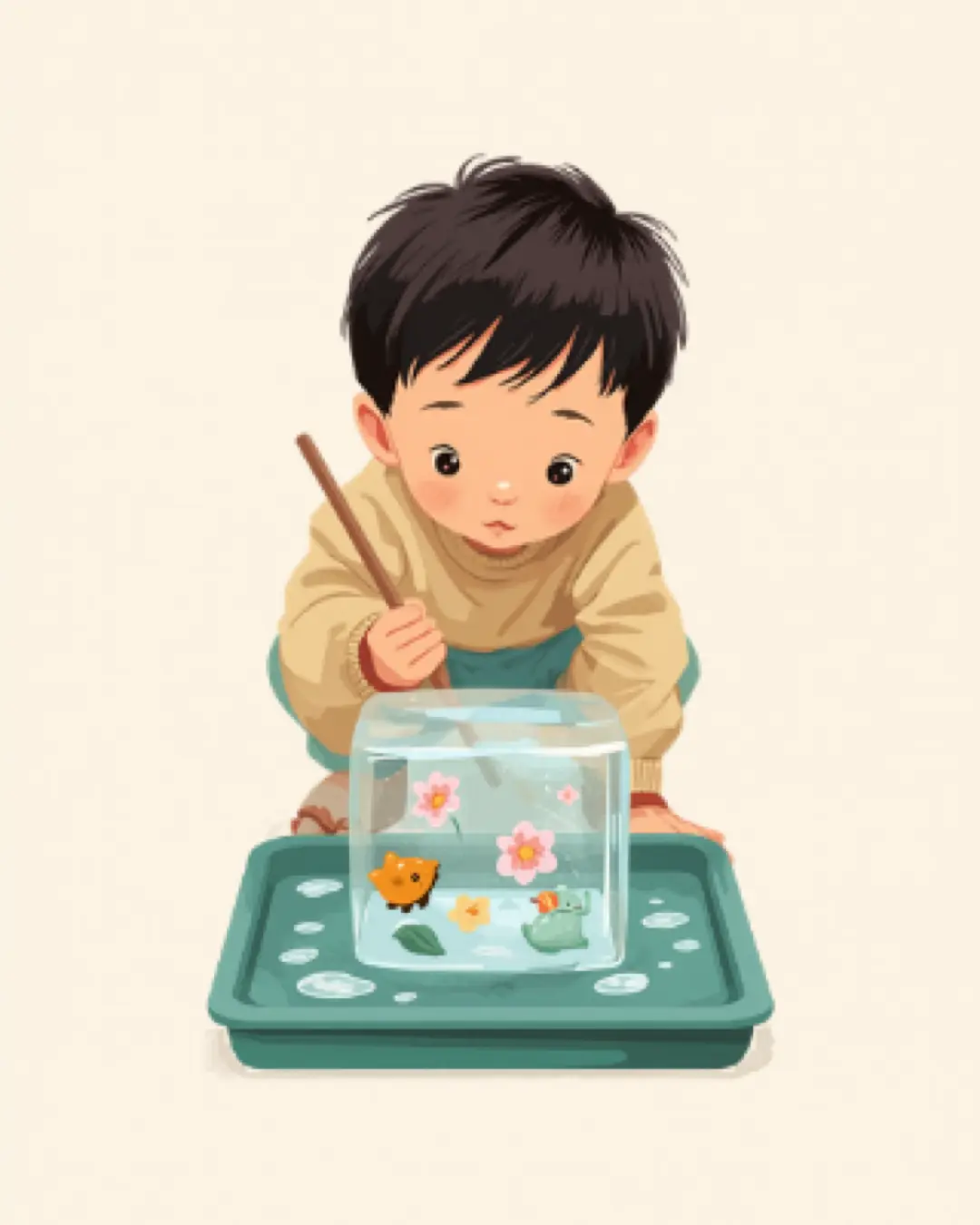
Float foam letters in the bath and fish them out with a sieve or cup, naming each letter as it is caught.
Showing 8 of 249 activities
Your child uses scissors with control, draws recognisable shapes or faces, threads beads precisely, or manipulates small objects with unusual dexterity for their age.
Offer increasingly precise tasks — smaller beads, thinner lines to trace, clay details to add. Introduce tools like tweezers, hole punches, and child-safe needles for threading. Let them lead the complexity.
A child with advanced fine motor skills may still struggle with gross motor tasks like catching a ball or climbing. Hand precision and whole-body coordination develop on different timelines.
Research on motor development shows that fine motor skills correlate with early writing readiness and mathematical thinking. Providing graduated challenges — Vygotsky’s scaffolding principle — builds skill without frustration.
Create a simple homemade book together from scratch, from the story idea to the illustrated cover.
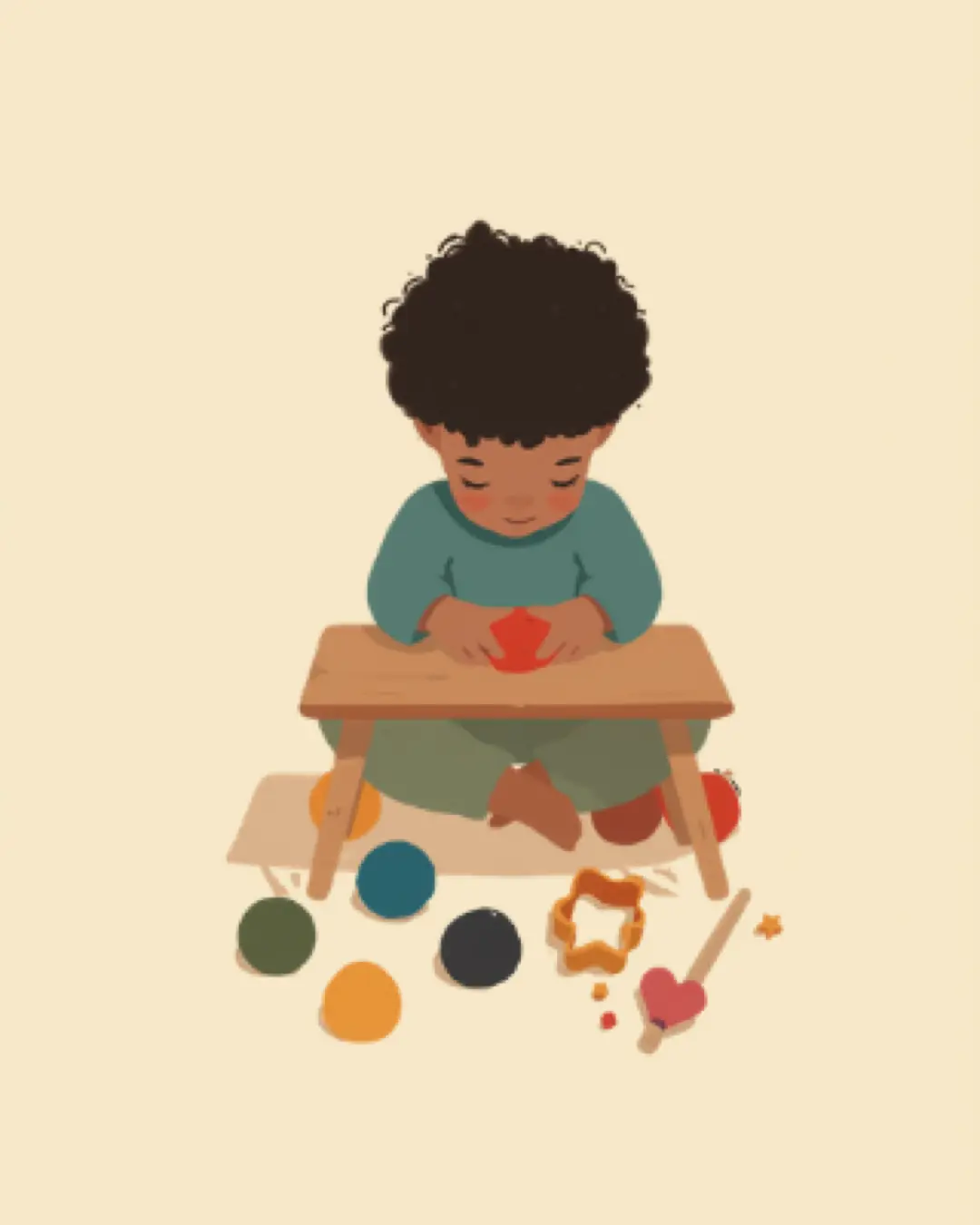
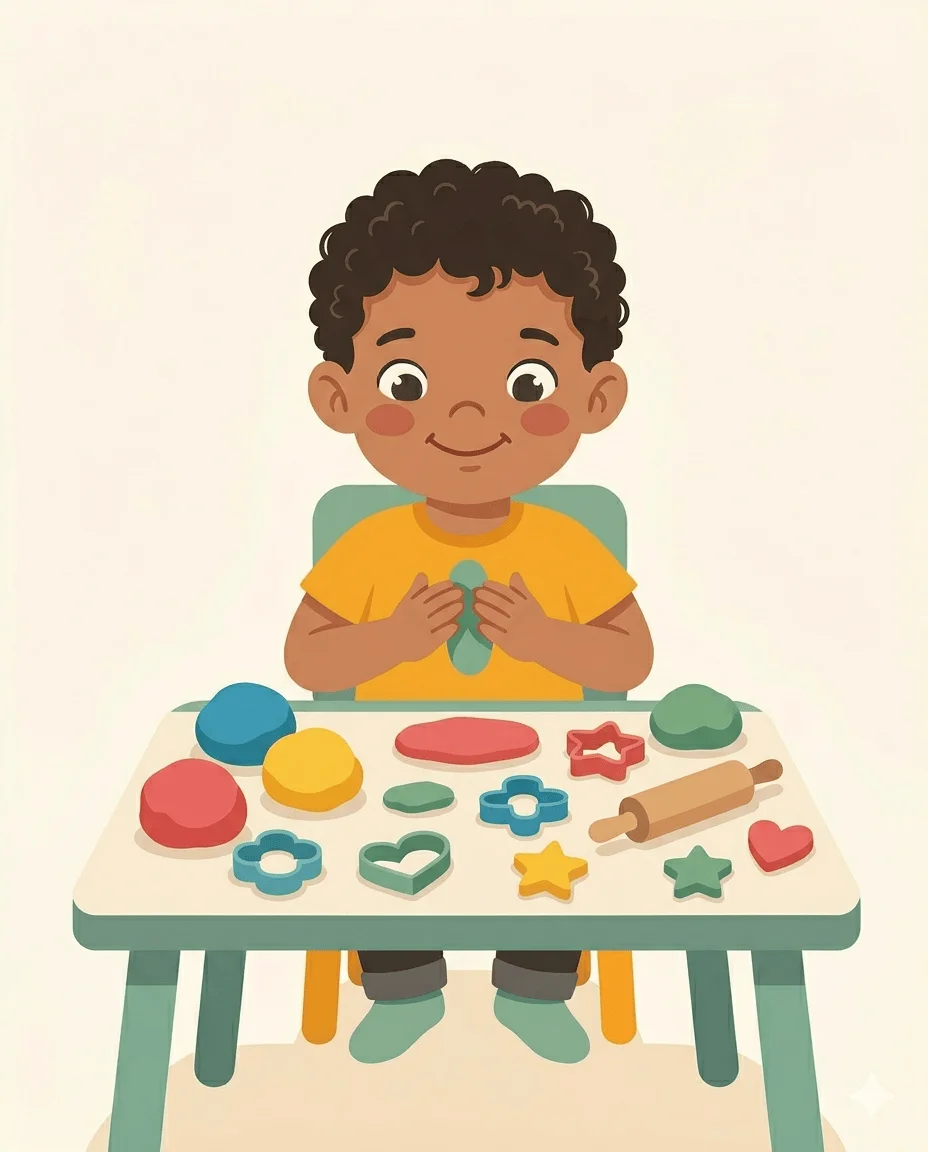
Roll and shape clay or playdough into letter forms to connect tactile experience with early literacy.
Take turns adding one line or shape each to a collaborative drawing, building fine motor precision and creativity.
Draw a map of an imaginary land together, naming places and inventing the stories that go there.
Create new characters by combining features from different animals, people, and creatures.
Set an imaginative building challenge with whatever materials are available and let your child's vision lead.

Sort objects by two attributes at once — a next-level learning challenge for growing logical thinkers.
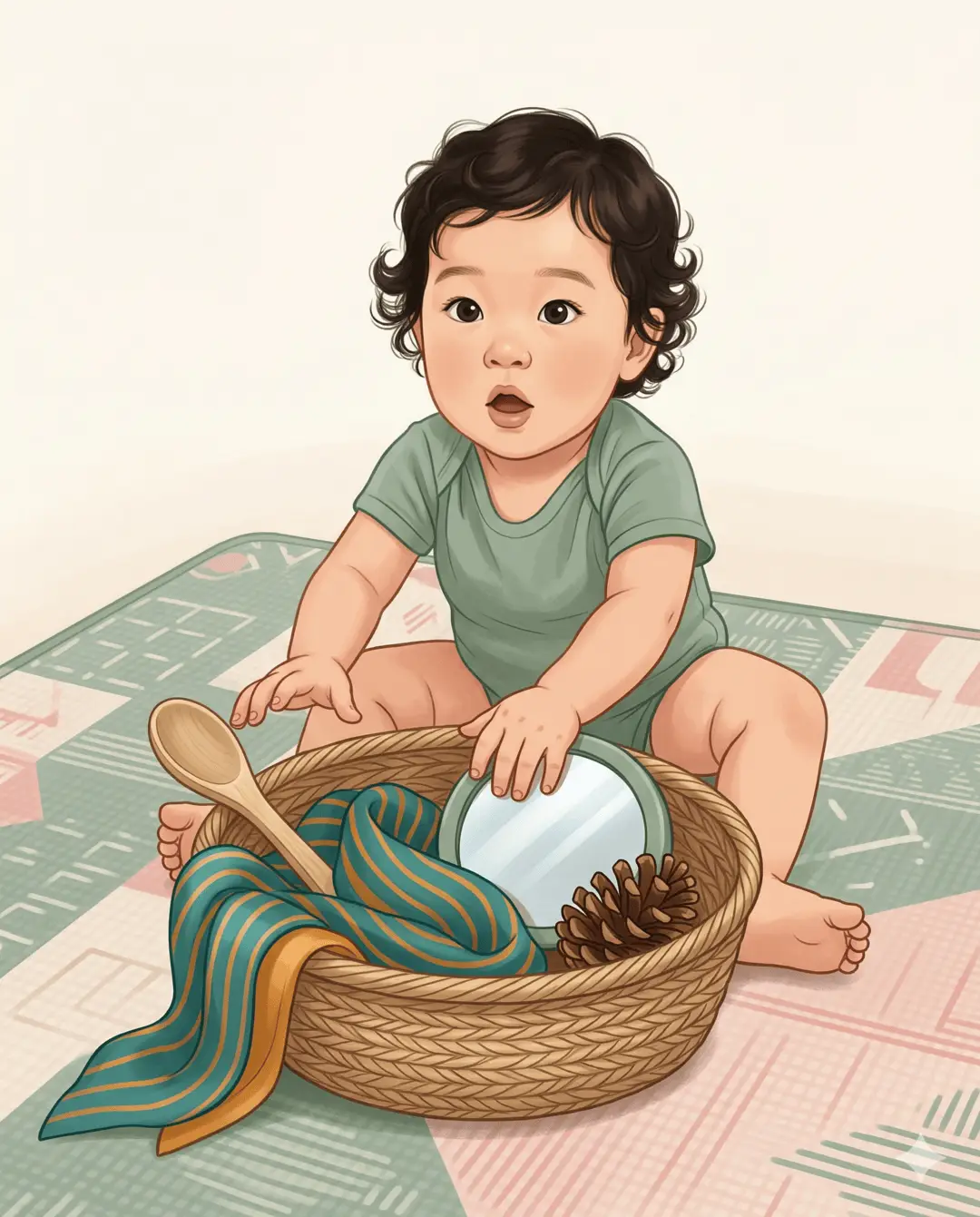
Use child-safe tweezers to transfer small objects between containers, building the precision grip needed for writing.
Showing 8 of 8 activities
Fine motor skills involve small muscle control for tasks like grasping, stacking, scribbling, turning pages, and manipulating small objects. These skills are the foundation for future writing, buttoning clothes, and using scissors.
Watch for your child picking up small objects like cereal pieces, stacking blocks, turning pages in a book, or attempting to use a spoon. Increasing precision and control — even if messy — are signs of progress.
Offer activities that involve pinching, squeezing, and manipulating: playdough, threading large beads, scribbling with crayons, pouring water between cups, and peeling stickers. Let them try feeding themselves even when it’s messy — the practice matters more than the neatness.
One email a week with age-appropriate activities, developmental tips, and practical play ideas. No spam, unsubscribe any time.