
Why this skill matters
Each skill area supports everyday confidence, communication, and play. Growth here often shows up as small, repeated gains rather than sudden leaps.
At a glance: Symbolic thinking, role-play, and using objects to stand for other things. Symbolic play typically appears around 18 months and grows rapidly through the toddler years — when your child feeds a doll, drives a banana like a car, or pretends a cushion is a boat. NAEYC and developmental research recognise pretend play as foundational for executive function: kids who play pretend show stronger short-term memory, flexible thinking, and task persistence. It is more than imagination — it is the brain's gym for self-regulation and abstract thought. Browse 69 related activities below.
Each skill area supports everyday confidence, communication, and play. Growth here often shows up as small, repeated gains rather than sudden leaps.
Short, repeated activities usually build this skill better than one long session. Keep the challenge light and the interaction playful.
Look for slightly longer engagement, smoother coordination, or more willingness to try the skill again tomorrow.
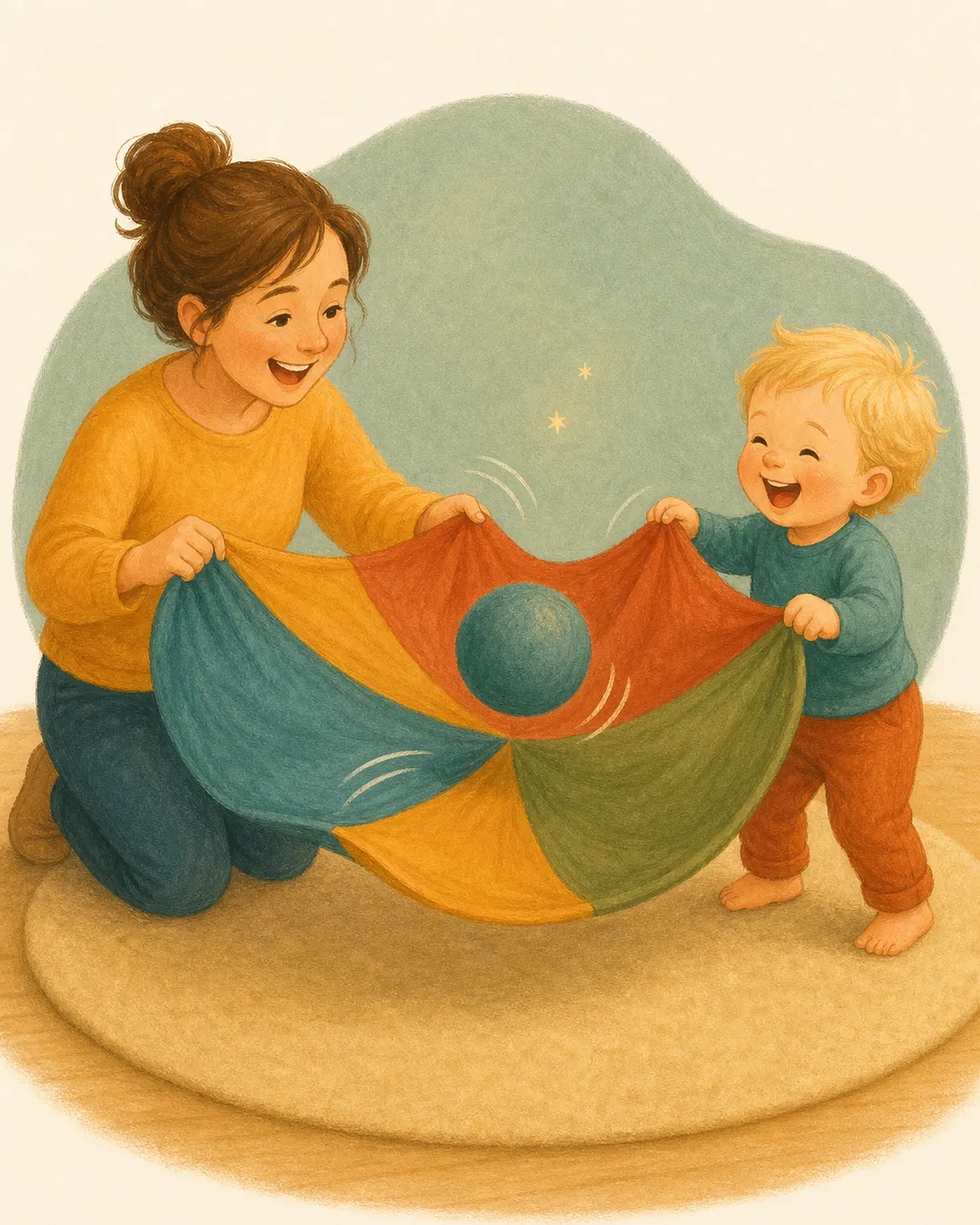
Waddle like a duck, hop like a frog, gallop like a horse — follow a trail of animal cards and move like each creature.

Move like different animals across the room.
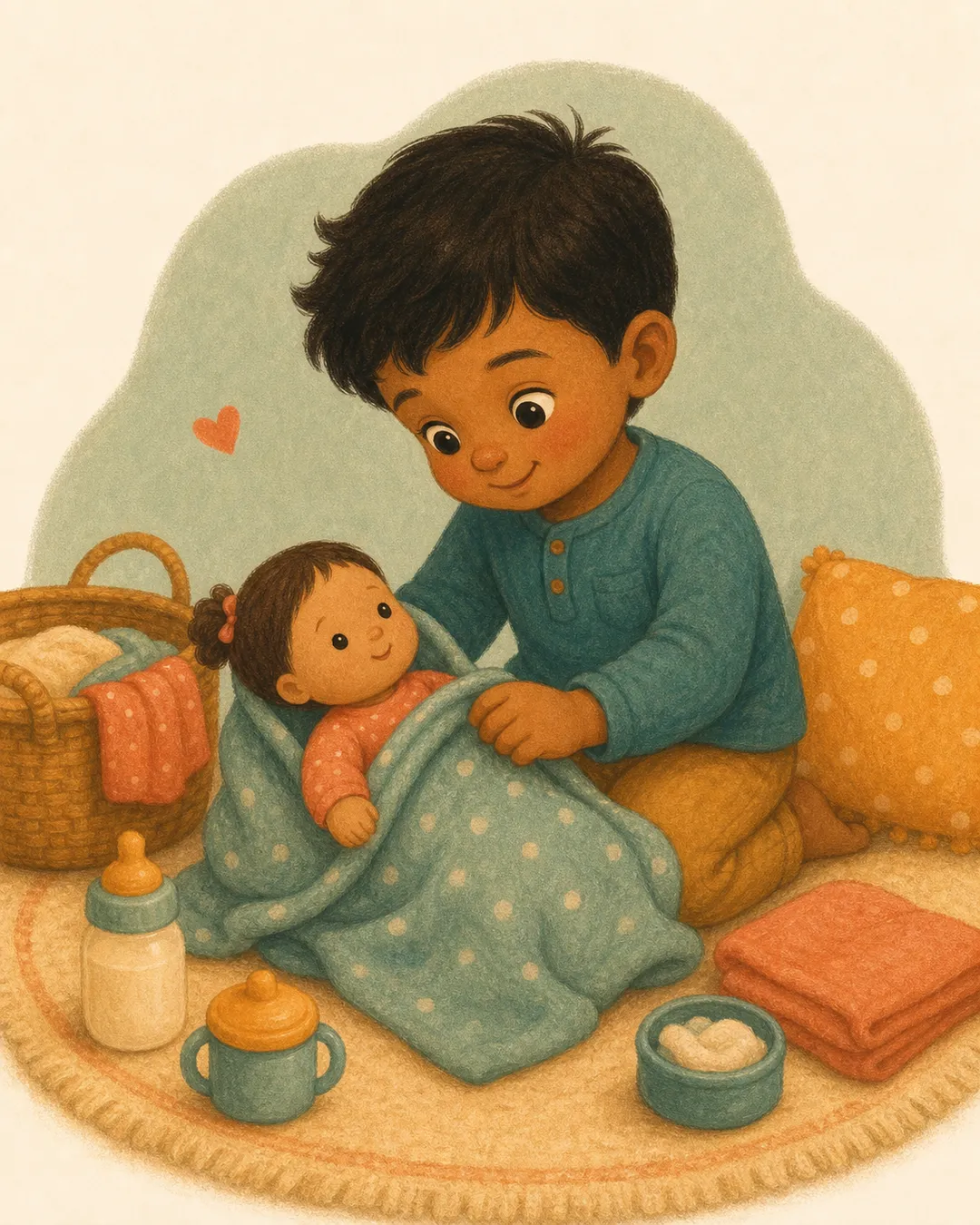
Set up a little corner where your toddler looks after their own doll, feeding, cuddling, and settling it, so they can rehearse life with a new little one and feel like a capable, caring big sibling.
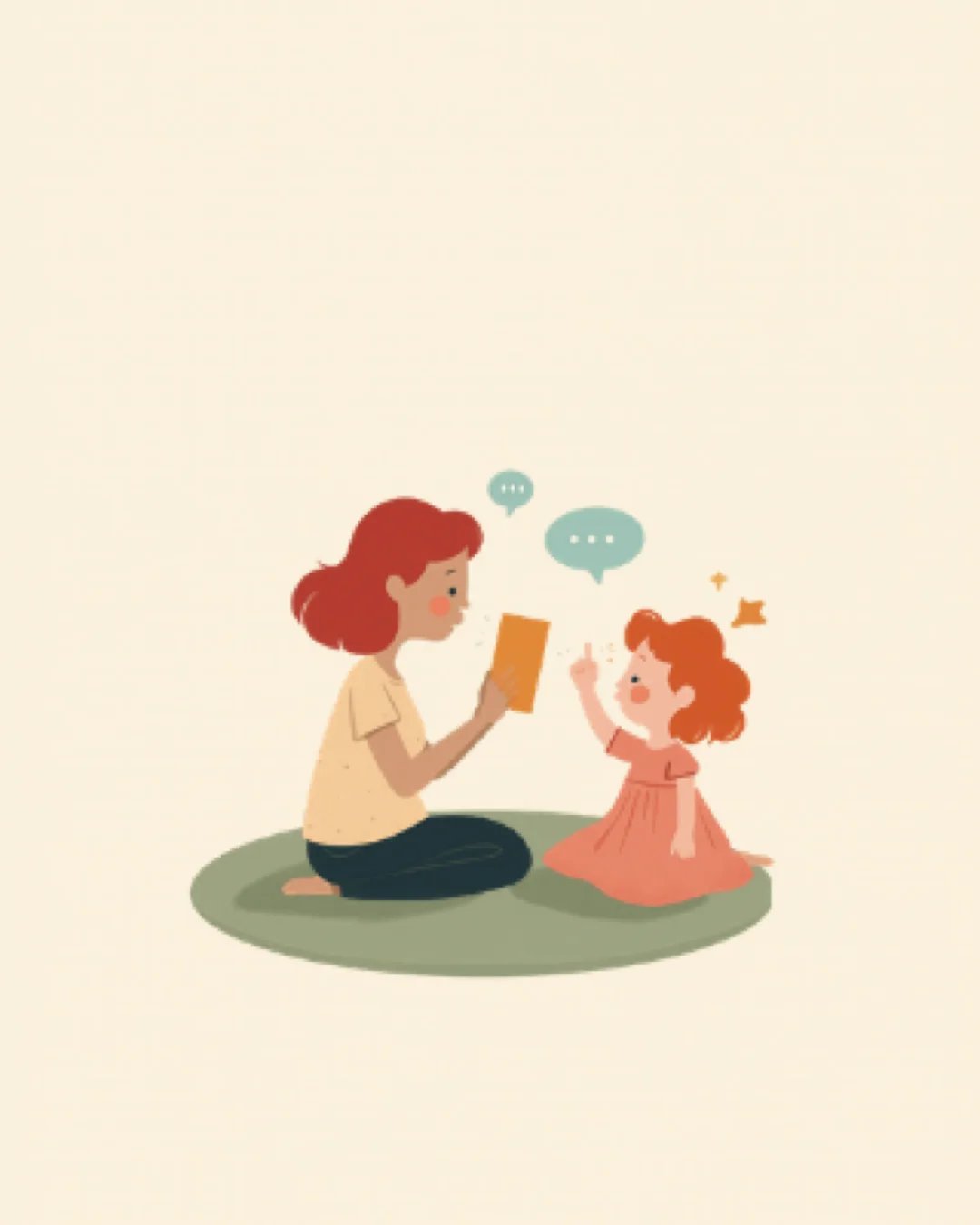
A sock puppet who only responds to clear talking voices, not whining ones.
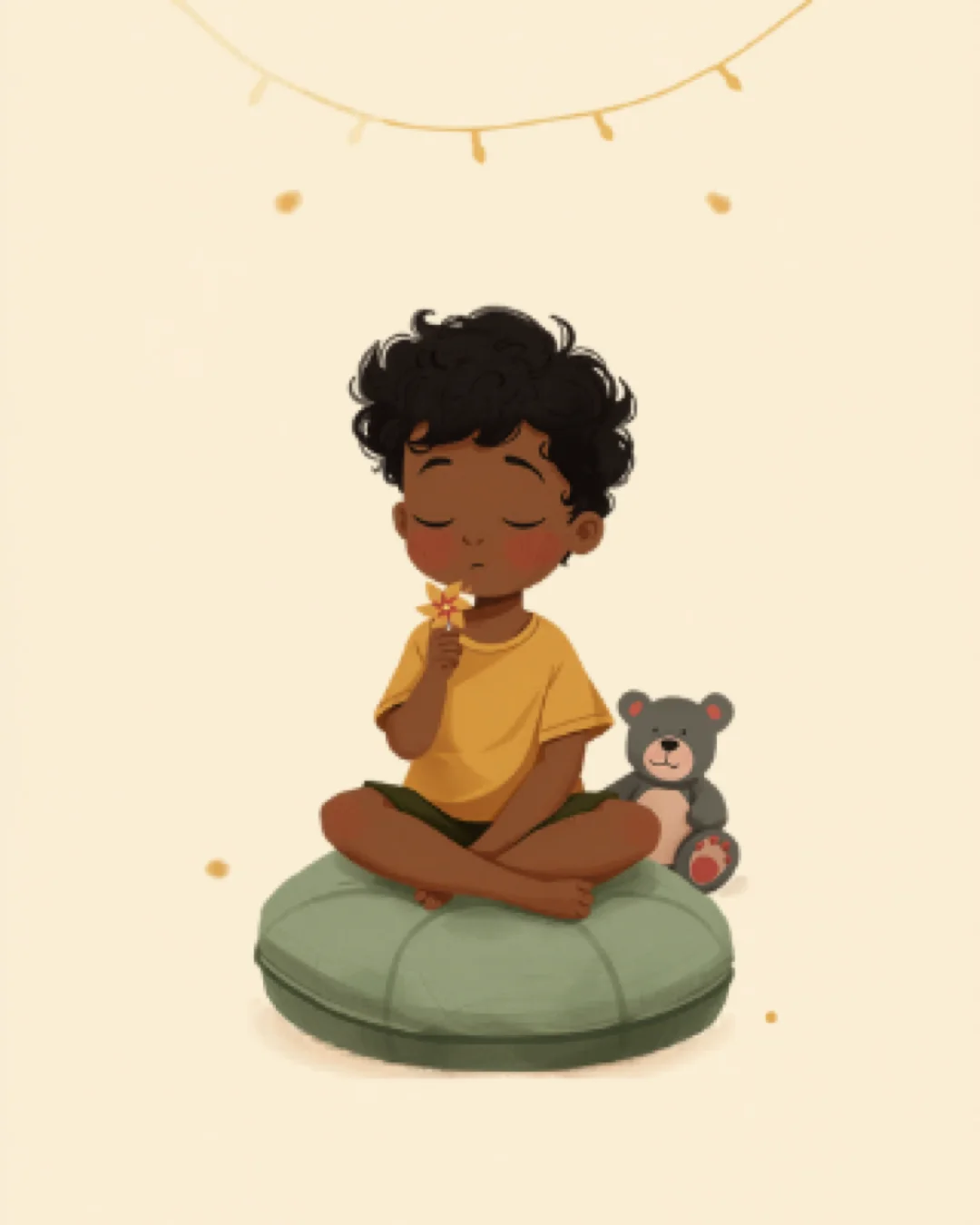
Practise being bold like a roaring lion and soft like a tiptoeing mouse — building both confidence and gentleness through pretend play.
Before any unfamiliar outing, walk through what will happen using toys or drawings — reducing anxiety about the unknown.
Sit inside a cardboard box and pretend to drive with sound effects.
Transform a cardboard box into a shop counter and play buying and selling with real household items — a rich pretend play session.
Showing 8 of 69 activities
Pretend play is symbolic thinking in action — using one object to stand for another, taking on a role, or acting out scenarios from real life. It typically appears around 18 months and grows rapidly through the toddler years. NAEYC describes pretend play as a research-backed learning tool that supports language, social-emotional growth, and executive function. It’s more than imagination: it’s how your child’s brain practises holding two ideas at once (this is a banana AND a phone).
Look for object substitution (a block becomes a car), role-taking (‘I’m the doctor’), feeding or caring for dolls and stuffed animals, simple pretend scripts (‘Let’s go to the shops’), and acting out routines they’ve seen. Around 18 months you might see a single substitution; by 3, full pretend scenarios with multiple steps are common. Parallel pretend play — each child playing make-believe near another, but separately — is normal before cooperative pretend play emerges.
Children who engage in pretend play show measurable improvements in inhibitory control, short-term memory, cognitive flexibility, and task persistence — the foundations of executive function. It’s also where social skills are practised: negotiating roles, taking turns telling a story, and understanding what someone else is thinking. The leap from ‘this is a stick’ to ‘this is a wand’ is one of the brain’s most important developmental moves.
Offer open-ended props rather than realistic toys — a basket of fabric, kitchen items, blocks, and dolls invites more pretending than a toy that only does one thing. Join in on their terms (let them direct the play). Narrate to give it language (‘Are you cooking dinner? What are you making?’). Don’t correct the rules of their imagination — if the dog flies, the dog flies. Limit screen time, since passive watching displaces the unstructured time children need to invent.
One email a week with age-appropriate activities, developmental tips, and practical play ideas. No spam, unsubscribe any time.