
Why this skill matters
Each skill area supports everyday confidence, communication, and play. Growth here often shows up as small, repeated gains rather than sudden leaps.
At a glance: Adaptive skills like dressing, feeding, washing, and toileting that toddlers need for everyday life. International developmental assessments such as the Bayley Scales and the ASQ track these as a distinct domain, not as part of cognitive or motor development. You see this when your toddler tries to put on their own coat, holds a spoon, washes hands at the sink, or helps wipe up a spill. Slow, imperfect attempts are real practice — protecting time for them builds the daily-life confidence that supports nursery readiness and beyond. Browse 86 related activities below.
Each skill area supports everyday confidence, communication, and play. Growth here often shows up as small, repeated gains rather than sudden leaps.
Short, repeated activities usually build this skill better than one long session. Keep the challenge light and the interaction playful.
Look for slightly longer engagement, smoother coordination, or more willingness to try the skill again tomorrow.

Dress up in silly combinations — backwards, inside-out, mismatched — turning clothing battles into laughter and learning.
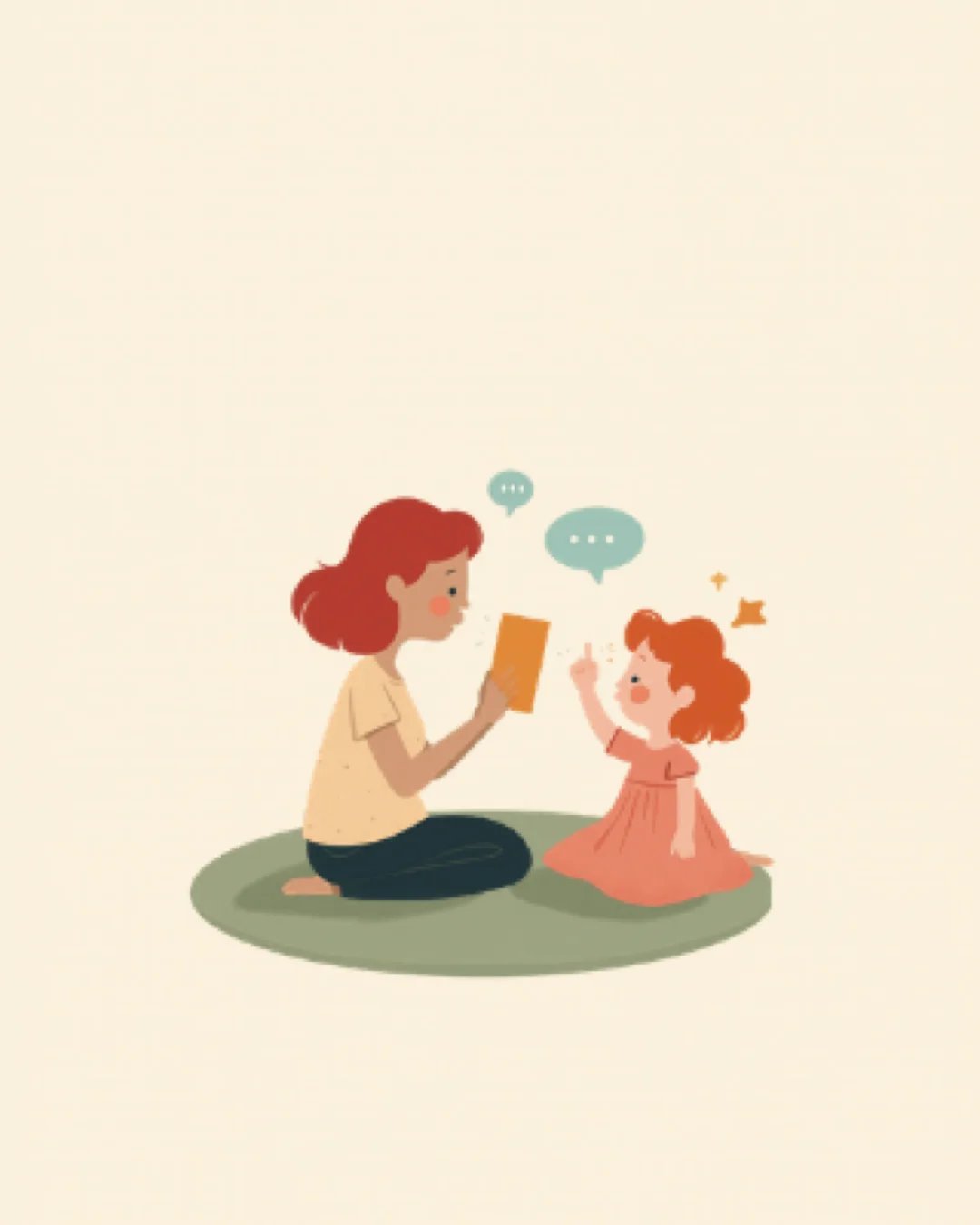
Let your toddler mash bananas in a bowl with a fork for a tasty snack.
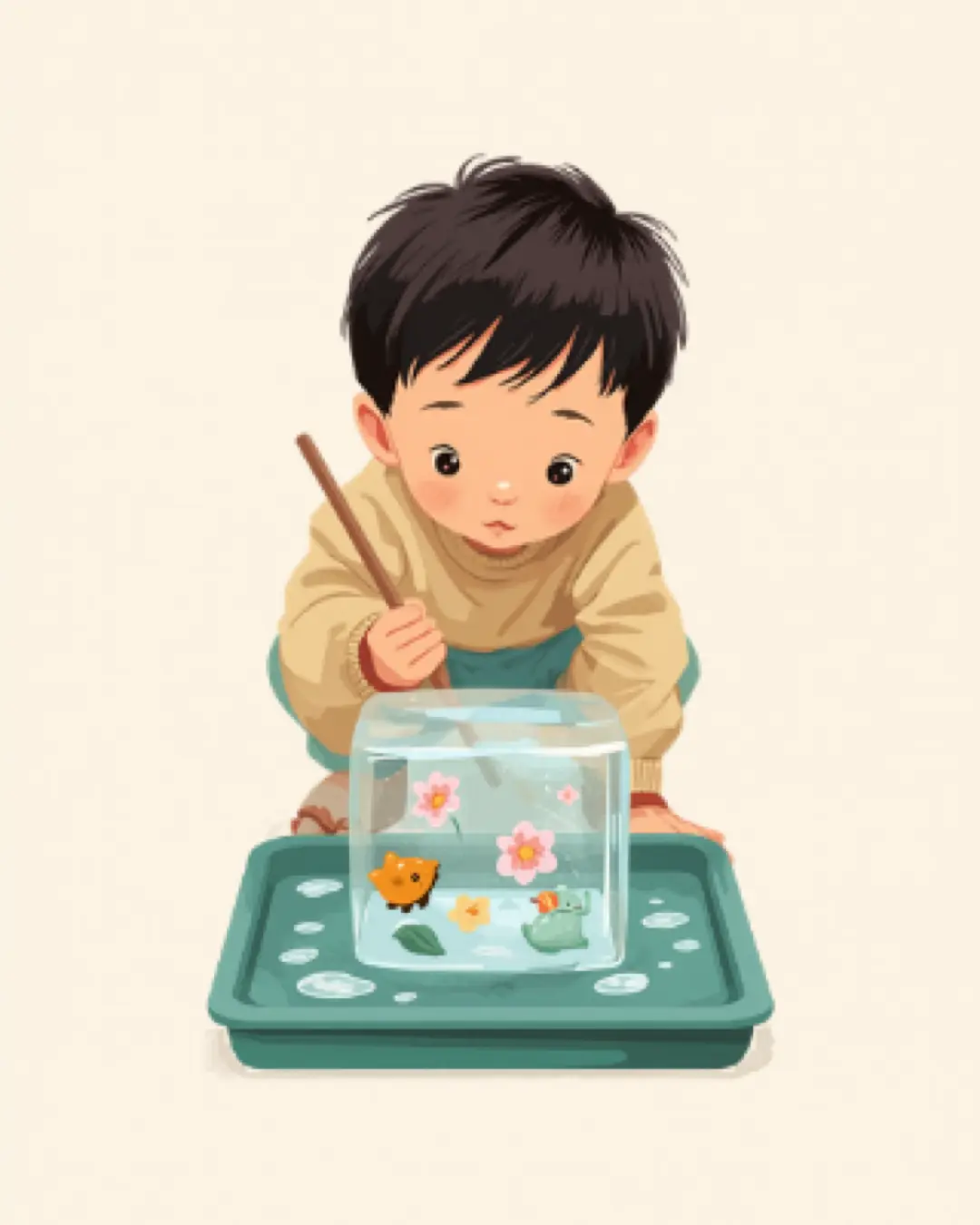
Turn washing into a naming game — 'Can you wash your knees?' — learning body parts while getting clean.

A guided pre-bedtime tour of all the comfort tools the child can use if they wake up scared — torch, water, sleep buddy, blanket — so they know exactly what's within reach in the dark.

Replace the bedtime bottle with a new three-part ritual — long cuddle, one short book, small sip from the cup. Same comfort, different vehicle.
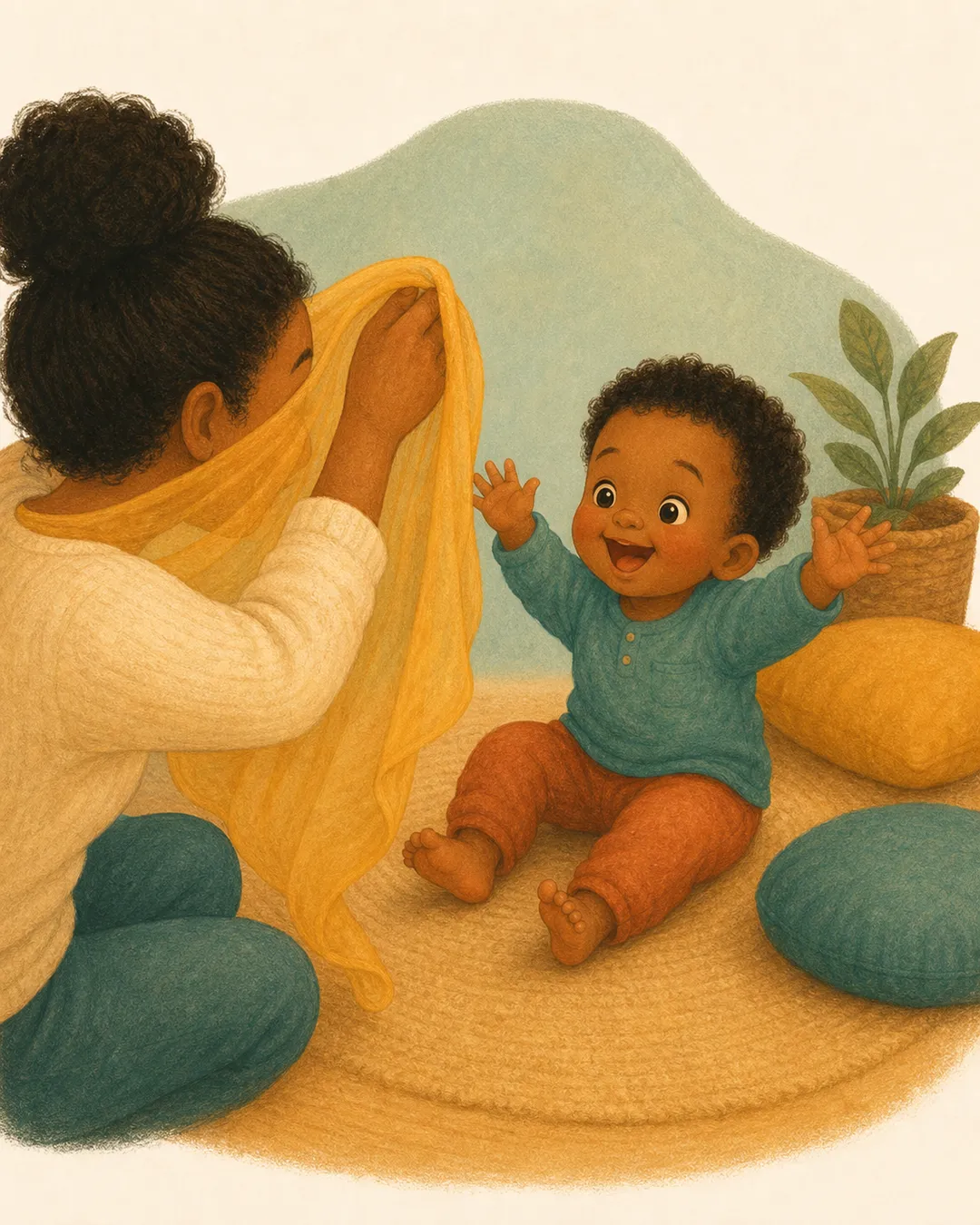
A low basket stocked with common needs so your toddler can help themselves instead of whining or clinging.
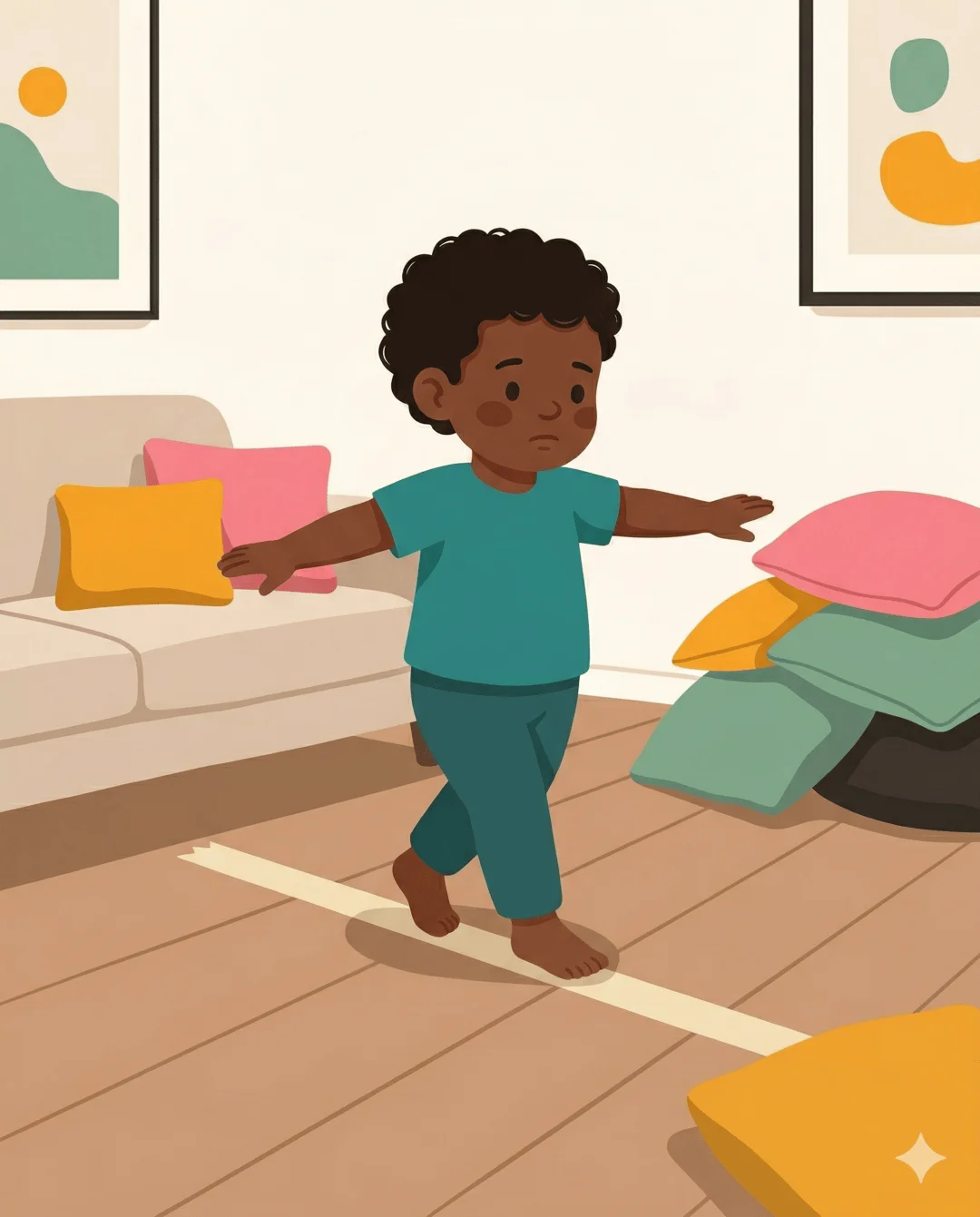
A short midday burst of vigorous physical play designed to use up daytime energy stores so the night sleep tank can fill — running, climbing, or dancing for ten focused minutes.
Give your toddler a set of real 'big helper' jobs for the new little one, fetching, choosing, and gently helping, so they feel needed and important rather than pushed aside when the new arrival comes.
Showing 8 of 86 activities
Self-help skills — also called adaptive skills — are the everyday-life abilities your toddler needs to take care of themselves: dressing, feeding, washing, toileting, tidying up. International developmental assessments such as the Bayley Scales of Infant and Toddler Development and the ASQ track these as a distinct developmental domain, not just a side-effect of motor or cognitive growth. They are some of the most concrete signs that a child is moving from being looked after to looking after themselves a little.
Watch for trying to put on a coat or shoes (even on the wrong feet), using a spoon or fork, drinking from an open cup, washing hands at the sink, helping wipe a table, or pulling down trousers for the potty. Slow, imperfect attempts are real progress — the messy bowl of porridge and the upside-down jumper are practice, not failure. You’re looking for the willingness and the trying, not the polished result.
Self-help skills build the daily-life confidence that supports nursery readiness, reduce daily friction at home, and give toddlers a sense of agency they crave at this age. Children who feel capable in everyday tasks are often calmer, more cooperative, and less likely to push back at routine moments — because they feel less powerless. They are also one of the strongest predictors of comfortable transitions into childcare and school.
Set up the environment so they can succeed: a low hook for their coat, a step stool at the sink, a child-sized fork, a low drawer of clothes they can choose from. Build extra time into routines so they can try without rush — jumping in to do it for them faster undermines the practice. Show, then step back. Praise the trying (‘You worked hard at that’) more than the result. Accept that progress is slow and uneven — self-help skills develop in small steps over months, not days.
One email a week with age-appropriate activities, developmental tips, and practical play ideas. No spam, unsubscribe any time.