
Why this skill matters
Each skill area supports everyday confidence, communication, and play. Growth here often shows up as small, repeated gains rather than sudden leaps.
At a glance: Speaking, understanding words, following instructions, and expanding vocabulary. You notice this growing when your toddler points at a dog and says 'doggy,' follows directions like 'bring me your cup,' or starts combining words into short phrases. Narrating daily activities and reading together are the most powerful ways to support this skill at home. Browse 281 related activities below.

Each skill area supports everyday confidence, communication, and play. Growth here often shows up as small, repeated gains rather than sudden leaps.
Short, repeated activities usually build this skill better than one long session. Keep the challenge light and the interaction playful.
Look for slightly longer engagement, smoother coordination, or more willingness to try the skill again tomorrow.
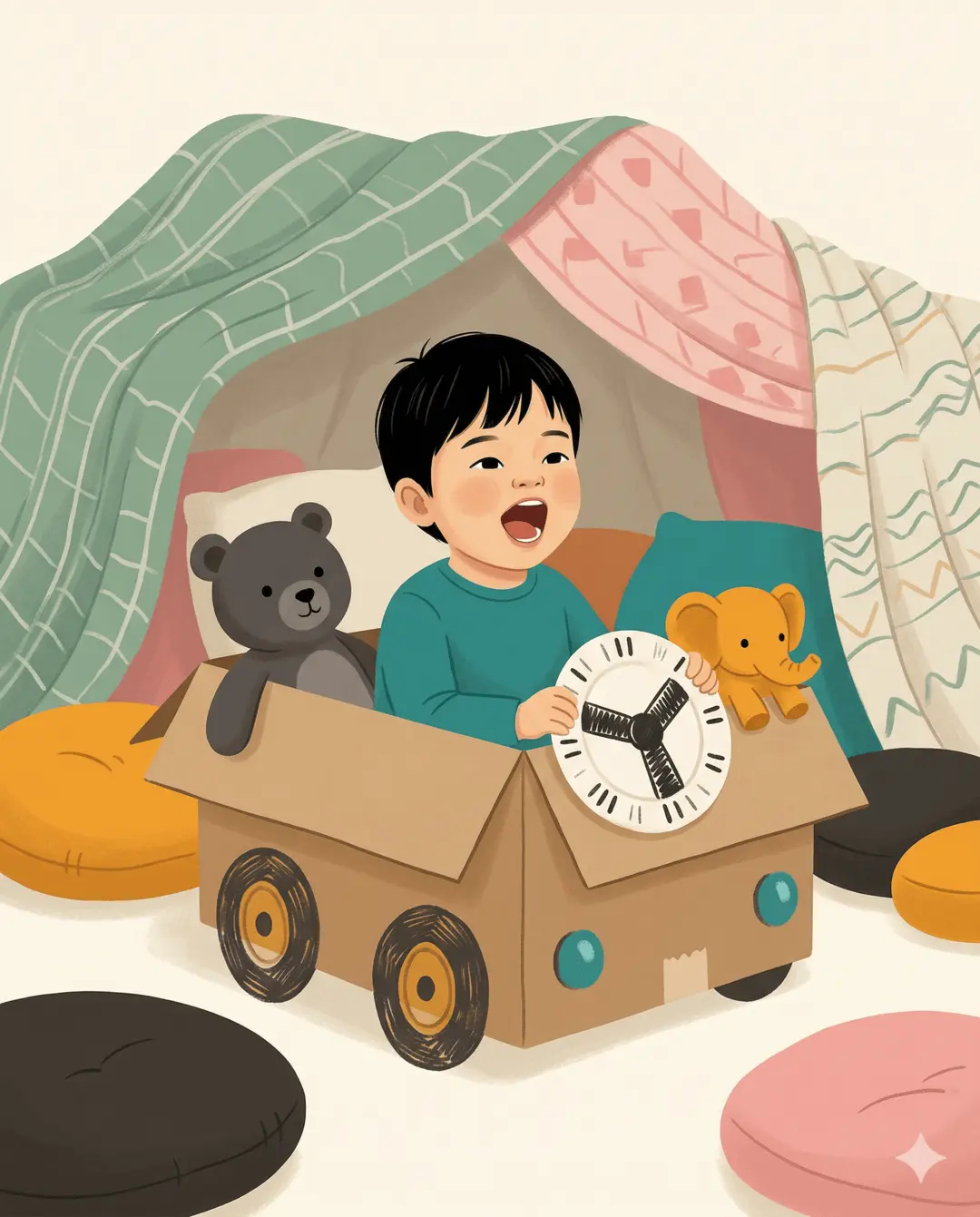
After reading a favourite story, act it out together — your child becomes the main character and relives the plot.
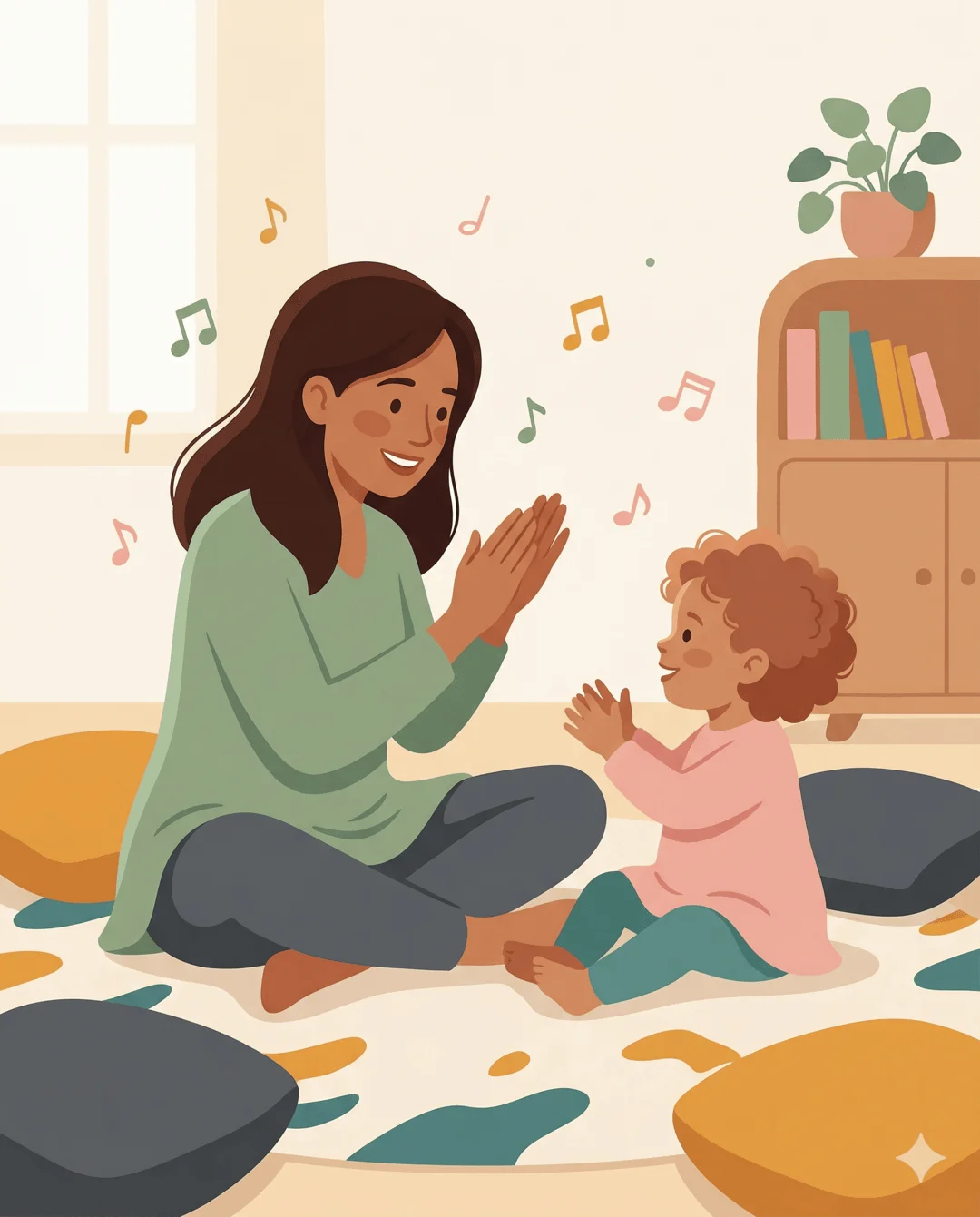
Sing Head Shoulders Knees and Toes, Wheels on the Bus, and Five Little Ducks back to back — non-stop movement and language.
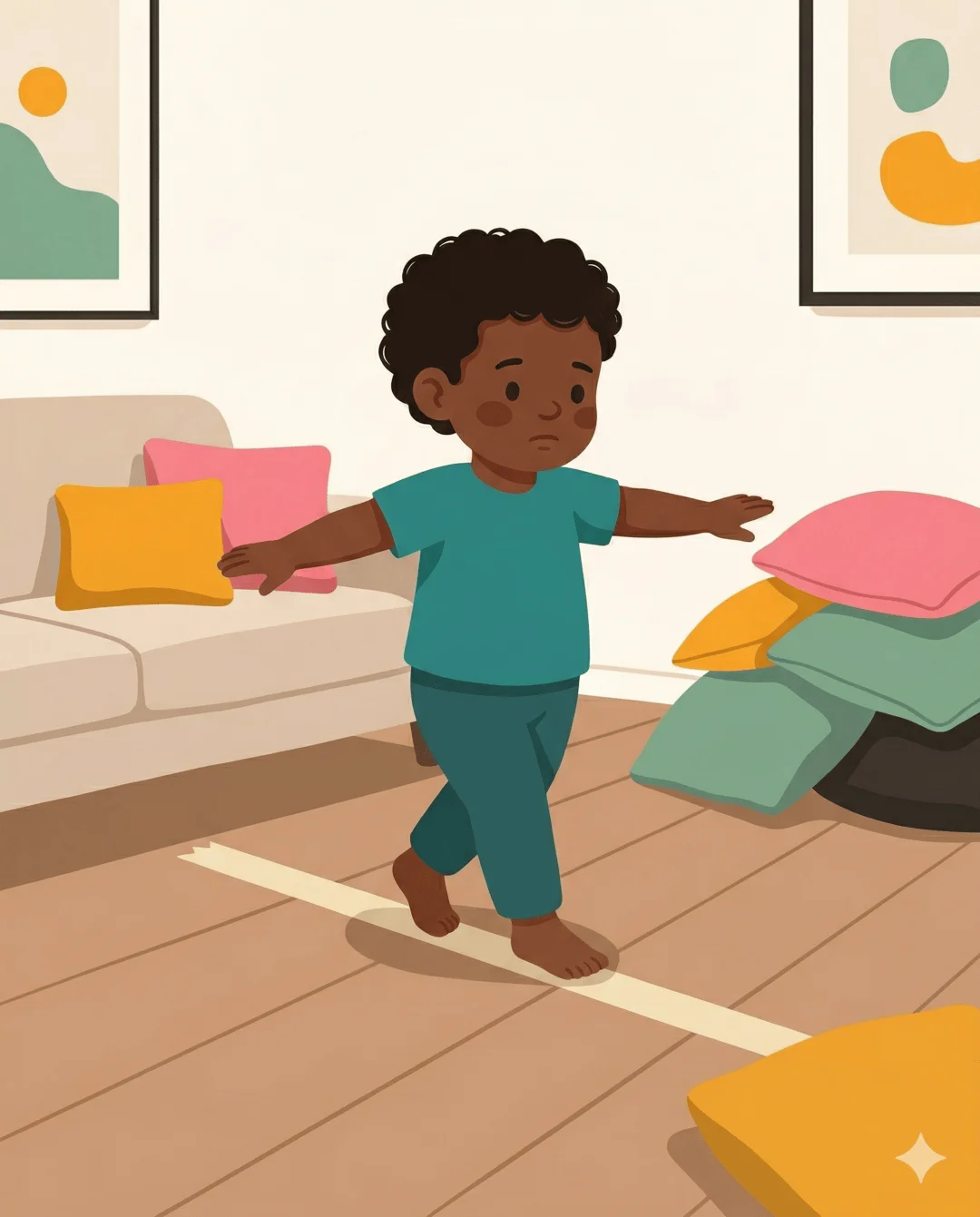
Sing nursery rhymes with matching actions and movements — active learning through music and play.
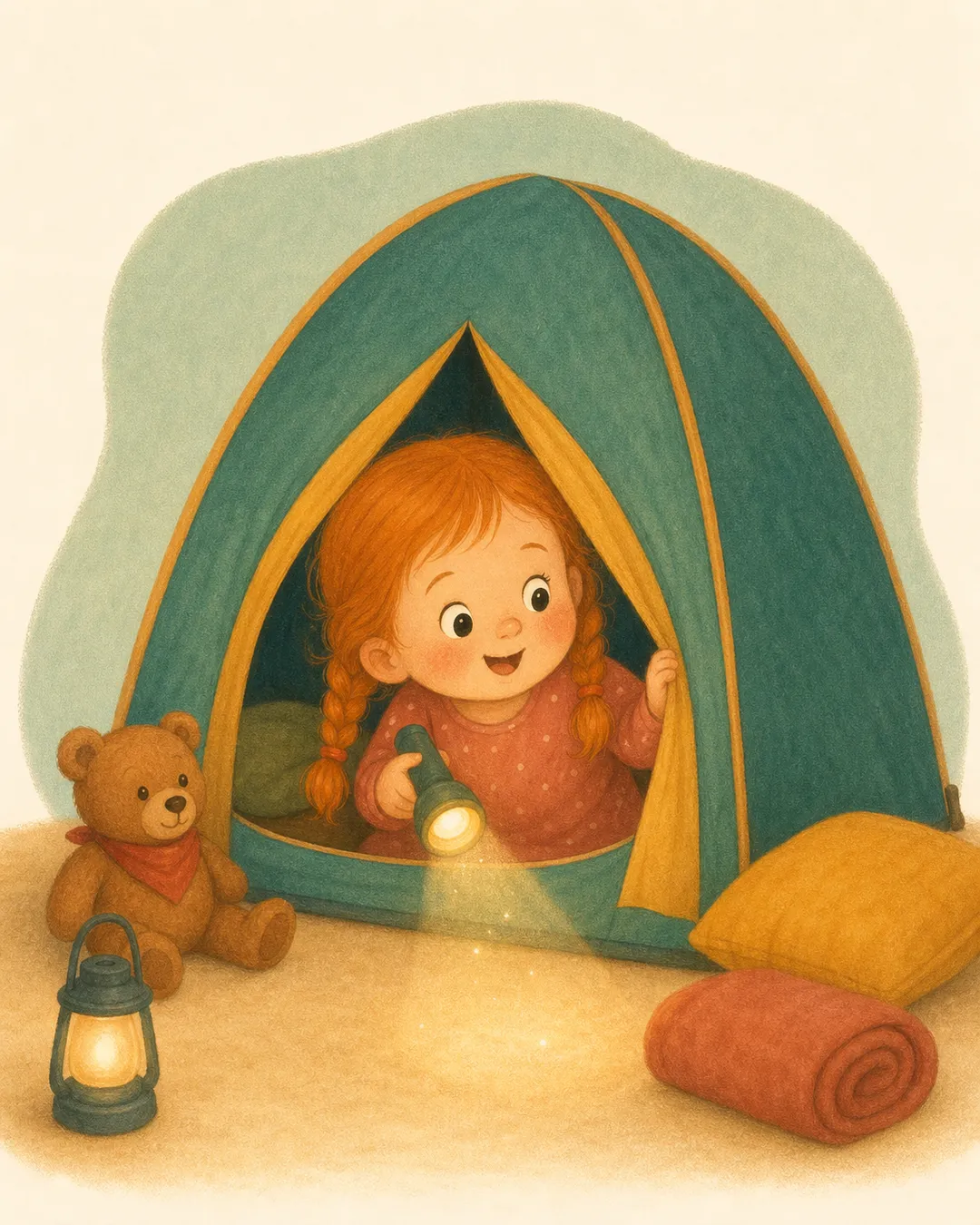
When your toddler says a word, you add one more — 'car' becomes 'fast car!' — gently expanding their sentences.
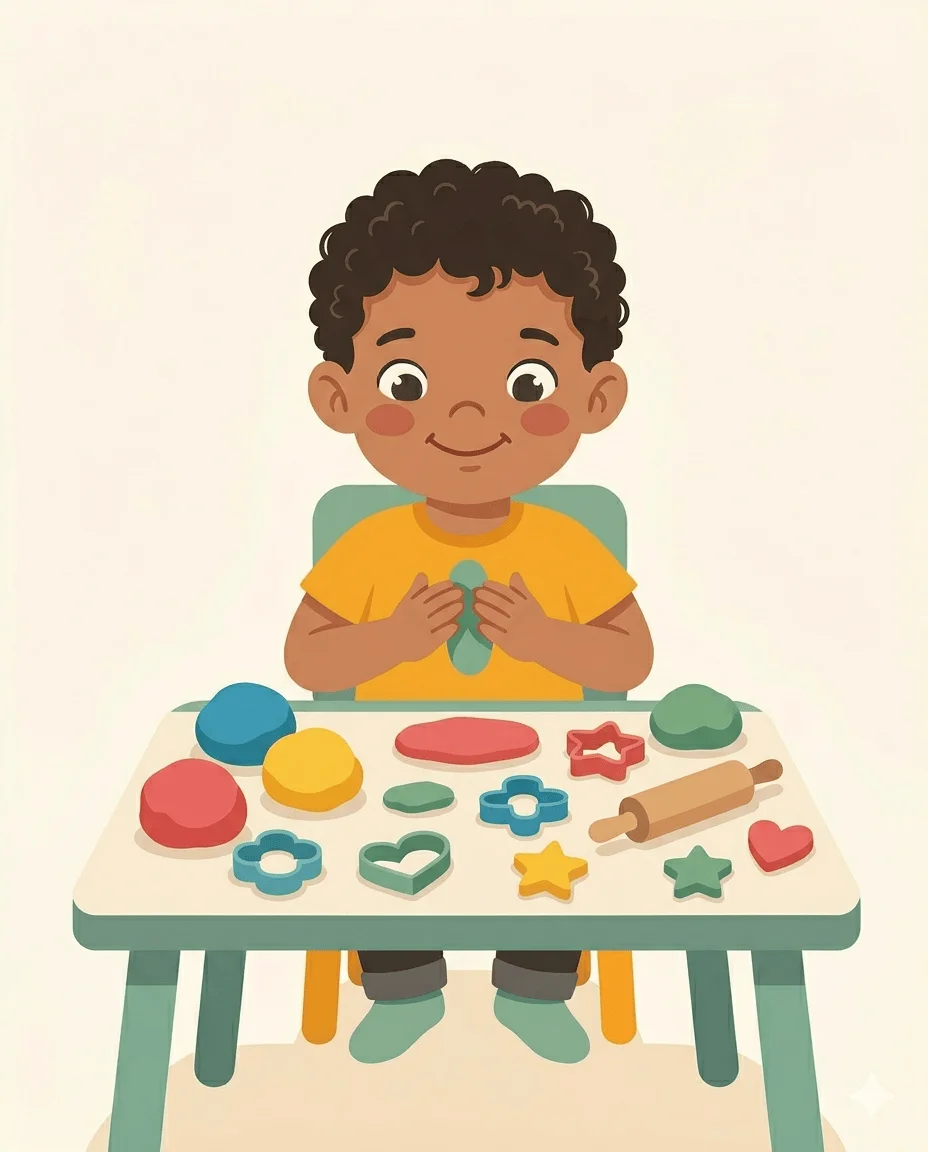
A simple visual sequence — eat lunch, nap, snack, mum comes back — drawn together so your toddler knows exactly when pickup happens at nursery.
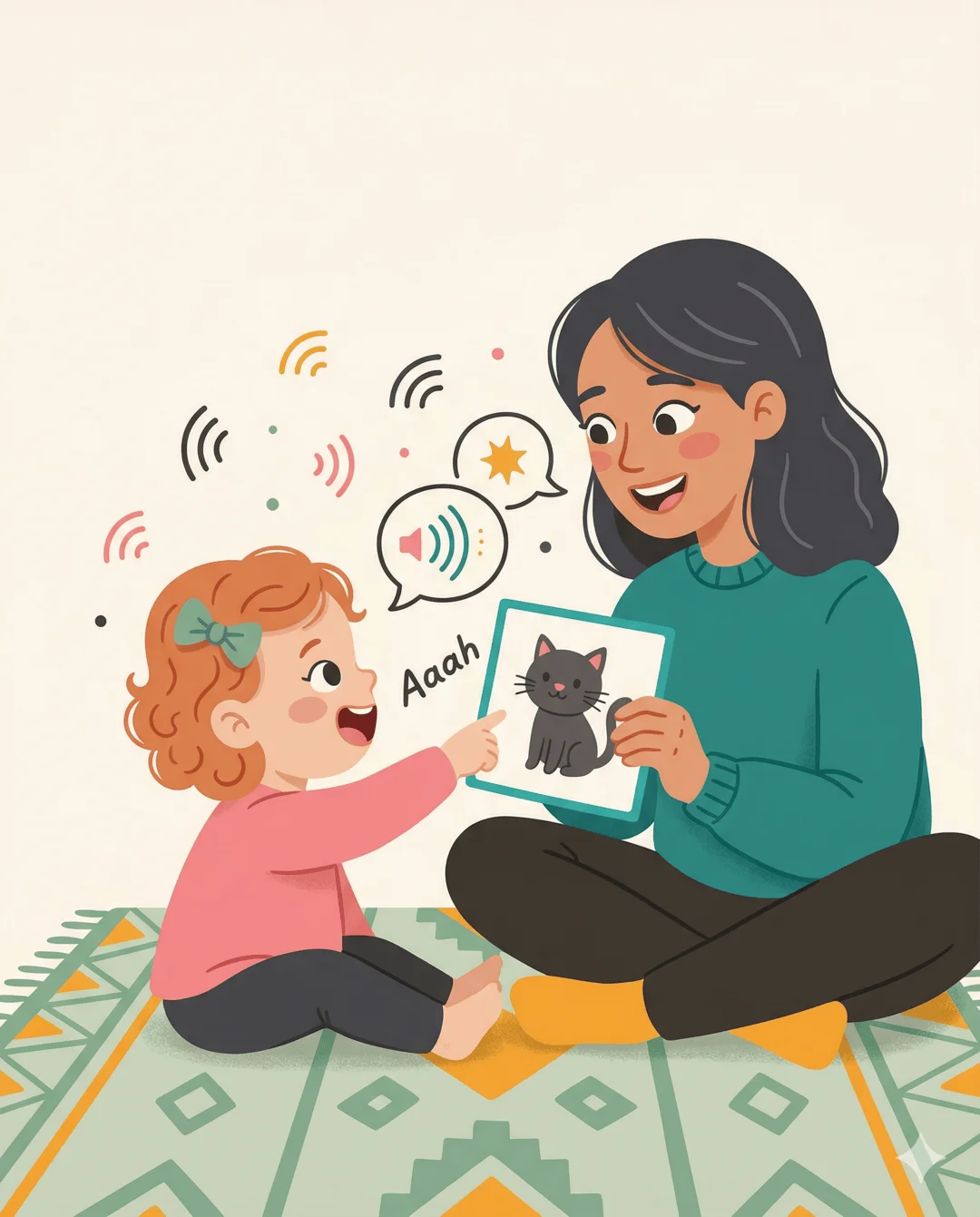
Point at each animal in a board book, make the sound, and wait for baby to try.
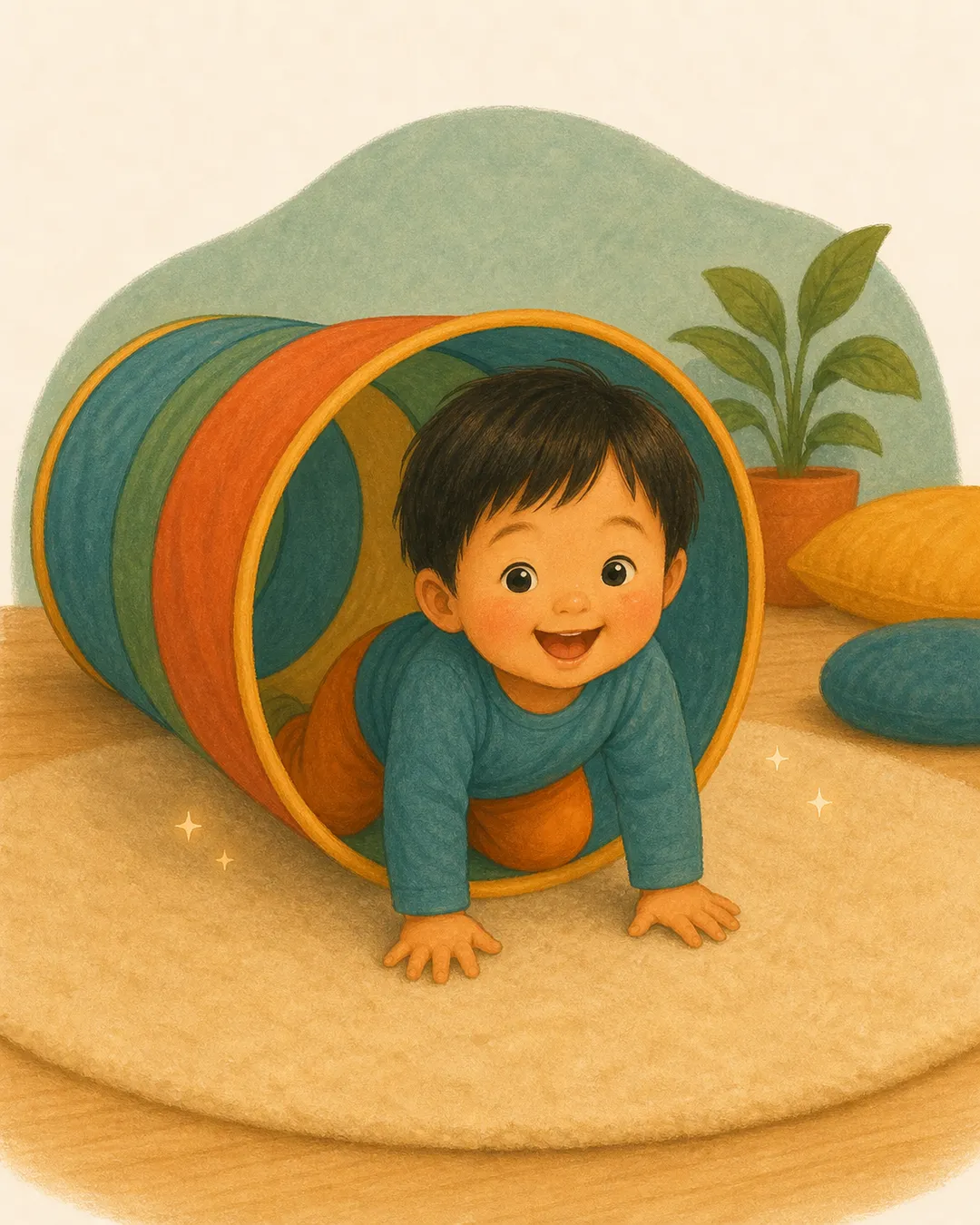
Move like different animals across the room.
Kneel beside an ant trail and just watch them work — who is carrying what, where they're going, what happens when two meet coming the other way.
Showing 8 of 265 activities
Your child uses four-to-five-word sentences, asks abstract ‘why’ and ‘how’ questions, corrects your grammar, or tells detailed stories about things that happened yesterday.
Introduce richer vocabulary naturally — instead of ‘big dog’, try ‘enormous’ or ‘gigantic’. Ask open-ended questions about stories: ‘What do you think happens next?’ Let them retell favourite books in their own words.
A child who speaks in complex sentences may still struggle with the physical act of drawing letters or sitting still for a story. Language can race ahead while fine motor and attention develop at a typical pace.
Vygotsky’s research shows that language development is closely tied to cognitive growth — children who hear richer language develop more complex thinking. More recent research suggests that the quality of back-and-forth conversation matters more than sheer word count.
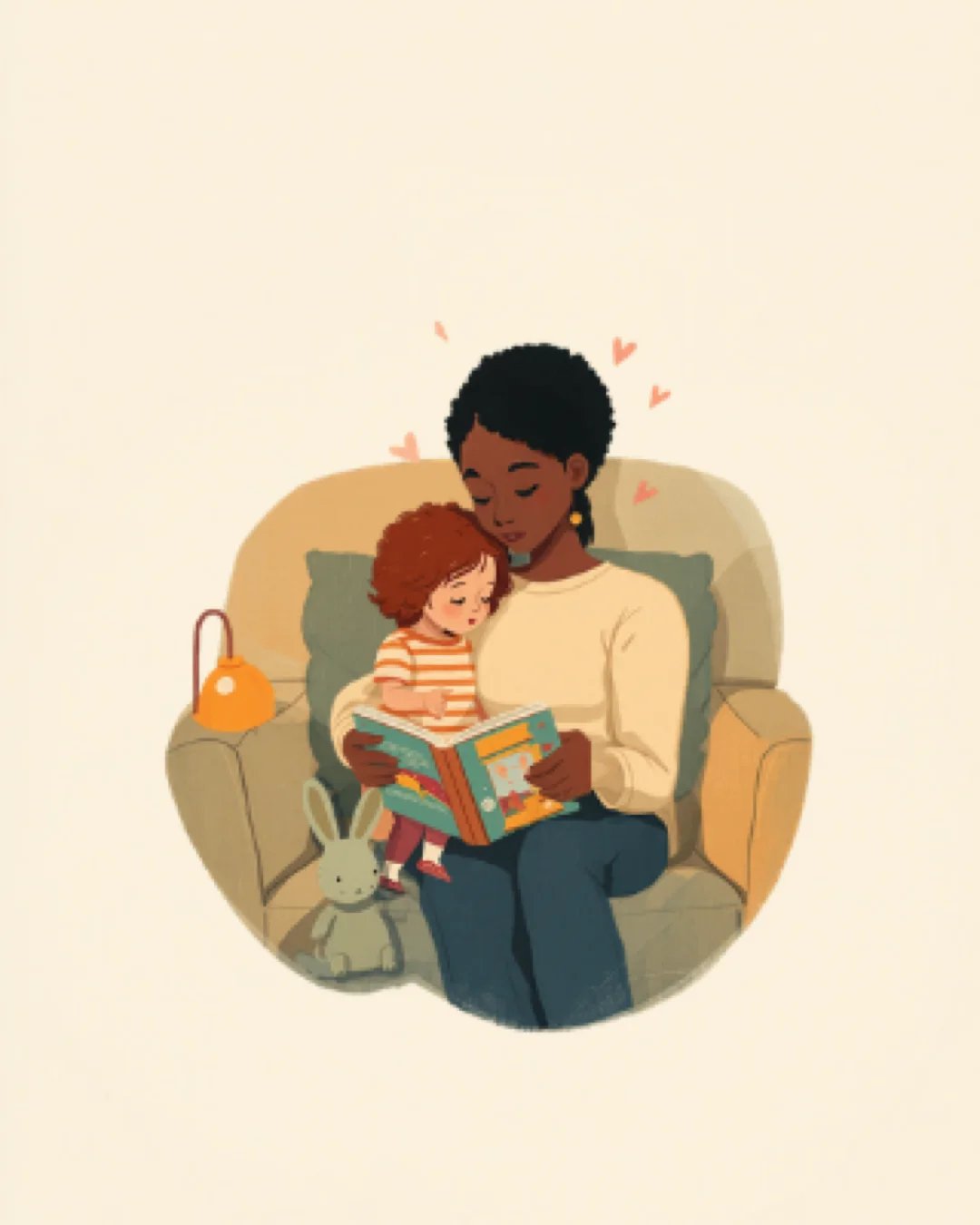
Pick one new word each morning and weave it through the day — building vocabulary through repetition and play.
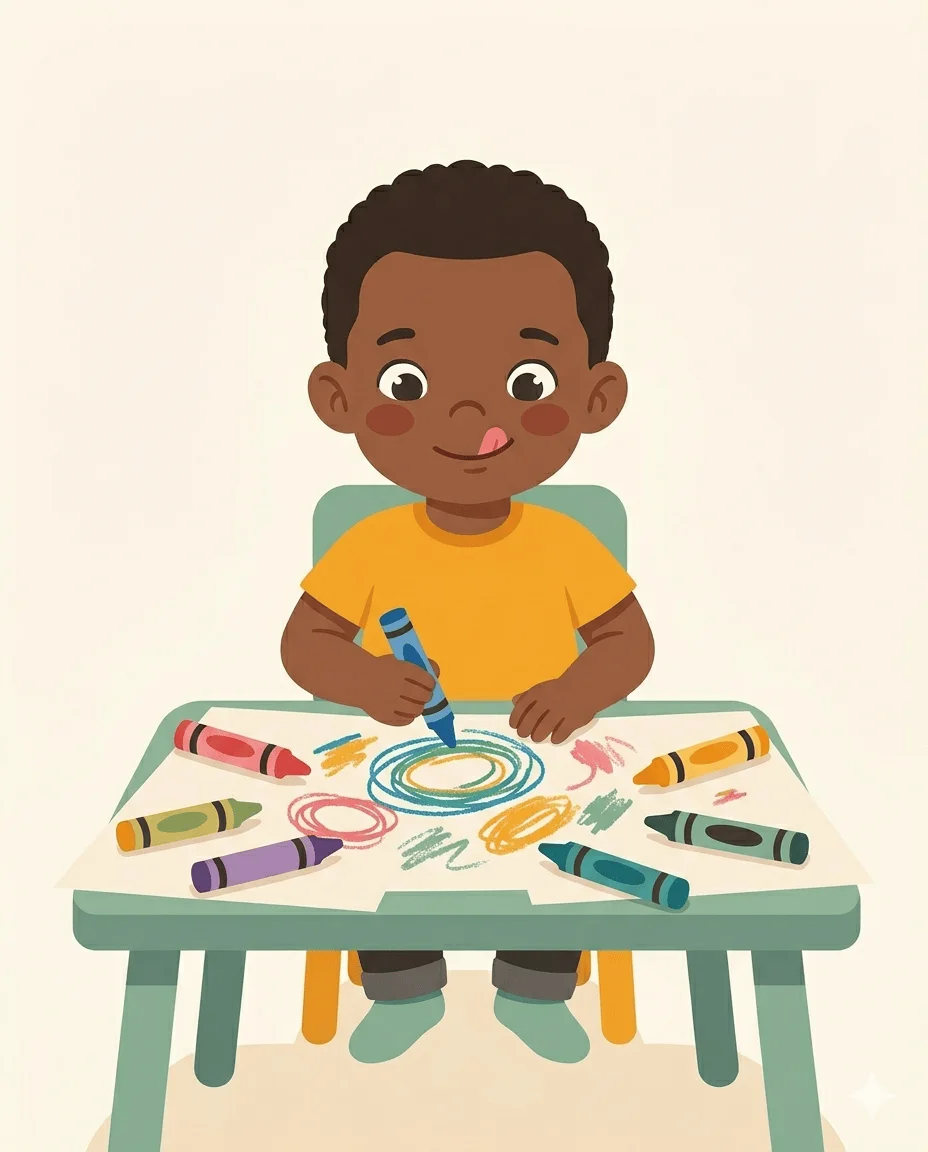
Create a simple homemade book together from scratch, from the story idea to the illustrated cover.
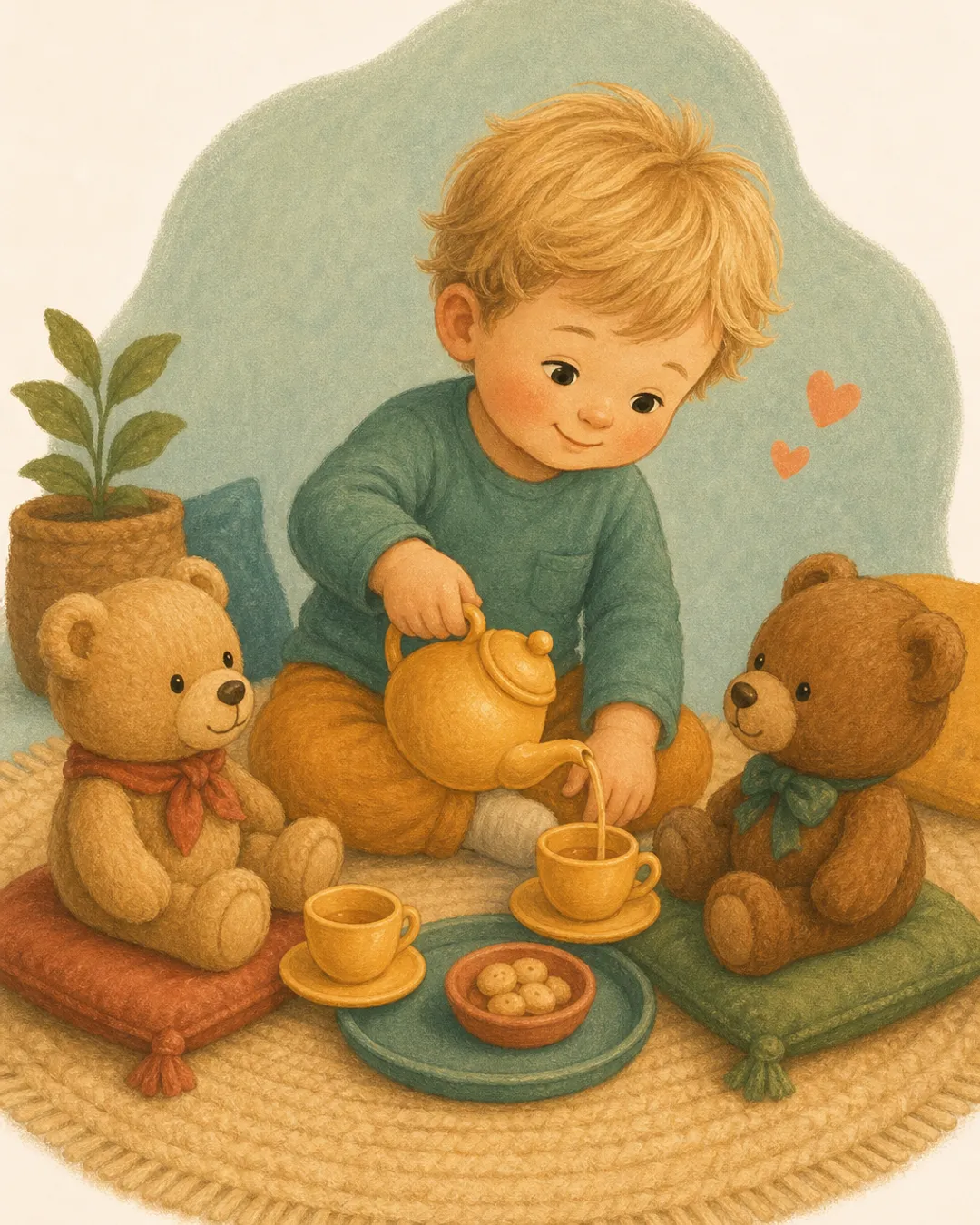
Build a story together one sentence at a time, with each person contributing the next part.
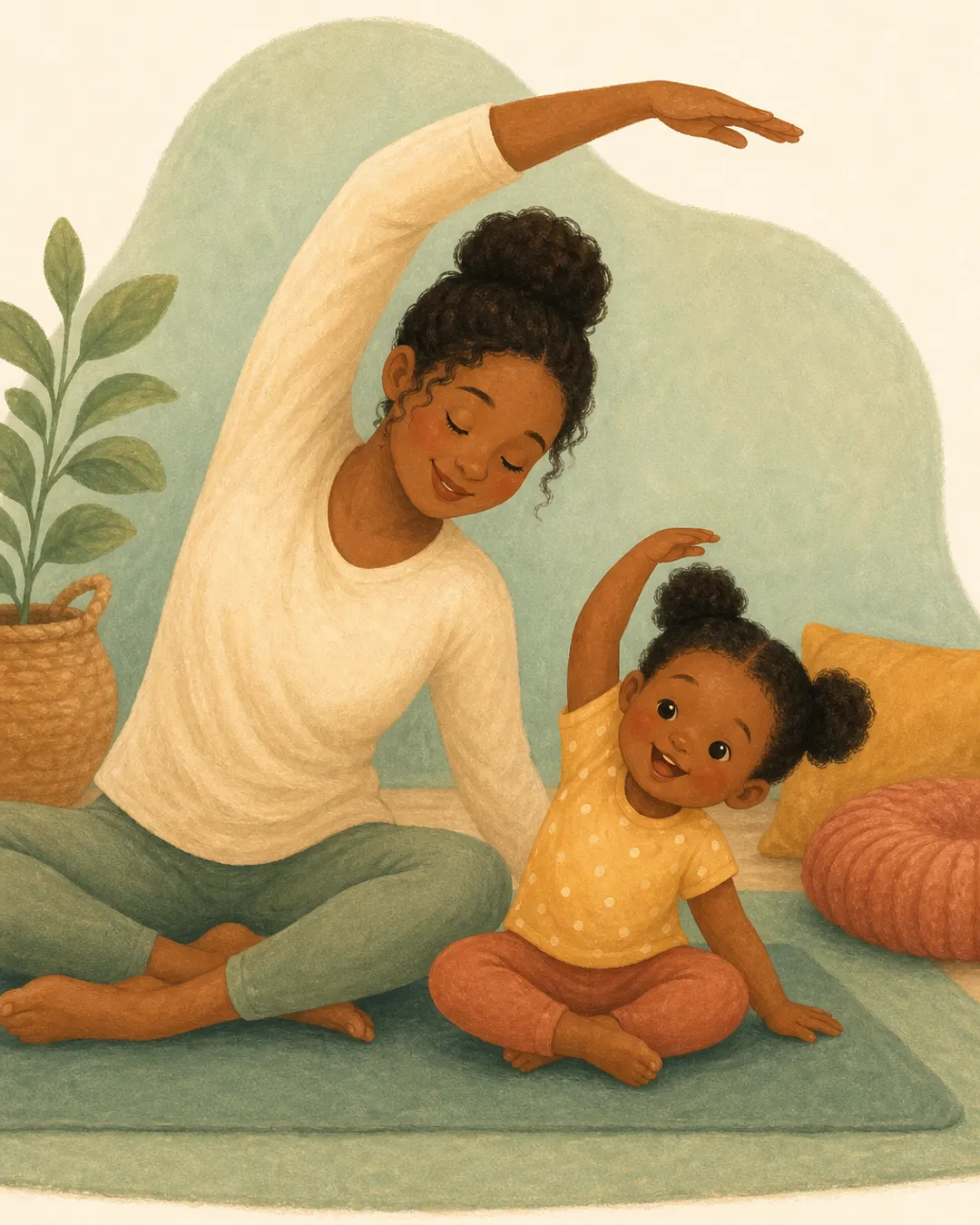
Act out emotions without words and guess what the other person is feeling to build emotional literacy.
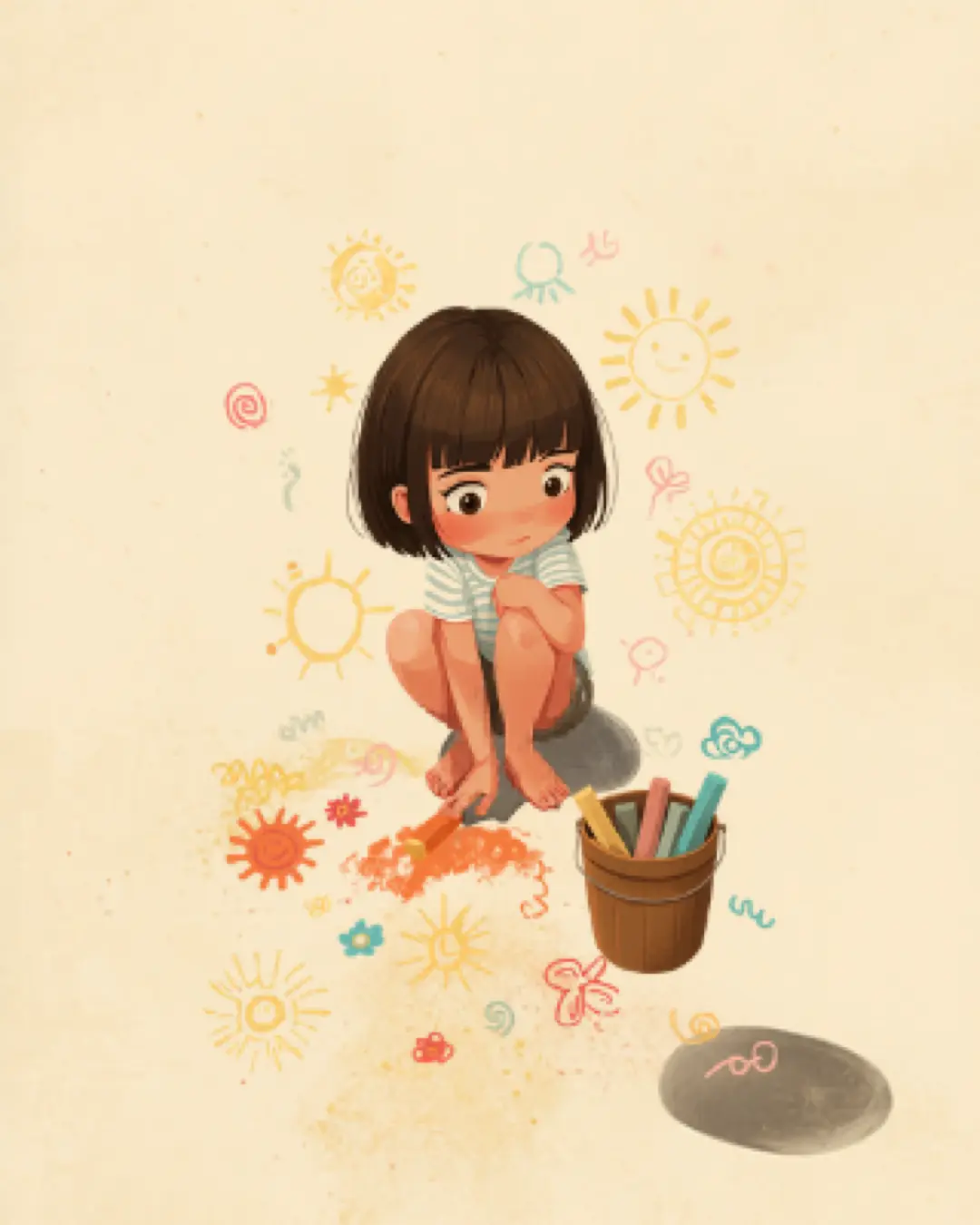
Draw a map of an imaginary land together, naming places and inventing the stories that go there.
Hunt around the home for objects beginning with a target letter sound — phonics learning in disguise.
Create new characters by combining features from different animals, people, and creatures.
Use simple sock puppets to act out social scenarios from different characters' points of view.
Showing 8 of 16 activities
Language development covers speaking, understanding words, following instructions, and expanding vocabulary. Most toddlers move from single words to short phrases between 18 and 30 months, though the range of typical development is wide.
Signs include pointing at things and naming them, following simple instructions like ‘bring me your cup,’ and combining words into short phrases. Understanding usually develops well ahead of speech — your child may know 200 words before they can say 20.
Narrate your day as you go (‘I’m putting on your shoes’), expand on their words (‘Dog!’ → ‘Yes, big brown dog!’), read together daily, and sing songs with actions. Give your child time to respond — count to five silently before jumping in.
One email a week with age-appropriate activities, developmental tips, and practical play ideas. No spam, unsubscribe any time.