
Why this skill matters
Each skill area supports everyday confidence, communication, and play. Growth here often shows up as small, repeated gains rather than sudden leaps.
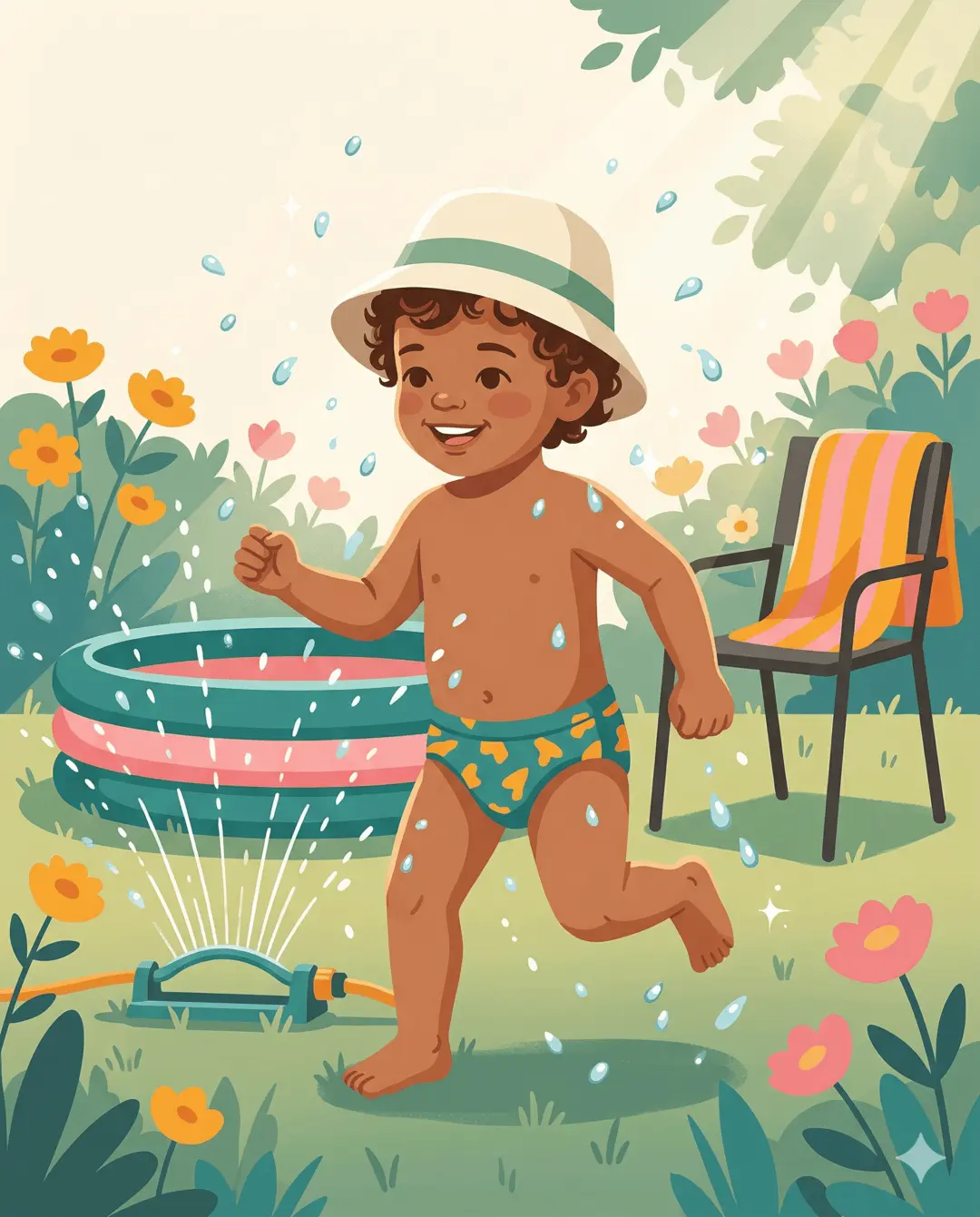
At a glance: Exploring different textures, sounds, smells, and materials to build neural connections. This is happening when your toddler squishes playdough between their fingers, splashes in puddles, smells flowers on a walk, or runs their hands through sand. Sensory play is not just fun but essential for brain development, helping children process and respond to the world around them. Browse 195 related activities below.

Each skill area supports everyday confidence, communication, and play. Growth here often shows up as small, repeated gains rather than sudden leaps.
Short, repeated activities usually build this skill better than one long session. Keep the challenge light and the interaction playful.
Look for slightly longer engagement, smoother coordination, or more willingness to try the skill again tomorrow.
Outdoor adventures
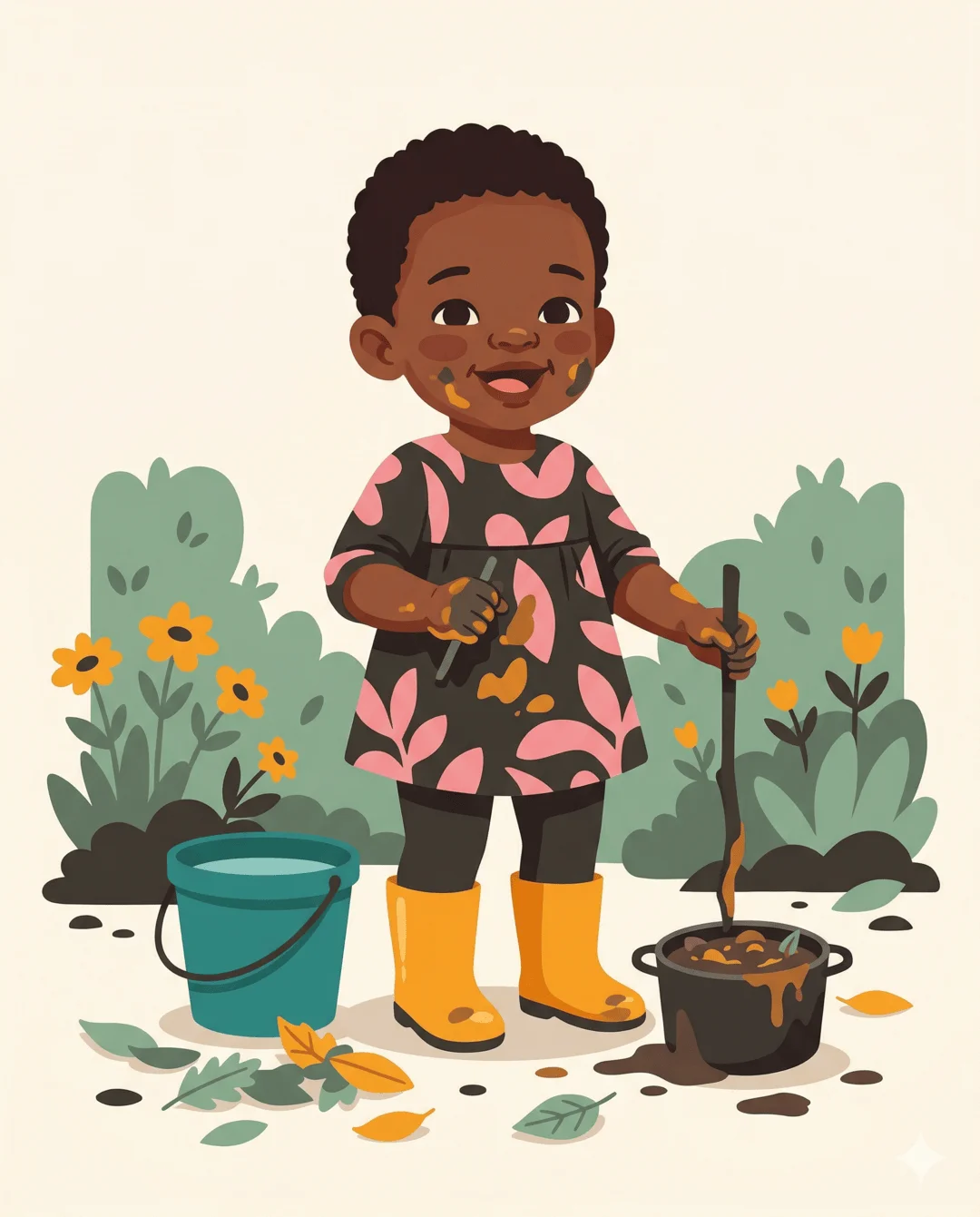
Fresh air, muddy hands, and big movement — perfect for burning energy and exploring nature.
Try Nature Collection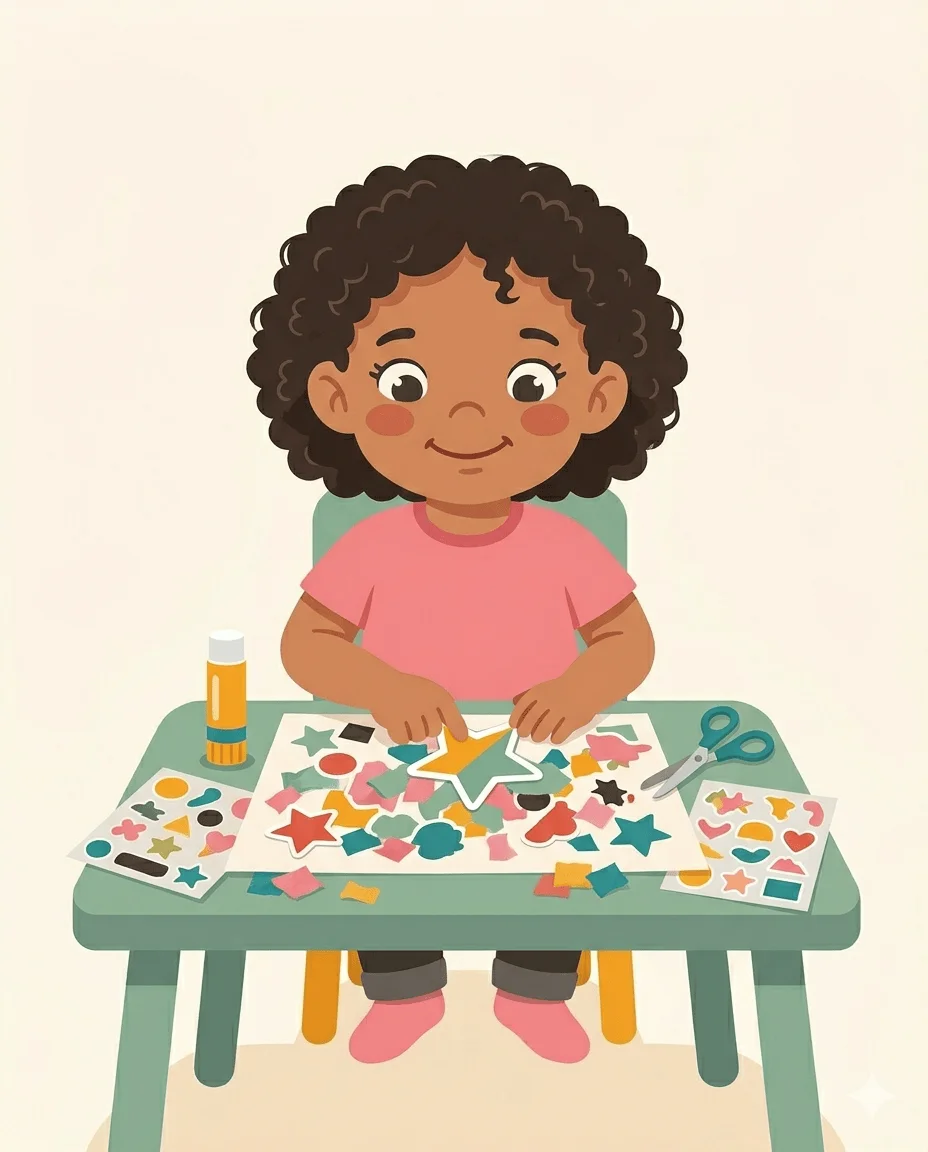
Use big, fast brush strokes on large paper to express angry feelings through colour and movement — a safe outlet for fury.
Kneel beside an ant trail and just watch them work — who is carrying what, where they're going, what happens when two meet coming the other way.
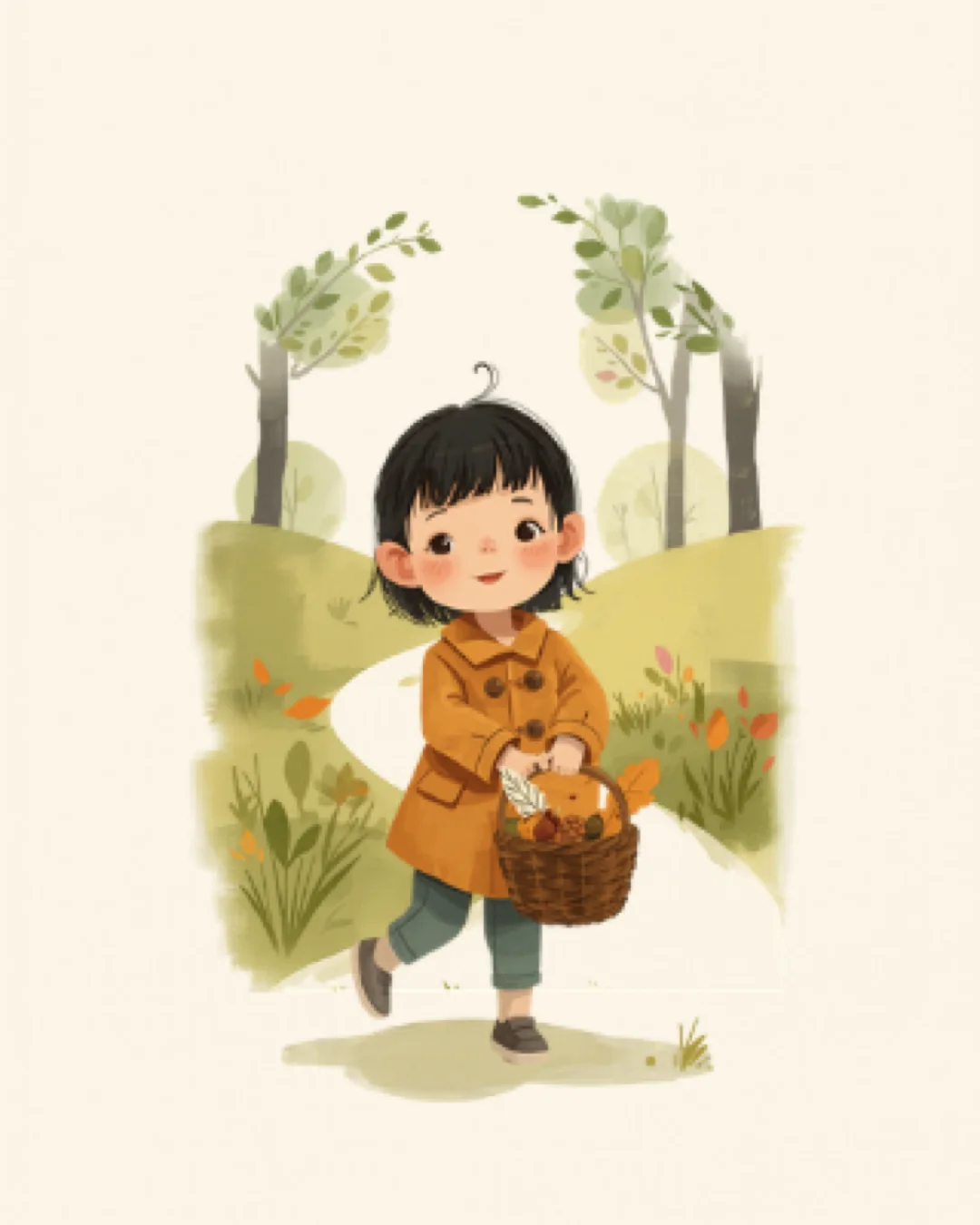
Bring a paint colour chart on an autumn walk and match leaves to the closest colour swatch.
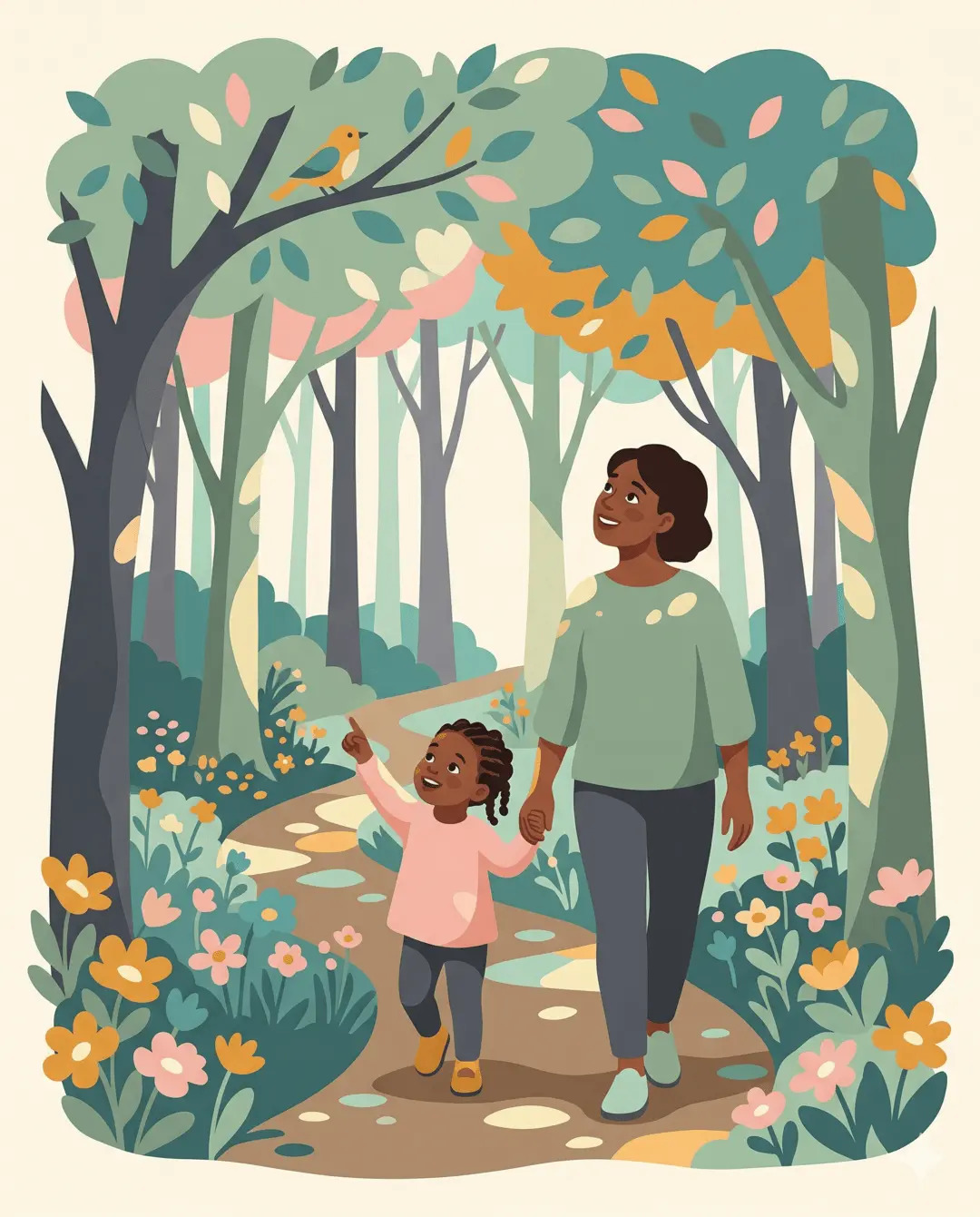
Stomp through crunchy autumn leaves, then gather and sort them by colour, size, or shape — a high-energy seasonal adventure.
An autumn nature craft — thread fallen leaves onto string to make a colourful garland.
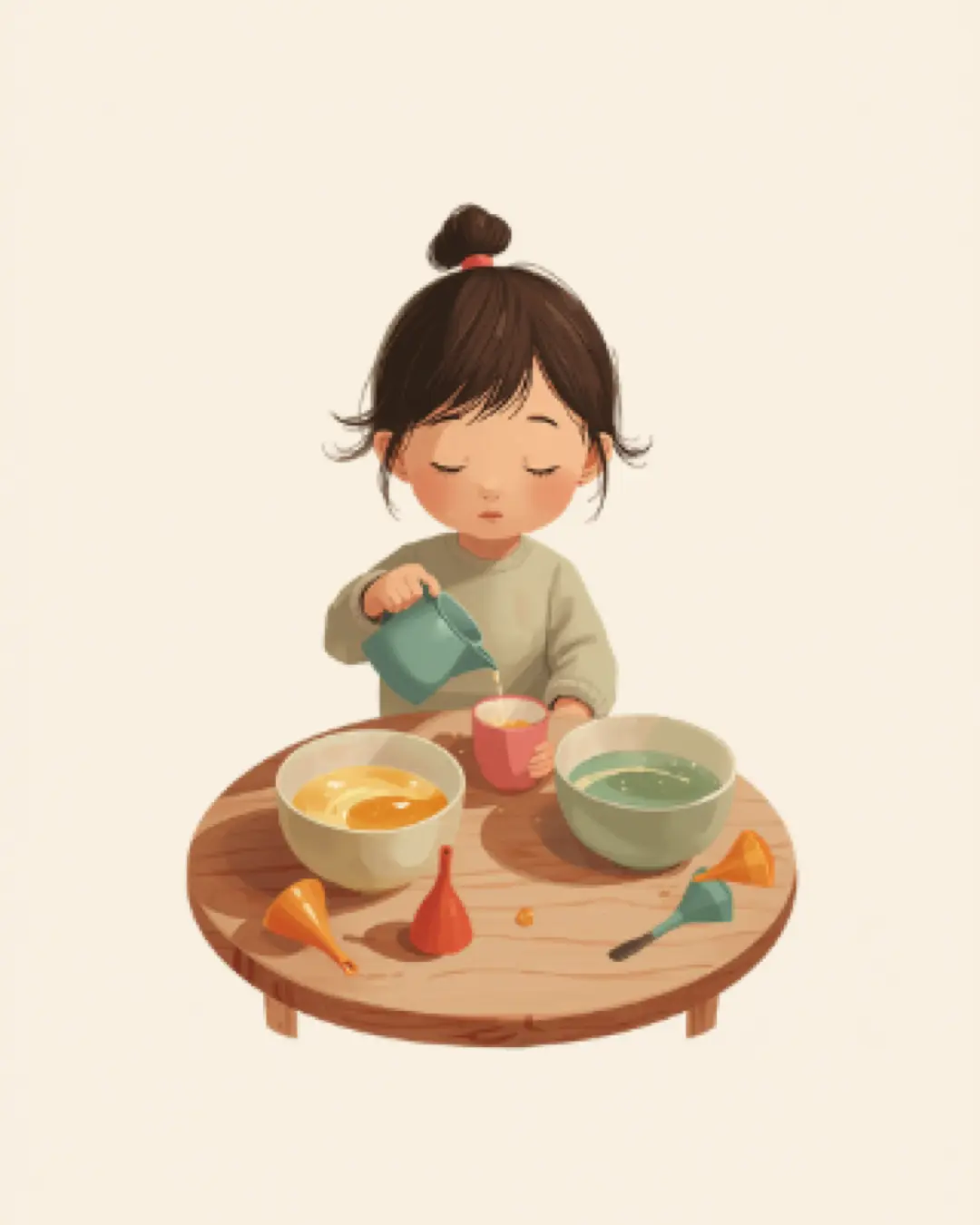
Let your toddler mash bananas in a bowl with a fork for a tasty snack.
Take off shoes and socks and walk barefoot across grass, soil, pebbles, and sand in the garden.
Create a barefoot sensory path with different textures and walk the trail together.
Showing 8 of 195 activities
Sensory exploration is how toddlers learn about the world through touch, sound, smell, sight, and movement. It builds the neural connections that help children process and respond to their environment. Sensory play is not just fun — it’s essential for brain development.
A child who squishes playdough, splashes in puddles, smells flowers, or runs their hands through sand is actively building sensory pathways. If your child avoids or intensely seeks certain textures or sounds, they may have sensory processing differences worth discussing with your health visitor.
Water play, rice or pasta bins, playdough, finger painting, sand, bubbles, and textured walks (barefoot on grass, bark, stones). Start with what your child gravitates toward and let them lead. Sensory play doesn’t need expensive equipment — a washing-up bowl and some kitchen items will do.
One email a week with age-appropriate activities, developmental tips, and practical play ideas. No spam, unsubscribe any time.