At a glance: Bolts or runs off in shops, car parks, and public spaces. This is a normal part of toddler development. See practical steps and related activities below.
Built by a parent of toddlersDesigned for common toddler moments across 1 to 4 years (12–48 months)
Field-tested ideas shaped by direct parenting experience and guidance from reputable sources including the NHS, NSPCC, and Zero to Three.
Try this first
Hold hands near roads and car parks. Non-negotiable — this is safety, not control.
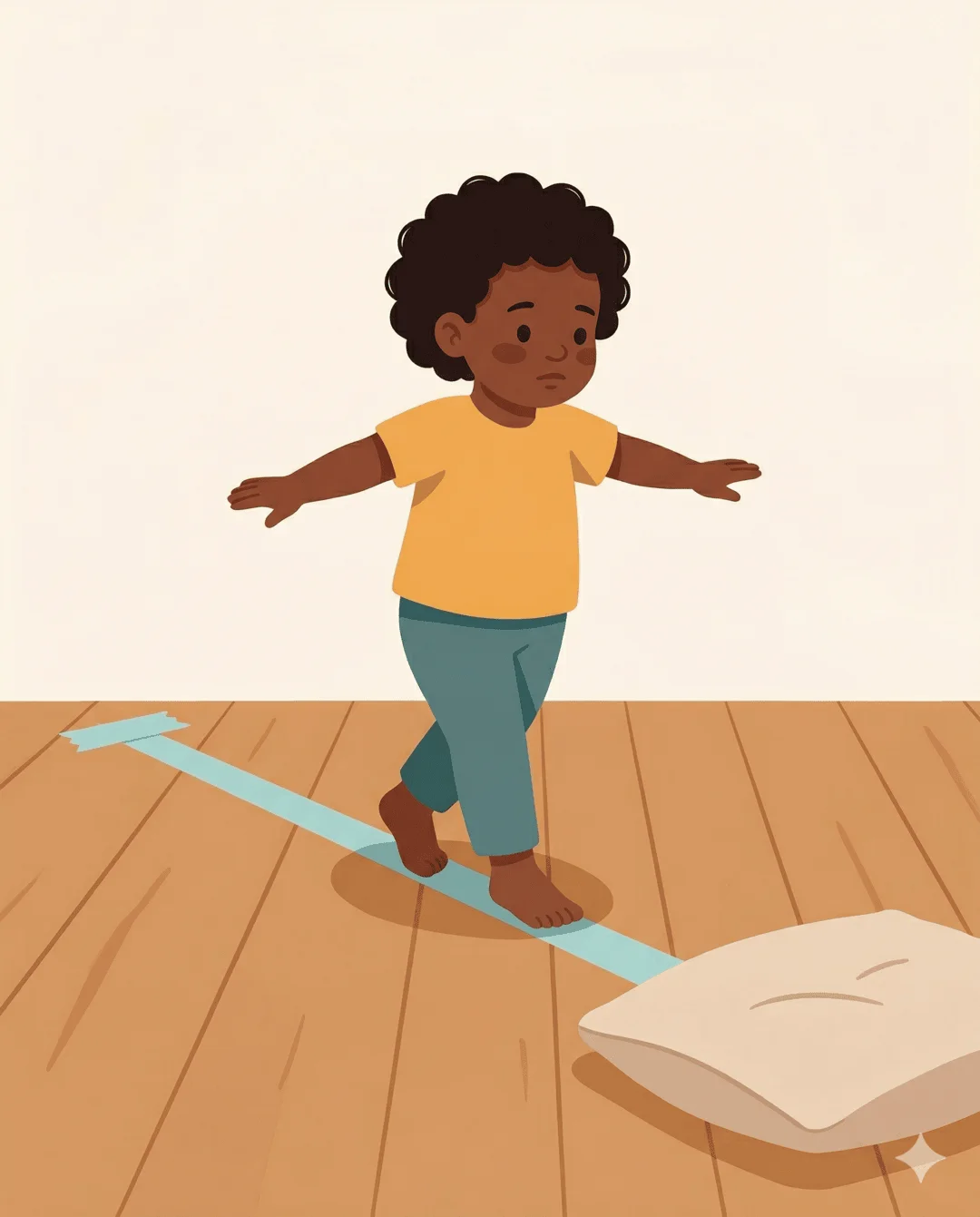
Make the walk a game: counting lamp-posts, colour hunts, penguin waddles home.
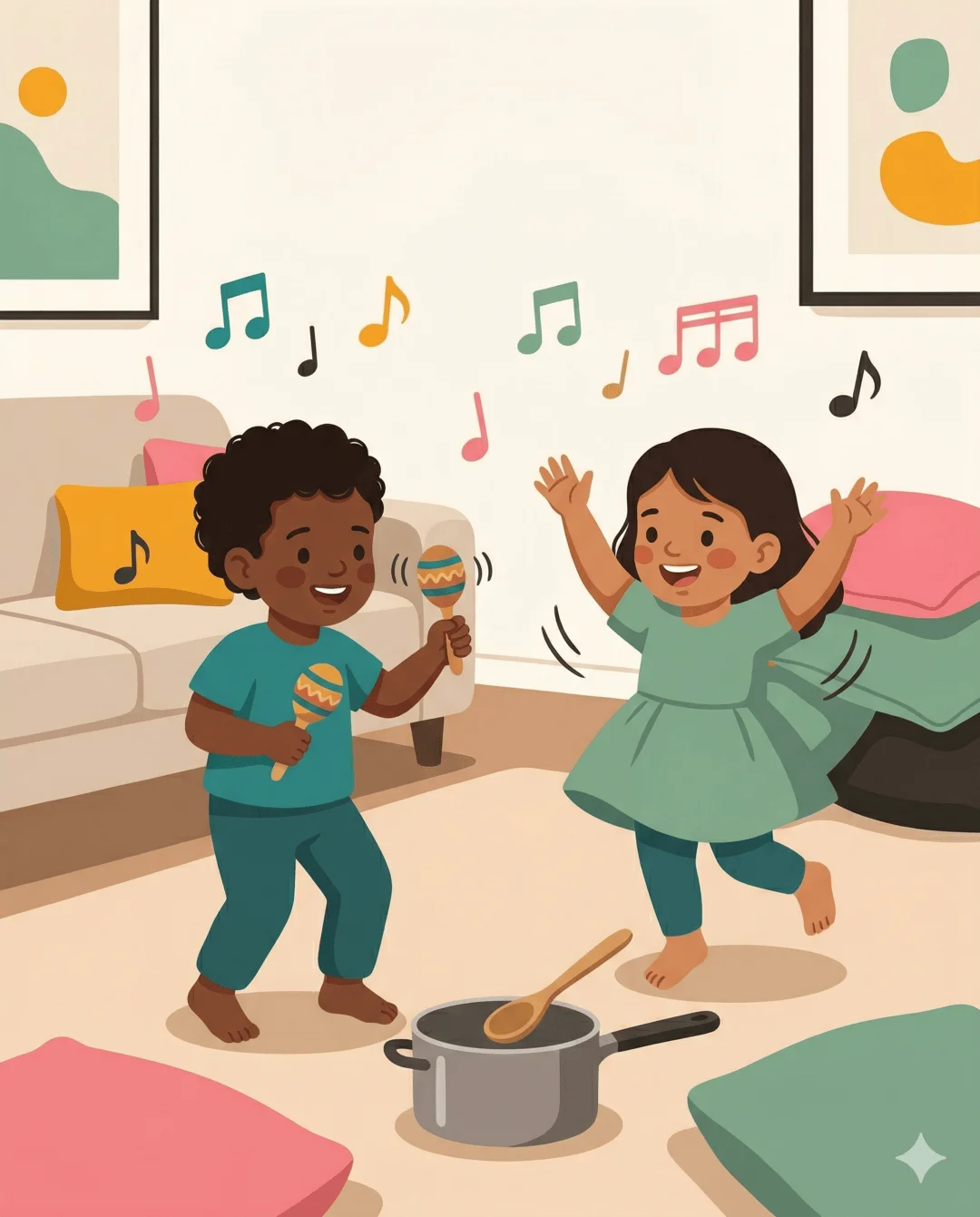
Practise “stop” as a game at home first. It needs to be fun before it’s a rule.
If they bolt outside, don’t chase — chasing is the game. Crouch, call calmly; most come back.
Why this works
Make hand-holding non-negotiable in specific places — near roads, in car parks, crossing the street. Hand-holding is the single most important rule, and it doesn't bend for "just this once". Teach "stop" as a game at home first — red light/green light builds the neural pathway before you actually need it. Use a toddler harness or wrist link without shame; if your child is likely to bolt, safety reins are a perfectly sensible tool, not a punishment. Set expectations before entering a space ("We hold hands in the car park"). Satisfy the running urge in safe spaces first — let them tear around a park or garden so they're less desperate to bolt the moment they see open ground. And keep instructions short, simple, and from up close, not shouted from across the road.
Many toddler behaviour spikes come from hunger, tiredness, transitions, or a mismatch between big feelings and limited language. The goal is regulation first, teaching second.
When should I worry about running away in public?
If this pattern feels intense, persistent, or starts affecting sleep, safety, nursery, or family routines, it’s worth speaking to a professional. Your health visitor or GP can discuss your concerns and refer you to specialist support if needed. The NSPCC helpline (0808 800 5000) also offers free, confidential advice on any child behaviour concern.
More on this moment
When to use this guide
Use this when your child bolts in public, refuses to hold hands, or treats roads and car parks like a game — and you need strategies that keep everyone safe.
When to step back
If you are near a road or in immediate danger, do not try a play-based strategy. Pick your child up, move to safety, and use these approaches later in a calm moment.
What success looks like
Your child stops when you call their name, holds your hand for short stretches, or waits at a kerb without being held back.
What to try first
Practise 'stop and go' as a game at home first. Use a clear word ('freeze!') and make it fun. Only expect it to transfer to real situations after many repetitions.
Toddlers have no concept of danger — roads, car parks, and crowds don't register as threats. Running is a relatively new and exhilarating motor skill they want to practise constantly. Their impulse control is essentially absent before age 3, so seeing an open space triggers "run!" before any thought of stopping arrives. They also lack the working memory to hold a rule ("stay close") in mind while something exciting catches their eye. The Royal Society for the Prevention of Accidents (RoSPA) puts it directly: it's common for toddlers and preschoolers to want to run ahead, and they don't always stop when you tell them to. This isn't disobedience — it's developmentally normal behaviour meeting an environment that genuinely isn't safe for it.
What should I avoid during running away in public?
Don't chase them while laughing or smiling — it instantly becomes a game and they'll do it again. Don't rely on verbal commands from a distance; they either can't hear you or can't override the impulse to keep running. Don't assume they'll learn from a near-miss ("that car almost hit you") — fear-based learning doesn't work reliably at this age. Don't shame them for wanting to run — the urge is healthy, the location is the problem. And don't underestimate driveways: toddlers behind a car are often invisible to the driver inside.
Every child is different, and progress isn’t always steady. With a calm, consistent response and a little time, many families find things gradually ease. A brief wobble — or a patch where it feels harder — is usually part of the process, not a sign you’re doing anything wrong.
Get weekly tips for tough toddler moments
One email a week with practical behaviour tips, calming activities, and developmental insights. No spam, unsubscribe any time.