TinyStepper

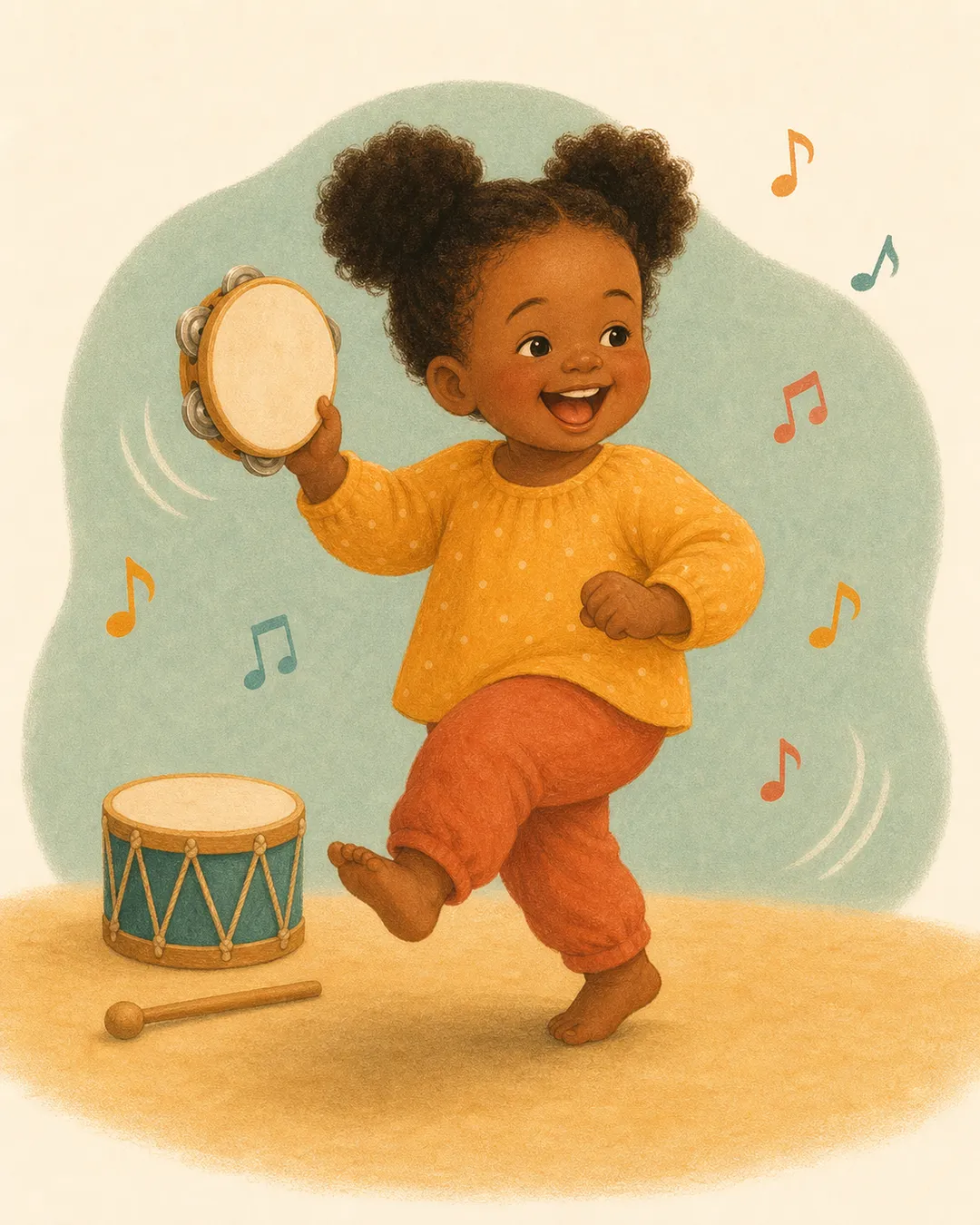
Dance Party Freeze

At a glance: Dance to music then freeze when the music stops. A 7-minute, high-energy indoor activity for ages 18m4y. No prep needed.

Built by a parent of toddlersBest for 18m-4y

Field-tested ideas shaped by direct parenting experience and advice from reputable sources, including NHS Best Start in Life and NSPCC child development research.

18m4y7 minshigh energyindoornone messNo prep

A high-energy game that burns energy, practices impulse control, and channels excitement into structured play. The stop-and-go rhythm teaches toddlers to listen carefully and respond to cues, strengthening the self-regulation skills they need throughout the day. It works especially well during that restless late-afternoon window when everyone needs to move.

Best for this moment

when your toddler needs to move and burn energy, especially when you need an indoor option.

Parent tip

Start before you overthink it. No-prep activities work best when you begin while the moment is still recoverable.

What success looks like

A good outcome is a few minutes of engaged play, some back-and-forth with you, and a small sign of progress in body awareness.

More help for this situation

Instructions

Get ready
  • Play upbeat music toddlers enjoy
  • Dance together—model silly movements
  1. Play upbeat music toddlers enjoy
  2. Dance together—model silly movements
  3. Randomly pause the music
  4. Everyone freezes in place like statues
  5. Hold the freeze for 3-5 seconds
  6. Resume music and keep dancing
  7. Add variations: 'Freeze like a tree!' or 'Freeze on one foot!'
  8. Let toddlers take turns being the DJ who pauses music

Why it helps

The stop-and-go format directly practises impulse control, which is one of the hardest skills for toddlers to develop. Dancing builds gross motor coordination and rhythm awareness, while listening for the music to stop strengthens auditory attention.

Variations

  • Call out a pose to freeze in: 'Freeze like a flamingo!' or 'Freeze like a superhero!'
  • Use scarves or ribbons to wave while dancing for extra sensory input.
  • Play different music genres each round — classical, pop, nursery rhymes — and notice how movements change.

Safety tips

  • Clear the dance area of toys and sharp-edged furniture.
  • Make sure the floor is not slippery if dancing in socks.
  • Keep the volume at a comfortable level to protect little ears.

When to pause and seek extra support

Stop if your child becomes distressed, unsafe, or consistently frustrated by the activity. If play, behaviour, or development worries keep showing up across settings, check in with a qualified professional.

Get weekly activity ideas for your toddler

One email a week with practical toddler activities, behaviour tips, and developmental insights. No spam, unsubscribe any time.