TinyStepper

Animal Walk Parade

At a glance: Move like different animals across the room. A 7-minute, high-energy both activity for ages 18m4y. No prep needed.

Built by a parent of toddlersBest for 18m-4y

Field-tested ideas shaped by direct parenting experience and advice from reputable sources, including NHS Best Start in Life and NSPCC child development research.

18m4y7 minshigh energybothnone messNo prep

A fun way to burn energy while teaching animal names and building gross motor skills. Each animal movement targets different muscle groups and coordination patterns, from the deep core work of a bear crawl to the explosive leg power of bunny hops. Children also build vocabulary and imagination as they embody each creature, making this a full-body and full-brain activity.

Best for this moment

when your toddler needs to move and burn energy, especially when you need something flexible indoors or outdoors.

Parent tip

Start before you overthink it. No-prep activities work best when you begin while the moment is still recoverable.
What success looks like

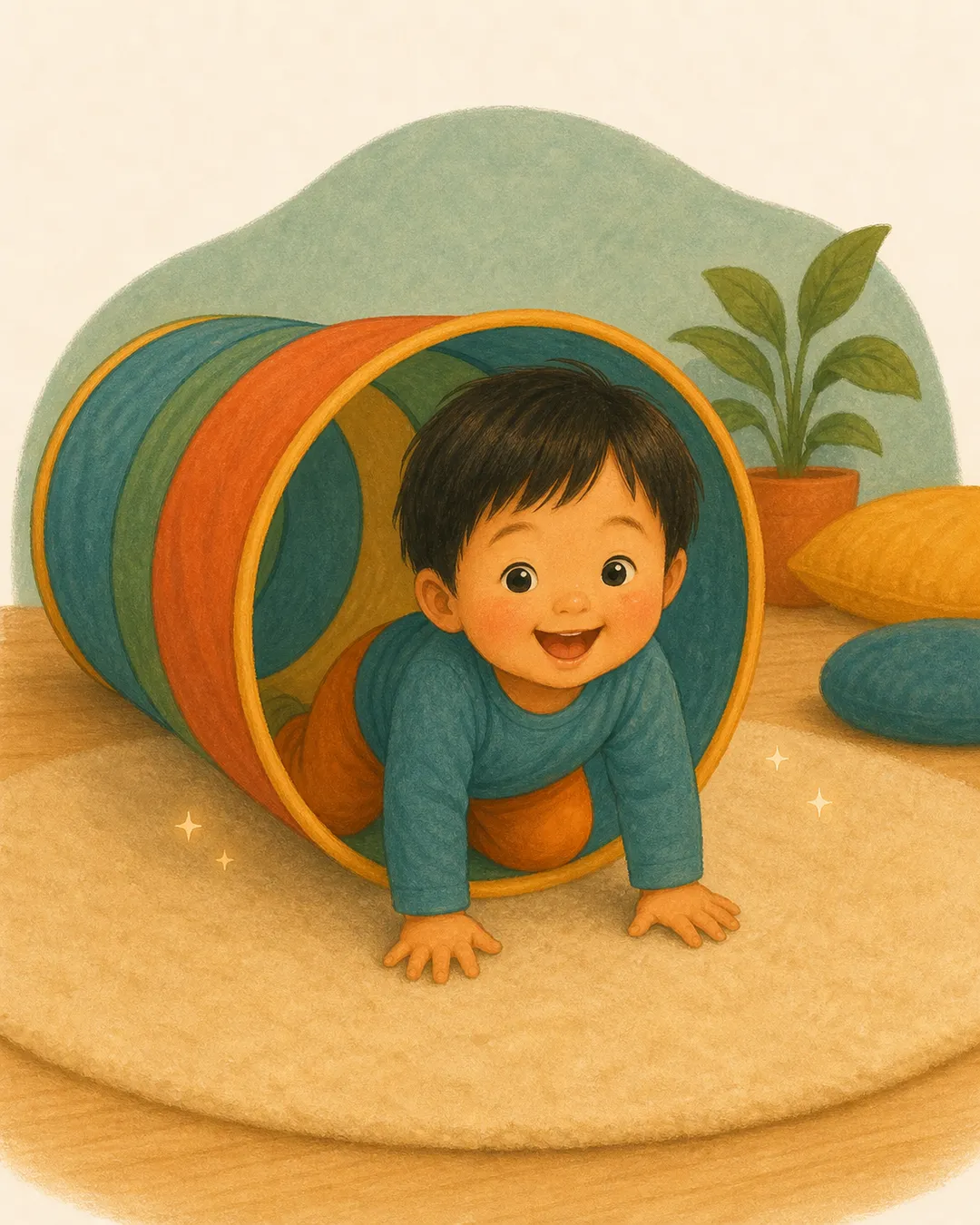
A good outcome is a few minutes of engaged play, some back-and-forth with you, and a small sign of progress in body awareness.

More help for this situation

Instructions

Get ready
  • Call out an animal: 'Let's be elephants!'
  • Model the movement: stomp heavily and swing your 'trunk'
  1. Call out an animal: 'Let's be elephants!'
  2. Model the movement: stomp heavily and swing your 'trunk'
  3. March across the room together
  4. Switch animals frequently: bunny hops, bear crawls, crab walks, snake slithers, bird flaps
  5. Make animal sounds while moving
  6. Let toddler choose the next animal
  7. Add direction: 'Hop backwards like a bunny!'
  8. End with a slow animal like a turtle to wind down

Why it helps

Each animal movement targets different muscle groups — bear crawls build arm and core strength, bunny hops develop leg power, and crab walks improve coordination. Learning animal names and sounds builds vocabulary, while imitating movements strengthens motor planning.

Variations

  • Add animal sounds and have your toddler guess which animal before you demonstrate.
  • Parade outdoors in the garden for more space and uneven terrain.
  • Use animal picture cards and let your toddler pick the next creature to imitate.

Safety tips

  • Clear the path of obstacles and sharp furniture corners.
  • Use a soft surface like carpet or grass for crawling movements.
  • Watch for fatigue, especially during bear crawls which are physically demanding.

When to pause and seek extra support

Stop if your child becomes distressed, unsafe, or consistently frustrated by the activity. If play, behaviour, or development worries keep showing up across settings, check in with a qualified professional.

Get weekly activity ideas for your toddler

One email a week with practical toddler activities, behaviour tips, and developmental insights. No spam, unsubscribe any time.