TinyStepper

Emotion Charades

At a glance: Act out emotions without words and guess what the other person is feeling to build emotional literacy. A 15-minute, low-energy indoor activity for ages 2y4y.

Built by a parent of toddlersBest for 2y-4y

Field-tested ideas shaped by direct parenting experience and advice from reputable sources, including NHS Best Start in Life and NSPCC child development research.

2y4y15 minslow energyindoornone mess

Create a simple set of emotion cards — draw or write: happy, sad, surprised, worried, excited, disgusted, proud, nervous — and take turns drawing a card and acting out the emotion with your face and body only. The other person guesses. After a correct guess, talk briefly about when you might feel that way: "When do you feel proud?" This gentle game makes the invisible inner world visible, naming and normalising the full range of human emotion in a safe, playful context.

Best for this moment

for calmer, lower-pressure moments, especially when you need an indoor option.

Parent tip

Set out markers and paper before inviting your toddler in so the first minute feels smooth.
What success looks like

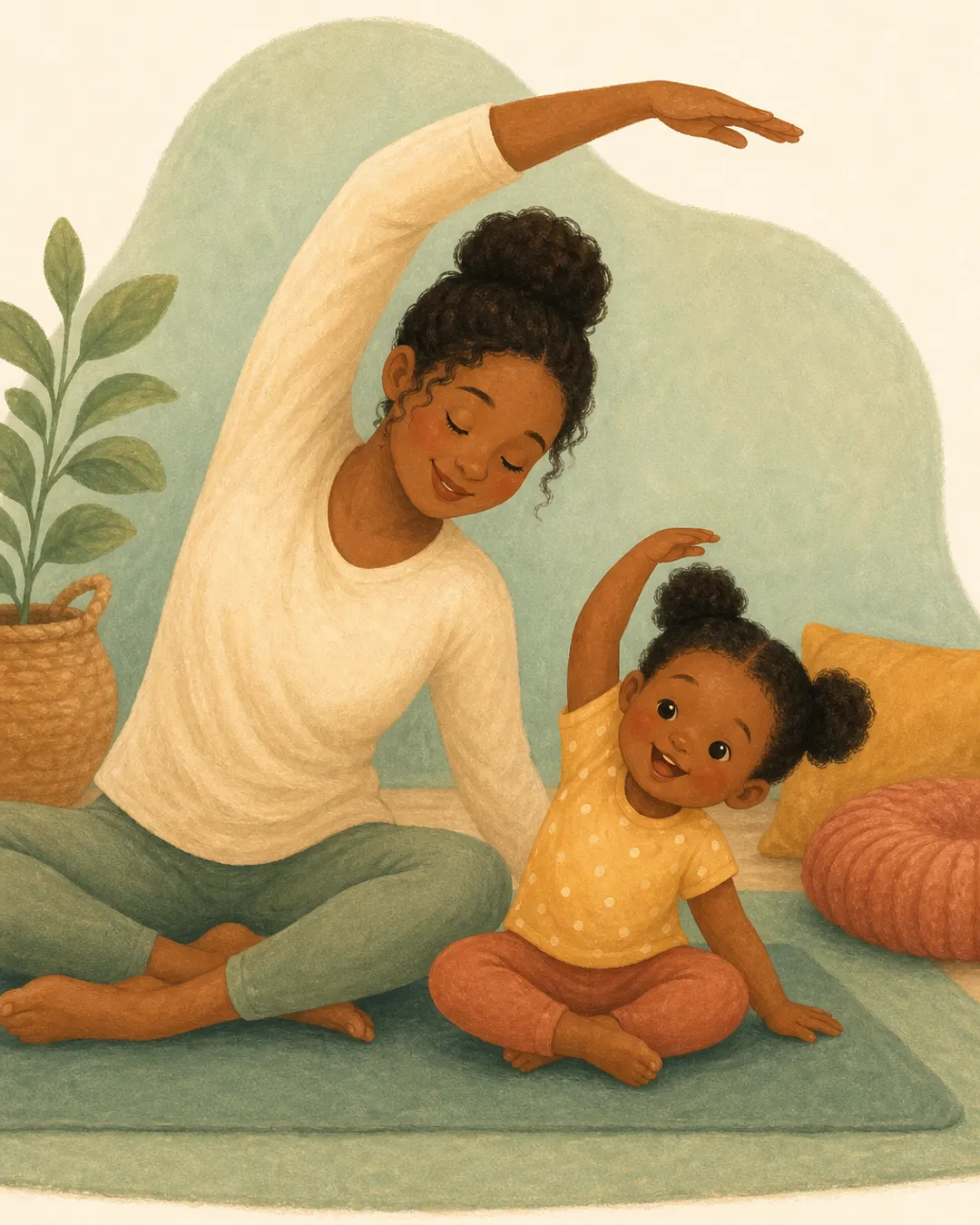
A good outcome is a few minutes of engaged play, some back-and-forth with you, and a small sign of progress in emotional regulation.

More help for this situation

Instructions

Get ready
  • Make a simple set of eight emotion cards: write the word and draw a matching face.
  • Shuffle the cards and place them face-down.
  1. Make a simple set of eight emotion cards: write the word and draw a matching face.
  2. Shuffle the cards and place them face-down.
  3. Draw the top card, read it (keep it secret), and act out the emotion.
  4. Your child guesses — give three chances before revealing.
  5. Celebrate the guess and ask: "When do you feel [emotion]?"
  6. Share your own genuine example: "I feel proud when you try something hard."
  7. Swap roles and let your child act out the next card.
  8. End by making the biggest, silliest version of each emotion together.

Why it helps

Emotional literacy — the ability to name, recognise, and understand emotions — is a foundational social-emotional skill that predicts peer acceptance, conflict resolution ability, and mental health outcomes (Denham et al., 2003). By physically embodying emotions and then connecting them to real-life contexts ("when might you feel this?"), children develop both recognition and the emotional vocabulary needed to communicate their inner experience. The playful charades format removes any performance pressure and models that talking about all emotions is safe and normal.

Variations

  • Use a mirror so your child can see their own facial expression while performing.
  • Act out an emotion and then draw a face showing that feeling.
  • Add body postures as clues for less recognisable emotions.

Safety tips

  • Include positive emotions prominently so the game doesn't feel weighted towards difficult feelings.
  • If a child becomes genuinely distressed during a card, set it aside and return to playful territory.
  • Avoid acting out emotions in a way that could startle sensitive children — keep performances playful, not intense.

When to pause and seek extra support

Stop if your child becomes distressed, unsafe, or consistently frustrated by the activity. If play, behaviour, or development worries keep showing up across settings, check in with a qualified professional.

Get weekly activity ideas for your toddler

One email a week with practical toddler activities, behaviour tips, and developmental insights. No spam, unsubscribe any time.