TinyStepper

Backyard Obstacle Marathon

At a glance: Build a multi-station outdoor obstacle course and run it over and over. A 25-minute, high-energy outdoor activity for ages 2y4y.

Built by a parent of toddlersBest for 2y-4y

Field-tested ideas shaped by direct parenting experience and advice from reputable sources, including NHS Best Start in Life and NSPCC child development research.

2y4y25 minshigh energyoutdoornone mess

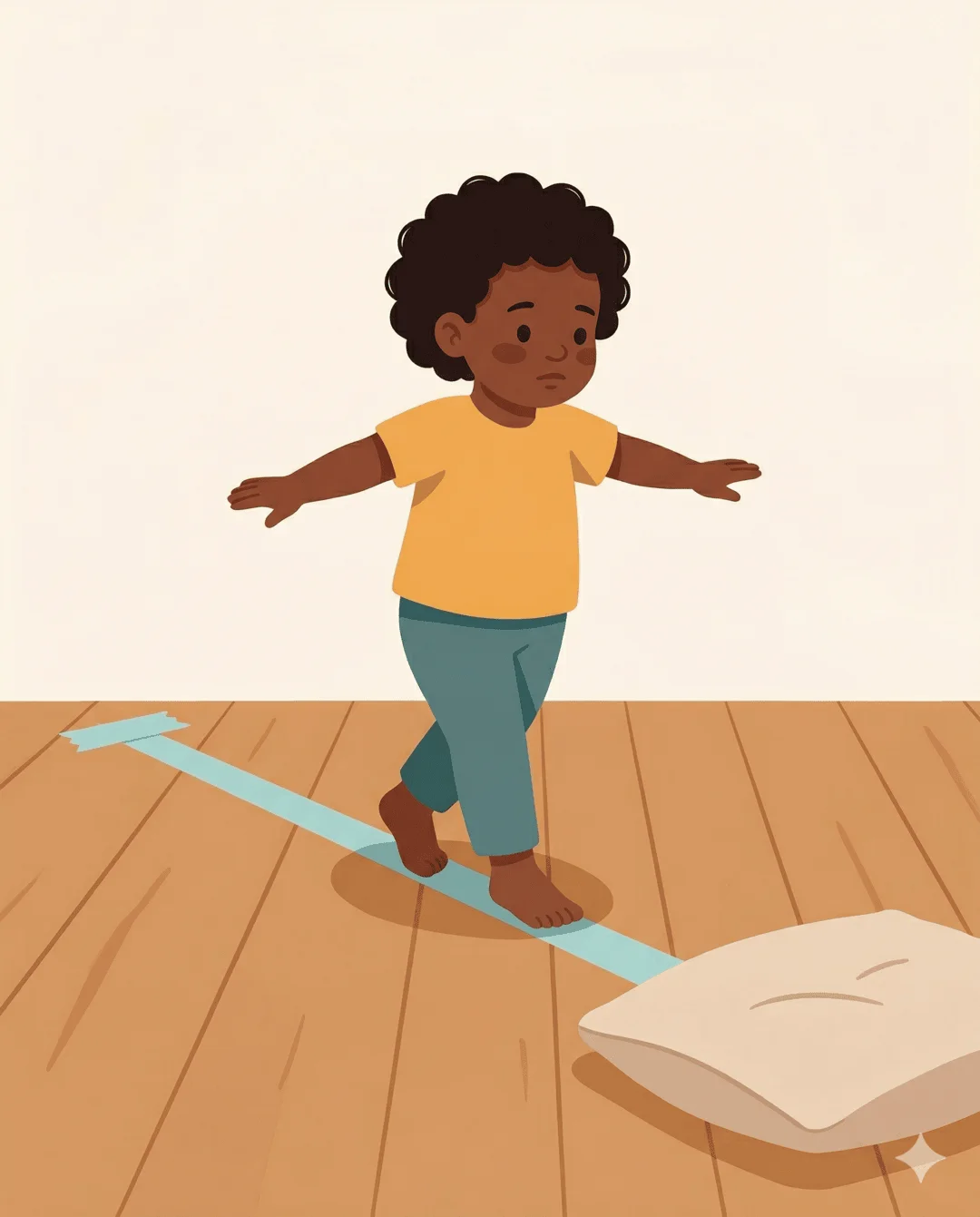
Set up 5-6 stations in the garden or park — crawl under a blanket, jump over a rope, weave between sticks, balance along a line, toss a ball into a bucket, run to a tree and back. The multi-station design sustains engagement because each run-through brings improvement, and toddlers will want to repeat the course again and again. This is the ultimate energy-burning, whole-body workout disguised as a game.

Best for this moment

when your toddler needs to move and burn energy, especially when you need an outdoor option.

Parent tip

Set out balls and blankets before inviting your toddler in so the first minute feels smooth.

What success looks like

A good outcome is a few minutes of engaged play, some back-and-forth with you, and a small sign of progress in body awareness.

More help for this situation

Instructions

Get ready
  • Choose 5-6 stations using what you have: blankets, ropes, sticks, buckets, balls
  • Space them out across the garden or park area
  1. Choose 5-6 stations using what you have: blankets, ropes, sticks, buckets, balls
  2. Space them out across the garden or park area
  3. Walk the course first, demonstrating each station
  4. Name each challenge: 'The tunnel! The big jump! The wiggly run!'
  5. Start at station one and cheer them through each challenge
  6. Time them if they enjoy it: 'Can you do it faster this time?'
  7. Let them rearrange stations or add new ones to keep interest
  8. End with a cool-down lap — walk the course slowly, high-fiving at each station

Why it helps

Multi-station obstacle courses develop motor planning — the ability to sequence multiple different movements in order. Each station targets different gross motor skills (crawling, jumping, balancing, throwing), providing a comprehensive physical workout. The repeated runs build procedural memory as the course becomes automatic, freeing cognitive resources for speed and refinement. This is how toddlers develop what occupational therapists call 'motor praxis.'

Variations

  • Add a water station on hot days — jump through the sprinkler between obstacles.
  • Create a 'team' course where two children do alternate stations for relay-style play.
  • Build an indoor version on a rainy day using cushions, tunnels, and furniture.

Safety tips

  • Check the ground for hidden objects, holes, or slippery patches before setting up.
  • Use soft materials for obstacles — nothing hard or sharp at toddler height.
  • Stay within arm's reach at balance and climbing stations to spot wobbles.

When to pause and seek extra support

Stop if your child becomes distressed, unsafe, or consistently frustrated by the activity. If play, behaviour, or development worries keep showing up across settings, check in with a qualified professional.

Get weekly activity ideas for your toddler

One email a week with practical toddler activities, behaviour tips, and developmental insights. No spam, unsubscribe any time.