TinyStepper

Teddy Goes First

At a glance: Teddy 'uses' the potty first while your toddler watches, helps, and cheers — reducing anxiety through play. A 10-minute, low-energy indoor activity for ages 19m3y. No prep needed.

Built by a parent of toddlersBest for 19m-3y

Field-tested ideas shaped by direct parenting experience and advice from reputable sources, including NHS Best Start in Life and NSPCC child development research.

19m3y10 minslow energyindoornone messNo prep

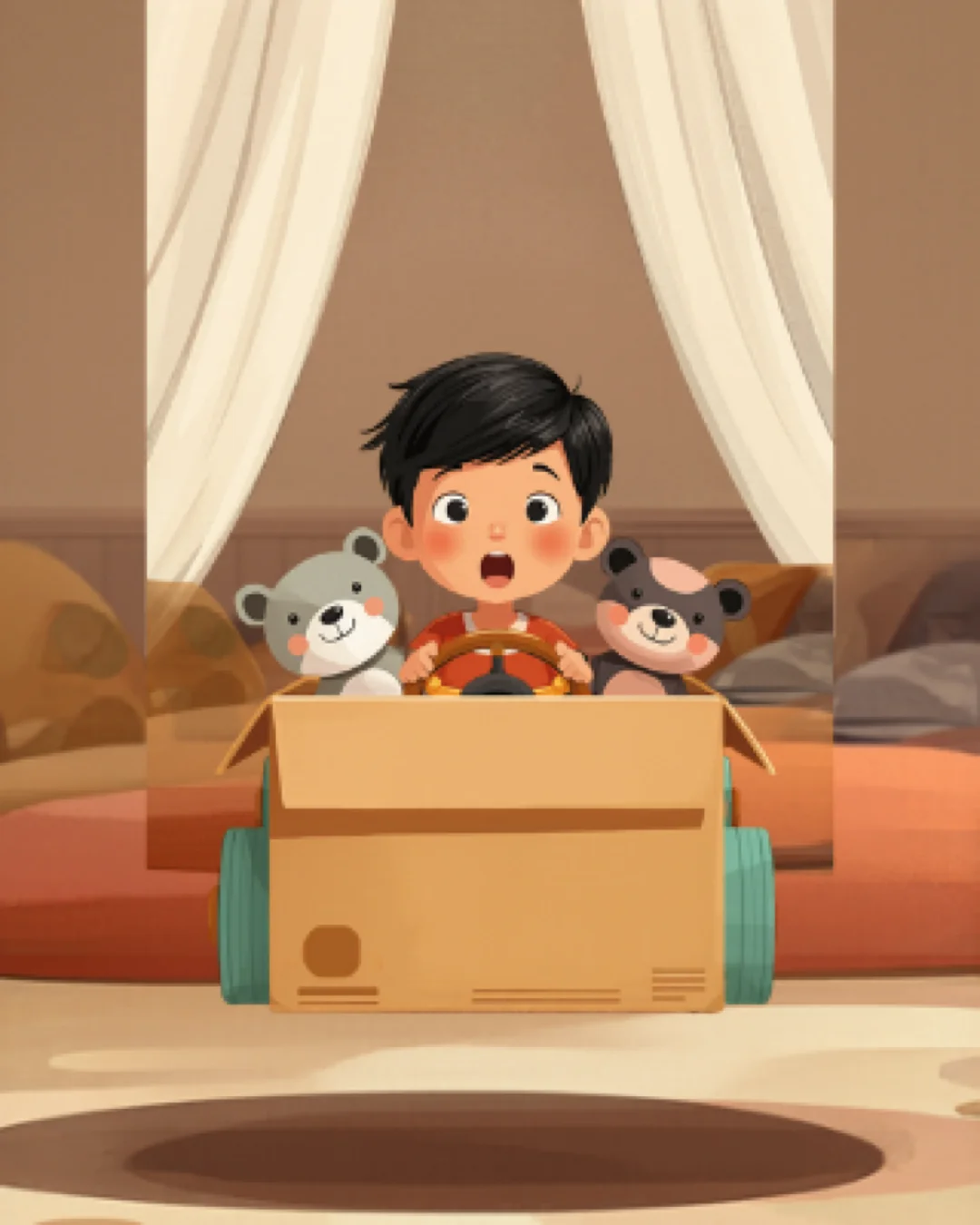
Teddy (or your toddler's favourite stuffed animal) needs to use the potty. Your toddler helps: sitting teddy down, waiting with them, wiping, flushing, and washing teddy's paws. They cheer when teddy is done. The whole interaction positions your toddler as the confident helper rather than the anxious performer. Over time, 'teddy goes first' becomes a bridge to 'now it's your turn' — but only when your toddler is ready.

Best for this moment

for calmer, lower-pressure moments, especially when you need an indoor option.

Parent tip

Start before you overthink it. No-prep activities work best when you begin while the moment is still recoverable.
What success looks like

A good outcome is a few minutes of engaged play, some back-and-forth with you, and a small sign of progress in emotional regulation.

More help for this situation

Instructions

Get ready
  • Tell your toddler that teddy needs to use the potty
  • Let them carry teddy to the bathroom
  1. Tell your toddler that teddy needs to use the potty
  2. Let them carry teddy to the bathroom
  3. Help them sit teddy on the potty (or a small container)
  4. Wait together: 'Let's give teddy a moment'
  5. Your toddler helps teddy 'flush' and wash paws
  6. Celebrate together: 'Well done, teddy! High five!'
  7. Ask casually: 'Do you want a turn too?' — accept any answer cheerfully

Why it helps

Observational learning through pretend play is one of the most effective ways to reduce anxiety around new skills. When your toddler teaches teddy, they rehearse the sequence from a position of competence rather than vulnerability. The role reversal — child as teacher, toy as learner — builds confidence and internalises the routine without any direct pressure on the child themselves.

Variations

  • Use different stuffed animals each time — 'Today it's bunny's turn to learn!'
  • Let teddy have an 'accident' and walk through cleanup calmly: 'Oops! That's OK, we'll try again.'
  • Create a sticker chart for teddy too, so your toddler tracks teddy's progress alongside their own.

Safety tips

  • Ensure the container used for teddy's potty has no sharp edges.
  • Never pressure your toddler to take a turn after teddy — let the connection develop naturally.
  • If your toddler loses interest, stop cheerfully and try again another day.

When to pause and seek extra support

Stop if your child becomes distressed, unsafe, or consistently frustrated by the activity. If play, behaviour, or development worries keep showing up across settings, check in with a qualified professional.

Get weekly activity ideas for your toddler

One email a week with practical toddler activities, behaviour tips, and developmental insights. No spam, unsubscribe any time.