
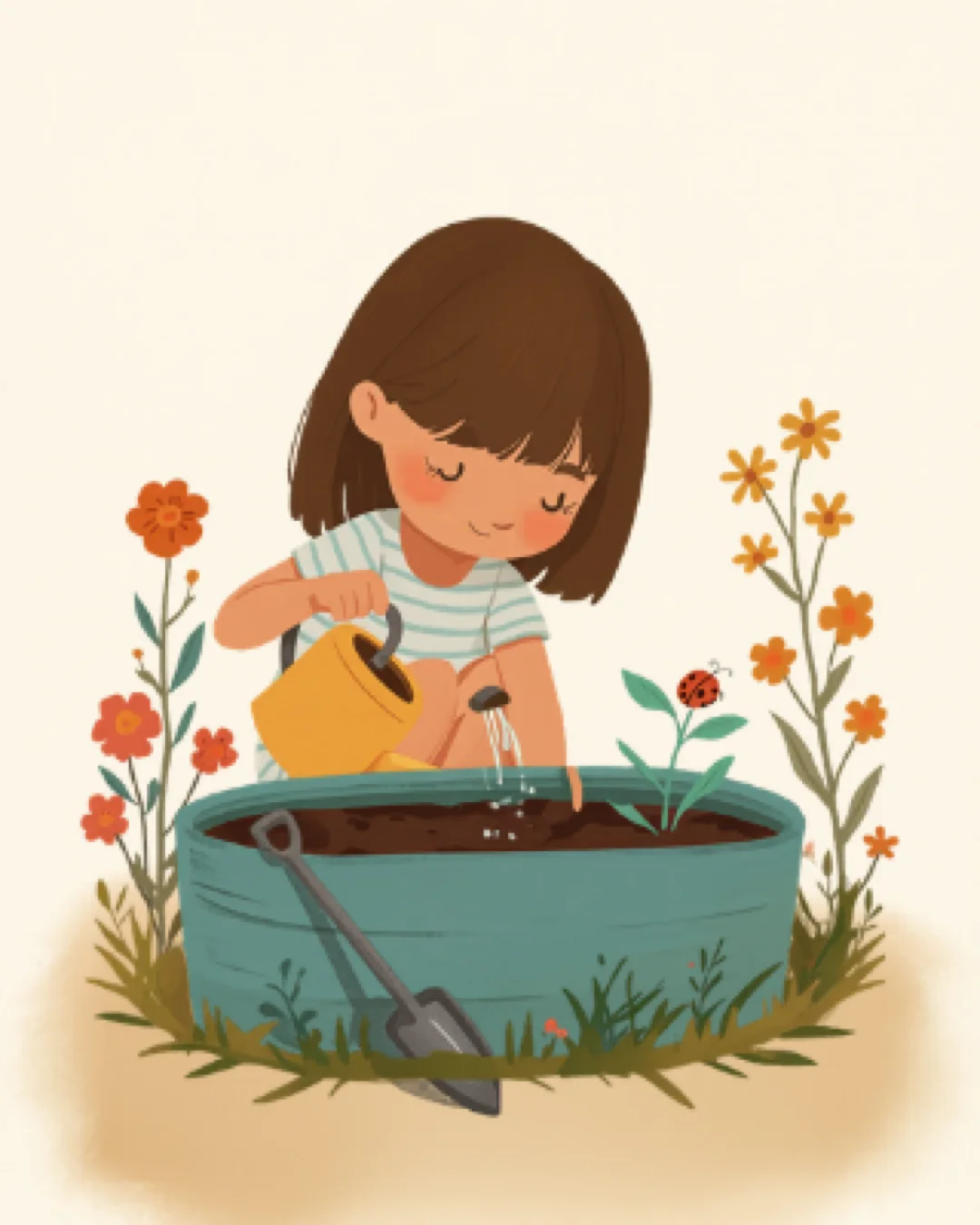
Acorn Cap Spinning
Collect acorn caps in autumn and spin them like tiny spinning tops on a flat surface.
Engaging, hands-on alternatives to screen time that you can start right now. These activities hold attention, need minimal setup, and work indoors — for when you want something better than the TV but don’t have the energy for a big production.
The best screen-free activity is whichever one you can start in under a minute. Don’t overthink it — pick one and go.

Collect acorn caps in autumn and spin them like tiny spinning tops on a flat surface.

Sing Head Shoulders Knees and Toes, Wheels on the Bus, and Five Little Ducks back to back — non-stop movement and language.
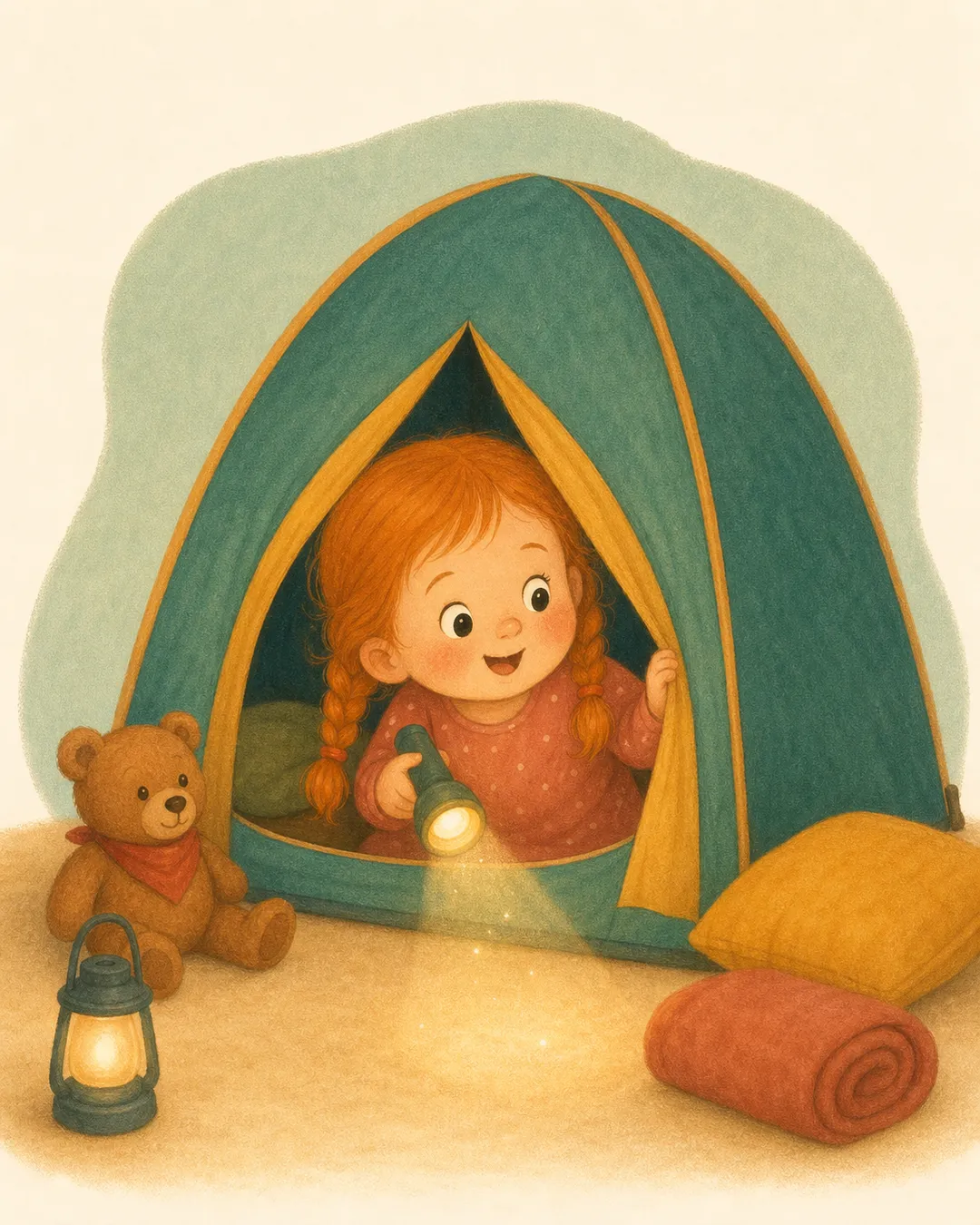
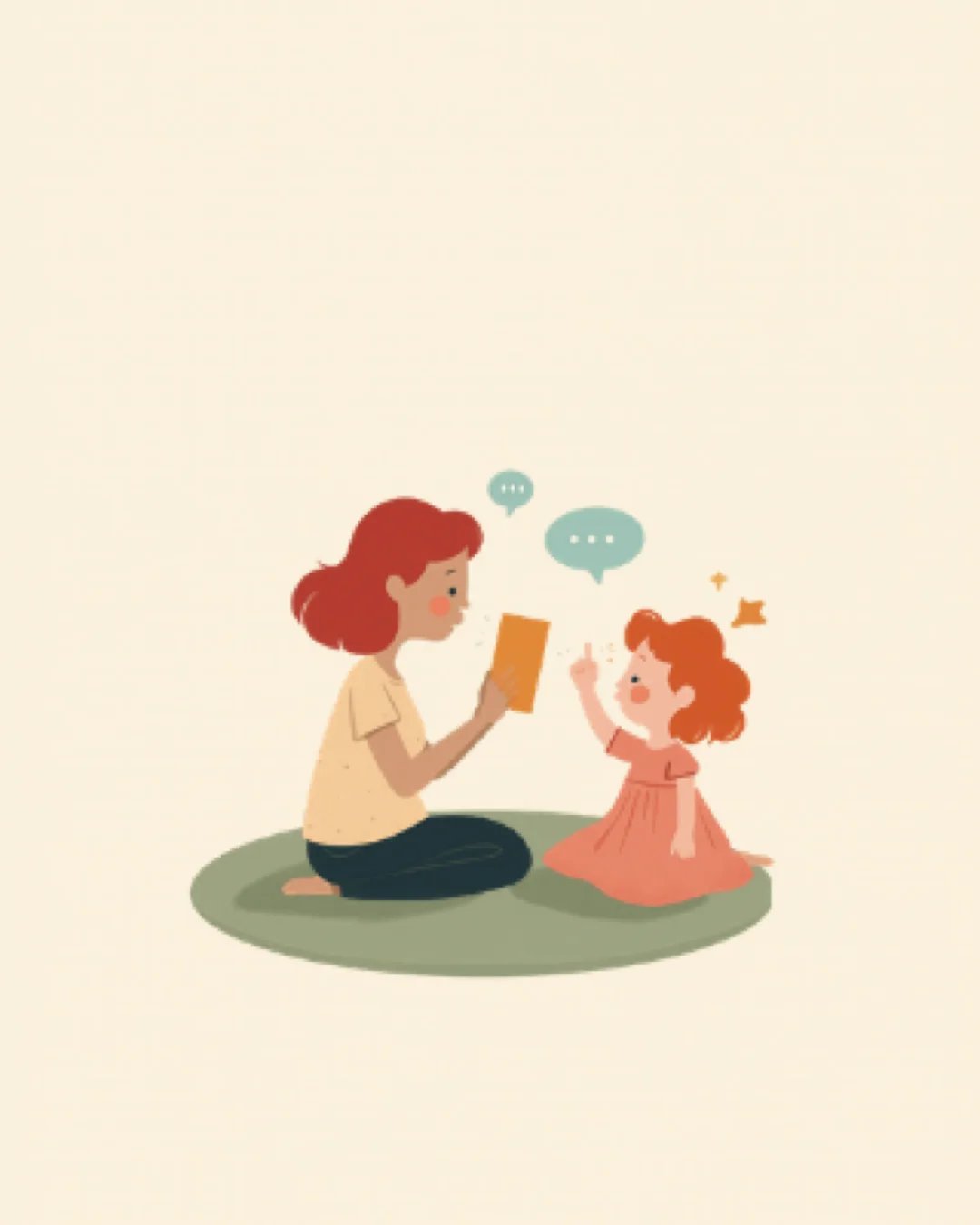
When your toddler says a word, you add one more — 'car' becomes 'fast car!' — gently expanding their sentences.
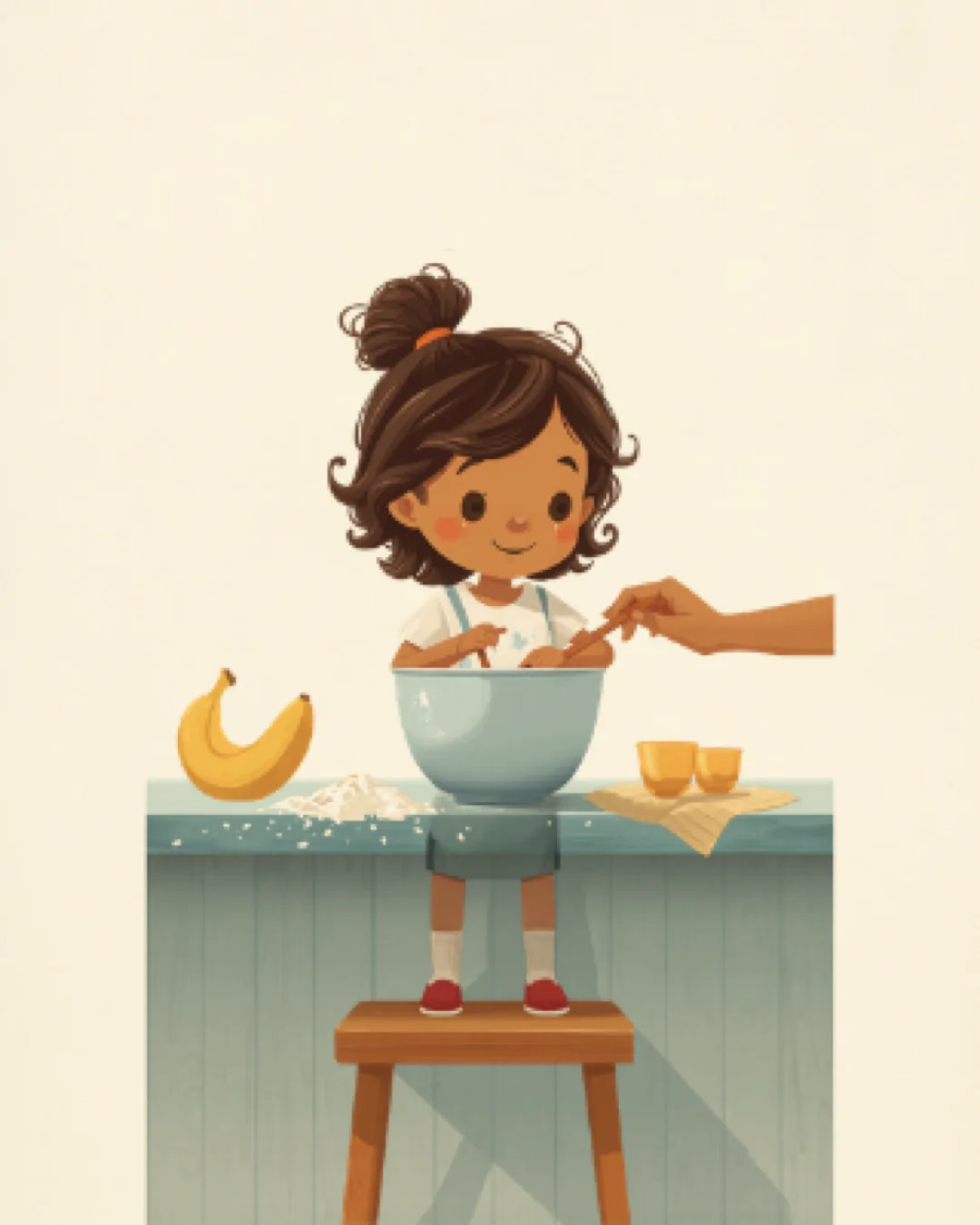
Dress up in silly combinations — backwards, inside-out, mismatched — turning clothing battles into laughter and learning.
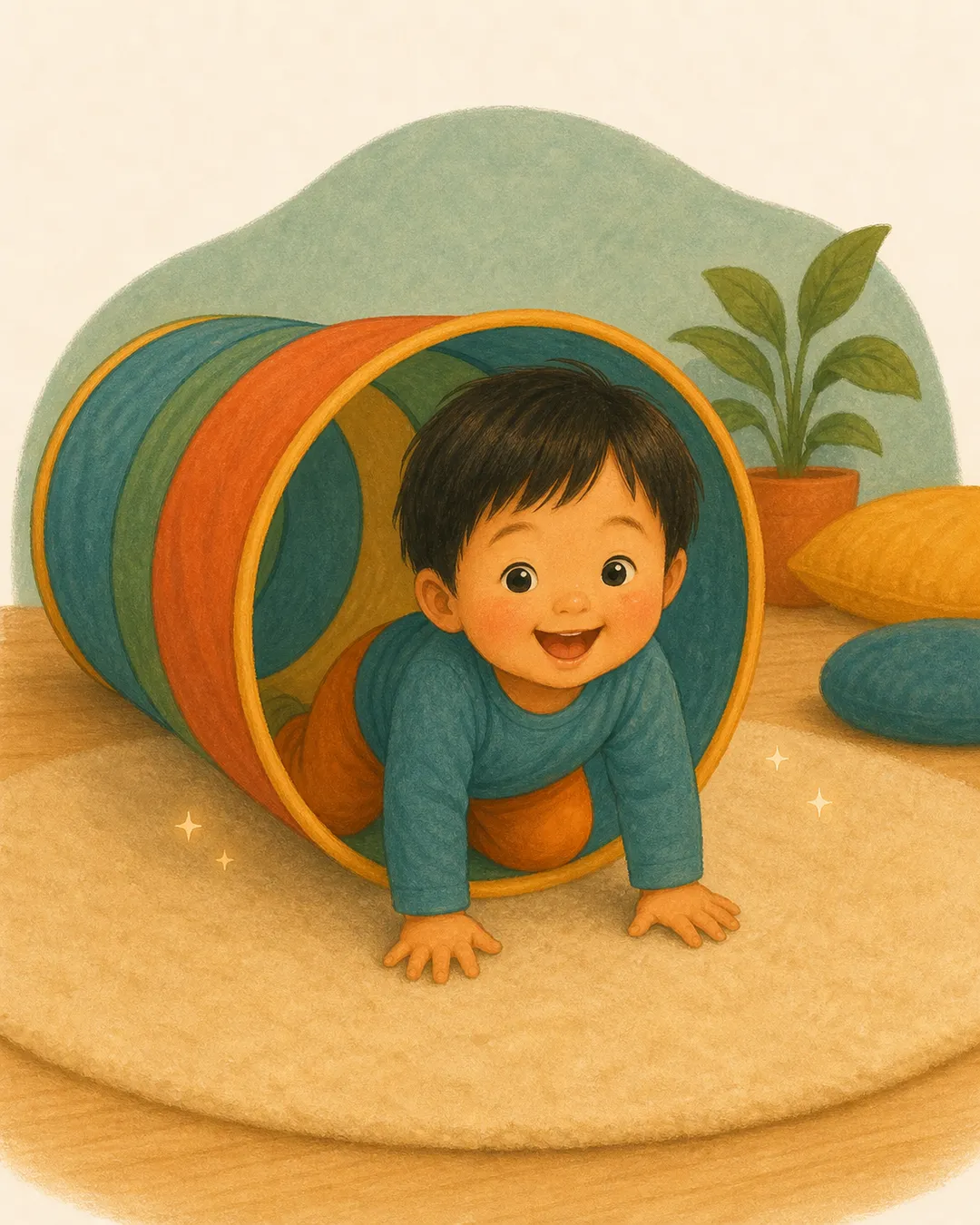
Drop a ball down a ramp or slope and let your early walker chase after it — a high-energy game that combines cause and effect with walking practice.
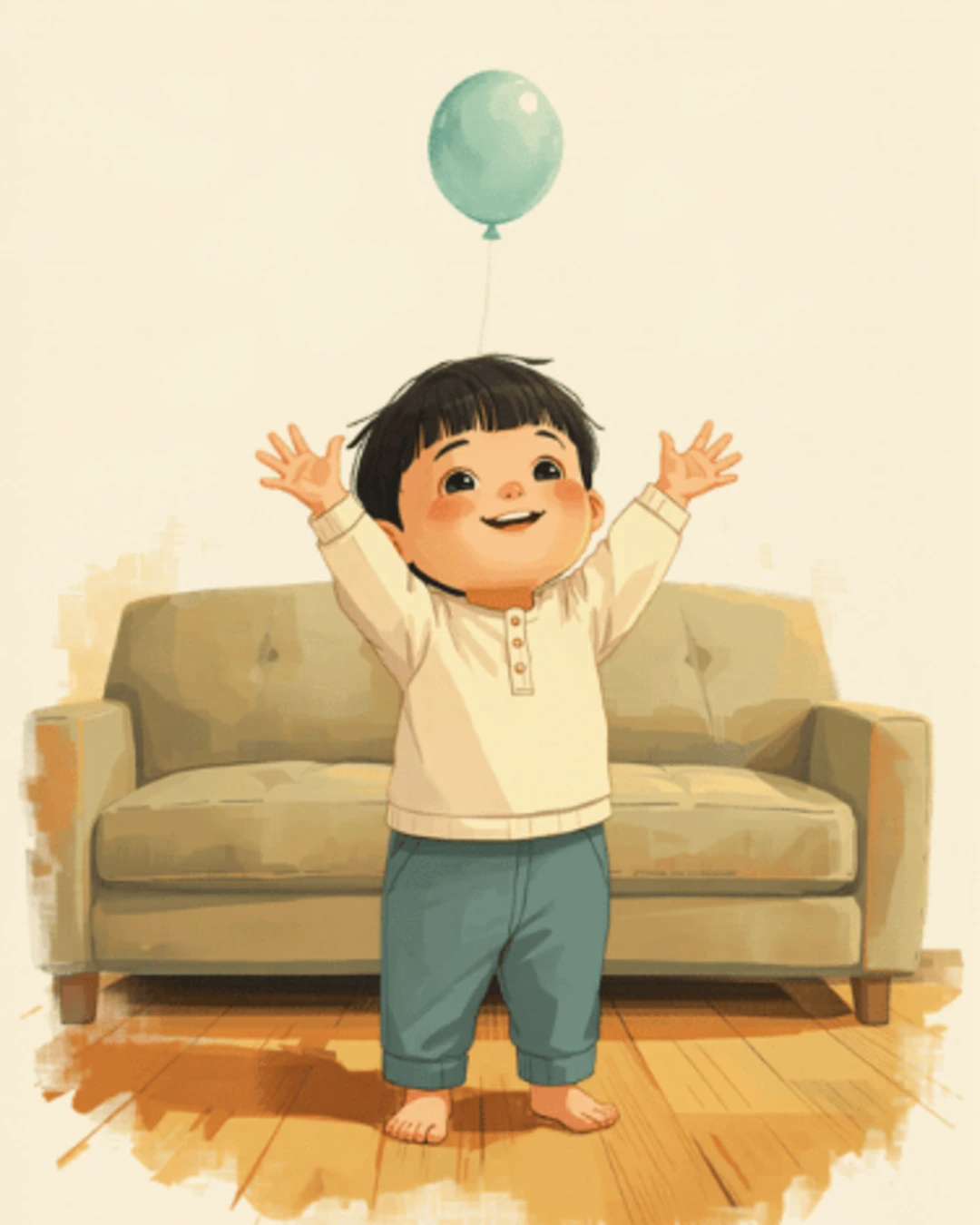
Keep a balloon in the air using hands, feet, head, and knees — a gentle but constant whole-body workout.
Arrange banana slices into letter shapes on a plate, then eat your creations.
Turn washing into a naming game — 'Can you wash your knees?' — learning body parts while getting clean.
Use bath toys as characters in a simple story you narrate together — turning bath time into an imaginative adventure.
Name each body part as you wash it — 'Where's your nose? NOSE!' — building vocabulary through routine.
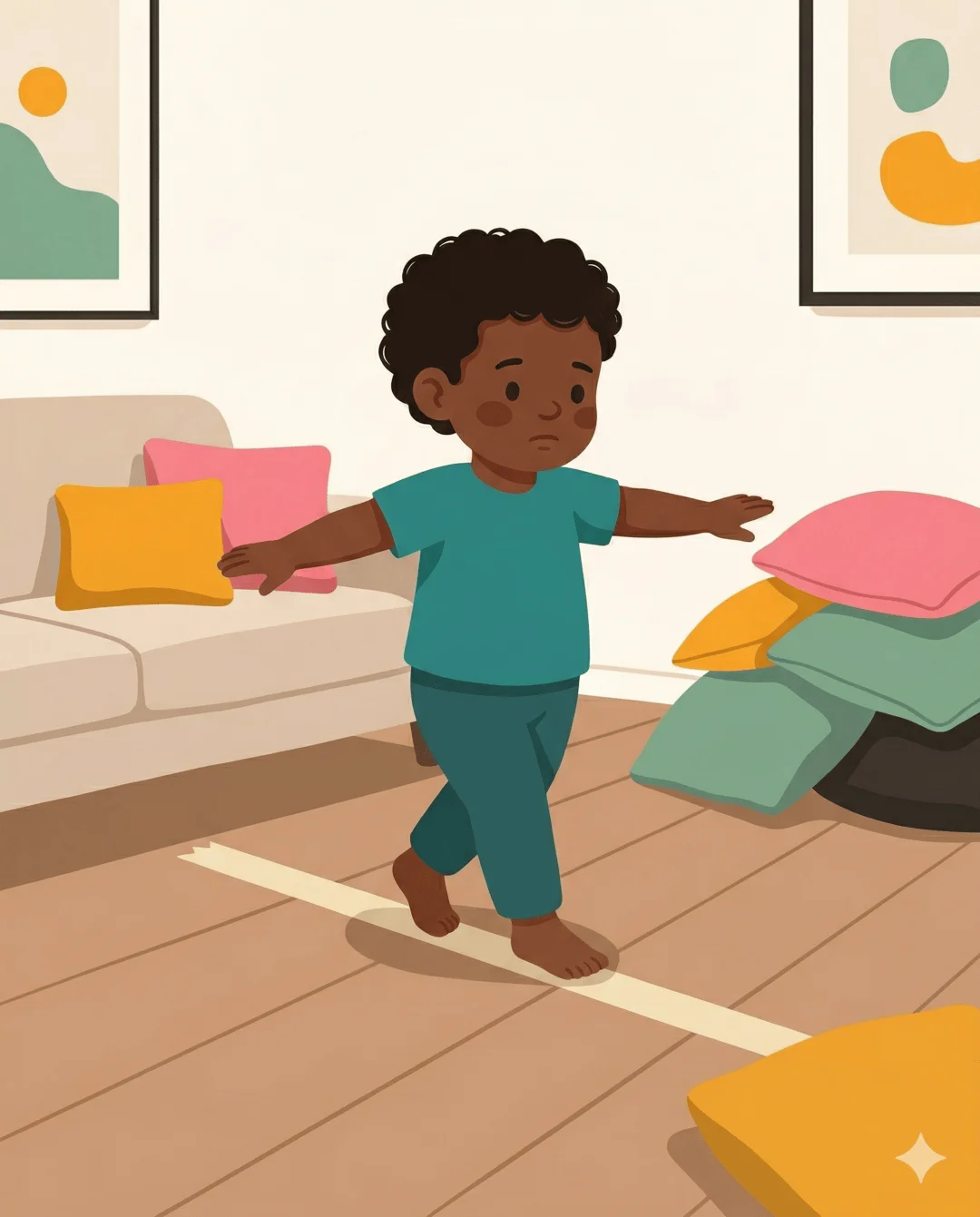
A short midday burst of vigorous physical play designed to use up daytime energy stores so the night sleep tank can fill — running, climbing, or dancing for ten focused minutes.
Give your toddler a set of real 'big helper' jobs for the new little one, fetching, choosing, and gently helping, so they feel needed and important rather than pushed aside when the new arrival comes.
One email a week with practical toddler activities, behaviour tips, and developmental insights. No spam, unsubscribe any time.
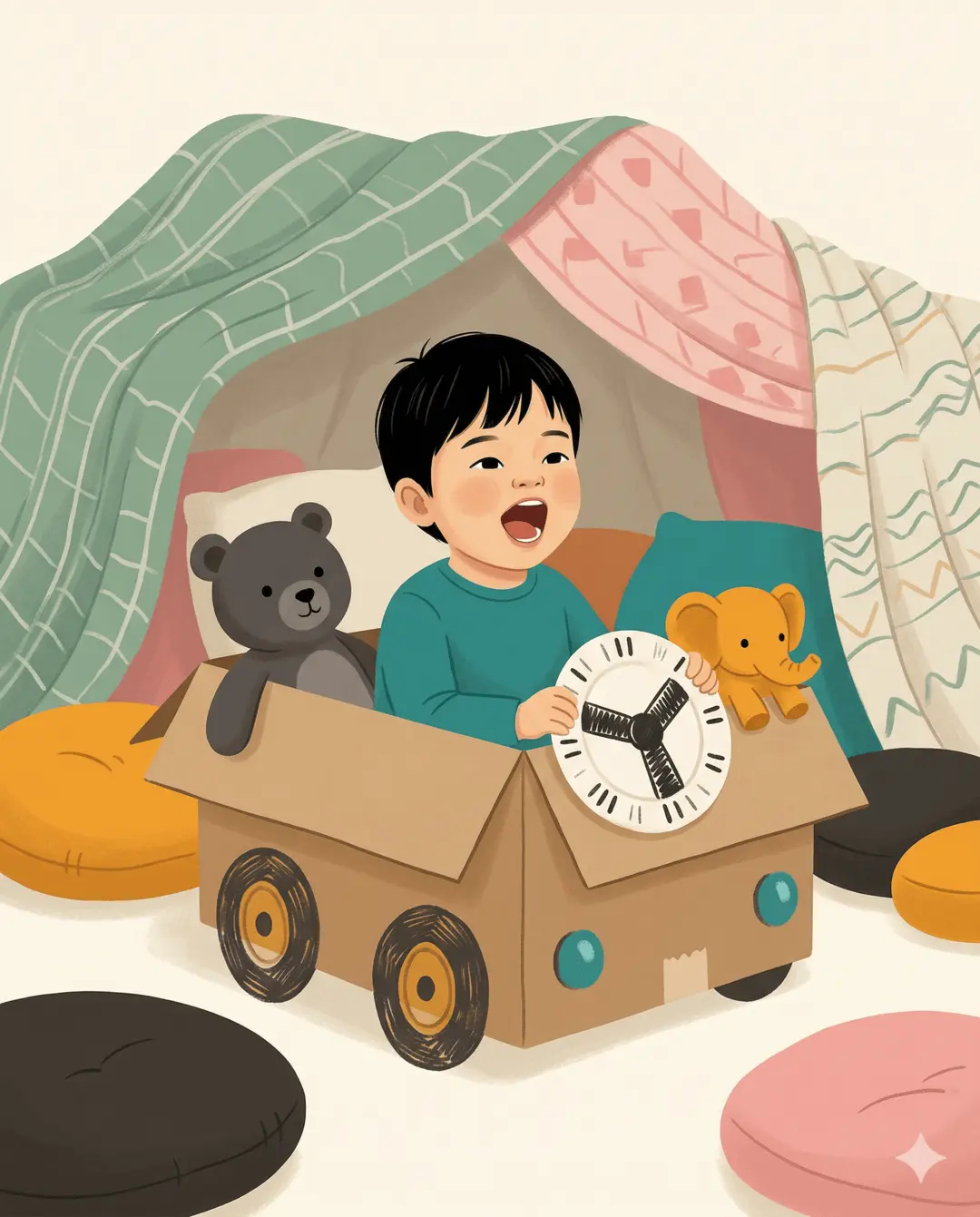
Start with something that needs zero setup — a dance party, cushion fort, sock matching, or a simple chasing game. Toddlers engage best with activities that involve movement, sensory input, or your full attention. The key is starting immediately, not planning the perfect activity.
Sensory play, pretend play, building, drawing, and active games all hold attention as well as a screen. Start with a no-prep option like container fill-and-dump, sticker play, or a pillow obstacle course — the simpler the setup, the more likely you’ll actually do it.
The NHS and WHO recommend limiting screen time for under-5s and prioritising interactive play. Screens are not inherently harmful in small amounts, but hands-on play builds more skills — fine motor, language, social, and problem-solving — than passive viewing. The goal is balance, not perfection.