TinyStepper

Brave Trip Out

At a glance: Before any unfamiliar outing, walk through what will happen using toys or drawings — reducing anxiety about the unknown. A 10-minute, low-energy indoor activity for ages 2y4y. No prep needed.

Built by a parent of toddlersBest for 2y-4y

Field-tested ideas shaped by direct parenting experience and advice from reputable sources, including NHS Best Start in Life and NSPCC child development research.

2y4y10 minslow energyindoornone messNo prep

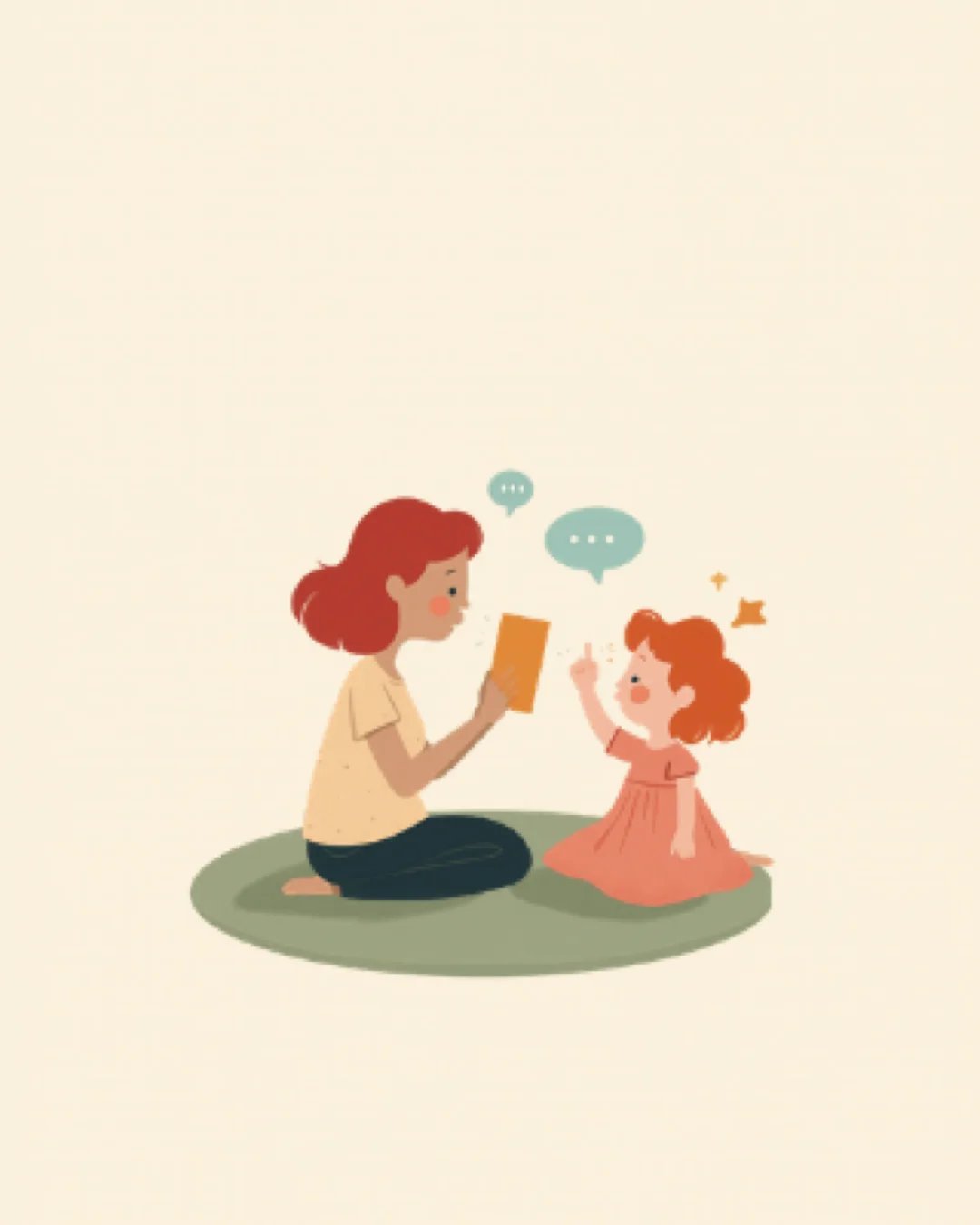
Before any new or stressful outing — a haircut, a new playgroup, the swimming pool, a birthday party — sit down with your toddler and walk through what will happen, step by step. Use toys to act it out or draw simple pictures: 'First we'll go in the door, then we'll sit down, then the lady will use scissors — snip snip — then we'll say thank you and leave.' Knowing the sequence in advance transforms the unknown into the familiar, and familiar feels safe.

Best for this moment

for calmer, lower-pressure moments, especially when you need an indoor option.

Parent tip

Start before you overthink it. No-prep activities work best when you begin while the moment is still recoverable.
What success looks like

A good outcome is a few minutes of engaged play, some back-and-forth with you, and a small sign of progress in emotional regulation.

More help for this situation

Instructions

Get ready
  • The day before (or morning of) a new outing, sit with your toddler
  • Tell them where you're going: 'Tomorrow we're going to the hairdresser!'
  1. The day before (or morning of) a new outing, sit with your toddler
  2. Tell them where you're going: 'Tomorrow we're going to the hairdresser!'
  3. Walk through each step: 'First we'll go in and sit in a big chair'
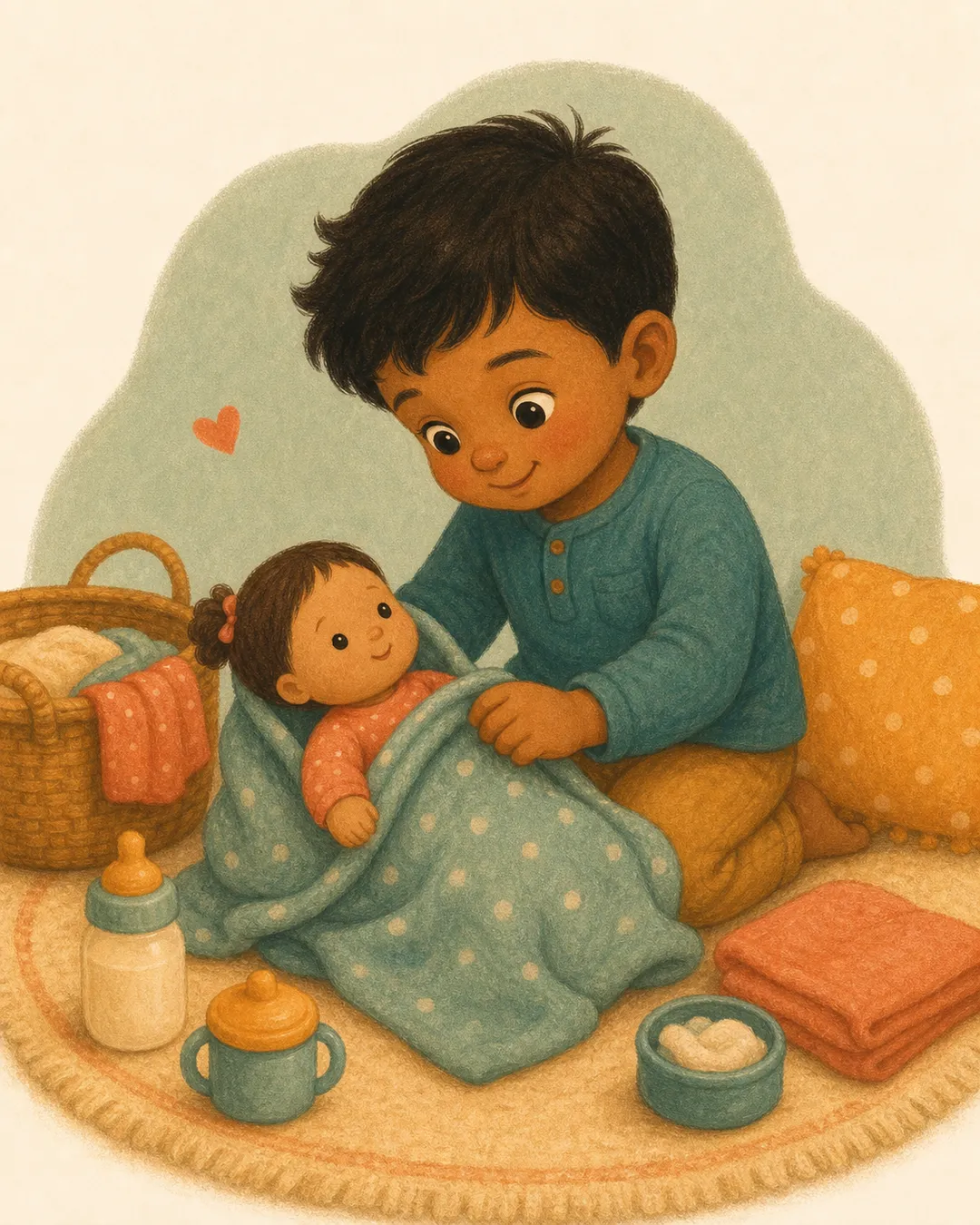
  4. Act it out with toys or draw simple stick figures for each step
  5. Include sensory details: 'It might be a bit noisy' or 'The water might feel cold at first'
  6. End with the positive: 'And then we'll go home and have a snack!'
  7. Let your toddler ask questions and replay the sequence as many times as they want

Why it helps

Anxiety in toddlers is primarily driven by unpredictability. When children know what to expect — the sequence of events, the sensory experiences, the people they'll meet — their stress response decreases significantly. Visual and physical rehearsal through toys or drawings engages procedural memory, which means the steps feel familiar even on the first visit. This technique is used by child psychologists worldwide for managing transition anxiety.

Variations

  • Take a photo walk: if possible, show photos of the actual place from their website or your previous visits.
  • Create a simple social story with three drawings: before, during, after.
  • After the outing, replay it with toys: 'Show teddy what happened at the hairdresser!'

Safety tips

  • Keep the walkthrough positive and honest — don't promise 'it won't hurt' if it might be uncomfortable.
  • If your toddler becomes anxious during the rehearsal, keep it light and short.
  • Avoid over-rehearsing — once or twice is enough. Too many repetitions can increase anxiety.

When to pause and seek extra support

Stop if your child becomes distressed, unsafe, or consistently frustrated by the activity. If play, behaviour, or development worries keep showing up across settings, check in with a qualified professional.

Get weekly activity ideas for your toddler

One email a week with practical toddler activities, behaviour tips, and developmental insights. No spam, unsubscribe any time.