Parent tip
Start before you overthink it. No-prep activities work best when you begin while the moment is still recoverable.
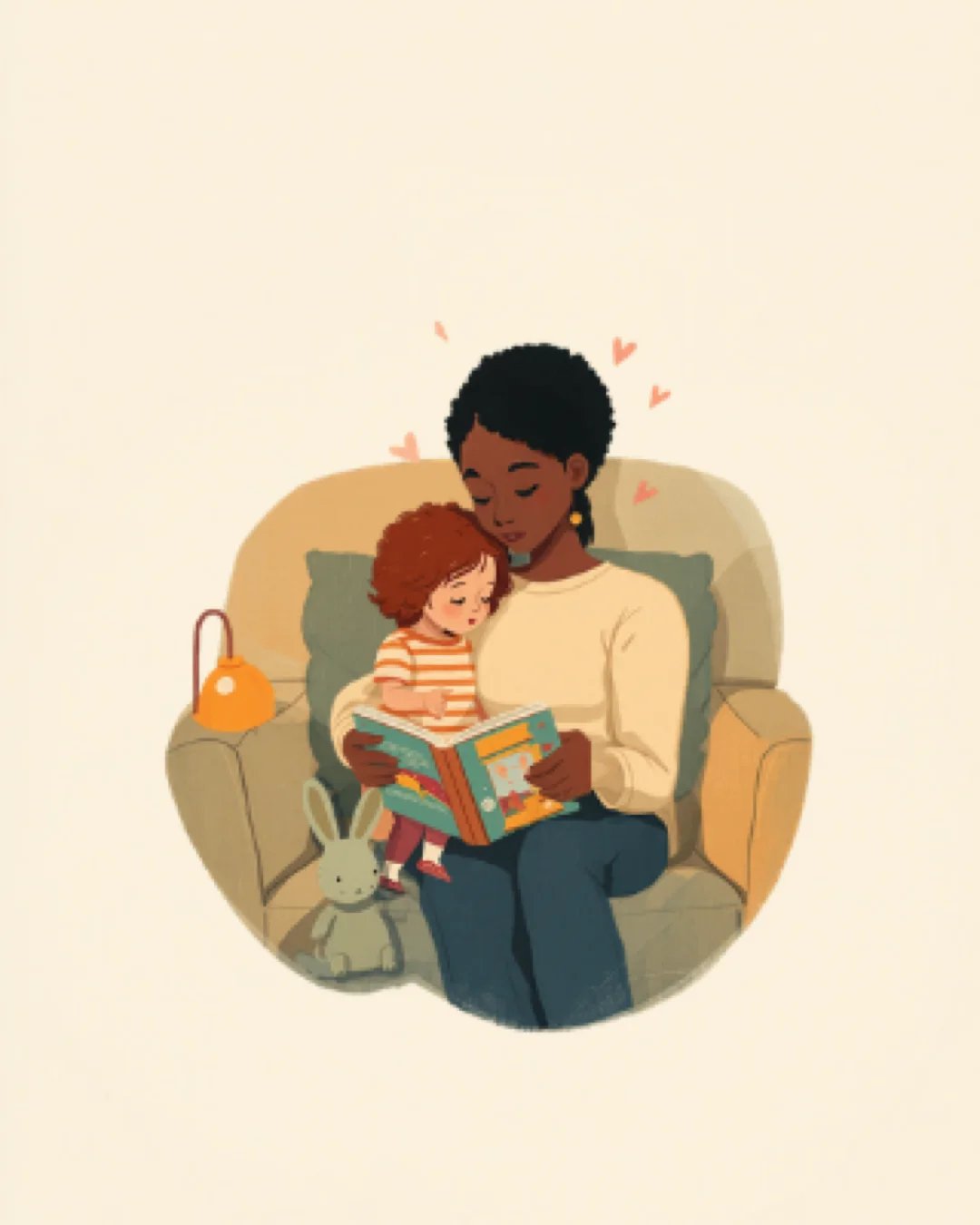
Sit down with your toddler in daylight and rewrite a scary dream together — change the ending, give the monster a silly hat, turn the chase into a tickle. Defangs the bad dream by making it editable.
Tiny Steps
Start before you overthink it. No-prep activities work best when you begin while the moment is still recoverable.

A few quiet minutes together without pressure. If your child relaxes even slightly, that’s self-regulation building.
When your child mentions a bad dream from the night before, sit with them somewhere bright and calm and offer to change the dream's ending together. 'What happened next? Wait — what if the big dog turned into a bouncy castle?' You take turns adding silly twists until the scary thing has been completely rewritten. The act of editing the story in daylight teaches your toddler the deep lesson that dreams are made of stuff that can be changed, not facts that have to stay scary.
The NHS guidance on toddler nightmares emphasises gentle reassurance and helping the child process the dream in a calm context, rather than dismissing or revisiting the fear at bedtime. Editing the dream in daylight does something specific that bedtime reassurance alone cannot — it gives the child active authorship over the scary content, which builds the developmental sense that frightening images aren't facts and can be changed. The brain remembers the edited version more strongly than the original because of the engagement and emotion attached to the rewriting.
One email a week with practical toddler activities, behaviour tips, and developmental insights. No spam, unsubscribe any time.