
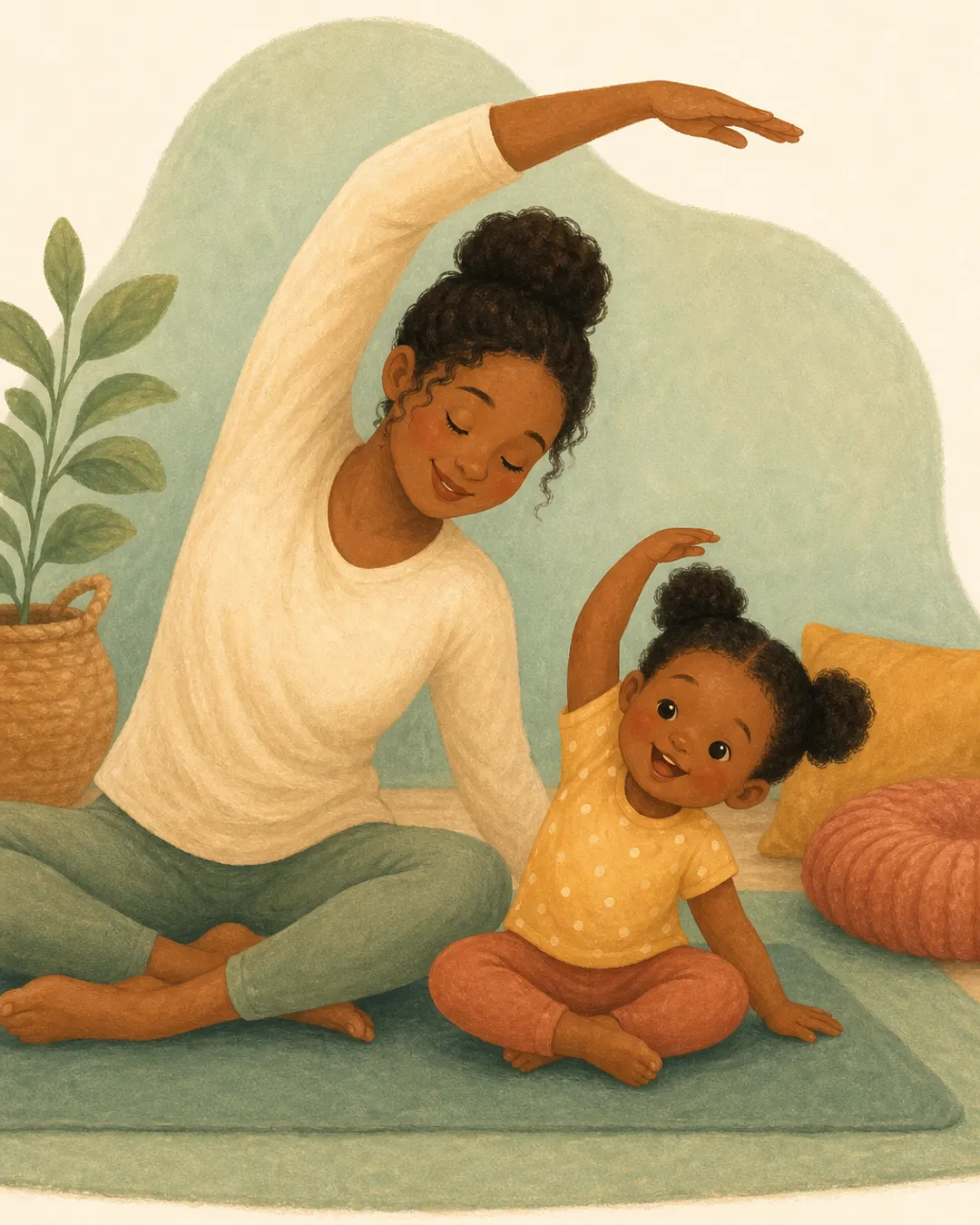
Emotion Charades
Act out emotions without words and guess what the other person is feeling to build emotional literacy.
Activities that help toddlers name, recognise, and express emotions — through drawing, charades, songs, puppets, and games. Emotional literacy is one of the most valuable skills you can build early, and play is the best way in.
These work best when things are calm — not mid-meltdown. Build emotional vocabulary during relaxed moments so your child has the words when big feelings arrive.

Act out emotions without words and guess what the other person is feeling to build emotional literacy.
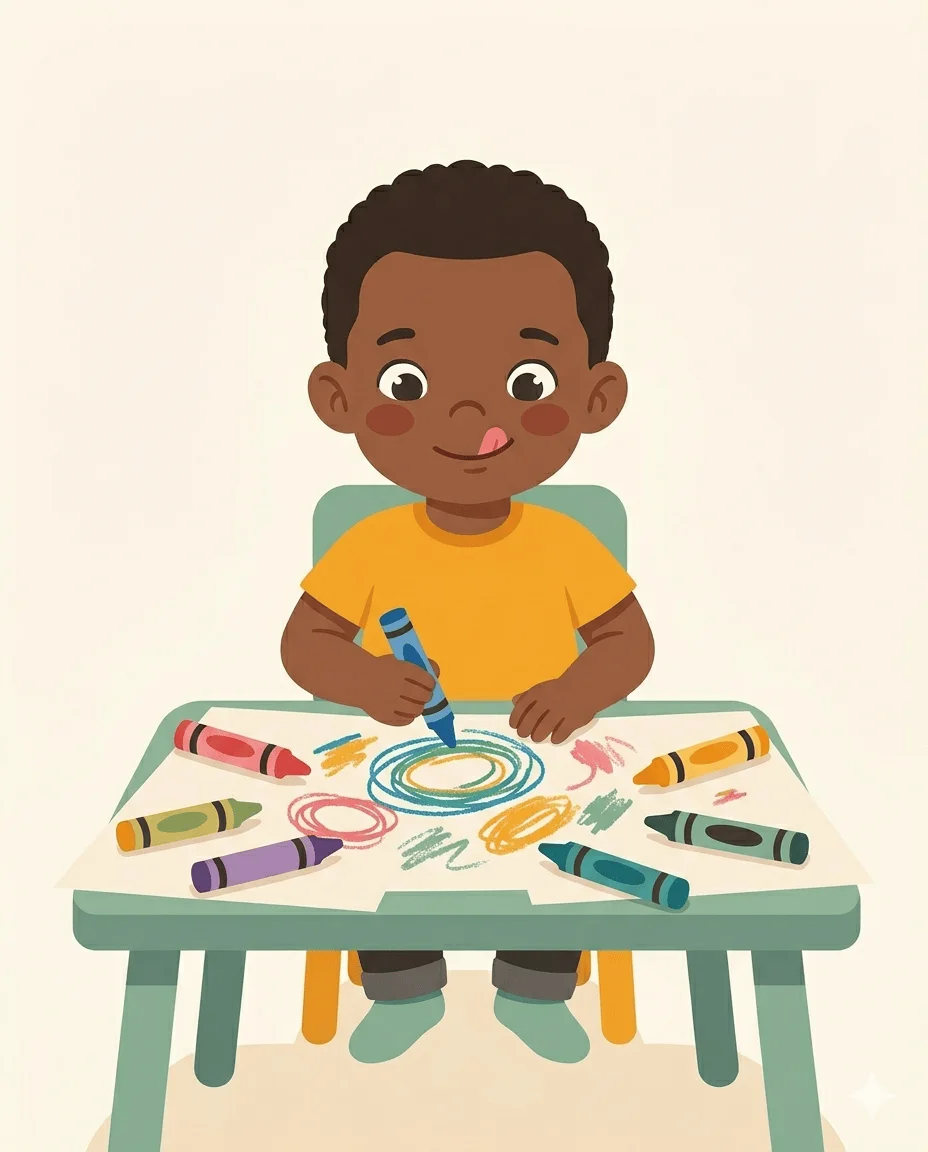
Draw simple faces together — happy, sad, angry, scared — and name each emotion, building the vocabulary children need to express how they feel.
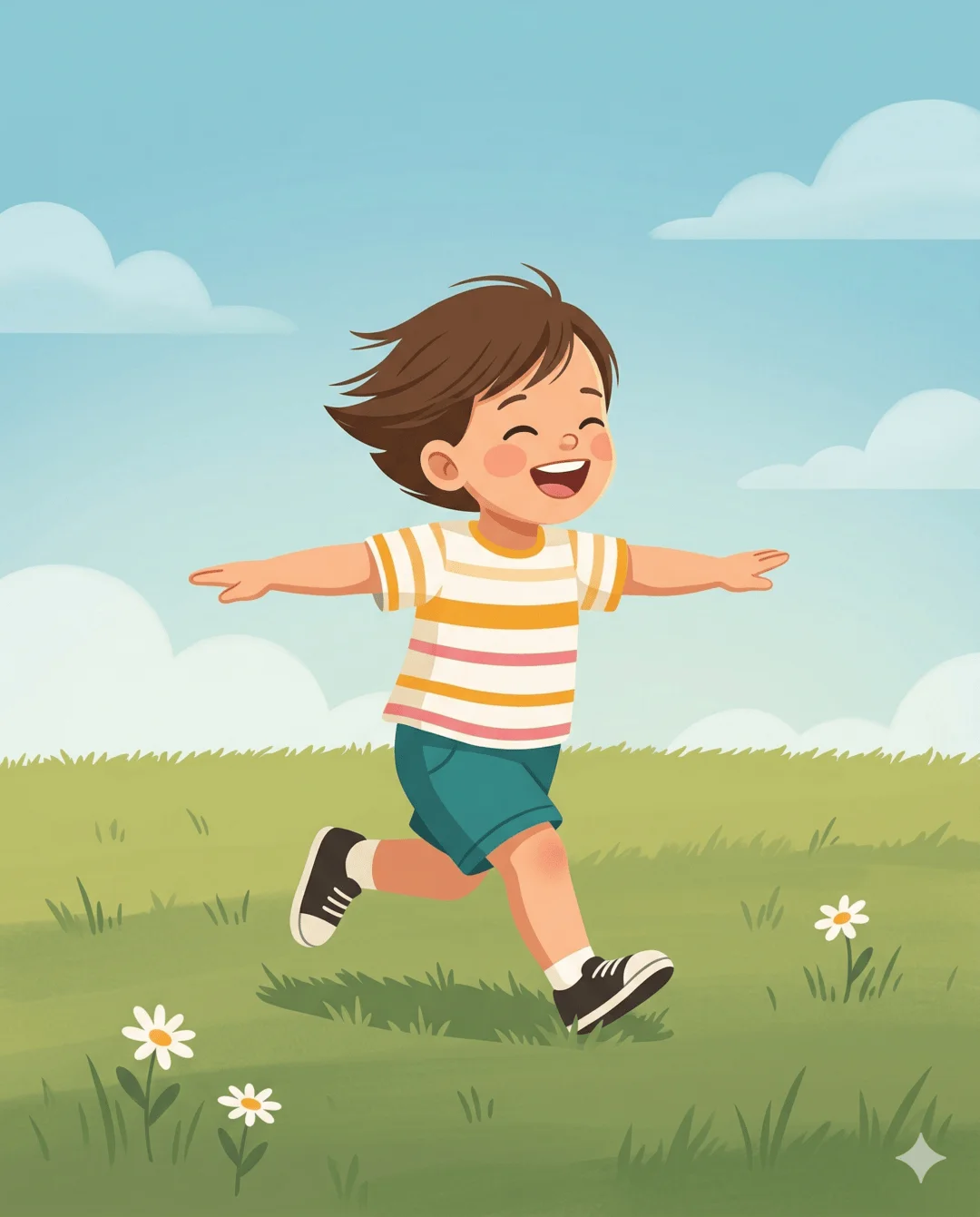
When big feelings hit, stomp feet, stamp hands, and SHOUT the name of the feeling — turning biting urges into a full-body emotion release.
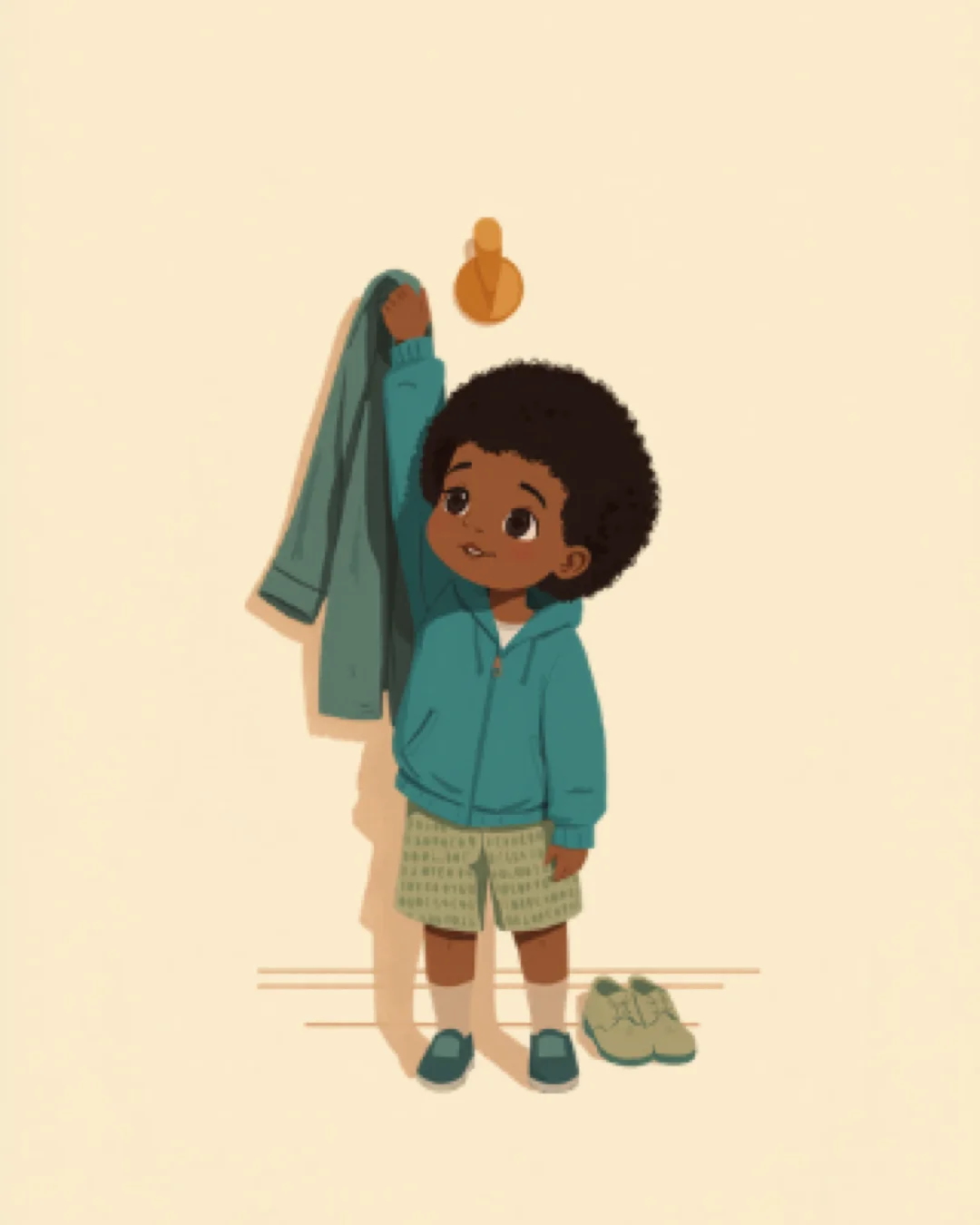
Draw simple emotion faces on cards and check in throughout the day — 'Which face matches how you feel right now?'
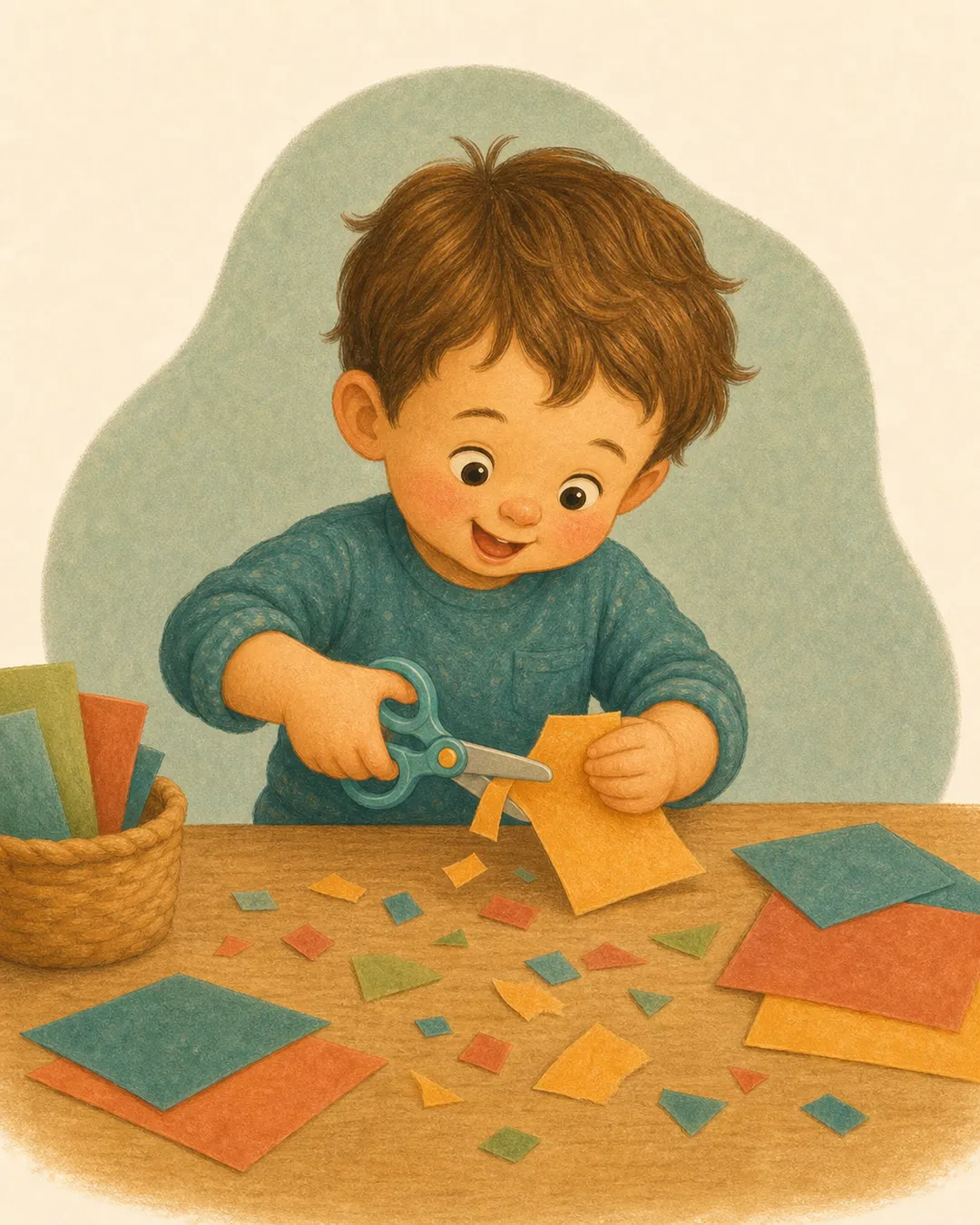
Link colours to feelings and splodge paint onto paper to show how you feel — messy, expressive, and no drawing skill needed.
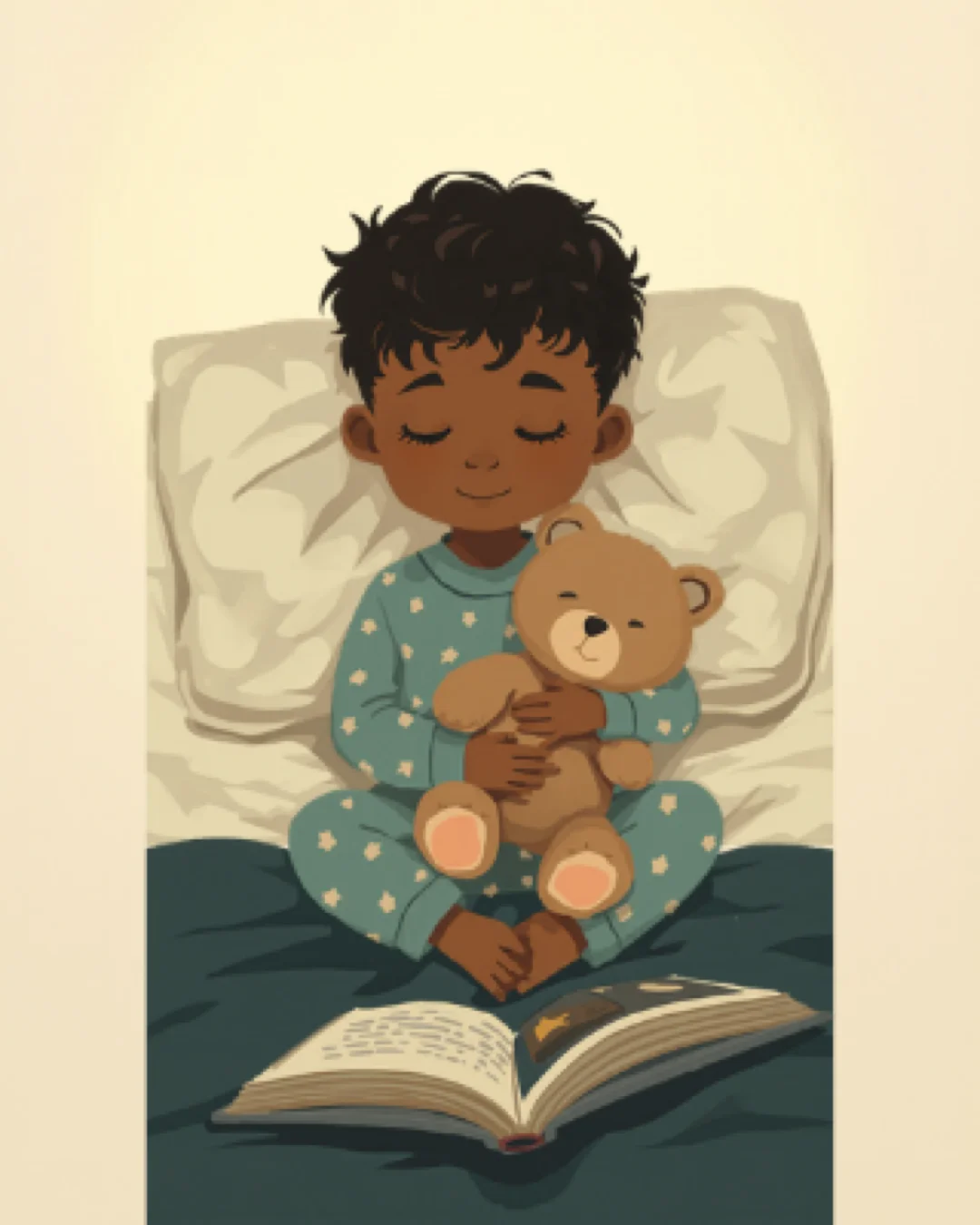
Show happy, sad, and angry faces — name each one and ask 'How does teddy feel?'
Sing simple songs about emotions — matching happy, sad, angry, and calm faces to melodies that help your toddler name what they feel.
Help your toddler name their emotions by matching them to weather — sunny for happy, rainy for sad, stormy for angry.
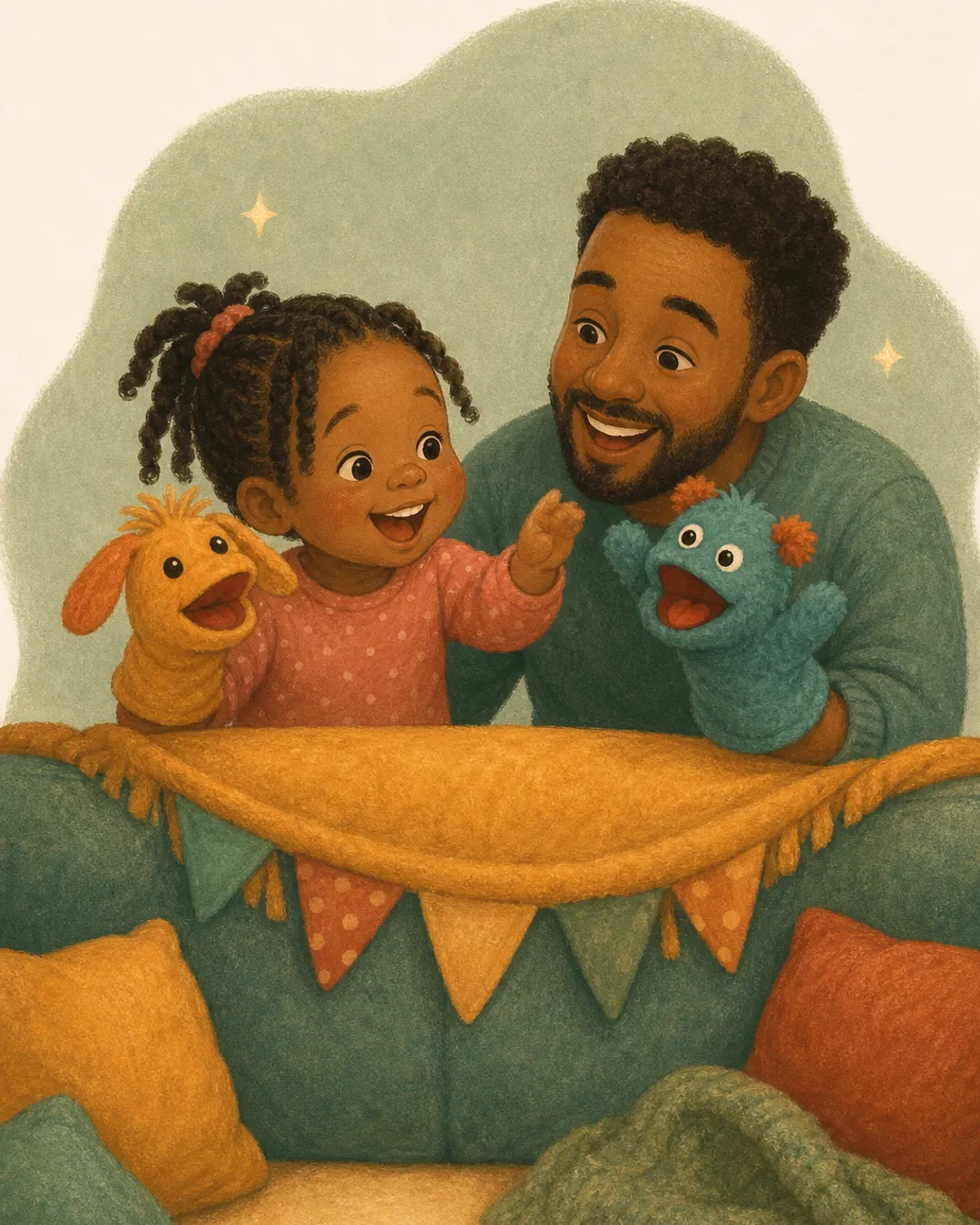
Use sock puppets to act out everyday feelings — happy, sad, cross, scared — helping your toddler name and understand big emotions.
Watch the family pet together and narrate its emotions — building emotional vocabulary through observation.
One email a week with practical toddler activities, behaviour tips, and developmental insights. No spam, unsubscribe any time.
Name emotions as they happen — ‘you look really frustrated’ or ‘that made you happy!’ Then build on that with play: feelings faces, emotion charades, puppet stories, and drawing how they feel. The goal is giving them words for what they already experience.
Emotion charades is a simple game where you act out a feeling — happy, sad, angry, scared, surprised — using only your face and body, and your child guesses the emotion. Then swap roles. It builds emotional recognition and is a natural way to practise naming feelings.
Toddlers start recognising basic emotions (happy, sad, angry) from around 18 months. By 2–3 years they can name a few feelings, and by 3–4 they begin to understand that other people have feelings too. Activities that practise naming and acting out emotions support this natural development.