
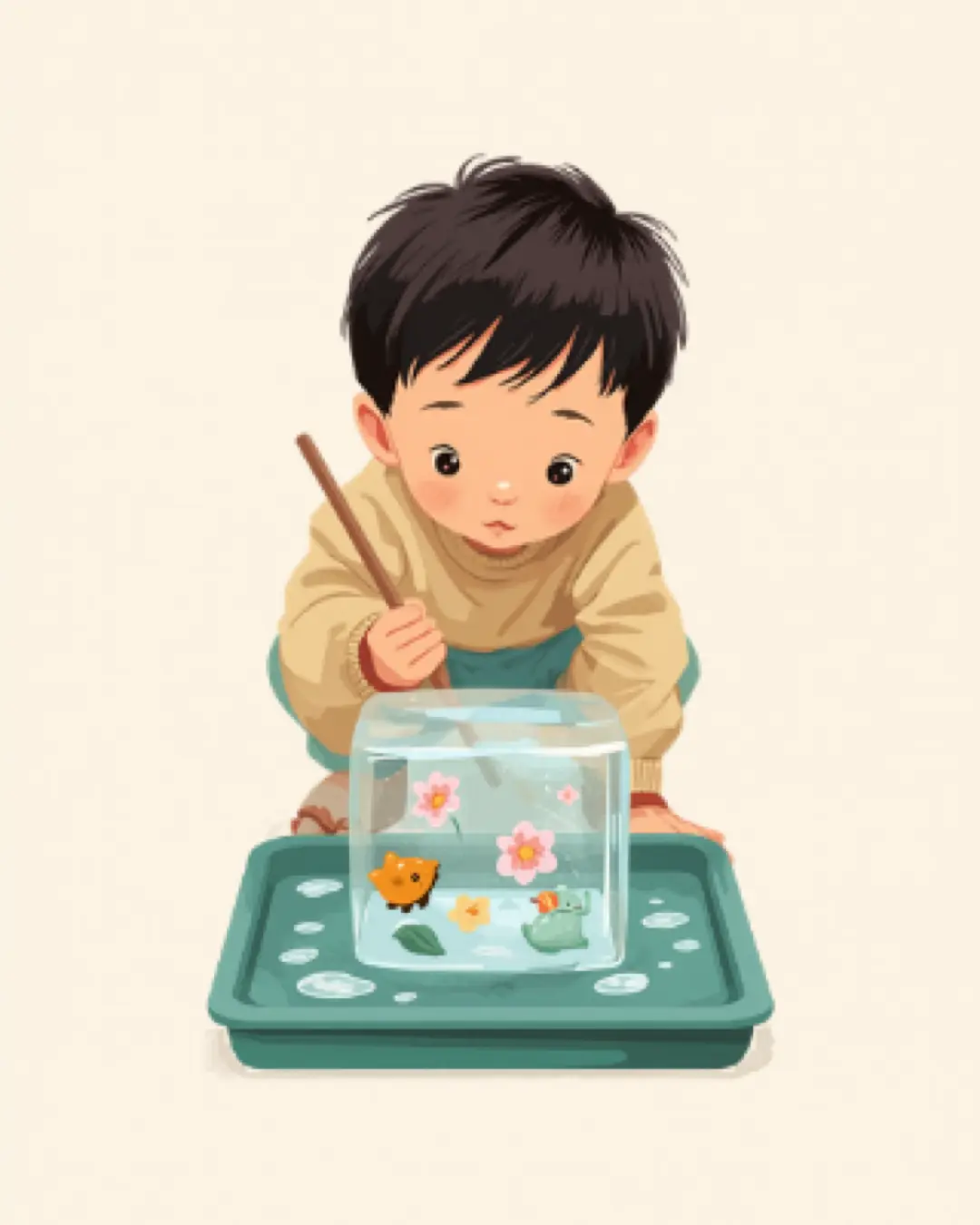
Bath Time Story Narration
Use bath toys as characters in a simple story you narrate together — turning bath time into an imaginative adventure.
Activities where you and your toddler calm down together. Co-regulation means you model the calm you want to see — through breathing, holding, swaying, and being present. Your steady presence IS the activity.
You can’t pour from an empty cup. If you’re dysregulated yourself, start with three slow breaths before you begin — your child will mirror your calm.

Use bath toys as characters in a simple story you narrate together — turning bath time into an imaginative adventure.
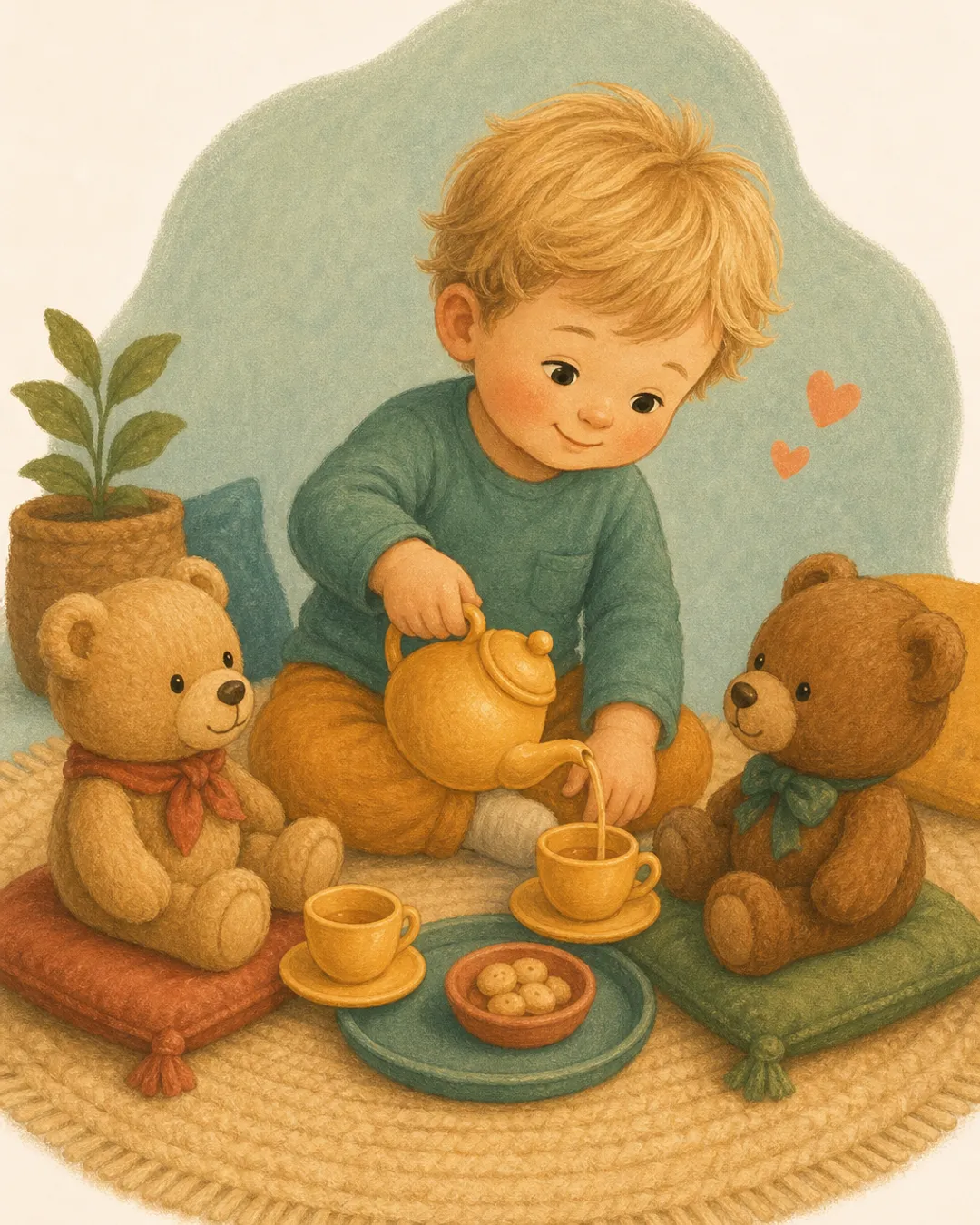
A guided pre-bedtime tour of all the comfort tools the child can use if they wake up scared — torch, water, sleep buddy, blanket — so they know exactly what's within reach in the dark.
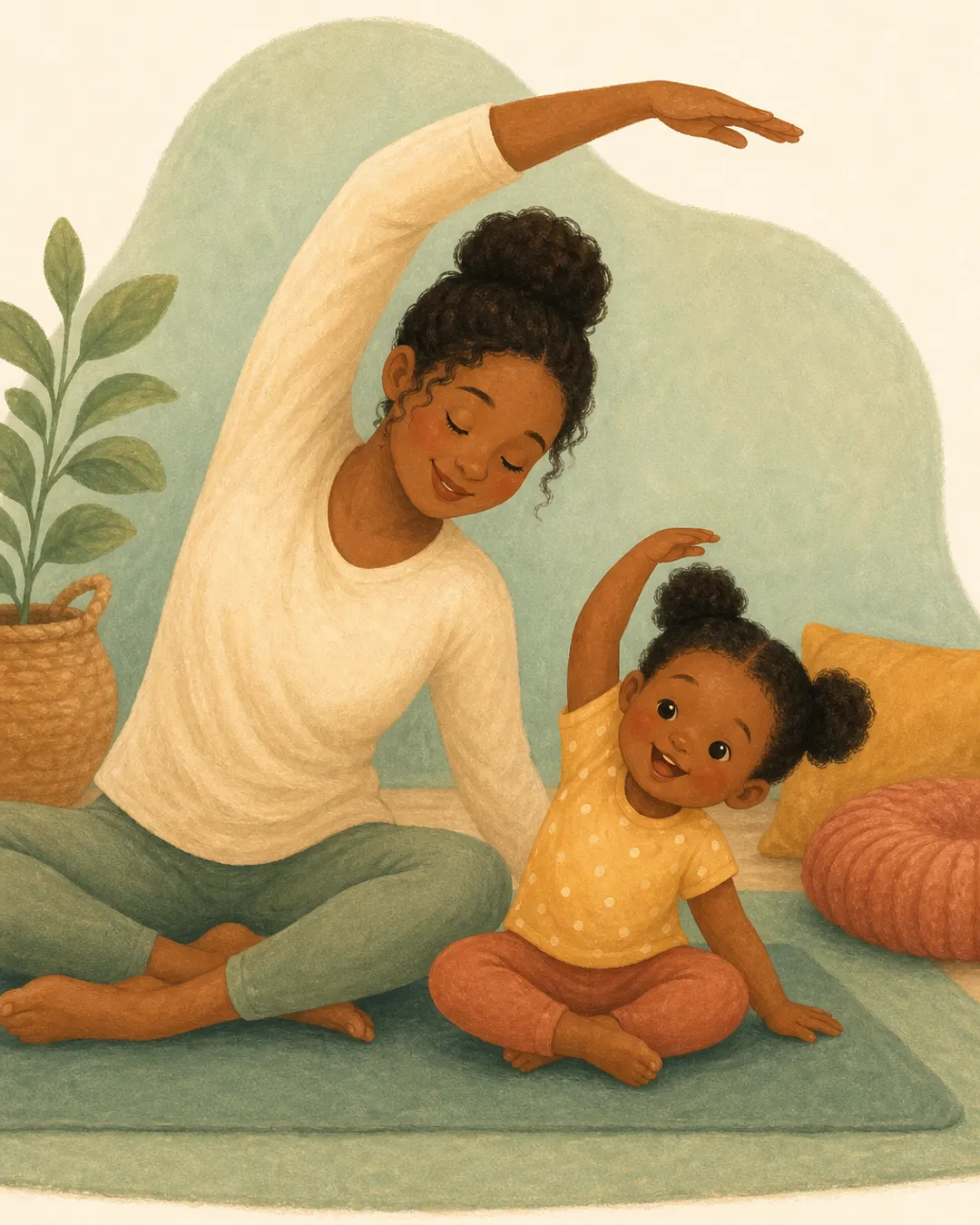
Replace the bedtime bottle with a new three-part ritual — long cuddle, one short book, small sip from the cup. Same comfort, different vehicle.
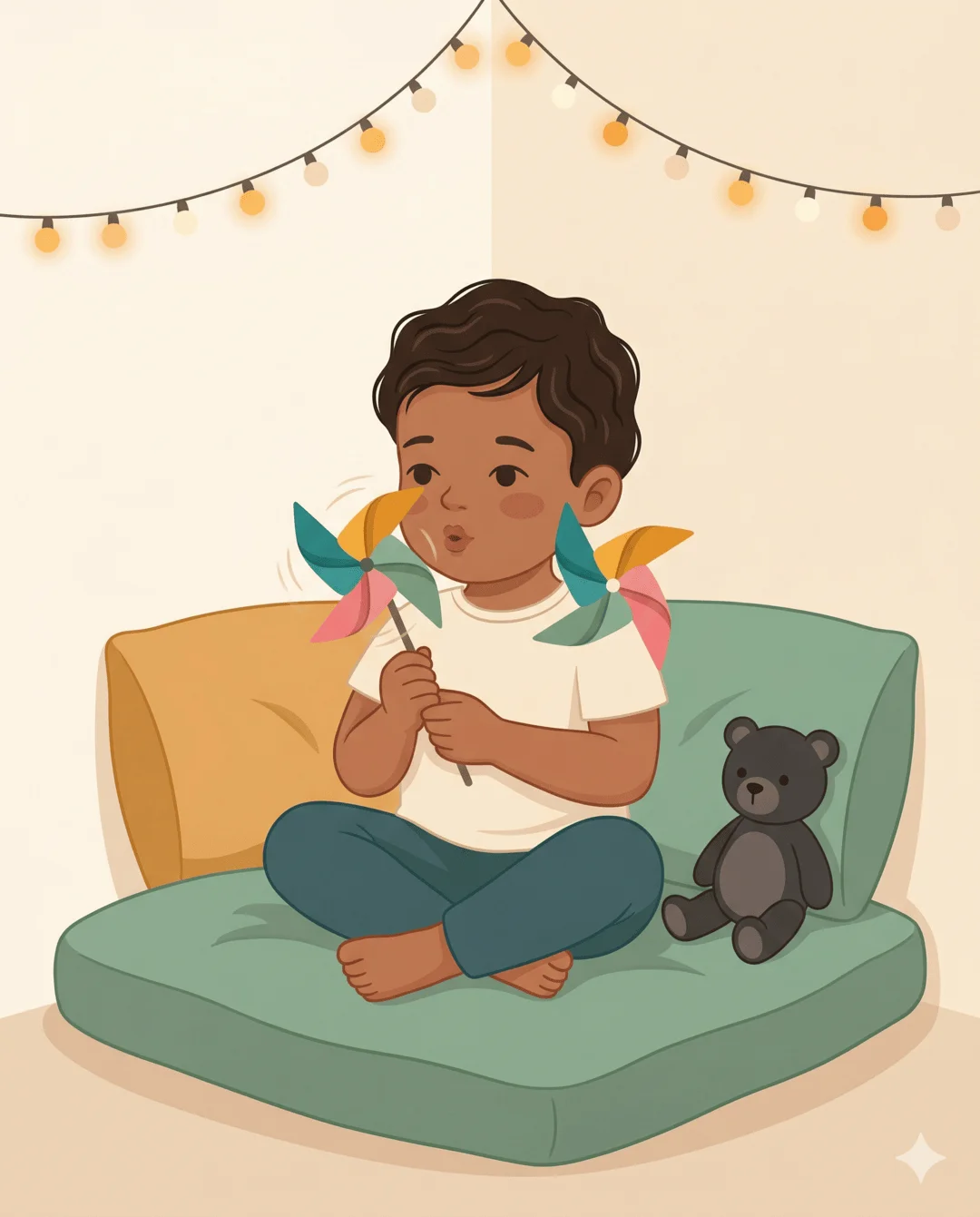
Create a calming DIY projector using a colander and torch, filling the dark bedroom ceiling with 'stars' your child made.
A curated basket of three books your child chooses before bed each evening, giving them control within a clear bedtime boundary.
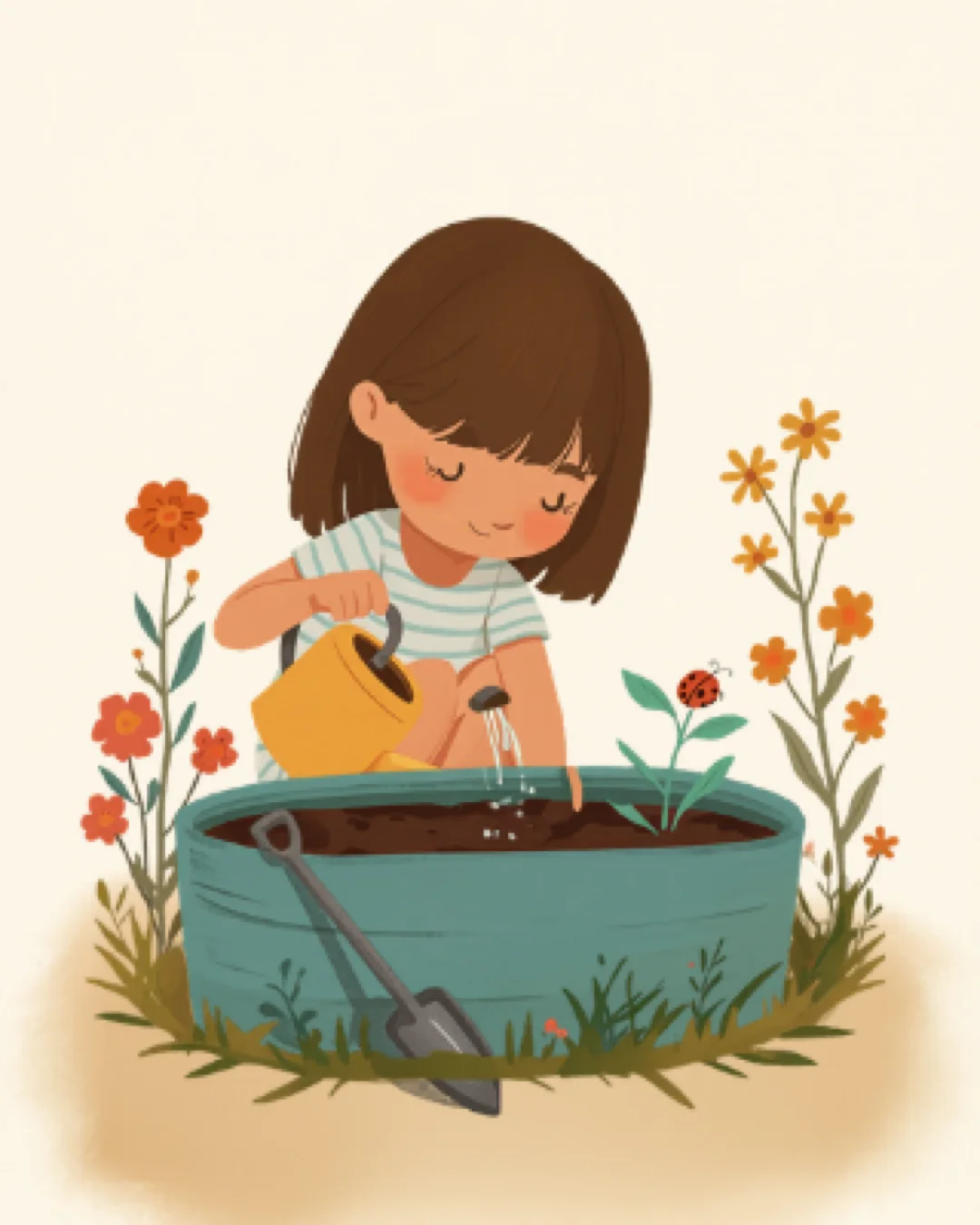
Stand under a blossom tree and just watch the petals fall — no catching, no collecting, no task, just the quiet work of noticing.
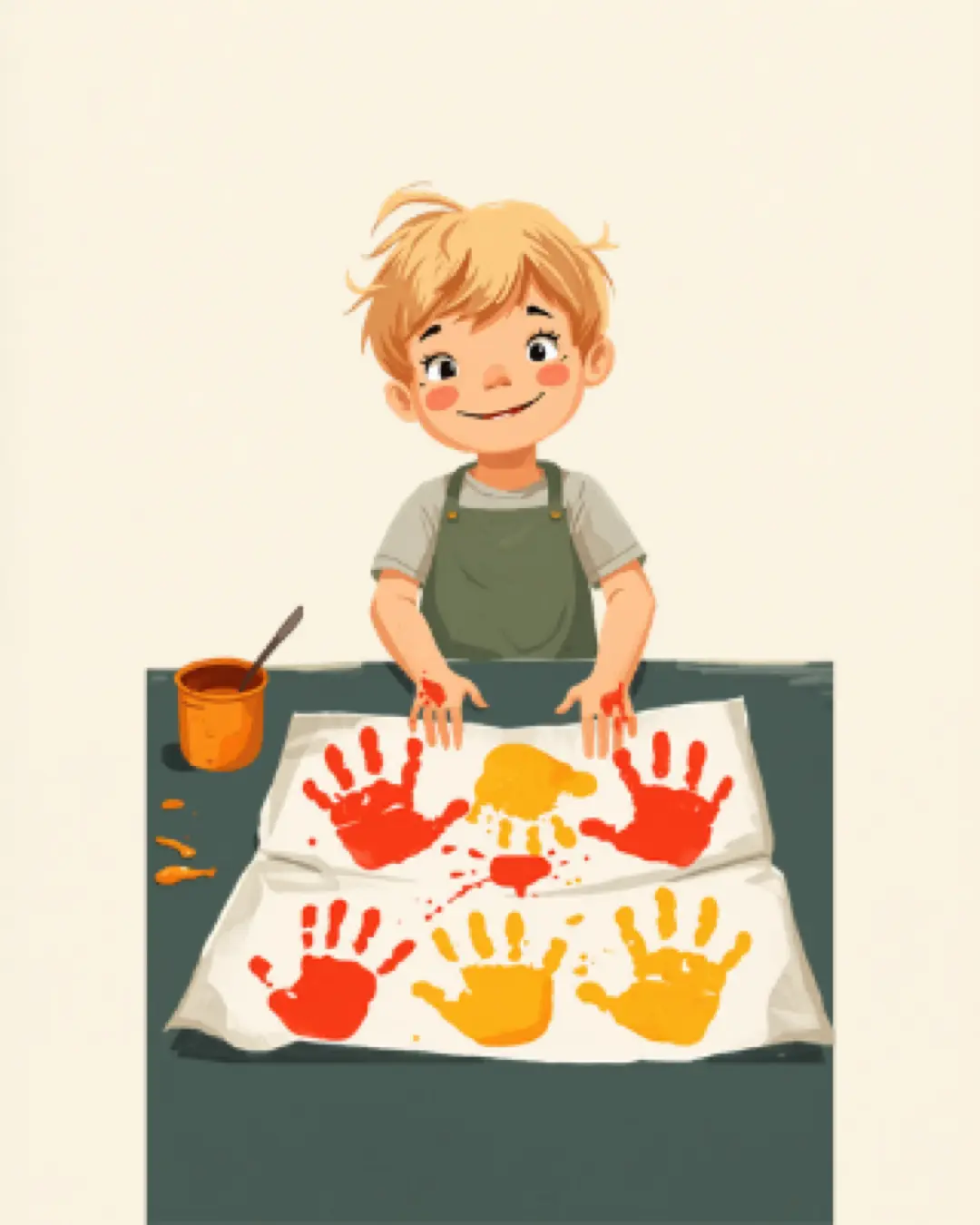
Sit down together and draw a goodbye picture for the bottle — what it looked like, what it gave you, where it's going. A symbolic farewell that helps the toddler let go.
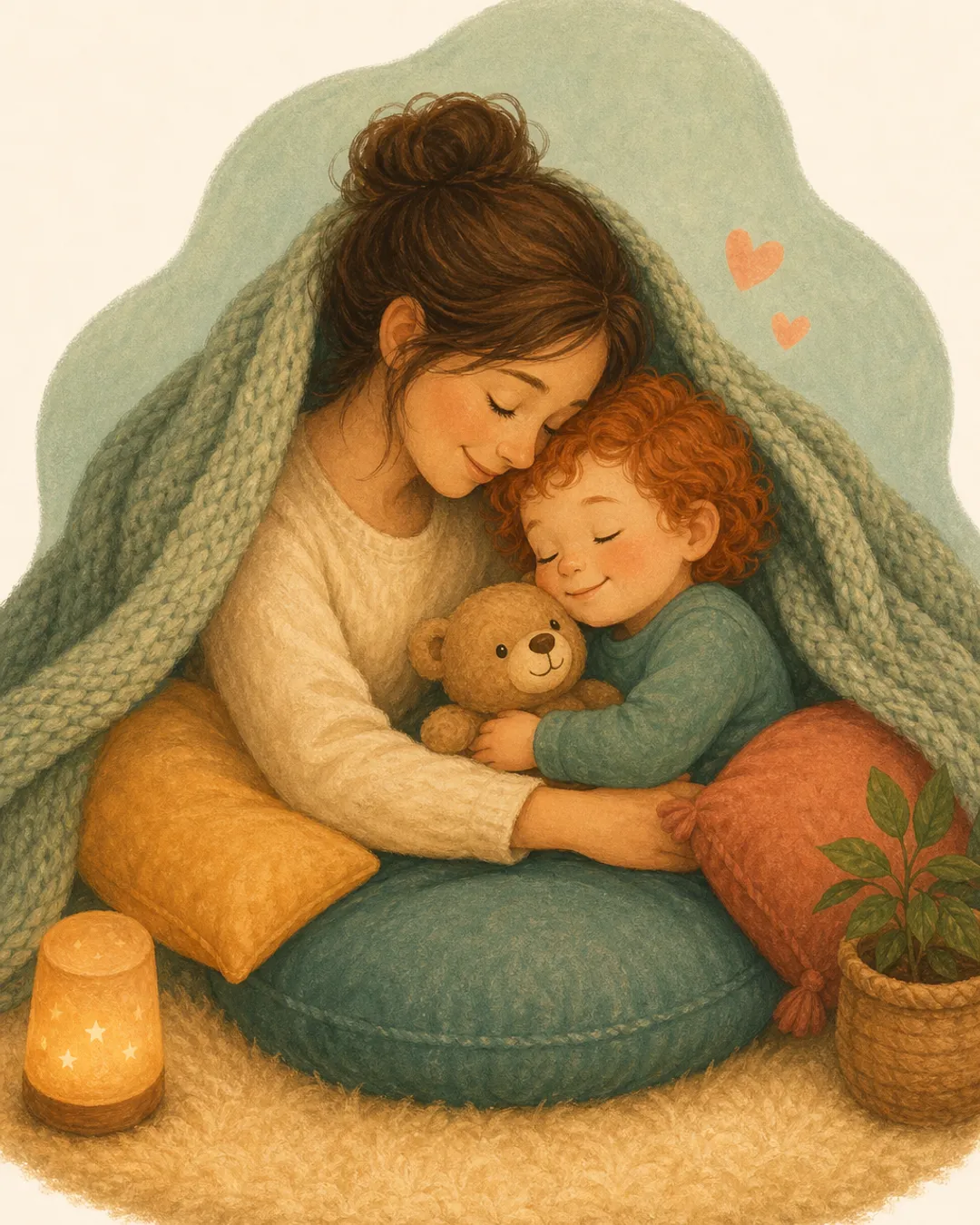
Teach your toddler three simple sentences they can say to themselves when they wake up scared in the night — short, calm, repeatable phrases that fit in their head when nothing else does.

A short verbal goodnight ritual that makes the morning concrete — 'I'll see you when the sky is bright' — turning the abstract gap of night into a promise the toddler can hold on to.
A bedtime ritual where you and your toddler name three brave things they did today — climbing the slide, trying a new food, sleeping in their own bed last night. Builds the felt sense of being brave.
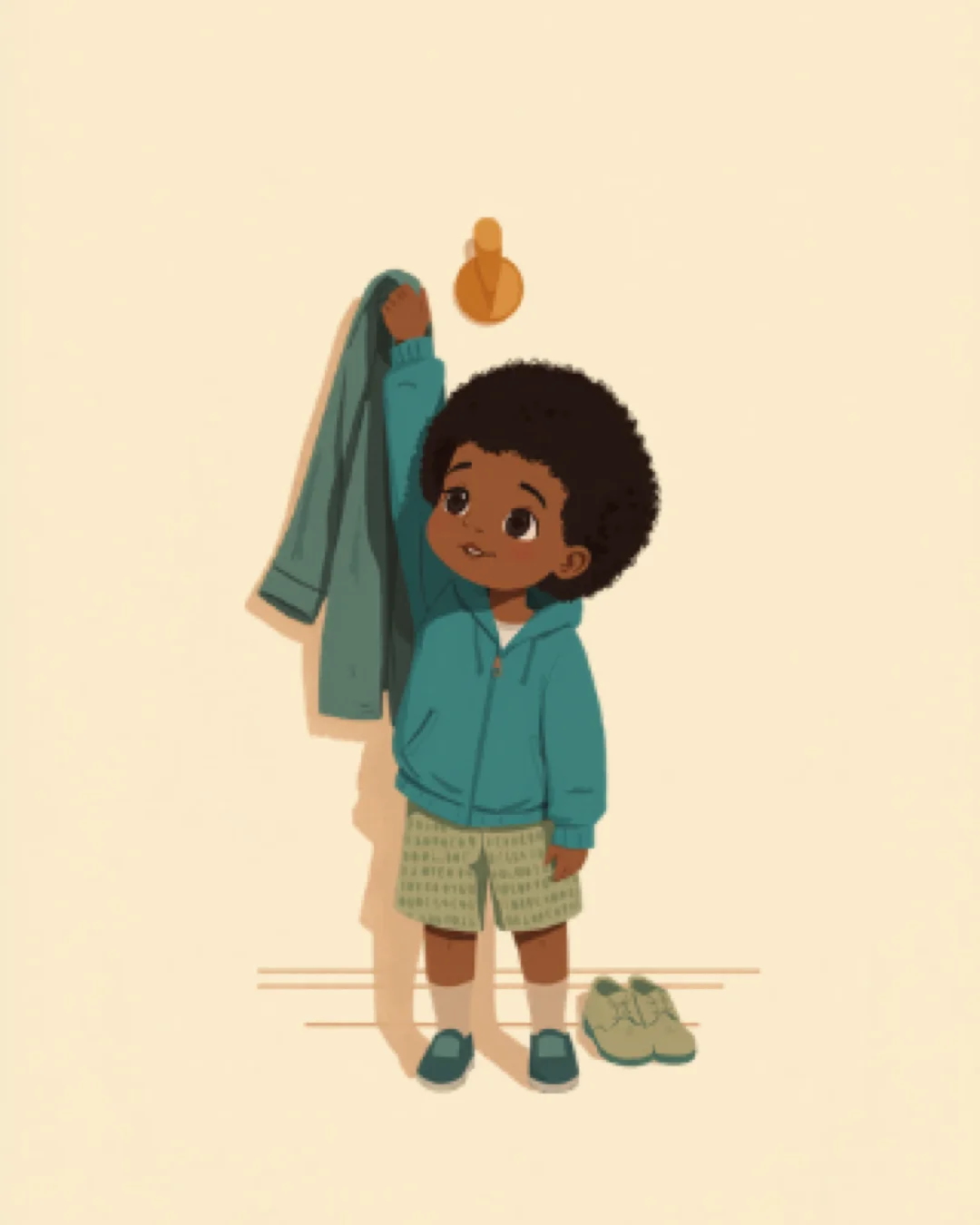
A specific three-step parent protocol for after your toddler wakes from a bad dream — same hug, same words, same exit — every single time. Predictability is the medicine.
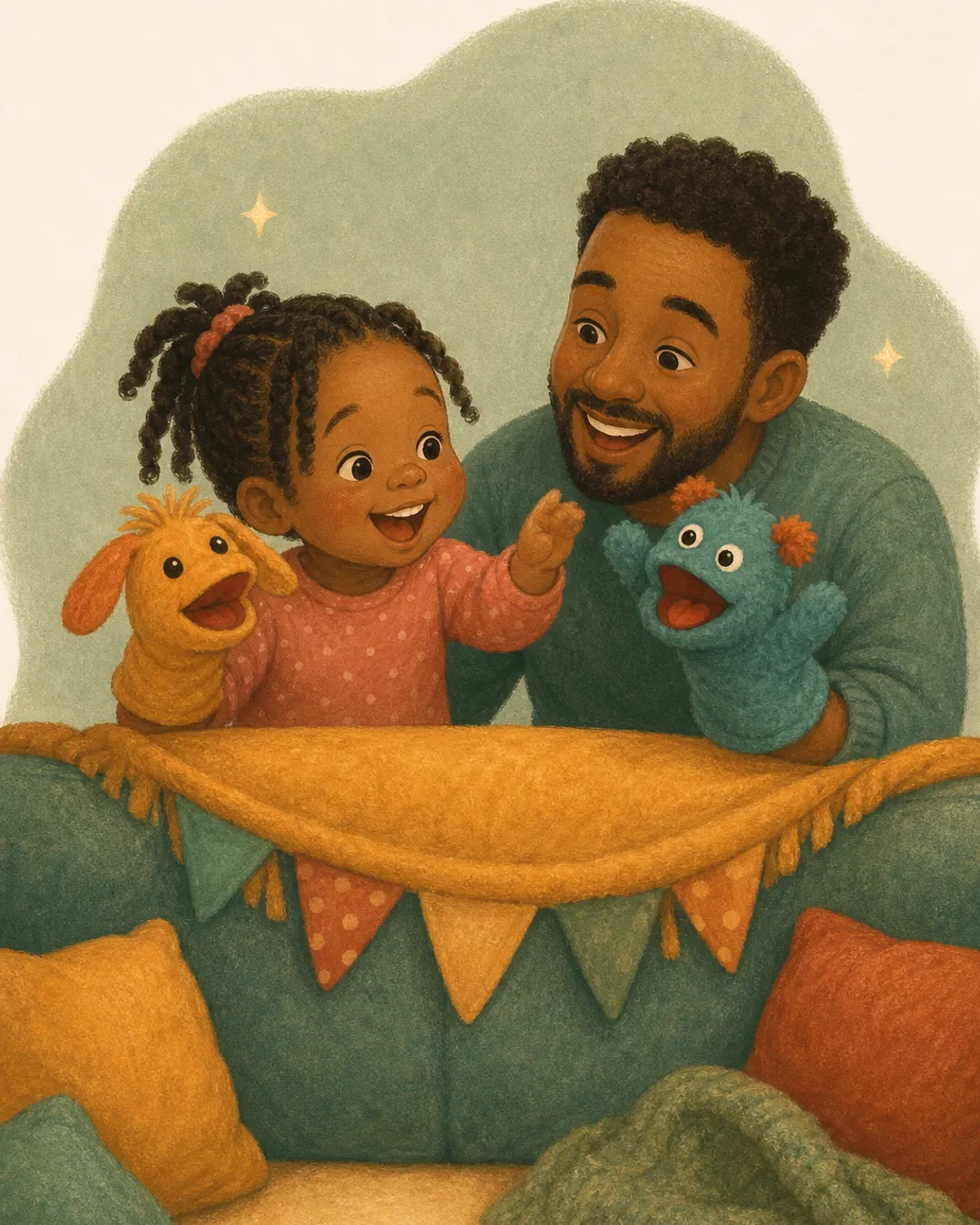
Replace the whining tone with a familiar counting song.
One email a week with practical toddler activities, behaviour tips, and developmental insights. No spam, unsubscribe any time.
Co-regulation is when a calm adult helps a child manage big emotions by being present, modelling calm, and offering comfort. Unlike self-regulation (which toddlers cannot yet do reliably), co-regulation is the developmentally appropriate way young children learn to handle feelings. You are their external regulation system until their internal one develops.
First regulate yourself — slow your breathing, lower your voice, relax your shoulders. Then offer physical comfort: a hug, gentle pressure, or simply sitting nearby. Name the feeling calmly (‘you’re really upset’) without trying to fix it. Once the storm passes, reconnect with a quiet activity together.
True self-regulation develops gradually from around age 3–4, and is not reliably in place until 6–7 years old. Before that, toddlers depend on co-regulation with a trusted adult. Expecting a 2-year-old to calm down independently is like expecting them to ride a bike — the neural pathways are not there yet.