
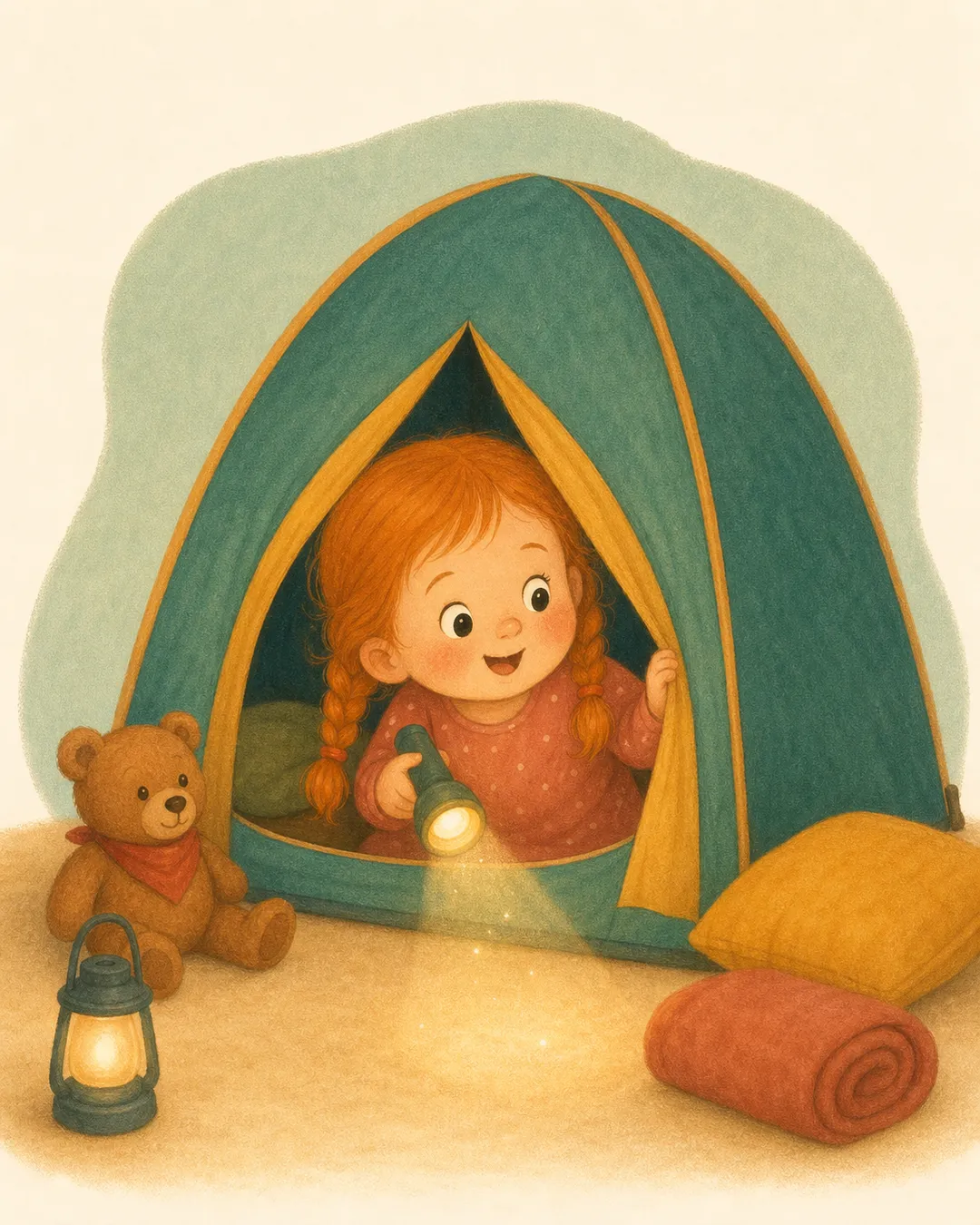
Ant Trail Watch-Along
Kneel beside an ant trail and just watch them work — who is carrying what, where they're going, what happens when two meet coming the other way.
Open-ended activities with no rules, no right answers, and no performance pressure. Your child engages on their own terms — perfect for days when everything feels like too much, or for children who find structured activities stressful. Particularly helpful for PDA profiles and neurodivergent toddlers who resist demands.
Resist the urge to direct. Set up the activity, step back, and let your child lead. If they use the materials in a way you did not expect — that is the activity working.

Kneel beside an ant trail and just watch them work — who is carrying what, where they're going, what happens when two meet coming the other way.

Stand under a blossom tree and just watch the petals fall — no catching, no collecting, no task, just the quiet work of noticing.
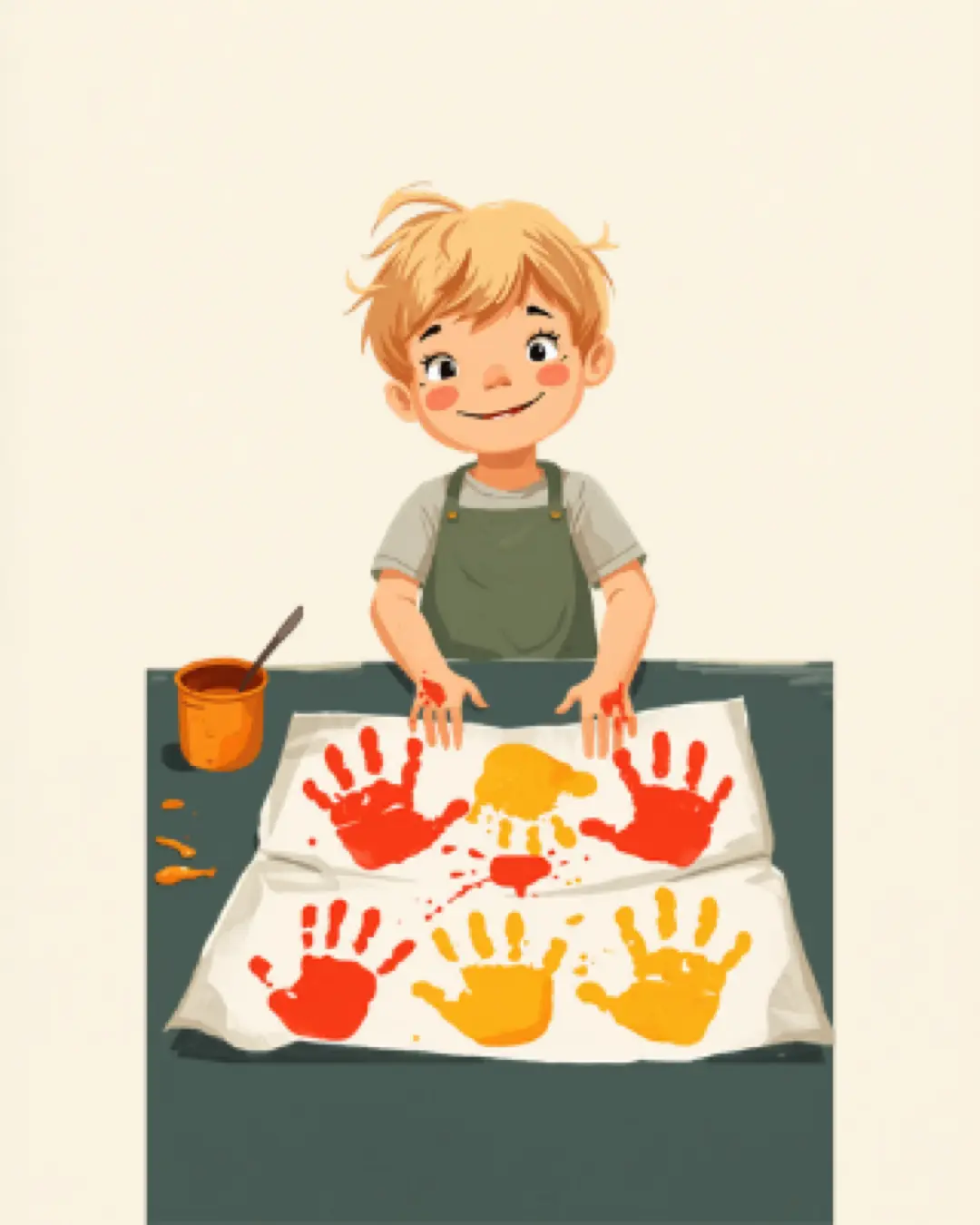
Sit down together and draw a goodbye picture for the bottle — what it looked like, what it gave you, where it's going. A symbolic farewell that helps the toddler let go.
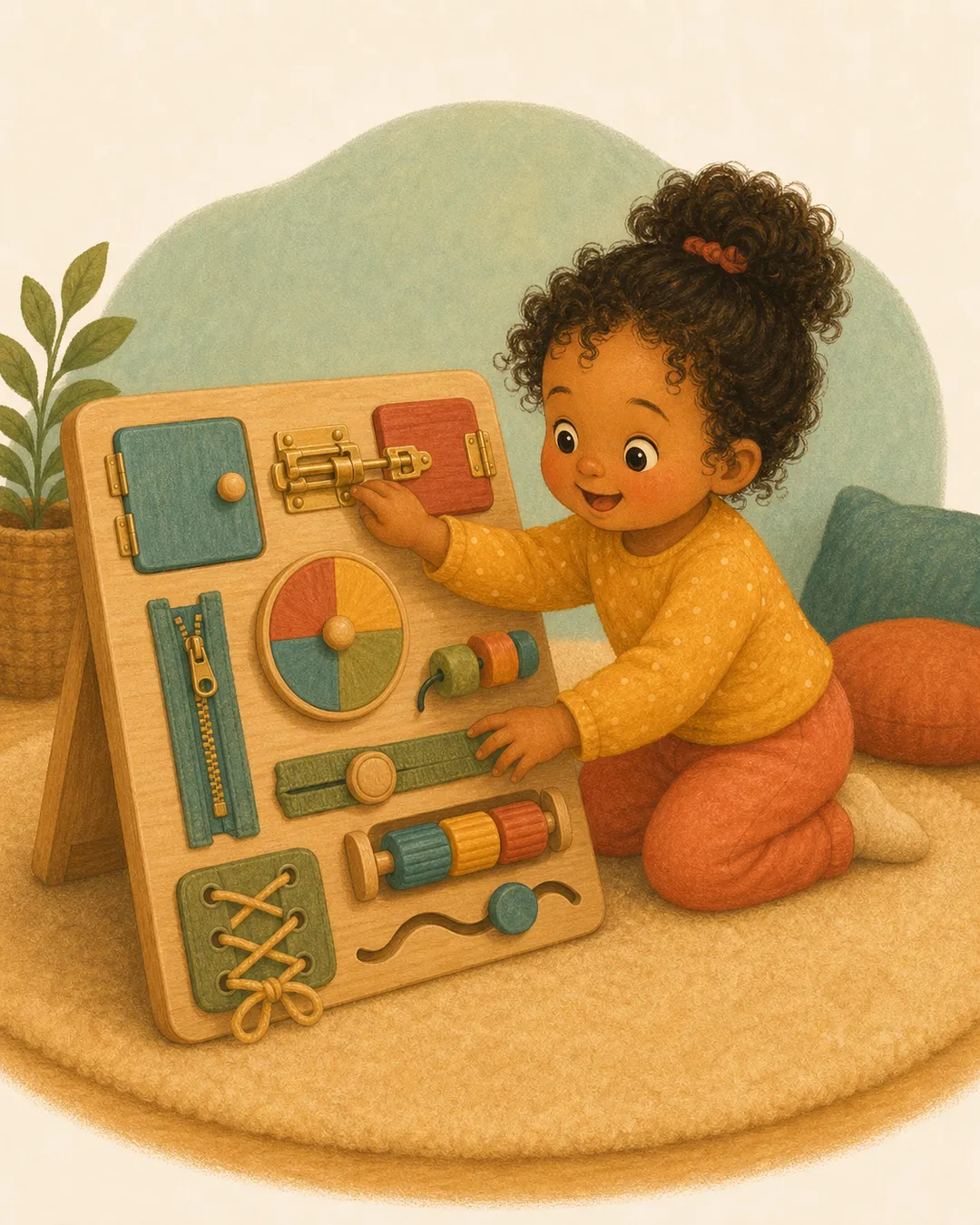
Explore latches, zippers, switches, and buttons on a busy board.
A reading game where you commit to making only statements — never questions — for the whole book. Removes the pressure that questions place on a child with disfluency.

Tape contact paper to a window at toddler height and let them stick tissue paper shapes onto it — backlit art they made all alone.

Fill containers with small objects and dump them out repeatedly.

Draw the scary thing from a bad dream in daylight — give it a silly hat, googly eyes, a small bottom — then crumple the drawing up together. Makes the monster controllable instead of terrifying.

Bring a favourite doll or teddy out to the garden on a warm day and set up a proper tiny sunbathe — blanket, sunglasses, sip of pretend lemonade.

Sit down with your toddler in daylight and rewrite a scary dream together — change the ending, give the monster a silly hat, turn the chase into a tickle. Defangs the bad dream by making it editable.

Set out a box of building blocks with no instructions, no picture to copy, and no rules — just blocks and imagination.
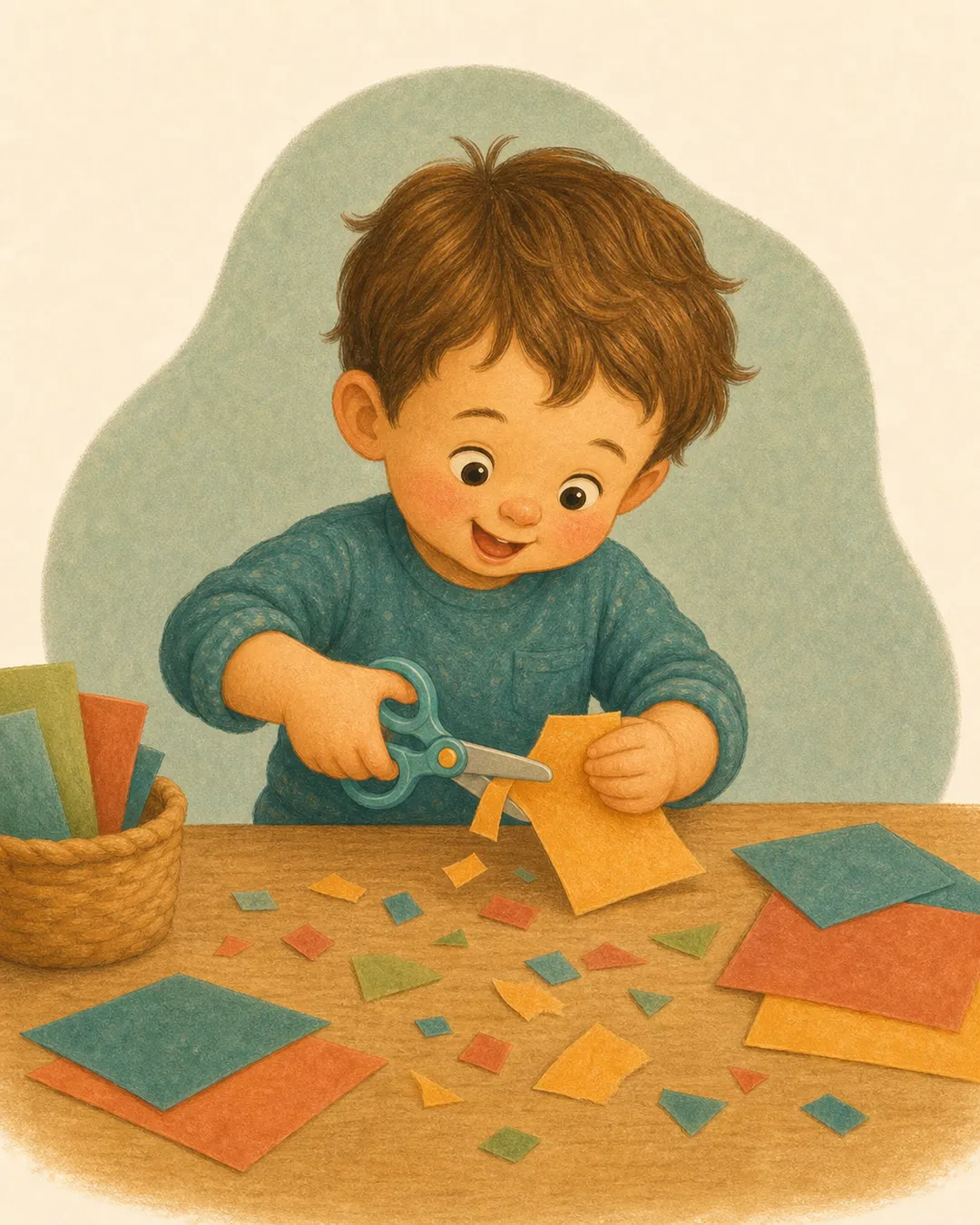
Link colours to feelings and splodge paint onto paper to show how you feel — messy, expressive, and no drawing skill needed.
One email a week with practical toddler activities, behaviour tips, and developmental insights. No spam, unsubscribe any time.
Low-demand activities have no instructions to follow, no correct outcome, and no performance expectations. The child chooses how to engage, for how long, and in what way. Examples include sensory bins, free building, open-ended art, and exploratory play with everyday objects.
Pathological Demand Avoidance (PDA) is a profile where everyday demands — even fun ones — trigger anxiety and avoidance. Low-demand activities remove the ‘have to’ feeling entirely: there is nothing to get right, no steps to follow, and no expectation to meet. This lets the child engage without the threat response that demands can trigger.
Put the materials out and say nothing — or at most, ‘this is here if you want it.’ Do not give instructions, ask questions, or praise specific outcomes. Let your child approach in their own time. If they walk away, that is fine. If they use it differently than intended, that is also fine.