TinyStepper

New Friend Hello Practice

At a glance: Role-play meeting new children — practising names, greetings, and joining in play so nursery introductions feel familiar. A 10-minute, low-energy indoor activity for ages 2y3y.

Built by a parent of toddlersBest for 2y-3y

Field-tested ideas shaped by direct parenting experience and advice from reputable sources, including NHS Best Start in Life and NSPCC child development research.

2y3y10 minslow energyindoornone mess

Use stuffed animals or dolls as 'new friends' and role-play the experience of meeting someone for the first time. 'This is Bear — he is new at nursery. Can you say hello and tell him your name?' Then practise the next bit: 'Bear is building a tower. How could you join in?' This is the exact social script your toddler will need on their first days at nursery, and practising it at home with safe, familiar toys removes the overwhelming novelty of doing it with real, unpredictable children.

Best for this moment

for calmer, lower-pressure moments, especially when you need an indoor option.

Parent tip

Set out stuffed animals before inviting your toddler in so the first minute feels smooth.
What success looks like

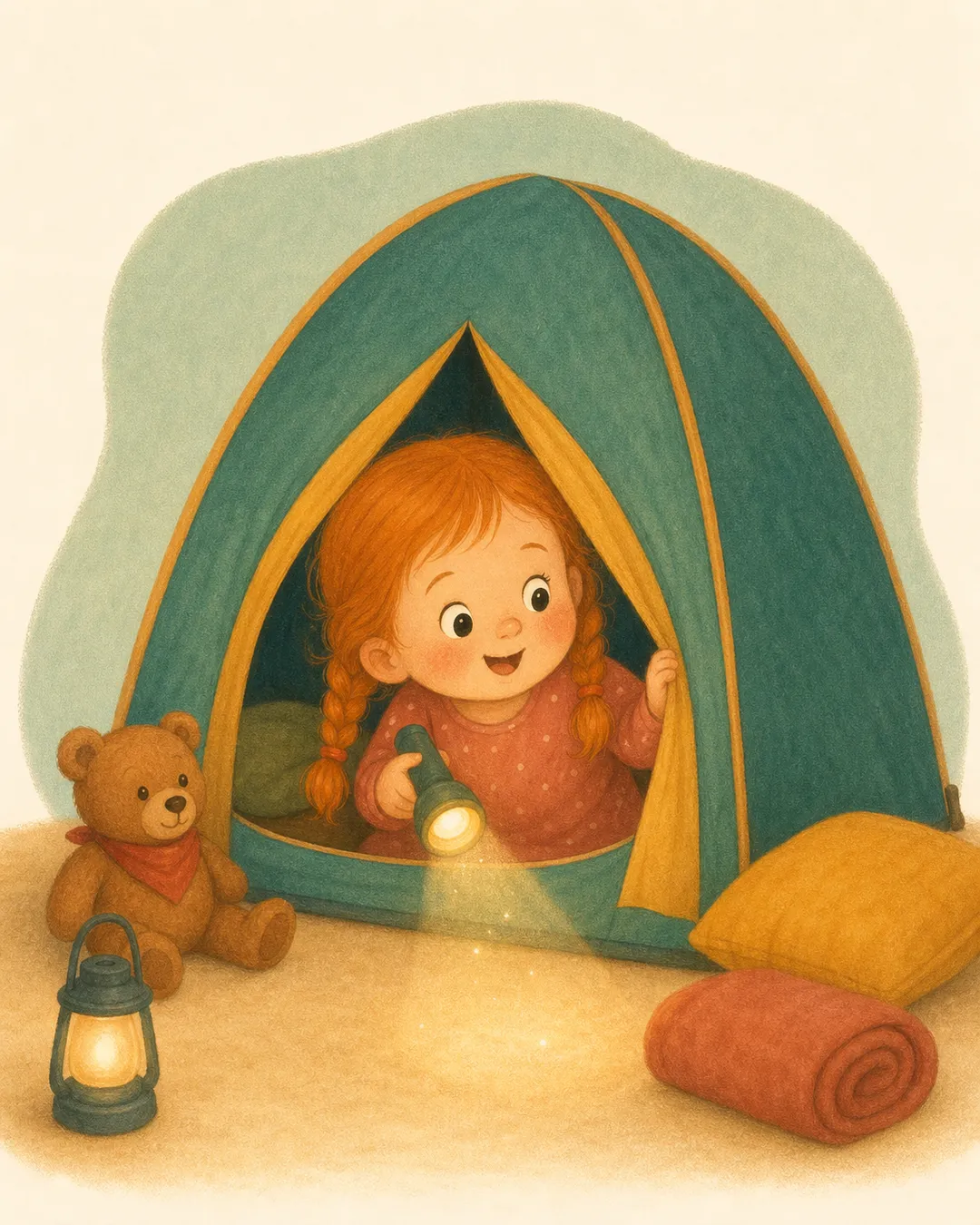
A good outcome is a few minutes of engaged play, some back-and-forth with you, and a small sign of progress in emotional regulation.

More help for this situation

Instructions

Get ready
  • Gather 2-3 stuffed animals or dolls and introduce them as 'new friends at nursery'
  • Model the greeting: 'Hello! My name is Bear. What is your name?'
  1. Gather 2-3 stuffed animals or dolls and introduce them as 'new friends at nursery'
  2. Model the greeting: 'Hello! My name is Bear. What is your name?'
  3. Encourage your toddler to respond: 'Can you say hello and tell Bear your name?'
  4. Practise the handshake or wave — whichever feels natural
  5. Set up a pretend play scenario: 'Bear is playing with blocks. How can you join in?'
  6. Model the approach: 'You could say: Can I play too?'
  7. Swap roles — let your toddler be the one already playing while you (as a toy) approach and ask to join
  8. Practise the most important phrase: 'Can I play?' until it feels natural and confident

Why it helps

Social approach skills — how to greet, introduce yourself, and join existing play — are learned behaviours, not innate instincts. Toddlers who have rehearsed these scripts at home have a ready-made framework for navigating the socially demanding nursery environment. Role-play builds theory of mind by asking your toddler to consider another's perspective, and the repetitive practice creates procedural memories that can be accessed under the stress of a real social encounter. This directly supports EYFS Personal, Social and Emotional Development goals around forming positive relationships.

Variations

  • Practise with a real sibling or familiar child to add the unpredictability of a real person's response.
  • Role-play the tricky bits: 'What if Bear says no? What could you do?' — building resilience scripts.
  • Record your toddler practising and play it back — they love watching themselves and it reinforces the learning.

Safety tips

  • Keep the tone playful and pressure-free — never force your toddler to perform the greeting if they are feeling shy.
  • Avoid framing it as something they 'need' to do — position it as a game, not a test.
  • If your toddler has an upcoming social situation, practise a day or two before — not minutes before, which adds pressure.

When to pause and seek extra support

Stop if your child becomes distressed, unsafe, or consistently frustrated by the activity. If play, behaviour, or development worries keep showing up across settings, check in with a qualified professional.

Get weekly activity ideas for your toddler

One email a week with practical toddler activities, behaviour tips, and developmental insights. No spam, unsubscribe any time.