TinyStepper

Garden Potion Mixing

At a glance: Mix water, mud, petals, leaves, and grass into magical potions outdoors. A 25-minute, medium-energy outdoor activity for ages 19m4y.

Built by a parent of toddlersBest for 19m-4y

Field-tested ideas shaped by direct parenting experience and advice from reputable sources, including NHS Best Start in Life and NSPCC child development research.

19m4y25 minsmedium energyoutdoorlots mess

Give your toddler cups, a bucket of water, and free rein to mix garden ingredients into potions. Mud, petals, grass, stones, sticks — everything goes in. Name each potion: 'This one makes you invisible! This one makes flowers grow!' The open-ended mixing sustains play because there's always another potion to invent, and the messy sensory experience is deeply satisfying for toddlers who need tactile input.

Best for this moment

when your toddler needs focused engagement, especially when you need an outdoor option.

Parent tip

Set out bucket and leaves before inviting your toddler in so the first minute feels smooth.
What success looks like

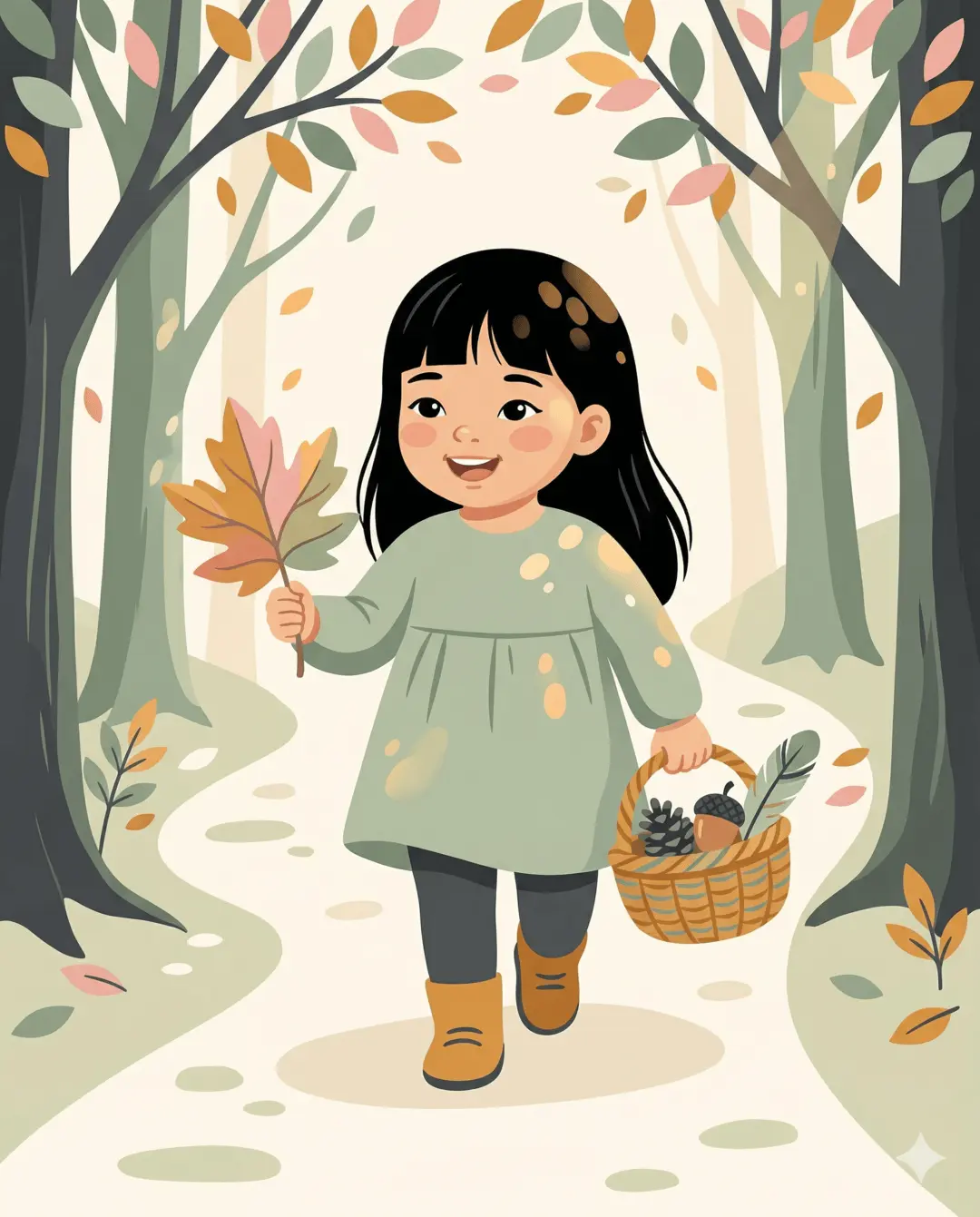
A good outcome is a few minutes of engaged play, some back-and-forth with you, and a small sign of progress in creativity.

More help for this situation

Instructions

Get ready
  • Set up outdoors with a bucket of water and several cups or containers
  • Encourage foraging: 'Let's find ingredients for our potions!'
  1. Set up outdoors with a bucket of water and several cups or containers
  2. Encourage foraging: 'Let's find ingredients for our potions!'
  3. Collect leaves, petals, grass, mud, small stones, sticks
  4. Demonstrate mixing: pour water, add ingredients, stir with a stick
  5. Name each potion together: 'What does this one do?'
  6. Encourage pouring between containers — big to small, small to big
  7. Add new ingredients to change the colour or texture of existing potions
  8. End with a 'potion parade' — line up all the potions and choose a favourite

Why it helps

Open-ended mixing provides rich sensory integration — tactile, visual, and olfactory input processed simultaneously. The pouring and stirring develop bilateral coordination and wrist rotation. The naming and narrative elements ('this potion makes you fly') exercise symbolic thinking, while the freedom to experiment without a 'right answer' builds creative confidence and intrinsic motivation.
Variations

  • Add food colouring to the water for more vivid potions.
  • Freeze potions overnight and discover the frozen results the next morning.
  • Create a 'recipe book' — draw what went into each potion for early literacy and recall.

Safety tips

  • Supervise closely to ensure toddlers don't taste the potions — establish 'we mix but don't drink.'
  • Wash hands thoroughly after play, especially if mud or soil is involved.
  • Check the area for animal waste, thorns, or toxic plants before foraging begins.

When to pause and seek extra support

Stop if your child becomes distressed, unsafe, or consistently frustrated by the activity. If play, behaviour, or development worries keep showing up across settings, check in with a qualified professional.

Get weekly activity ideas for your toddler

One email a week with practical toddler activities, behaviour tips, and developmental insights. No spam, unsubscribe any time.