TinyStepper

Crayon Swap Game

At a glance: Colour a picture together, swapping crayons by asking politely — practising the words and rhythm of sharing. A 15-minute, low-energy indoor activity for ages 2y4y.

Built by a parent of toddlersBest for 2y-4y

Field-tested ideas shaped by direct parenting experience and advice from reputable sources, including NHS Best Start in Life and NSPCC child development research.

2y4y15 minslow energyindoorsome mess

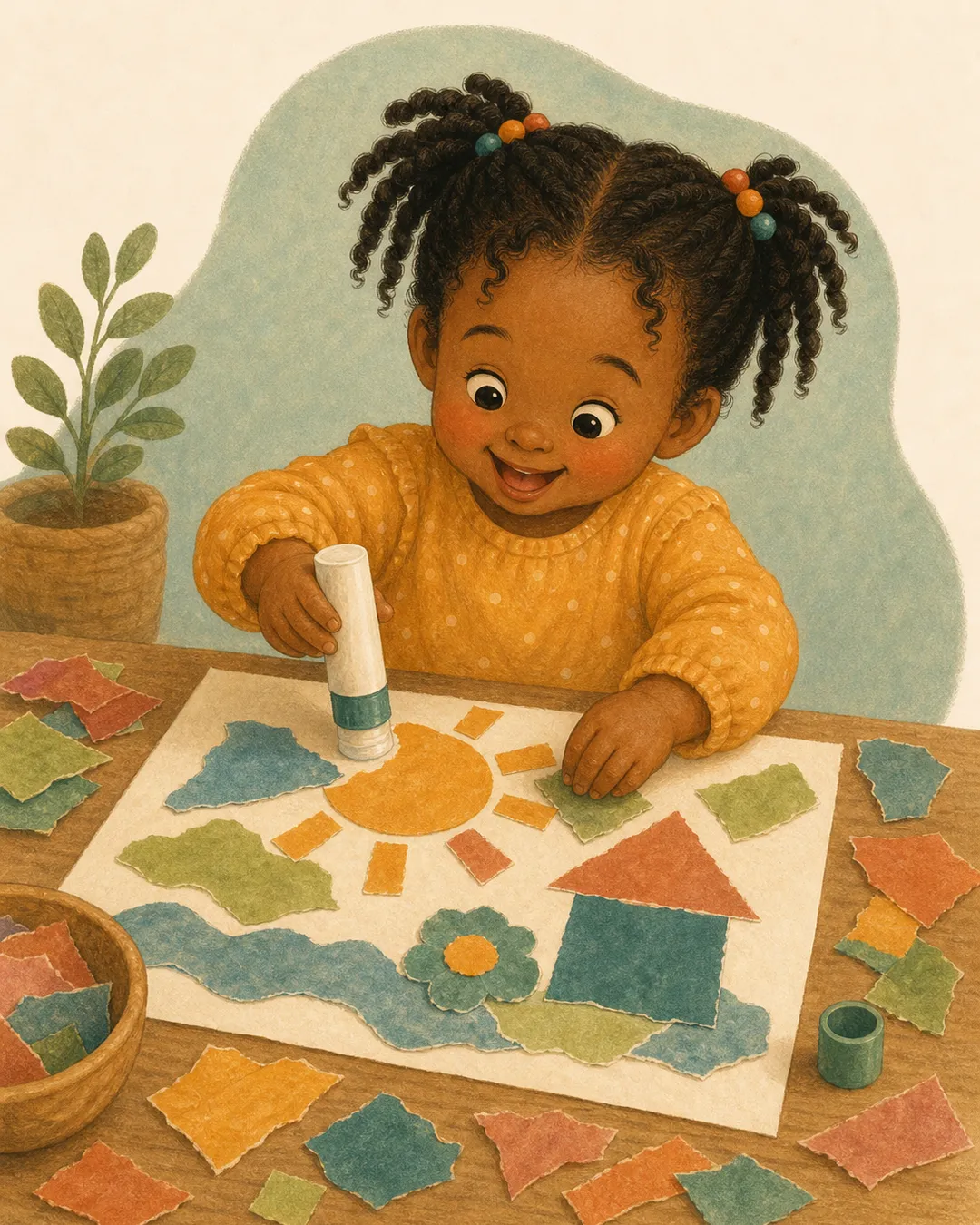
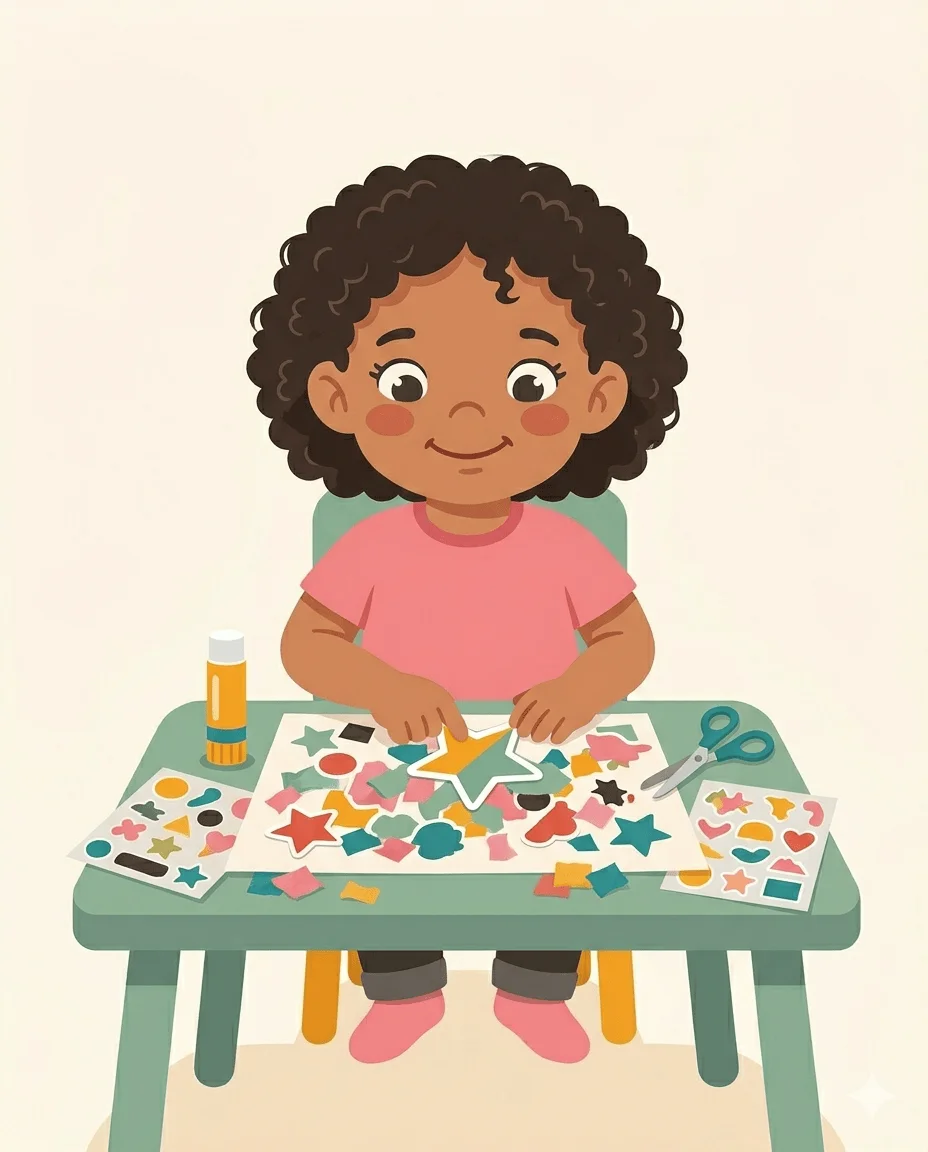
Sit side by side with a large piece of paper and a shared pot of crayons. Each draw a section, then swap colours by asking: 'May I have the red one, please?' 'Yes, here you go!' 'Thank you!' The scripted exchange teaches the actual words and rhythm of sharing — request, wait, receive, thank. The shared artwork means you need each other's colours to complete it, creating genuine motivation to take turns rather than forced sharing of something they would rather keep.

Best for this moment

for calmer, lower-pressure moments, especially when you need an indoor option.

Parent tip

Set out construction paper and crayons before inviting your toddler in so the first minute feels smooth.
What success looks like

A good outcome is a few minutes of engaged play, some back-and-forth with you, and a small sign of progress in creativity.

Instructions

Get ready
  • Tape a large sheet of paper to the table and sit side by side
  • Put all the crayons in one shared pot in the middle
  1. Tape a large sheet of paper to the table and sit side by side
  2. Put all the crayons in one shared pot in the middle
  3. Each pick a crayon and start drawing
  4. After a minute, model the swap: 'May I have the blue one, please?'
  5. Wait for your toddler to hand it over: 'Thank you! Here, you can have my red one'
  6. Continue drawing and swapping colours every minute or so
  7. Narrate the artwork: 'Your bit and my bit together make the picture!'
  8. Display the finished collaborative artwork somewhere visible

Why it helps

Scripted social exchanges give toddlers a framework for interactions they cannot yet improvise. The request-wait-receive-thank sequence practises pragmatic language skills and delayed gratification simultaneously. Creating a shared artwork provides a concrete, visible outcome of cooperation — the picture literally could not exist without sharing — which builds the intrinsic motivation to share that external rewards cannot replicate.

Variations

  • Use a timer to signal swap time — when the timer beeps, everyone passes their crayon to the left.
  • Draw a specific scene together (a garden, a house) where each person colours different elements.
  • Extend to paintbrushes and washable paint for an older toddler version.

Safety tips

  • Use non-toxic, washable crayons appropriate for toddlers.
  • Supervise to prevent crayons being put in mouths, especially with younger toddlers.
  • Avoid correcting their drawing — the focus is on sharing, not artistic quality.

When to pause and seek extra support

Stop if your child becomes distressed, unsafe, or consistently frustrated by the activity. If play, behaviour, or development worries keep showing up across settings, check in with a qualified professional.

Get weekly activity ideas for your toddler

One email a week with practical toddler activities, behaviour tips, and developmental insights. No spam, unsubscribe any time.