
After-Lunch Picture Plan
A simple visual sequence — eat lunch, nap, snack, mum comes back — drawn together so your toddler knows exactly when pickup happens at nursery.
Glue, paint, scissors, and imagination. These activities build fine motor skills and creativity — and most use materials you already have at home.
Expect mess — and let it happen. The process matters more than the product at this age. Lay down newspaper or an old sheet if it helps you relax.

A simple visual sequence — eat lunch, nap, snack, mum comes back — drawn together so your toddler knows exactly when pickup happens at nursery.
Use big, fast brush strokes on large paper to express angry feelings through colour and movement — a safe outlet for fury.
An autumn nature craft — thread fallen leaves onto string to make a colourful garland.
Sit back-to-back and draw separately — physical touch maintained, focus independent.
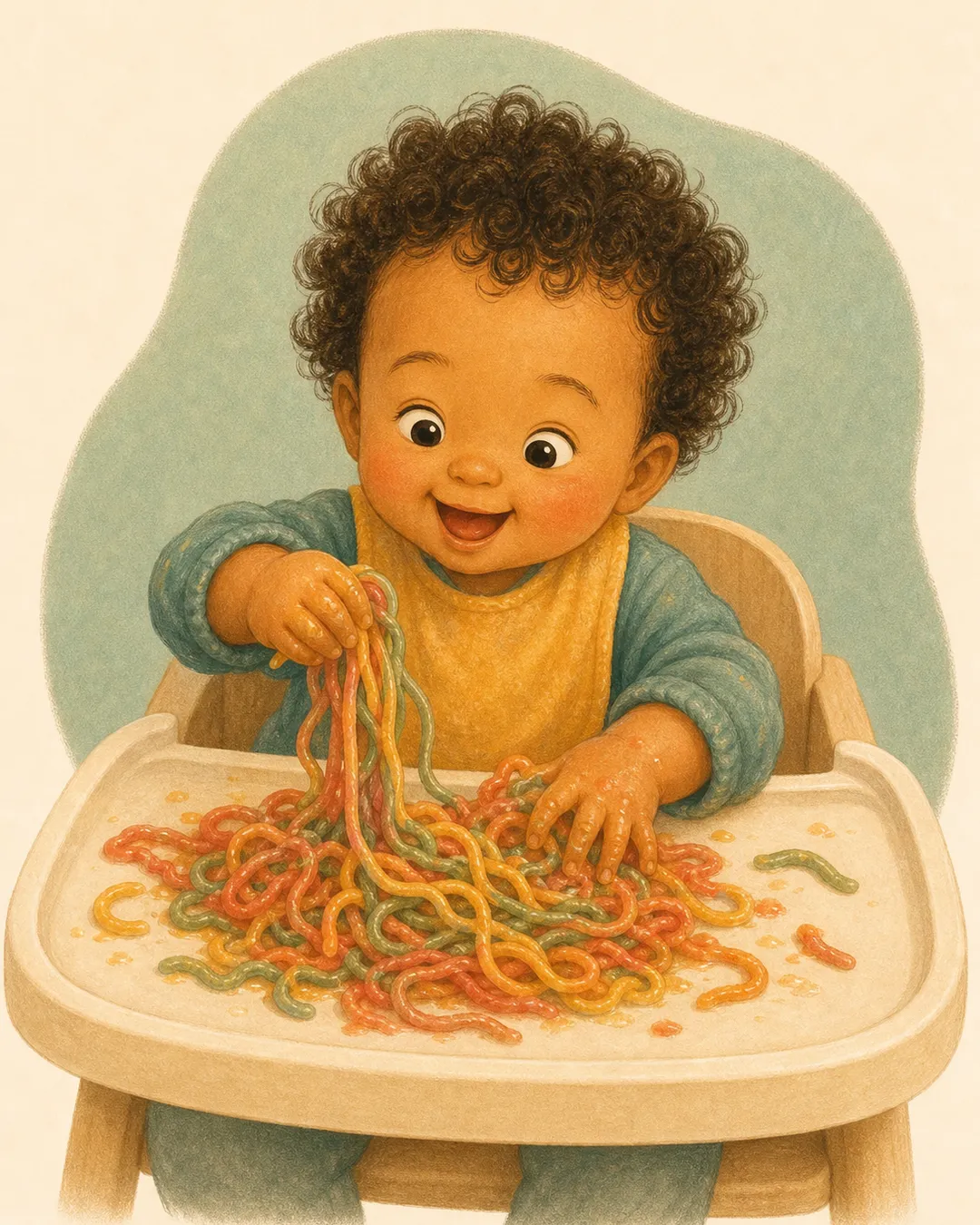
Draw on bath tiles with bath crayons or soap — a mess-free creative session that washes straight off.
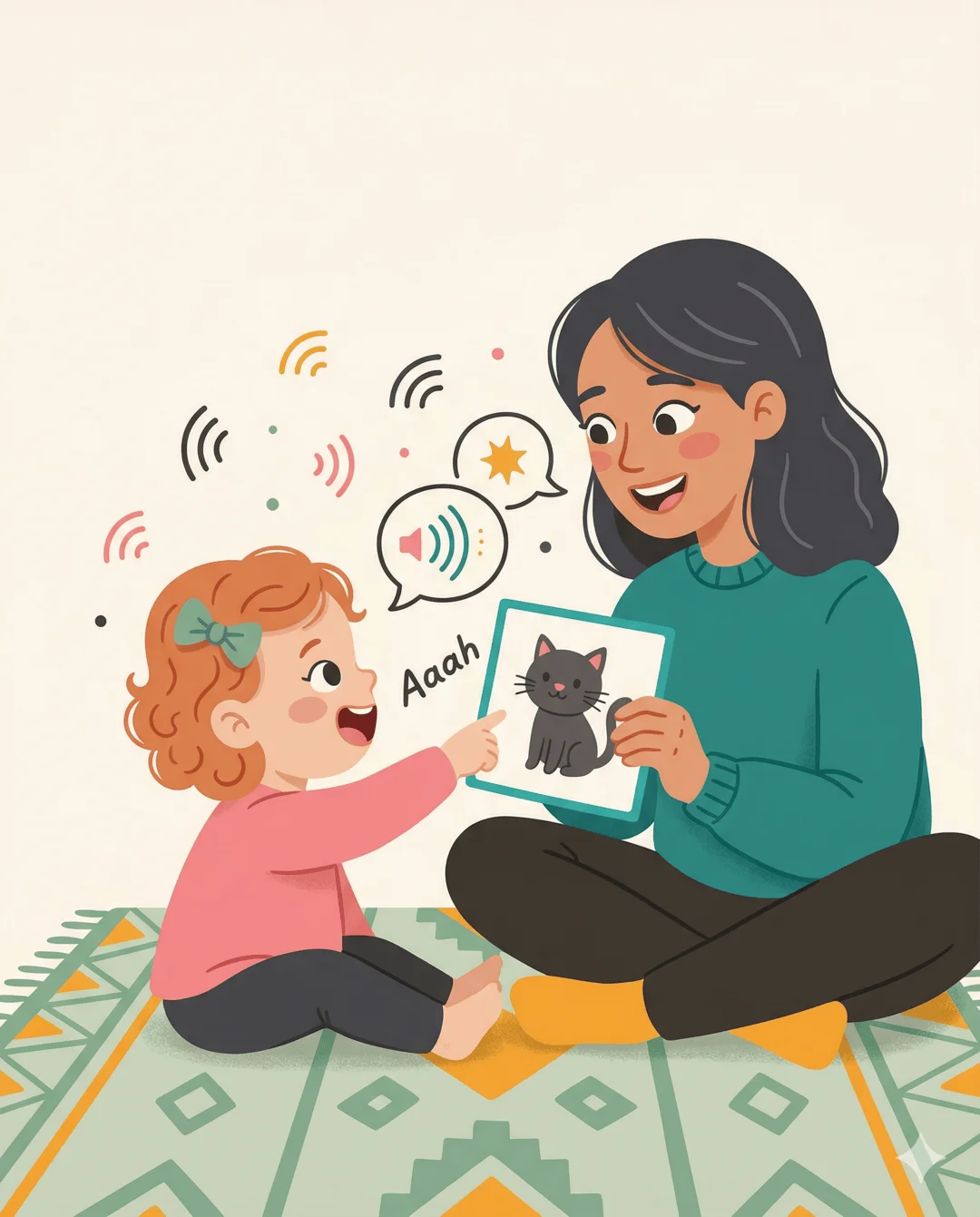
Make a tiny home-stitched book together — each page is one thing your toddler can do as a big sister or brother. Builds the proud identity that protects against the regression to come.
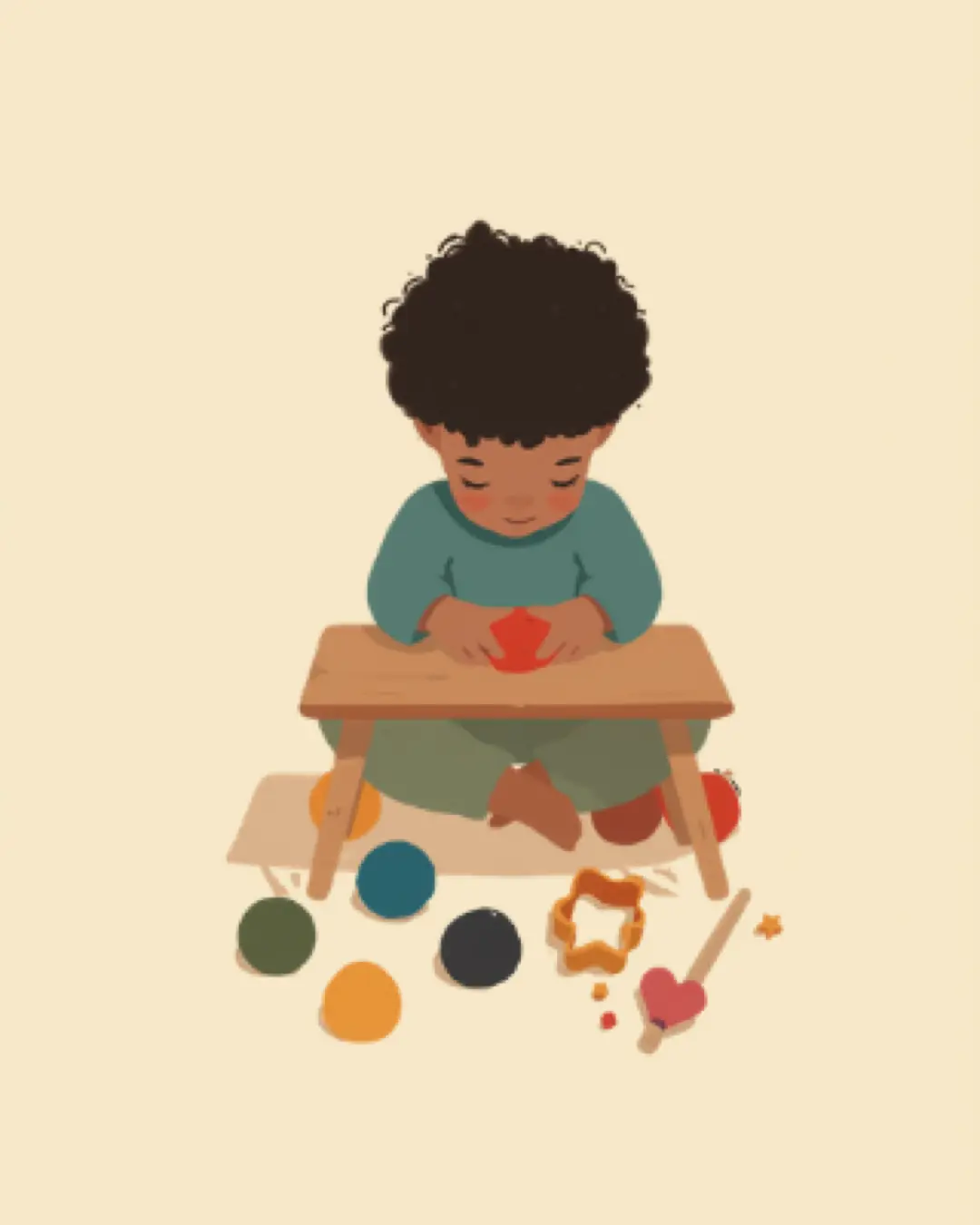
Spread icing and arrange toppings on plain biscuits for a creative edible treat.
Create a simple homemade book together from scratch, from the story idea to the illustrated cover.
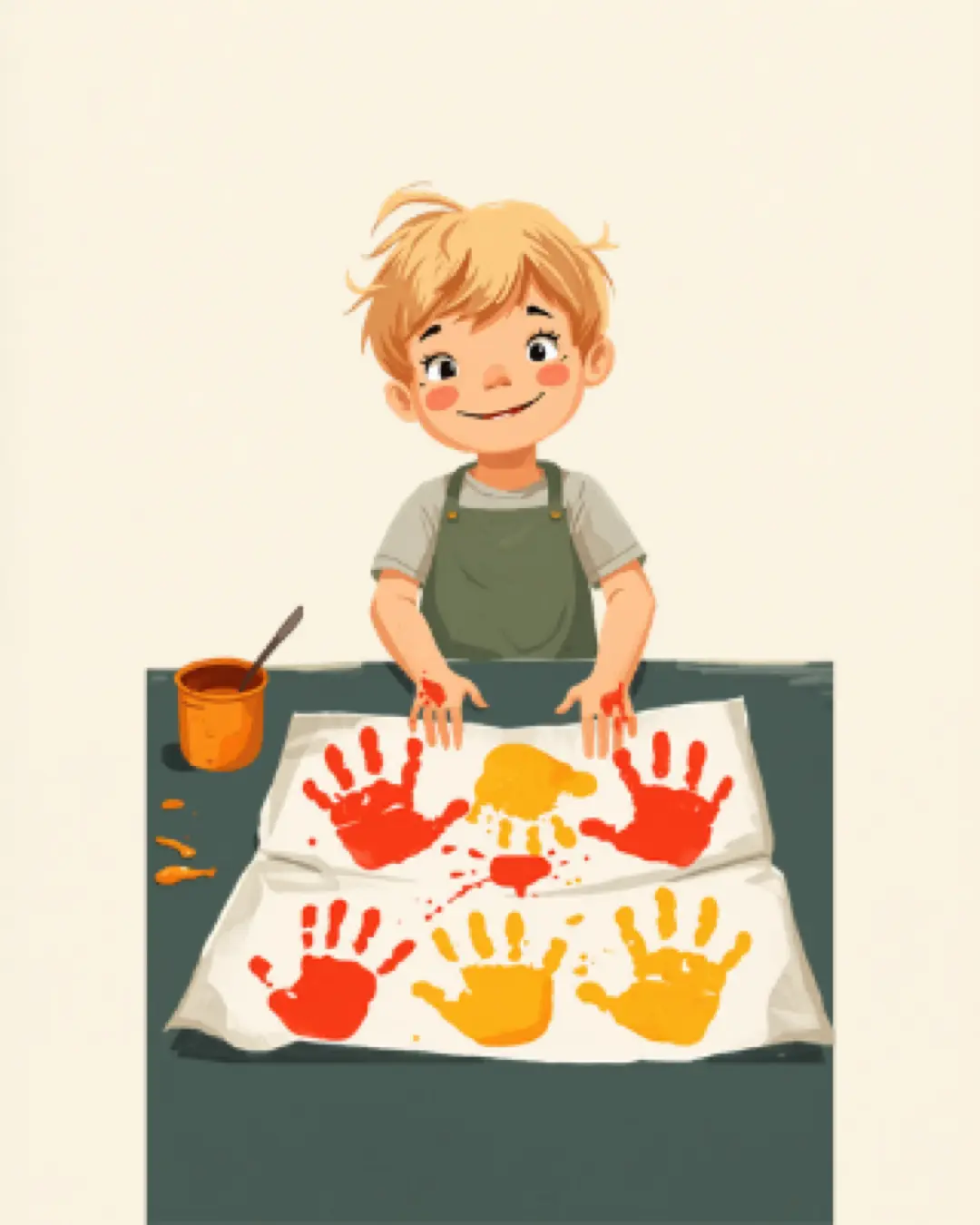
Sit down together and draw a goodbye picture for the bottle — what it looked like, what it gave you, where it's going. A symbolic farewell that helps the toddler let go.
Transform a cardboard box into a spaceship with painted controls and a foil dashboard — a grand craft adventure.
Lie down on the pavement while your child traces around you, then swap and decorate the outlines together.
Draw roads, tracks, and paths with pavement chalk for toy vehicles.
One email a week with practical toddler activities, behaviour tips, and developmental insights. No spam, unsubscribe any time.
Toddlers can tear paper, stick stickers, stamp with objects, make marks with crayons, finger paint, and glue collage pieces. Focus on the process rather than the finished product — the doing is where the learning happens.
Most toddlers can start simple crafts from around 12 months — tearing paper, making marks, and sticking. By 2–3 years they can use glue sticks, cut with safety scissors, and do more structured projects.
Use a plastic tablecloth or old sheet under the activity area. Choose washable paints and markers. Dress your toddler in old clothes or a smock. Keep wet wipes nearby. Preparation makes cleanup much easier.