At a glance: Throws toys, food, or objects forcefully or repeatedly. This is a normal part of toddler development. See practical steps and related activities below.
Built by a parent of toddlersDesigned for common toddler moments across 1 to 4 years (12–48 months)
Field-tested ideas shaped by direct parenting experience and guidance from reputable sources including the NHS, NSPCC, and Zero to Three.
Try this first
Stop the throw calmly — hand gently over theirs, neutral voice: “we don’t throw this.”
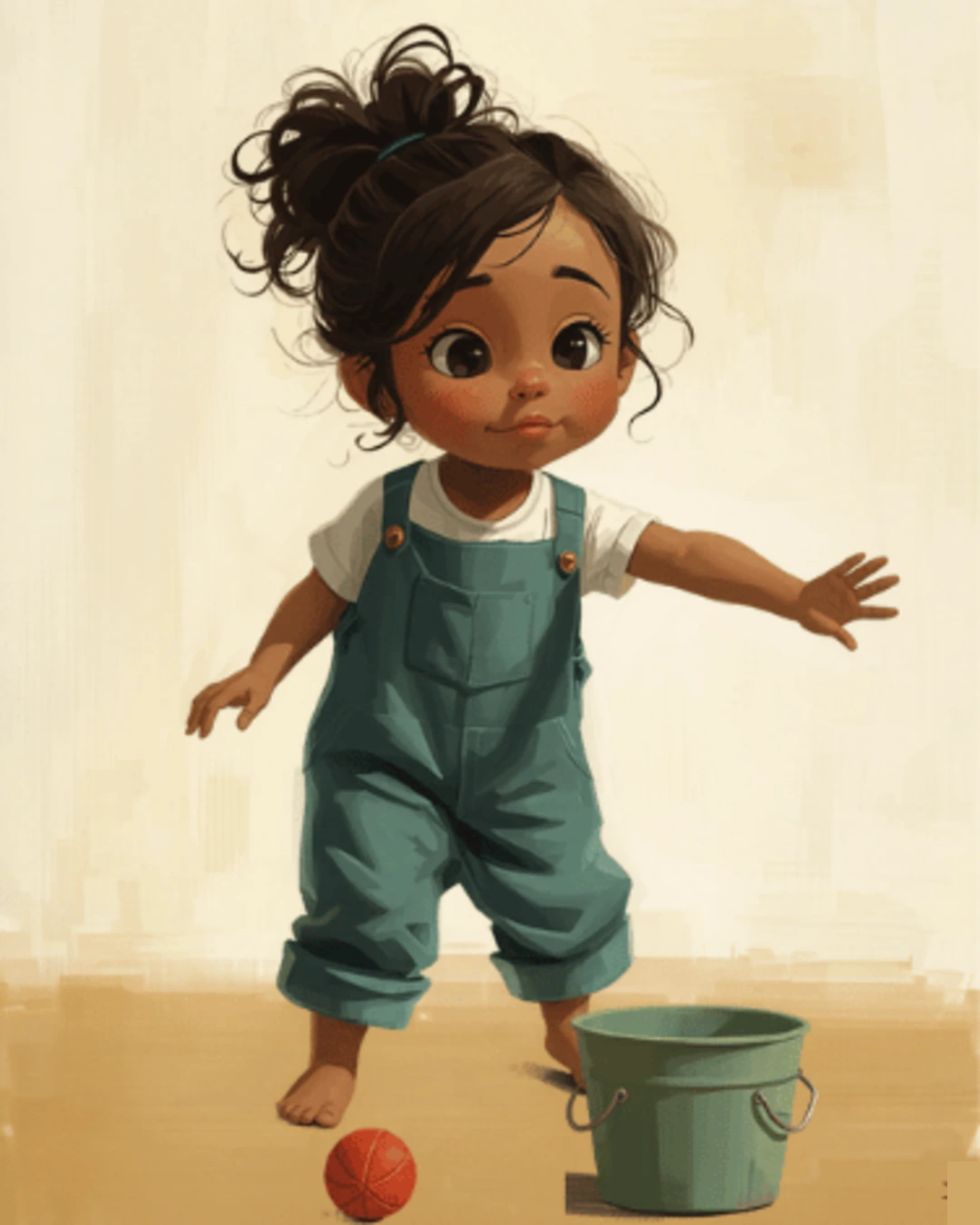
Redirect to something they can throw: a beanbag into a bowl, soft balls outside.
Move breakable things out of reach for now. Environment does more than rules at this age.
Name the urge: “hands want to throw.” Give them permission to do it with something safe.
Why this works
Provide safe, sanctioned throwing: soft balls, bean bags, scrunched-up socks into a basket. Set clear, simple rules: "Balls are for throwing. Books are not." At mealtimes, offer a "finished" sign or bowl: "Food stays on the tray. When you're done, put it here." When they throw in frustration, name the feeling: "You're cross. Let's throw this ball instead." Redirect immediately and consistently — same response every time. Praise appropriate throwing enthusiastically. Offer plenty of gross motor outlets so the throwing drive has somewhere to go: garden time, hallway sock-ball games, tossing leaves outside. As language develops, model the words they need: "Say 'I'm done' instead of throwing." The phase passes naturally as motor exploration shifts and language replaces the need for physical communication.
Many toddler behaviour spikes come from hunger, tiredness, transitions, or a mismatch between big feelings and limited language. The goal is regulation first, teaching second.
When should I worry about throwing things?
If this pattern feels intense, persistent, or starts affecting sleep, safety, nursery, or family routines, it’s worth speaking to a professional. Your health visitor or GP can discuss your concerns and refer you to specialist support if needed. The NSPCC helpline (0808 800 5000) also offers free, confidential advice on any child behaviour concern.
More on this moment
When to use this guide
Use this when your child is throwing toys, food, or objects and you want to channel the impulse into acceptable play rather than just stopping it.
When to step back
If throwing is aimed at people and intended to hurt, treat it as an aggression issue first. Redirect to the hitting guide, then come back here for the throwing impulse.
What success looks like
Your child throws balls or beanbags instead of hard objects. They pause when you say 'not for throwing' and look for an alternative.
What to try first
Say 'Balls are for throwing — let’s throw this instead' and hand them something soft. Create a throwing target (a basket, a cushion) so the impulse has a safe outlet.
Throwing is a genuine gross motor milestone — around 12-18 months, toddlers discover they can release objects with force, and it's thrilling. They're learning cause and effect (what happens when this hits the floor?), trajectory, gravity, and spatial awareness all in one action. This drive is so universal that developmental psychologists describe it as part of Piaget's "tertiary circular reactions" stage — a period when toddlers experiment systematically with how objects respond to their actions. Throwing supports gross motor development by engaging the arms, core, and legs together; the muscles that maintain balance learn to adjust to prevent falling, supporting future skills like running and jumping. For older toddlers, throwing can also express frustration when words aren't enough, or be a bid for attention. The NHS notes that frustration-driven behaviours emerge around 18 months as toddlers struggle to express themselves verbally. At mealtimes, throwing food often signals "I'm done" before they have the language to say so.
What should I avoid during throwing things?
Don't overreact — big reactions (gasping, shouting) are entertaining and reinforcing. Don't punish developmental throwing in young toddlers — they need to throw, just not everything. Don't remove all throwing opportunities; suppressing the urge doesn't work and removes a key motor learning channel. Don't assume aggression, especially in children under 2 — at this age, throwing is rarely about hurting anyone. Don't shame mealtime throwing in young toddlers; it's developmentally typical, even if exhausting.
Every child is different, and progress isn’t always steady. With a calm, consistent response and a little time, many families find things gradually ease. A brief wobble — or a patch where it feels harder — is usually part of the process, not a sign you’re doing anything wrong.
Get weekly tips for tough toddler moments
One email a week with practical behaviour tips, calming activities, and developmental insights. No spam, unsubscribe any time.