Parent tip
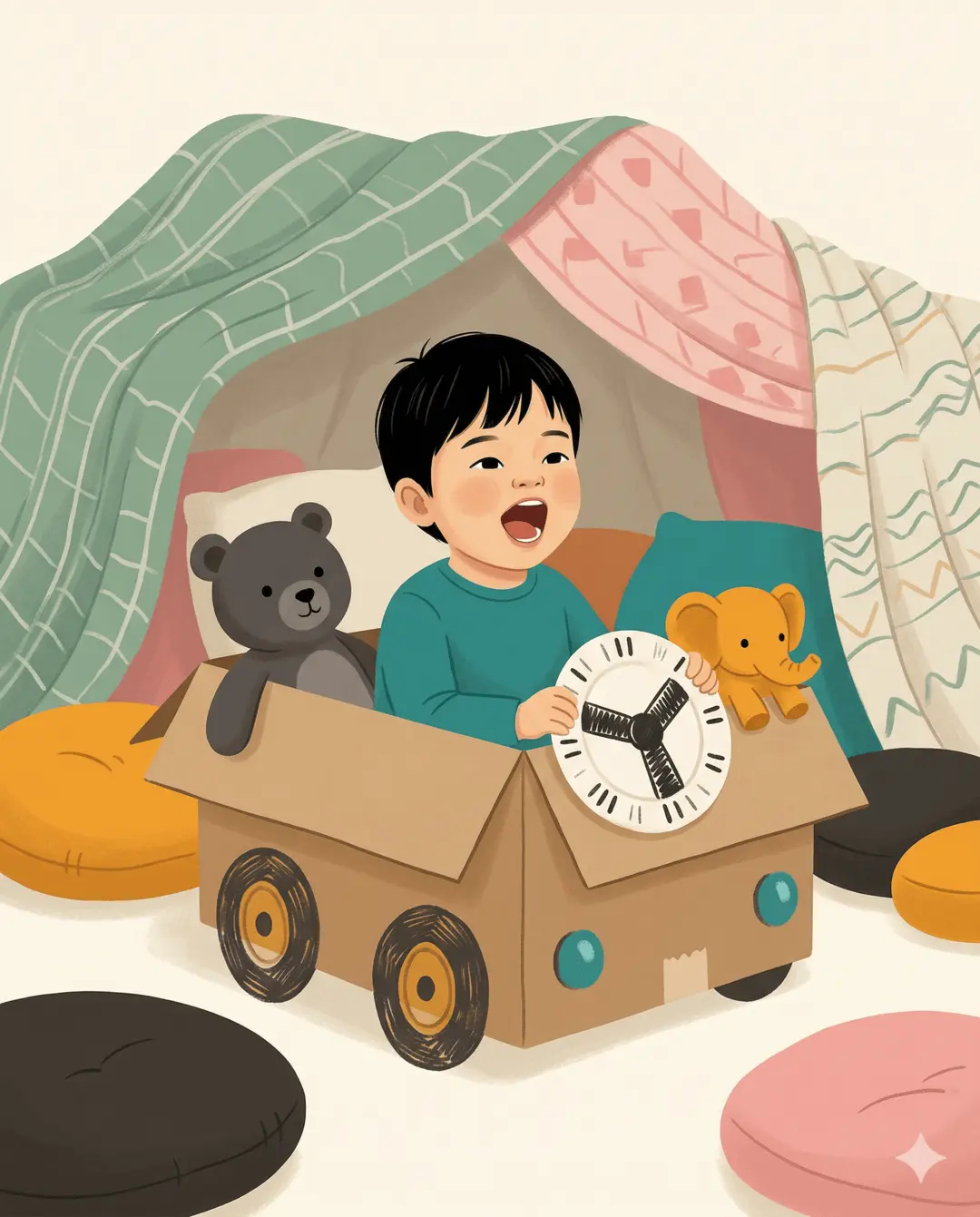
Set out blankets and stuffed animals before inviting your toddler in so the first minute feels smooth.
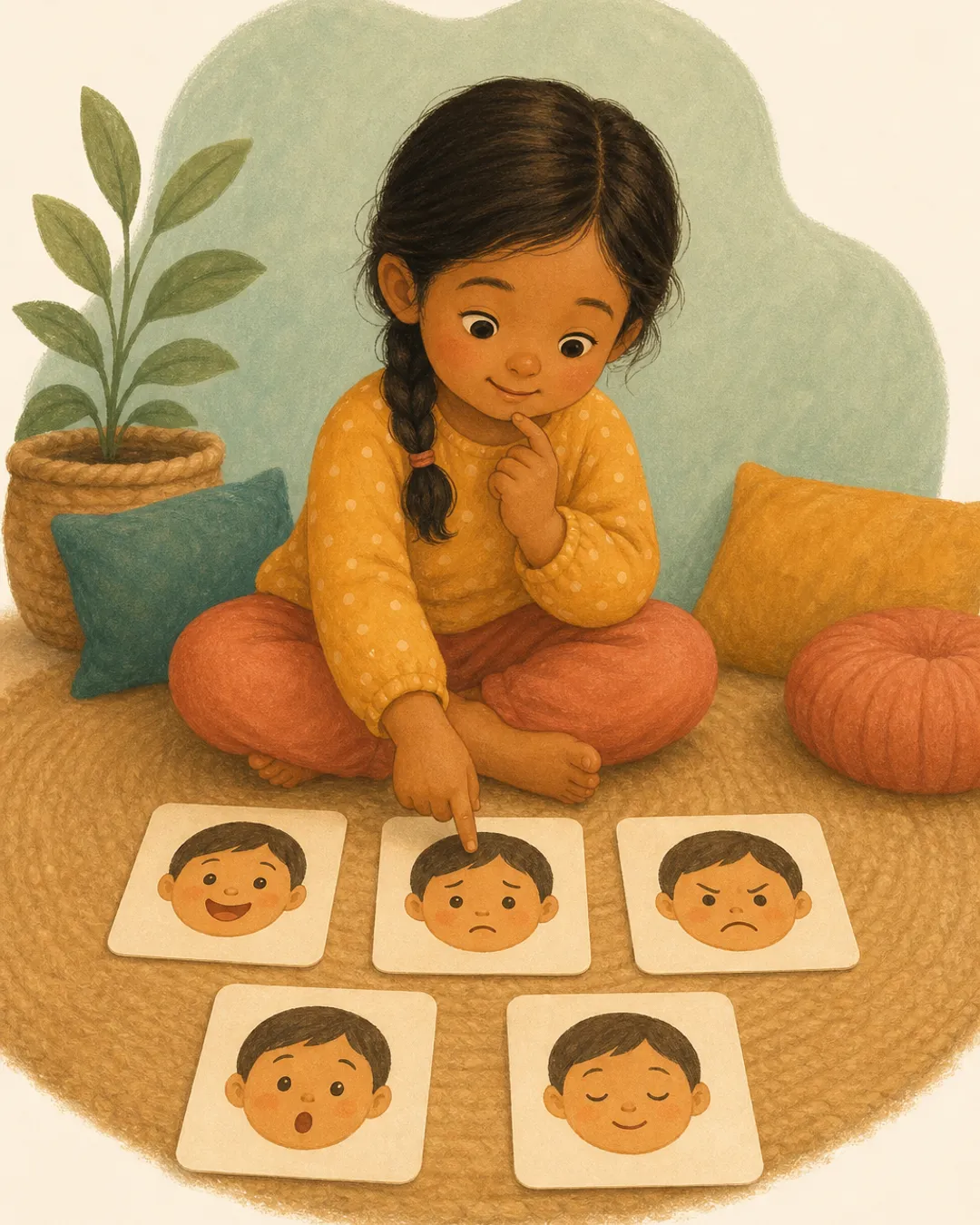
Play pretend doctor with stuffed animals as patients.
Tiny Steps
Set out blankets and stuffed animals before inviting your toddler in so the first minute feels smooth.

A few quiet minutes together without pressure. If your child relaxes even slightly, that’s self-regulation building.
Nurturing imaginative play that helps toddlers process emotions and build empathy by caring for their 'patients.' This type of role-play is especially powerful for children who have recently visited the doctor or are anxious about medical appointments, as it gives them a sense of control over a situation that can feel scary. The rich dialogue involved in examining, diagnosing, and treating also naturally expands vocabulary and social understanding.
Caring for 'patients' builds empathy and emotional understanding. This role-play is especially powerful for children anxious about medical visits, as it gives them a sense of control. The rich dialogue involved in examining and treating naturally expands vocabulary and social skills. NSPCC guidance highlights that children who feel emotionally safe and supported are better equipped to explore, learn, and build healthy relationships.
One email a week with practical toddler activities, behaviour tips, and developmental insights. No spam, unsubscribe any time.