TinyStepper

Little Clue Maker

At a glance: Flip the treasure hunt — your toddler creates clues for the parent or sibling to follow. A 15-minute, medium-energy indoor activity for ages 2y4y. No prep needed.

Built by a parent of toddlersBest for 2y-4y

Field-tested ideas shaped by direct parenting experience and advice from reputable sources, including NHS Best Start in Life and NSPCC child development research.

2y4y15 minsmedium energyindoornone messNo prep

This time, your toddler is in charge. They hide an object and create a clue for you (or a sibling) to find it. Younger toddlers might point, draw a wobbly picture, or say one word. Older toddlers can describe the hiding spot: 'It's near something soft' or 'Look where we keep the books.' You follow their clues with exaggerated confusion and delight. The role reversal builds planning skills, language, and an enormous sense of pride.

From our family

This grew out of Seasonal Clue Hunt — once my son got good at finding clues, he wanted to set them for us. Watching a toddler try to plan a scavenger hunt is brilliant and surprisingly good for their problem-solving.

Best for this moment

when your toddler needs focused engagement, especially when you need an indoor option.

Parent tip

Start before you overthink it. No-prep activities work best when you begin while the moment is still recoverable.
What success looks like

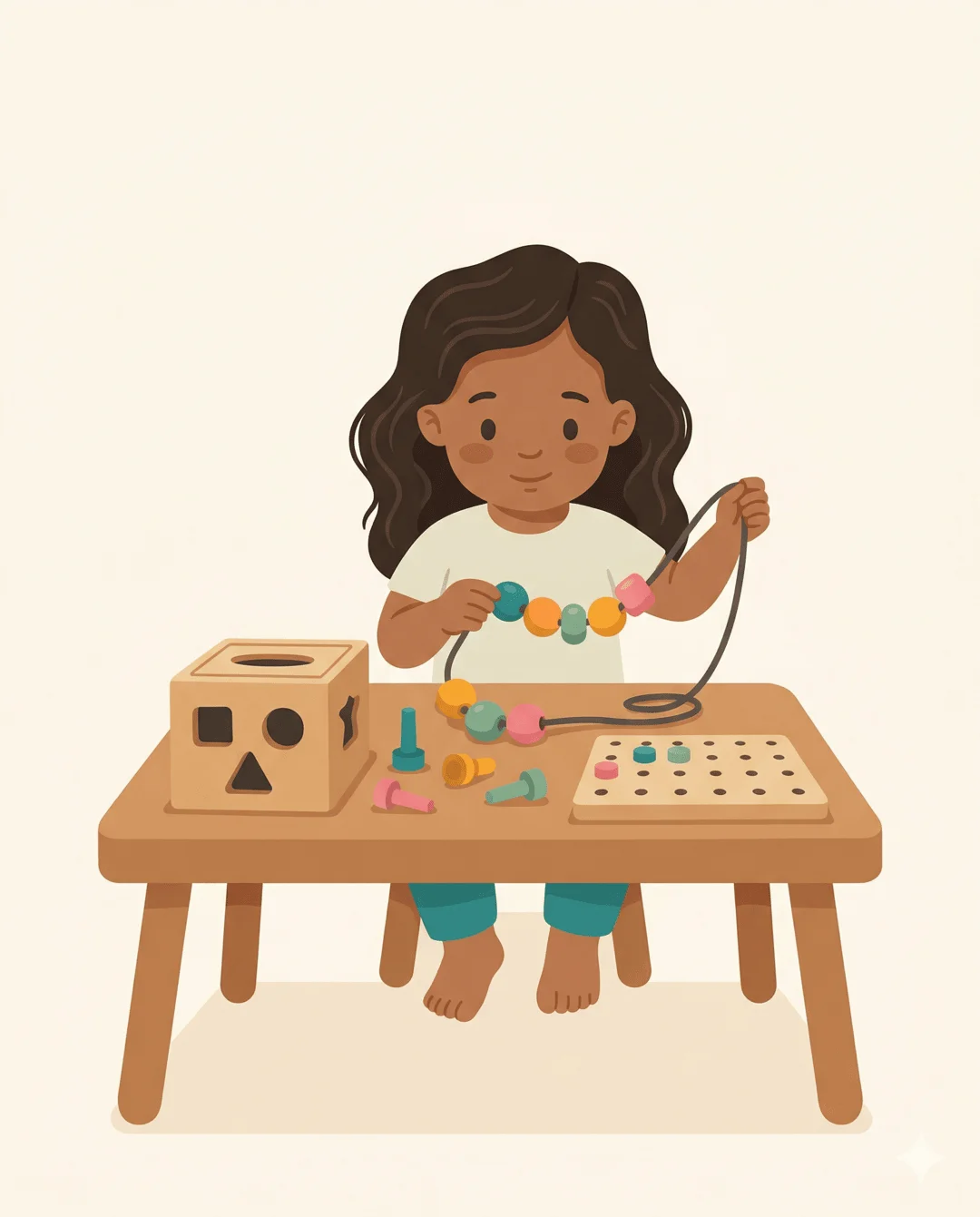
A good outcome is a few minutes of engaged play, some back-and-forth with you, and a small sign of progress in cognitive skills.

More help for this situation

Instructions

Get ready
  • Give your toddler a small toy to hide: 'You hide it, and I'll find it!'
  • Cover your eyes while they hide it (peek if needed for safety)
  1. Give your toddler a small toy to hide: 'You hide it, and I'll find it!'
  2. Cover your eyes while they hide it (peek if needed for safety)
  3. Ask for a clue: 'Can you tell me where to look?'
  4. Follow their clue — even if it makes no sense, try enthusiastically
  5. Get it 'wrong' on purpose: 'Is it in the fridge? No?! Where then?'
  6. When you find it, celebrate hugely: 'What a brilliant hiding spot!'
  7. Swap roles or let them hide it again — they'll refine their clues each time

Why it helps

Creating clues requires perspective-taking — your toddler must think about what someone else knows and doesn't know, which is a foundation of theory of mind. The planning involved in choosing a hiding spot and describing it develops executive function skills. Being the clue-maker rather than the clue-follower builds confidence, language, and the understanding that communication is a two-way process.

Variations

  • Let your toddler draw a treasure map (scribbles and all) for you to follow.
  • Play with siblings — one hides, one gives clues, one searches.
  • Increase difficulty: hide multiple objects and give a clue for each.

Safety tips

  • Check that hiding spots are safe — behind the sofa is fine, inside the oven is not.
  • Use a toy that's easy to find if your toddler forgets where they put it.
  • If siblings are playing, supervise to ensure the younger child gets turns creating clues too.

When to pause and seek extra support

Stop if your child becomes distressed, unsafe, or consistently frustrated by the activity. If play, behaviour, or development worries keep showing up across settings, check in with a qualified professional.

Get weekly activity ideas for your toddler

One email a week with practical toddler activities, behaviour tips, and developmental insights. No spam, unsubscribe any time.