Parent tip
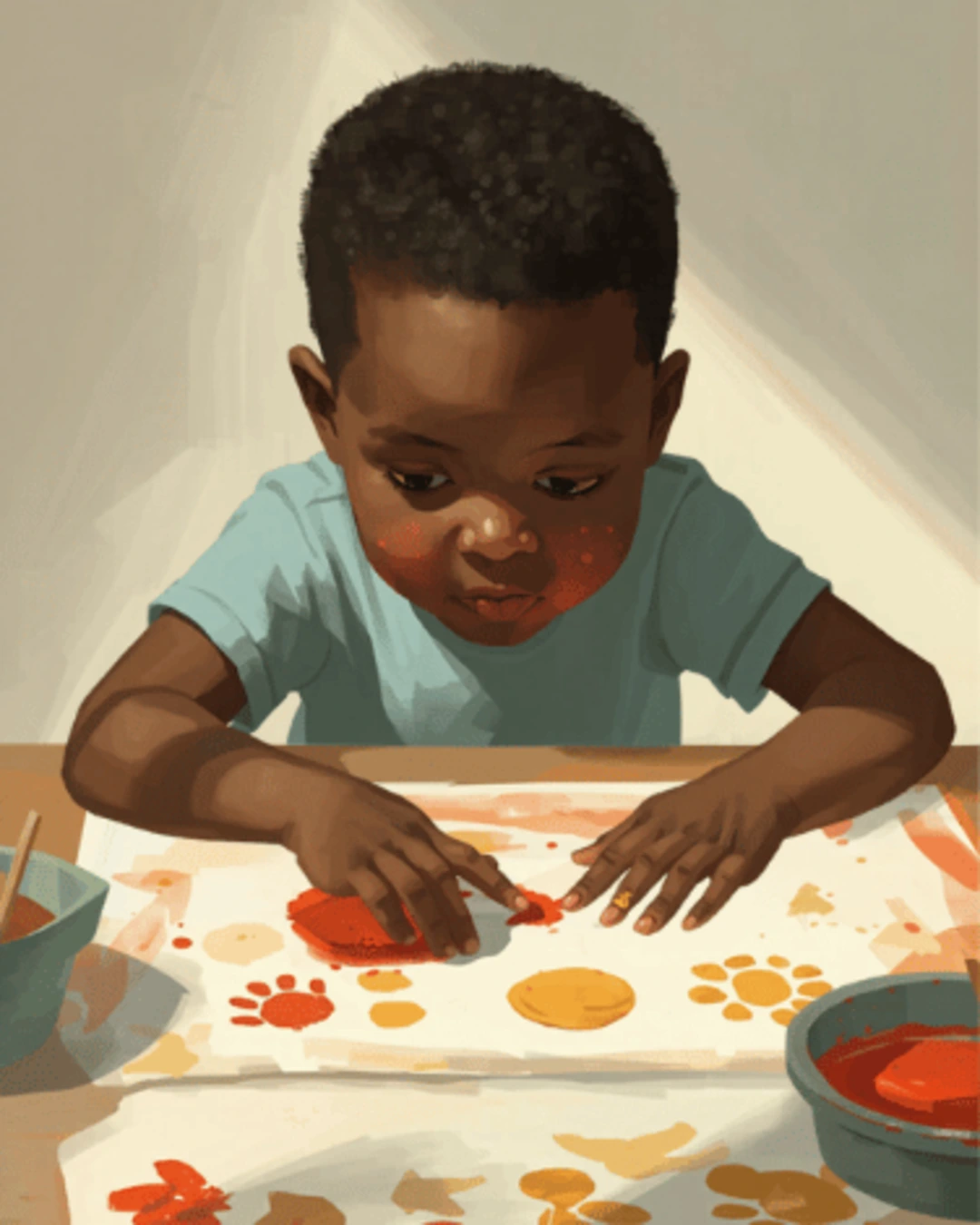
Set out crayons and paper before inviting your toddler in so the first minute feels smooth.
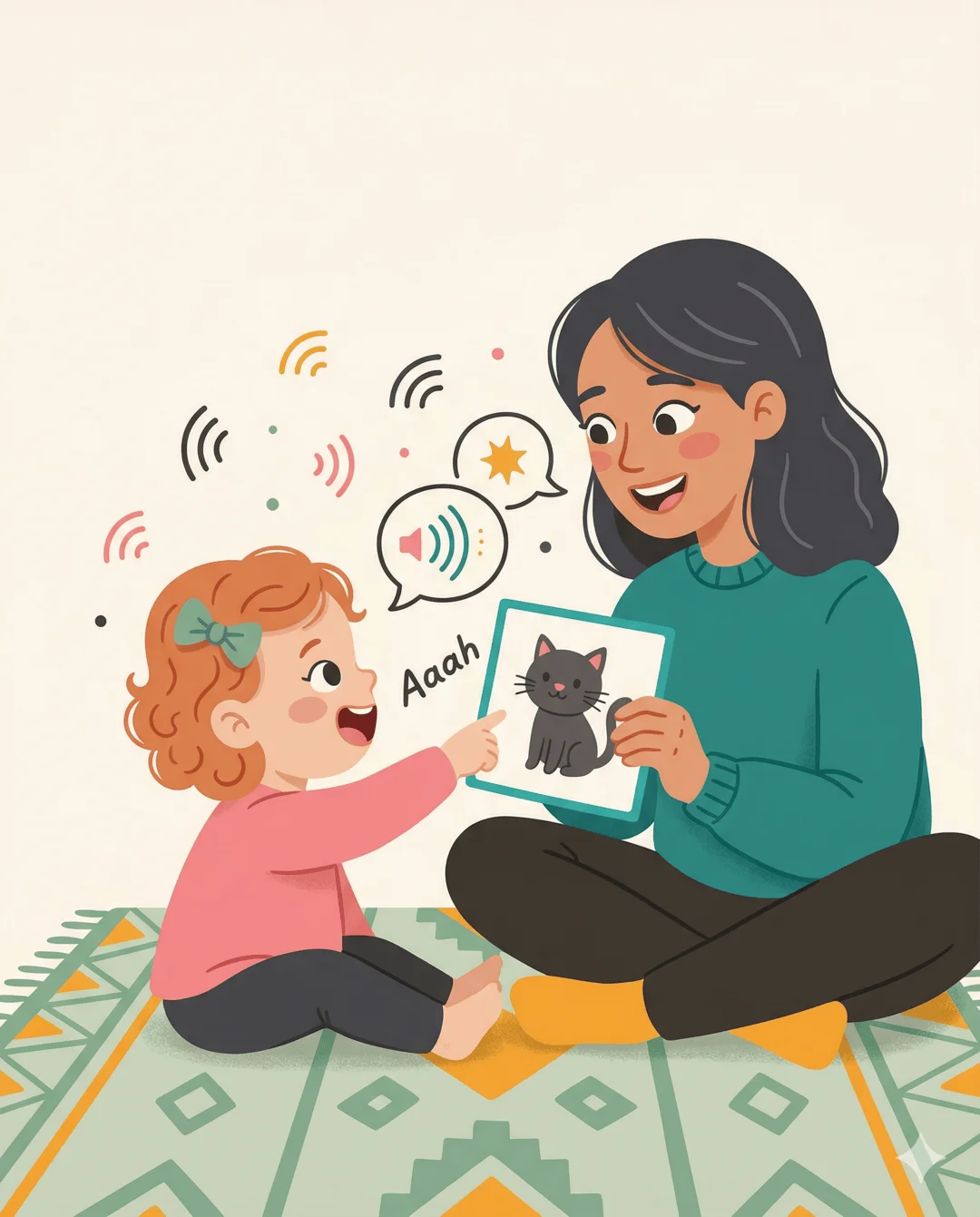
Make a tiny home-stitched book together — each page is one thing your toddler can do as a big sister or brother. Builds the proud identity that protects against the regression to come.
Tiny Steps
Set out crayons and paper before inviting your toddler in so the first minute feels smooth.

Back-and-forth between you — words, gestures, shared pretend. Connection is the real outcome here.
Take three or four sheets of paper folded in half, staple the spine, and call it your child's Big Brother Book or Big Sister Book. On each page, your child draws one thing they can do that the new little one can't — climb stairs, eat cucumber, give cuddles, sing the alphabet. The book becomes a physical object they can pull out on a hard day to remember who they are. Identity is the deepest source of resilience for a toddler facing displacement.
Zero to Three guidance on preparing for siblings emphasises that the older child needs reassurance about their ongoing role and importance — not just the new arrival's needs. NSPCC's Look Say Sing Play research highlights that strong, positive self-narratives in early childhood are protective against the dips in self-worth that come with major family transitions. A handmade book your child has authored is exactly the kind of identity scaffold that holds up when other things wobble.
One email a week with practical toddler activities, behaviour tips, and developmental insights. No spam, unsubscribe any time.