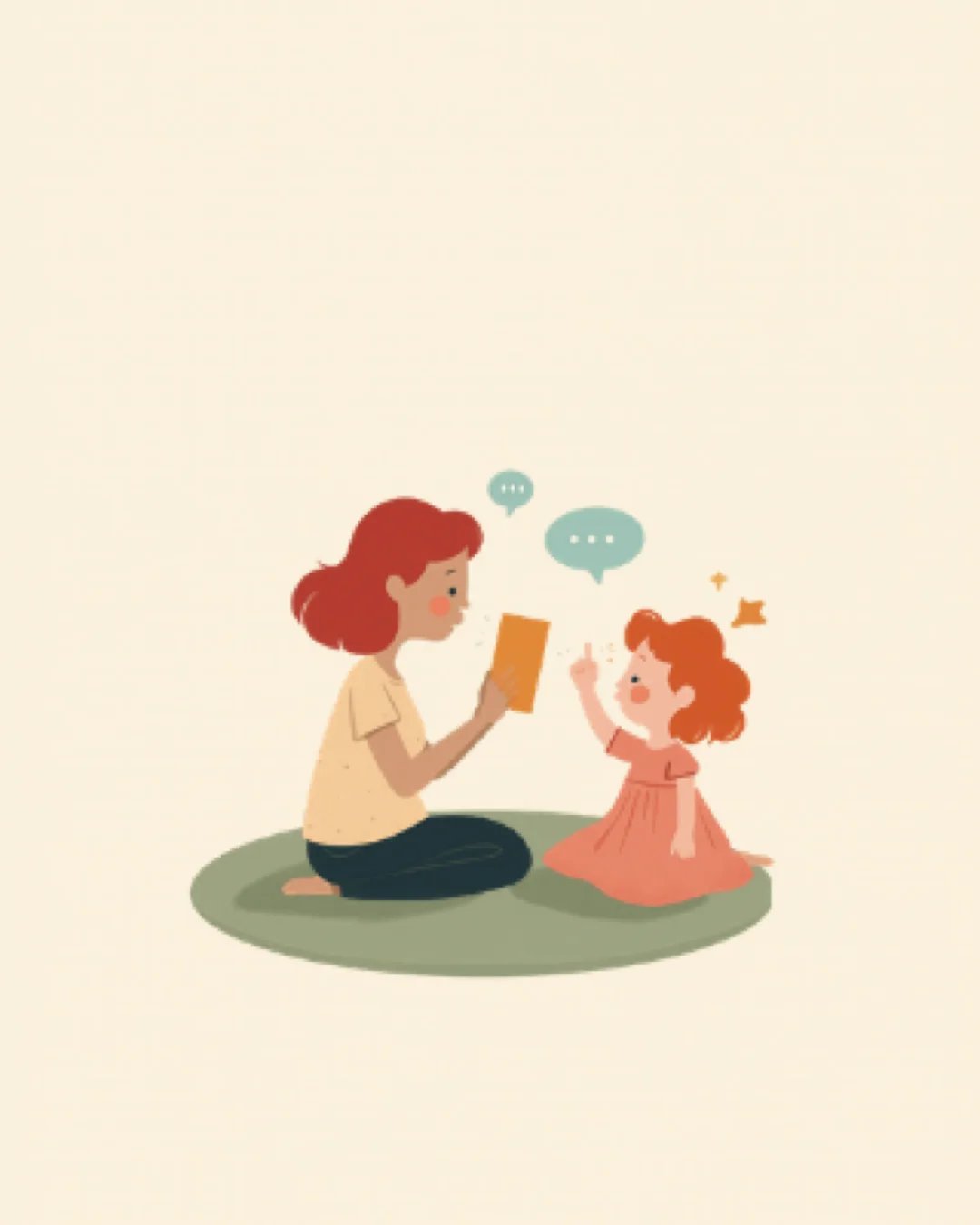
At a glance: Supports children with speech, language, and communication needs (SLCN), including those on the autism spectrum. Activities in this area focus on building communication through play — turn-taking, gesture, shared attention, and early language — without pressure to perform or respond in a particular way. Browse 167 adapted activities below.
Built by a parent of toddlersAligned with the SEND Code of Practice — applied through everyday play
Field-tested ideas shaped by direct parenting experience and guidance from reputable sources including the NHS, NSPCC, and Zero to Three.
What this area covers
This area covers speech, language, and communication needs (SLCN) and autism spectrum conditions. It includes children who find it hard to understand or use language, who communicate differently, or who experience the world in ways that affect how they interact with others.
Signs you might notice
Your child may use fewer words than peers, prefer to play alone, find eye contact uncomfortable, repeat phrases rather than using new ones, or become distressed by changes in routine. Every child is different — these are possibilities, not a checklist.
How play helps
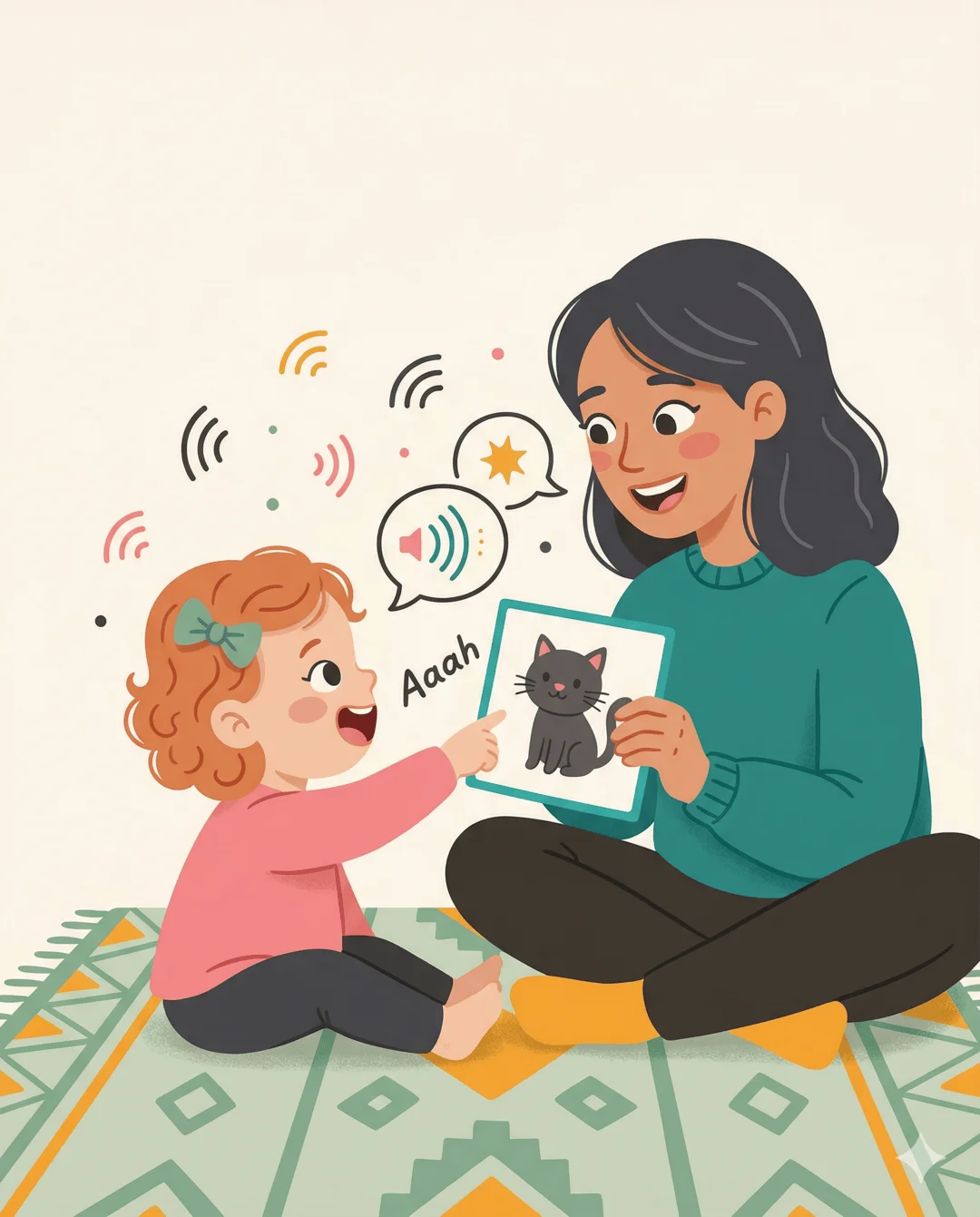
Play builds communication naturally. Turn-taking games can help build the rhythm of conversation. Sensory play often creates natural moments of shared attention. Songs with actions pair language with movement. The goal is connection, not correction.
Adapting activities
Use visual supports alongside verbal instructions — show, then tell. Keep language simple and consistent. Allow extra processing time before expecting a response. Follow your child’s lead rather than directing the play.
Professional support
A speech and language therapist (SLT) can assess your child’s communication and suggest strategies tailored to them. Your health visitor or GP can make a referral. Nursery SENCOs can also support early identification.
Overlap with other areas
Communication differences often overlap with social and emotional needs — frustration from not being understood can look like a behaviour problem. If your child’s communication and emotions seem linked, explore both areas.
If you’re noticing something specific
These are starting points for parents who suspect a specific condition might be part of the picture. None of this is diagnostic — if any of it sounds familiar, the next step is a conversation with your GP, health visitor, or nursery SENCO.
Autism early signs
What it is
Autism is a developmental difference in how a child experiences the world — particularly social interaction, communication, and sensory processing. The CDC’s Learn the Signs. Act Early programme tracks specific milestones from age 12 months that can help families notice early signs.
What parents may notice
By 12–15 months: doesn’t share interest by pointing or showing things, doesn’t respond to their name. By 18 months: limited use of gestures, no pretend play, no babbling. By 2 years: doesn’t use 2-word phrases, loses skills they previously had. None of these on their own means autism — but a pattern of several is worth a conversation with your GP or health visitor.
What helps in everyday play
Early support makes a real difference. While you wait for any assessment, follow your child’s interests, use clear simple language, give extra processing time, build predictable routines, and use visual cues alongside words. Sensory-rich, low-pressure play is always helpful. Many of the activities tagged to this SEND area are particularly suitable.
When to seek help
Speak to your GP or health visitor if you notice several of the above signs — even if you are not sure. The free M-CHAT-R™ screening (mchatscreen.com) is a 20-question parent questionnaire used worldwide for ages 16–30 months. It is not diagnostic but it can help frame the conversation with your doctor.
Sources: CDC Learn the Signs. Act Early; M-CHAT-R™ Autism Screening
Late talker
What it is
A ‘late talker’ is a toddler whose spoken language is slower to emerge than peers but who is otherwise developing typically. The American Speech-Language-Hearing Association (ASHA) describes this as a child between 18 and 30 months with good understanding of language, age-appropriate play, and normal social skills, but limited spoken words.
What parents may notice
Around 24 months, most toddlers say at least 50 words and start combining 2 words into short phrases. A late talker may use far fewer words and not yet combine them. They usually understand what is said to them and can follow simple instructions — the gap is between understanding and speaking, not between thinking and the world.
What helps in everyday play
Use ‘parallel talk’ — narrate what your child is doing aloud (‘You are stacking the red block’). Use short, simple sentences. Pause after asking a question — count to five silently before filling the silence. Read books and let them finish predictable lines. Reduce excessive screen use, which displaces back-and-forth conversation. The behaviour guide on Stuttering and Disfluency uses related ASHA principles.
When to seek help
ASHA recommends speaking to a speech and language therapist if your child has fewer than 50 words at 24 months, is not combining words by 30 months, or has stopped using words they previously had. In the UK, contact a speech and language therapist via your GP or health visitor — there is no need to wait for nursery to flag it.
Source: American Speech-Language-Hearing Association (ASHA)
What are communication and interaction needs in toddlers?
Communication and interaction needs cover speech and language difficulties and autism spectrum conditions. This includes toddlers who use fewer words than peers, find eye contact uncomfortable, or communicate differently. It is one of the four areas of the SEND Code of Practice.
How do I know if my toddler has communication difficulties?
Signs vary widely, but you might notice fewer words than peers, a preference for solo play, repeating phrases rather than using new ones, or distress at routine changes. Every child is different — these are possibilities, not a diagnostic checklist.
How can I support my toddler’s communication through play?
Turn-taking games build the rhythm of conversation. Sensory play creates natural moments of shared attention. Songs with actions pair language with movement. Use visual supports alongside words, keep language simple, and allow extra processing time before expecting a response.
When should I see a speech and language therapist?
If you have concerns about your child’s communication, speak to your health visitor or GP — they can refer you to a speech and language therapist (SLT). Nursery SENCOs can also support early identification. Early support makes a real difference.