At a glance: Supports children with sensory processing differences, physical disabilities, or motor difficulties. Activities offer sensory-rich experiences and movement opportunities that can be adapted to different physical abilities and sensory preferences. Browse 195 adapted activities below.
Built by a parent of toddlersAligned with the SEND Code of Practice — applied through everyday play
Field-tested ideas shaped by direct parenting experience and guidance from reputable sources including the NHS, NSPCC, and Zero to Three.
What this area covers
This area covers sensory processing differences, physical disabilities, and motor difficulties. It includes children who are over- or under-sensitive to sensory input, those with conditions affecting movement, and those who find motor tasks harder than peers.
Signs you might notice
Your child may avoid certain textures, sounds, or lights, or seek intense sensory input like spinning or crashing. They may find fine motor tasks like threading or drawing unusually difficult, or need more support with balance and coordination.
How play helps
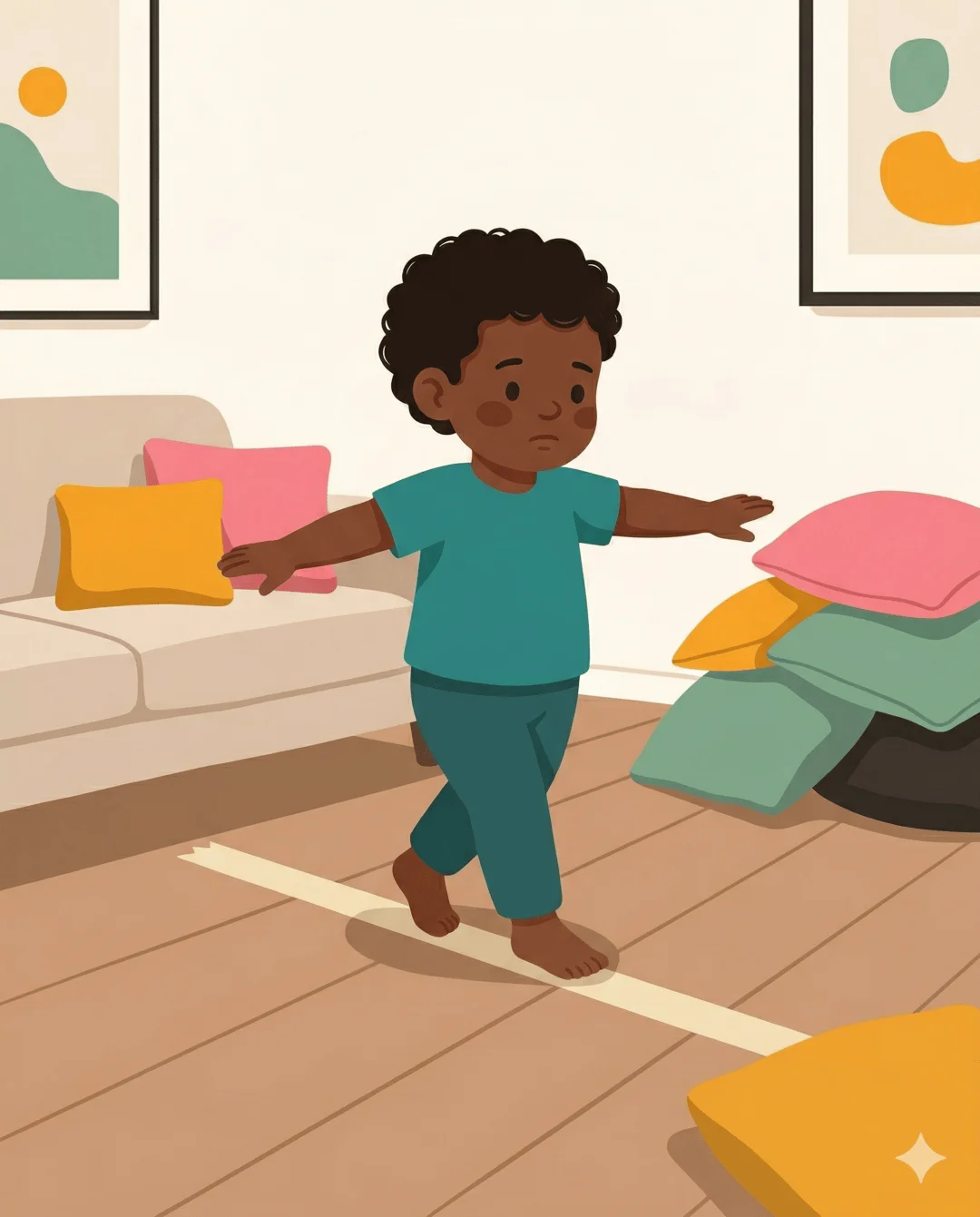
Sensory play can help children explore and gradually build tolerance for different inputs in a safe, child-led way. Movement activities support motor skills and body awareness. Adapting activities to your child’s physical abilities helps them participate more fully.
Adapting activities
Offer sensory activities at your child’s comfort level — let them watch before touching. Provide alternative ways to participate: if they can’t hold a paintbrush, try finger painting or stamps. Use supportive seating or positions if needed.
Professional support
An occupational therapist (OT) can assess sensory processing and motor skills. A physiotherapist can help with movement and physical development. Your health visitor or GP can arrange referrals, and nursery SENCOs can adapt the environment.
Overlap with other areas
Sensory processing differences often affect behaviour and emotions. A child who avoids certain activities may not be ‘fussy’ — they may be managing genuine sensory discomfort. Consider both sensory and emotional perspectives.
If you’re noticing something specific
These are starting points for parents who suspect a specific condition might be part of the picture. None of this is diagnostic — if any of it sounds familiar, the next step is a conversation with your GP, health visitor, or nursery SENCO.
Sensory Processing Differences (SPD)
What it is
Sensory Processing Disorder (SPD) describes children who have unusual responses to sensory input — they may be over-responsive, under-responsive, or seek out intense sensory experiences. The STAR Institute for Sensory Health is the leading global authority on SPD and offers a free Symptoms Checklist for parents.
What parents may notice
Over-responsive: distress at clothing tags, loud noises, certain food textures, hair washing, or unexpected touch. Under-responsive: doesn’t notice mess on their face, slow to respond to pain or temperature, doesn’t startle at loud sounds. Sensory-seeking: spins, crashes, climbs constantly, mouths everything well past babyhood, presses hard against people. Most toddlers show some of these — it is the intensity, daily impact, and consistency that matter.
What helps in everyday play
The STAR Institute recommends safe ways for sensory-seeking children to push, pull, kick, hang, jump, and lift — bowling, monkey bars, trampolines, pulling a heavy wagon. For over-responsive children, offer sensory experiences at their comfort level: let them watch before touching, start with one finger, use a tool instead of bare hands. Predictable warnings before sensory transitions (loud noises, hair washing) reduce distress.
When to seek help
An occupational therapist (OT) is the right professional. If sensory differences significantly affect everyday life — getting dressed, mealtimes, sleep, leaving the house — speak to your GP or health visitor for a referral. The STAR Institute’s online symptoms checklist (sensoryhealth.org) is a useful starting point for the conversation.
This SEND area covers sensory processing differences, physical disabilities, and motor difficulties. It includes toddlers who are over- or under-sensitive to sensory input, those with conditions affecting movement, and those who find motor tasks harder than peers.
How do I know if my toddler has sensory processing differences?
Your child may avoid certain textures, sounds, or lights, or actively seek intense input like spinning or crashing. They may find fine motor tasks like threading or drawing unusually difficult, or need more support with balance and coordination.
How can sensory play help my toddler?
Sensory play helps children explore and gradually build tolerance for different inputs in a safe, child-led way. Movement activities support motor skills and body awareness. Adapting activities to your child’s comfort level — letting them watch before touching — builds confidence.
When should I see an occupational therapist for my toddler?
If sensory differences or motor difficulties are significantly affecting daily life — mealtimes, getting dressed, leaving the house — an occupational therapist (OT) can assess your child’s sensory processing and motor skills. Your health visitor or GP can arrange a referral.