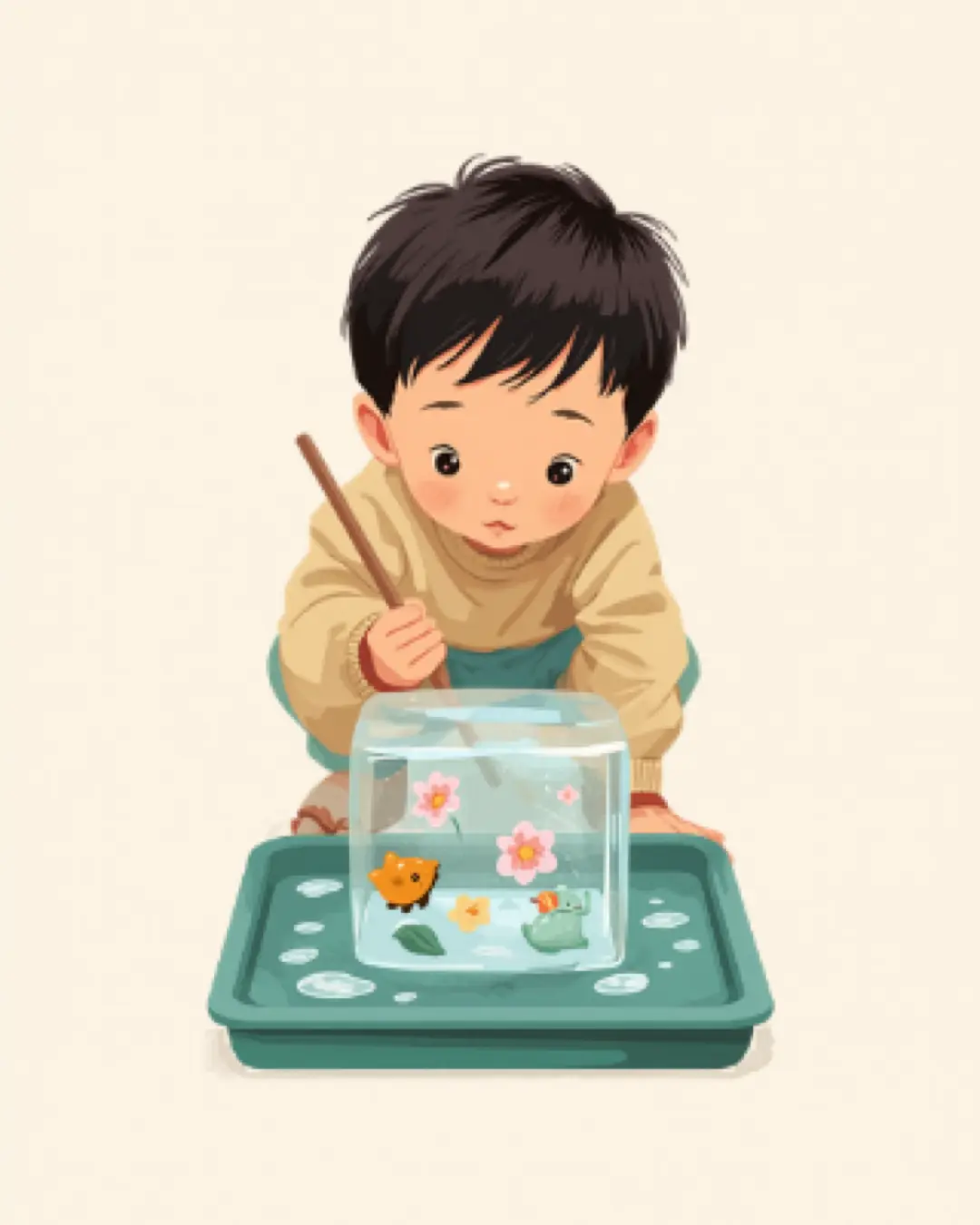
At a glance: Supports children experiencing challenges with emotional regulation, attention, anxiety, or attachment. Activities focus on co-regulation, sensory calming, predictable routines, and building emotional vocabulary through play. Browse 196 adapted activities below.
Built by a parent of toddlersAligned with the SEND Code of Practice — applied through everyday play
Field-tested ideas shaped by direct parenting experience and guidance from reputable sources including the NHS, NSPCC, and Zero to Three.
What this area covers
This area covers challenges with emotional regulation, attention, anxiety, and attachment. It includes children with ADHD traits, those who experience big emotions more intensely than peers, and those who find social situations overwhelming.
Signs you might notice
Your child may have meltdowns that feel disproportionate, struggle to settle into new environments, find it hard to wait or take turns, become very anxious about changes, or need more physical closeness than peers. These are signs of how they experience the world, not ‘bad behaviour’.
How play helps
Play can provide a safe space to practise managing feelings. Predictable routines within play help build security. Sensory activities can help a child regulate their nervous system. Playing alongside a trusted adult can support the attachment that helps emotional growth.
Adapting activities
Keep sessions short and finish on a positive note. Use calming sensory elements — warm water, soft textures, gentle music. Give warnings before transitions: ‘Two more turns, then we’ll tidy up.’ Stay close and calm when emotions are big.
Professional support
Your health visitor or GP can discuss your concerns and refer to specialist services. A child psychologist or play therapist can help with emotional regulation strategies. If your child is in nursery, their SENCO can put support in place.
Overlap with other areas
Emotional and social challenges often overlap with communication needs and sensory processing. A child who melts down in noisy environments may have sensory needs rather than — or as well as — emotional regulation difficulties.
If you’re noticing something specific
These are starting points for parents who suspect a specific condition might be part of the picture. None of this is diagnostic — if any of it sounds familiar, the next step is a conversation with your GP, health visitor, or nursery SENCO.
ADHD early indicators (with caveats)
What it is
Attention deficit hyperactivity disorder (ADHD) involves persistent patterns of inattention, hyperactivity, and impulsivity that significantly affect daily life. Important context first: the American Academy of Pediatrics and the CDC do not typically diagnose ADHD before age four to six, because so many of the indicators overlap with normal toddler development. Many highly active toddlers turn out not to have ADHD.
What parents may notice
Constant motion well beyond what is typical for their age, unusual difficulty with transitions or waiting, very intense impulsivity (risk-taking that does not reduce with practice), trouble following simple instructions even when they understand them, and emotional reactions that feel out of proportion to the trigger. The key word is ‘unusual’ — every toddler does these things sometimes; the question is whether the pattern is unusually intense and persistent.
What helps in everyday play
Strategies that help most toddlers also help children who may later be diagnosed with ADHD: predictable routines, plenty of physical movement, short focused activities, clear simple instructions, calm responses to big emotions, and adequate sleep. There is no harm in trying these now even if a diagnosis is years away — they are good practice for any toddler.
When to seek help
If your child’s activity level, attention, or impulsivity is significantly affecting their nursery experience, sleep, or your family routine, speak to your GP or health visitor. They can help rule out other causes (sleep difficulties, hearing problems, anxiety) and refer you if appropriate. Diagnosis at toddler age is rare and not the goal — understanding and support is.
Sources: American Academy of Pediatrics (AAP) and CDC
What are social, emotional and mental health needs in toddlers?
This SEND area covers challenges with emotional regulation, attention, anxiety, and attachment. It includes toddlers with ADHD traits, those who experience big emotions more intensely than peers, and those who find social situations overwhelming.
Are my toddler’s meltdowns a sign of SEMH needs?
Meltdowns that feel disproportionate, difficulty settling into new environments, struggling to wait or take turns, and strong anxiety about changes can all be signs. These reflect how your child experiences the world — not ‘bad behaviour’.
How can play help a toddler with emotional regulation difficulties?
Predictable routines within play build security. Sensory activities can help regulate the nervous system. Playing alongside a trusted adult supports the attachment that helps emotional growth. Keep sessions short and finish on a positive note.
When should I seek help for my toddler’s emotional development?
Speak to your health visitor or GP if your child’s emotional responses are significantly affecting daily life, nursery, or family routines. A child psychologist or play therapist can help with emotional regulation strategies. Your nursery SENCO can also put support in place.