TinyStepper

Where Is Thumbkin Fingerplay

At a glance: Sing finger isolation songs like Where Is Thumbkin, wiggling each finger in turn to build fine motor control and early language. A 5-minute, low-energy indoor activity for ages 12m2y. No prep needed.

Built by a parent of toddlersBest for 12m-2y

Field-tested ideas shaped by direct parenting experience and advice from reputable sources, including NHS Best Start in Life and NSPCC child development research.

12m2y5 minslow energyindoornone messNo prep

This activity uses classic fingerplay songs to help your toddler isolate and move individual fingers — a surprisingly tricky skill at this age. As you sing and wiggle each finger one at a time, your child practises the precise hand movements that later support holding a pencil, doing up buttons, and turning pages. The repetitive melody and simple lyrics make it easy for even pre-verbal toddlers to join in with the actions before the words follow.

Best for this moment

for calmer, lower-pressure moments, especially when you need an indoor option.

Parent tip

Start before you overthink it. No-prep activities work best when you begin while the moment is still recoverable.
What success looks like

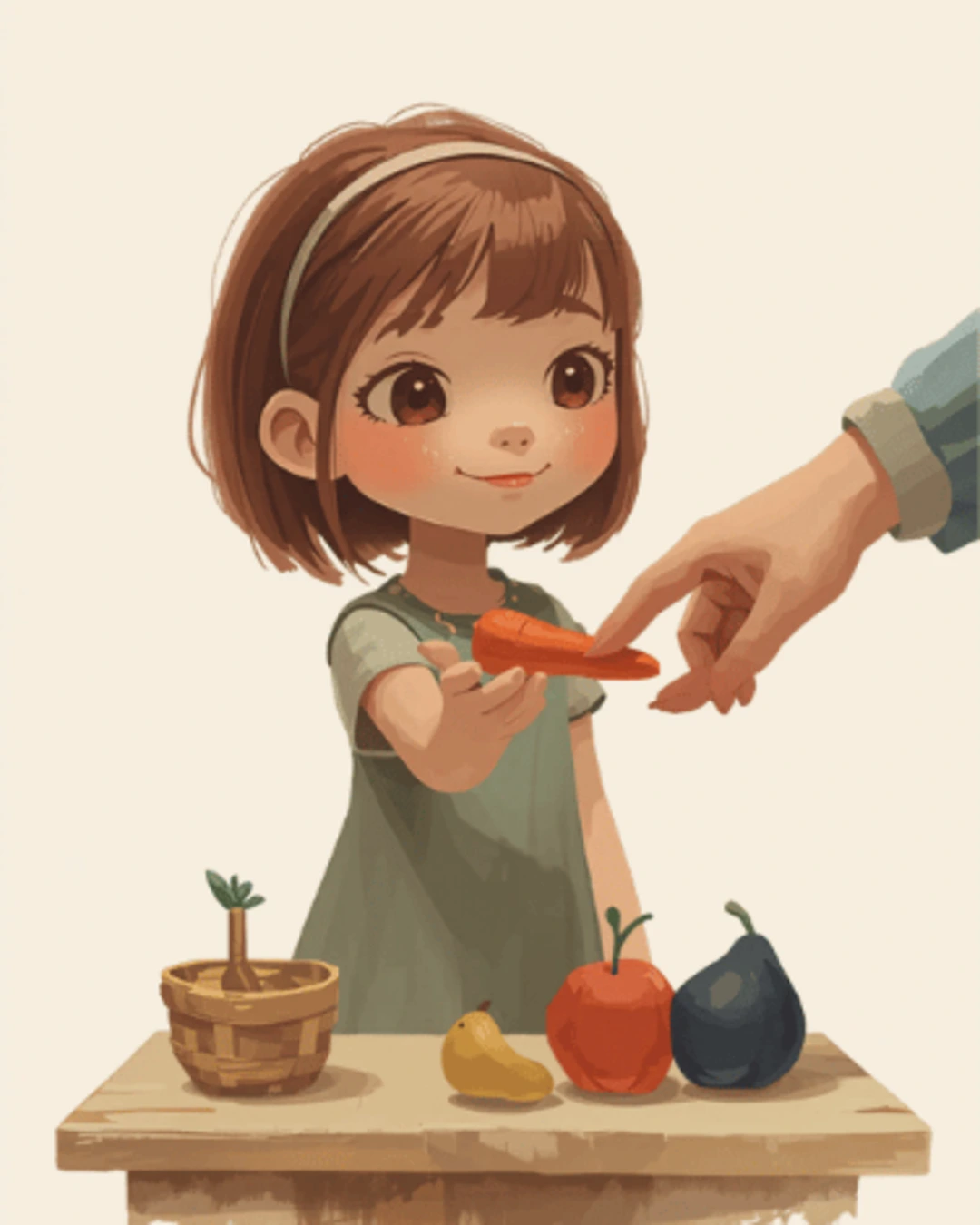
A good outcome is a few minutes of engaged play, some back-and-forth with you, and a small sign of progress in early literacy.

More help for this situation

Instructions

Get ready
  • Sit facing your toddler so they can see your hands clearly.
  • Start with Where Is Thumbkin — tuck both fists behind your back.
  1. Sit facing your toddler so they can see your hands clearly.
  2. Start with Where Is Thumbkin — tuck both fists behind your back.
  3. Sing 'Where is Thumbkin? Where is Thumbkin?' and bring out one thumb, then the other.
  4. Sing 'Here I am, here I am' while wiggling each thumb.
  5. Sing 'How are you today, sir? Very well, I thank you' while bowing each thumb.
  6. Sing 'Run away, run away' and tuck each thumb back behind your back.
  7. Repeat for each finger — Pointer, Tall Man, Ring Man, Pinkie.
  8. Encourage your toddler to copy the movements, helping them uncurl each finger if needed.
  9. Celebrate each finger with a clap or cheer.
  10. Finish with a gentle hand massage, naming each finger one more time.

Why it helps

Speech and Language UK highlights that songs help babies and toddlers learn new words and actions, and that face-to-face interaction during singing is essential — children learn by watching their caregiver's face, which is why sitting opposite your toddler matters here. Fingerplay songs also build phonemic awareness by helping children tune in to the smaller sounds within words. The individual finger movements develop the fine motor isolation needed for later pencil grip — the EYFS Development Matters framework links these early hand skills directly to the Physical Development strand.

Variations

  • Try Tommy Thumb or Finger Family for variety — same isolation concept with different melodies.
  • Draw tiny faces on your fingertips with a washable pen to bring each character to life.
  • For younger toddlers (12-15 months), focus only on thumbkin and pointer — two fingers is plenty.

Safety tips

  • Keep any drawn-on pen marks to the back of hands — avoid fingertips that go in mouths.
  • If your toddler gets frustrated with individual fingers, simplify to whole-hand opening and closing.
  • Ensure your toddler is seated comfortably to avoid toppling while concentrating on their hands.

When to pause and seek extra support

Stop if your child becomes distressed, unsafe, or consistently frustrated by the activity. If play, behaviour, or development worries keep showing up across settings, check in with a qualified professional.

Get weekly activity ideas for your toddler

One email a week with practical toddler activities, behaviour tips, and developmental insights. No spam, unsubscribe any time.