TinyStepper

Sportscaster Play

At a glance: Narrate your toddler's play like a sports commentator — 'She picks up the block... and STACKS it!' A 10-minute, low-energy both activity for ages 18m3y. No prep needed.

Built by a parent of toddlersBest for 18m-3y

Field-tested ideas shaped by direct parenting experience and advice from reputable sources, including NHS Best Start in Life and NSPCC child development research.

18m3y10 minslow energybothnone messNo prep

While your toddler plays freely, provide an enthusiastic running commentary as if you're commentating a sports match. 'She's reaching for the red block... picks it up... places it on top of the tower... and it STAYS! The crowd goes wild!' The exaggerated tone makes toddlers laugh AND exposes them to action verbs, adjectives, and prepositions they wouldn't hear in normal conversation.

Best for this moment

for calmer, lower-pressure moments, especially when you need something flexible indoors or outdoors.

Parent tip

Start before you overthink it. No-prep activities work best when you begin while the moment is still recoverable.
What success looks like

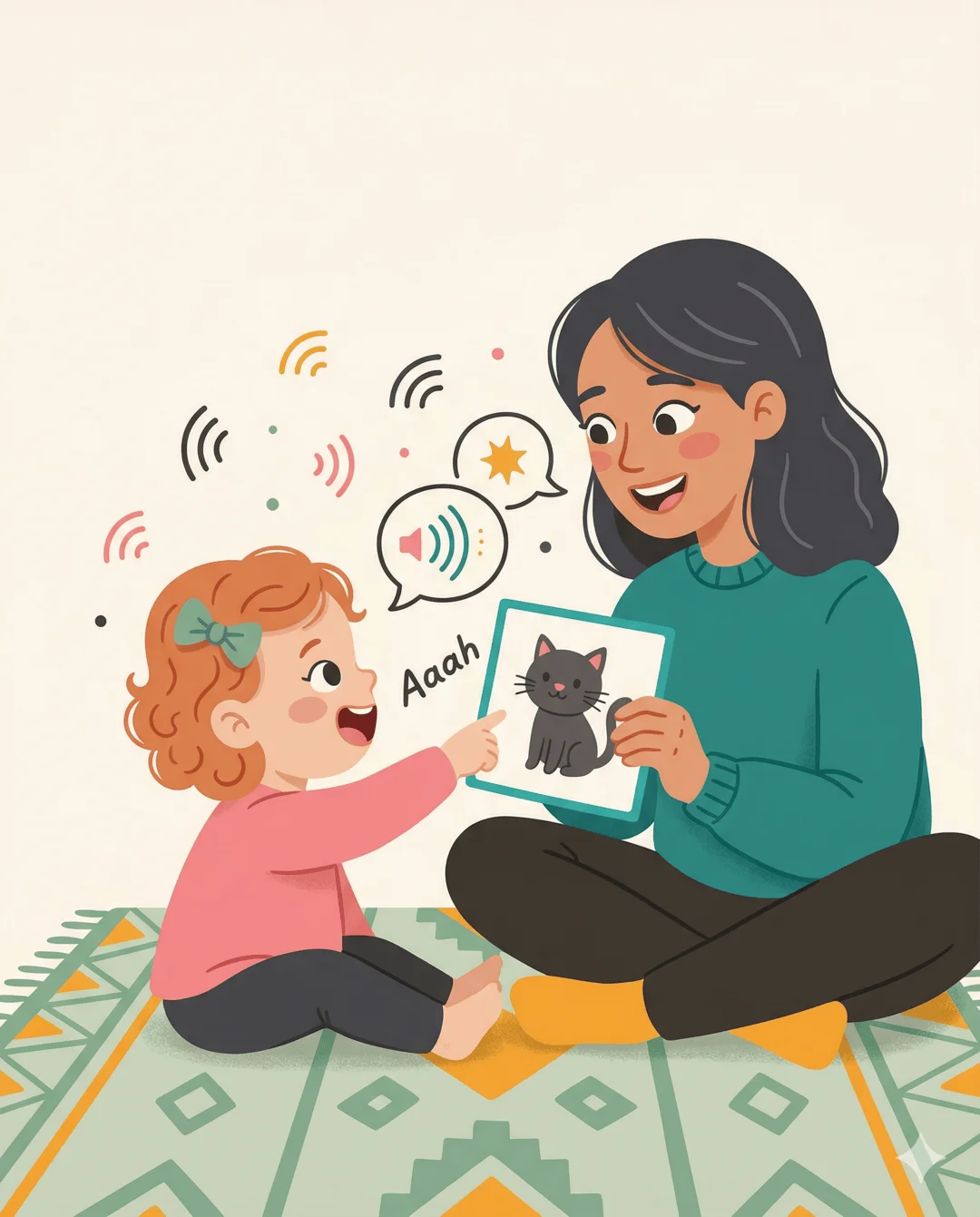
A good outcome is a few minutes of engaged play, some back-and-forth with you, and a small sign of progress in cognitive skills.

More help for this situation

Instructions

Get ready
  • Let your toddler start playing with whatever interests them
  • Sit nearby and start narrating in an excited whisper
  1. Let your toddler start playing with whatever interests them
  2. Sit nearby and start narrating in an excited whisper
  3. 'He's looking at the blocks... picks up the blue one...'
  4. Build drama: 'Carefully... carefully... places it on TOP!'
  5. Celebrate: 'And it STAYS! Amazing!'
  6. Continue with whatever they do next
  7. Don't direct — just describe what's already happening

Why it helps

Sportscaster-style narration is parallel talk with energy. The exaggerated enthusiasm keeps toddlers engaged while flooding them with vocabulary — especially action verbs (reach, stack, push, pull, throw) and spatial words (on top, beside, underneath) that are harder to teach in isolation. Following the child's lead rather than directing play is what Speech and Language UK recommend.

Variations

  • Do it during outdoor play: 'He runs to the swing... sits down... and PUSHES OFF!'
  • Try during bathtime: 'The duck is floating... she reaches for it... SPLASH!'
  • Let older toddlers commentate YOUR play: 'What am I doing?'

Safety tips

  • Don't interrupt focused play — commentate from the sideline.
  • If toddler looks annoyed by the commentary, dial it back.
  • Keep a warm, playful tone — not overwhelming.

When to pause and seek extra support

Stop if your child becomes distressed, unsafe, or consistently frustrated by the activity. If play, behaviour, or development worries keep showing up across settings, check in with a qualified professional.

Get weekly activity ideas for your toddler

One email a week with practical toddler activities, behaviour tips, and developmental insights. No spam, unsubscribe any time.