TinyStepper

Question-Free Play

At a glance: Spend 10 minutes where you ONLY comment, never ask questions — 'Wow, tall tower!' not 'What colour is that?' A 10-minute, low-energy both activity for ages 18m3y. No prep needed.

Built by a parent of toddlersBest for 18m-3y

Field-tested ideas shaped by direct parenting experience and advice from reputable sources, including NHS Best Start in Life and NSPCC child development research.

18m3y10 minslow energybothnone messNo prep

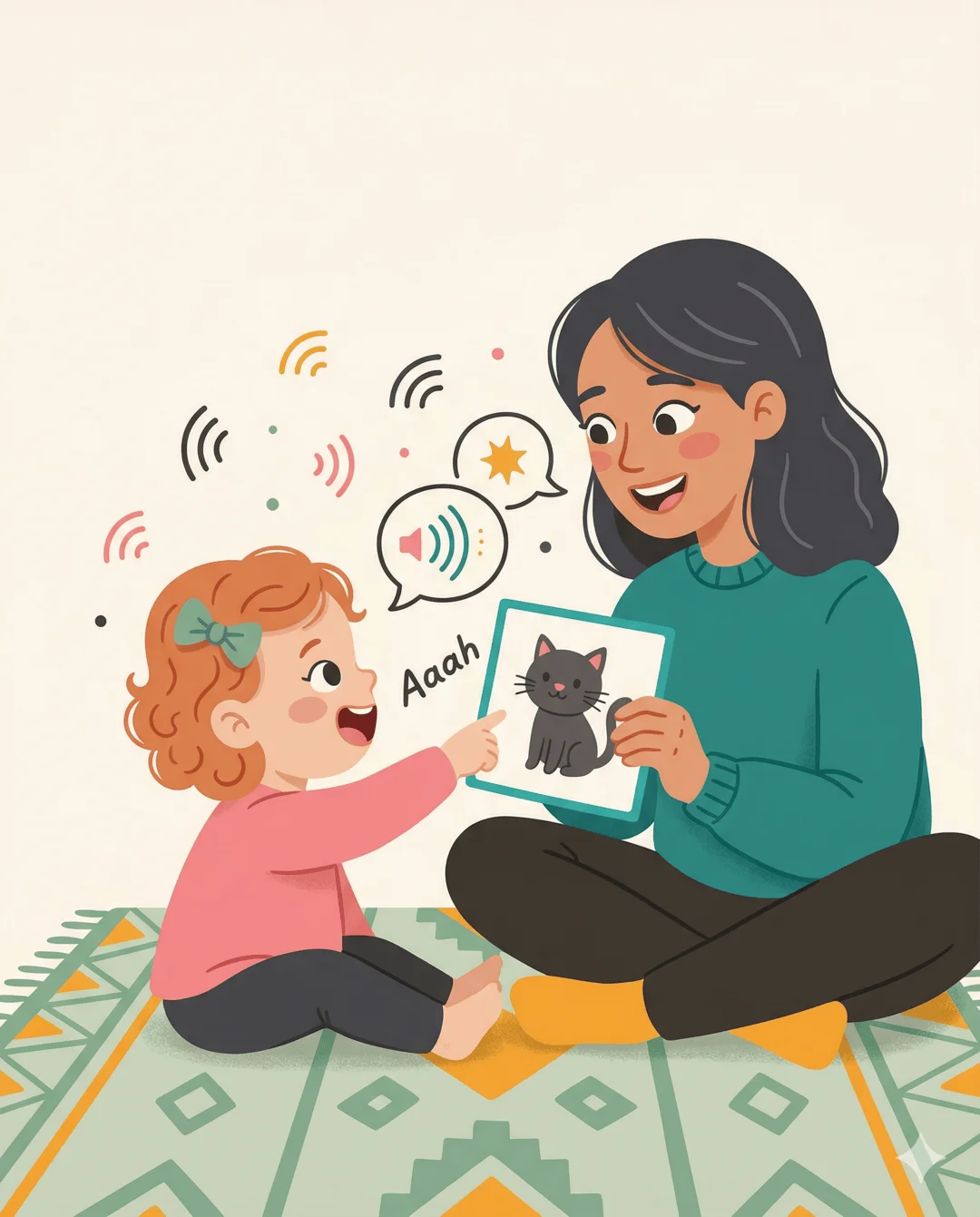
Set a timer for 10 minutes. During this time, you can say anything EXCEPT a question. No 'What colour is that?', no 'What are you building?', no 'Can you find the red one?' Instead, only use comments: 'Wow, tall tower!' 'You're putting the blue one on top!' 'Big crash!' Most adults ask toddlers far too many questions — which creates pressure to respond. Comments flood language in without demanding anything back.

Best for this moment

for calmer, lower-pressure moments, especially when you need something flexible indoors or outdoors.

Parent tip

Start before you overthink it. No-prep activities work best when you begin while the moment is still recoverable.

What success looks like

A good outcome is a few minutes of engaged play, some back-and-forth with you, and a small sign of progress in language development.

More help for this situation

Instructions

Get ready
  • Set a timer for 10 minutes
  • Sit with your toddler during free play
  1. Set a timer for 10 minutes
  2. Sit with your toddler during free play
  3. Rule: NO questions for 10 minutes
  4. Instead of 'What colour is that?' say 'Oh! A blue one!'
  5. Instead of 'What are you building?' say 'You're building something tall!'
  6. Instead of 'Can you find the red one?' say 'I can see a red one over there!'
  7. Notice how your toddler responds — often they talk MORE without question pressure

Why it helps

Research shows adults ask toddlers an average of 50+ questions per hour — most of which are 'test questions' (you already know the answer). This creates communication fatigue. Switching to comments removes pressure and models richer language. Speech and Language UK recommend following the child's lead and talking about what they're doing — commenting IS that approach.

Variations

  • Try it during bathtime, outdoor play, or mealtimes.
  • Challenge yourself to a whole day of mostly comments, few questions.
  • Notice how your toddler responds differently — they often talk MORE when not questioned.

Safety tips

  • This is harder than it sounds — you'll catch yourself asking questions.
  • Don't beat yourself up — just switch back to comments when you notice.
  • The goal is awareness, not perfection.

When to pause and seek extra support

Stop if your child becomes distressed, unsafe, or consistently frustrated by the activity. If play, behaviour, or development worries keep showing up across settings, check in with a qualified professional.

Get weekly activity ideas for your toddler

One email a week with practical toddler activities, behaviour tips, and developmental insights. No spam, unsubscribe any time.