TinyStepper

Clapping Rhythm Copy

At a glance: Clap simple rhythms for your toddler to copy back to you. A 5-minute, low-energy both activity for ages 19m4y. No prep needed.

Built by a parent of toddlersBest for 19m-4y

Field-tested ideas shaped by direct parenting experience and advice from reputable sources, including NHS Best Start in Life and NSPCC child development research.

19m4y5 minslow energybothnone messNo prep

Clap a short pattern — two quick claps, a pause, one slow clap — and let your toddler try to copy it. This call-and-response game sharpens auditory processing and working memory as children hold the pattern in mind before reproducing it. It works brilliantly in any waiting situation and requires absolutely nothing except your hands.

Best for this moment

for calmer, lower-pressure moments, especially when you need something flexible indoors or outdoors.

Parent tip

Start before you overthink it. No-prep activities work best when you begin while the moment is still recoverable.
What success looks like

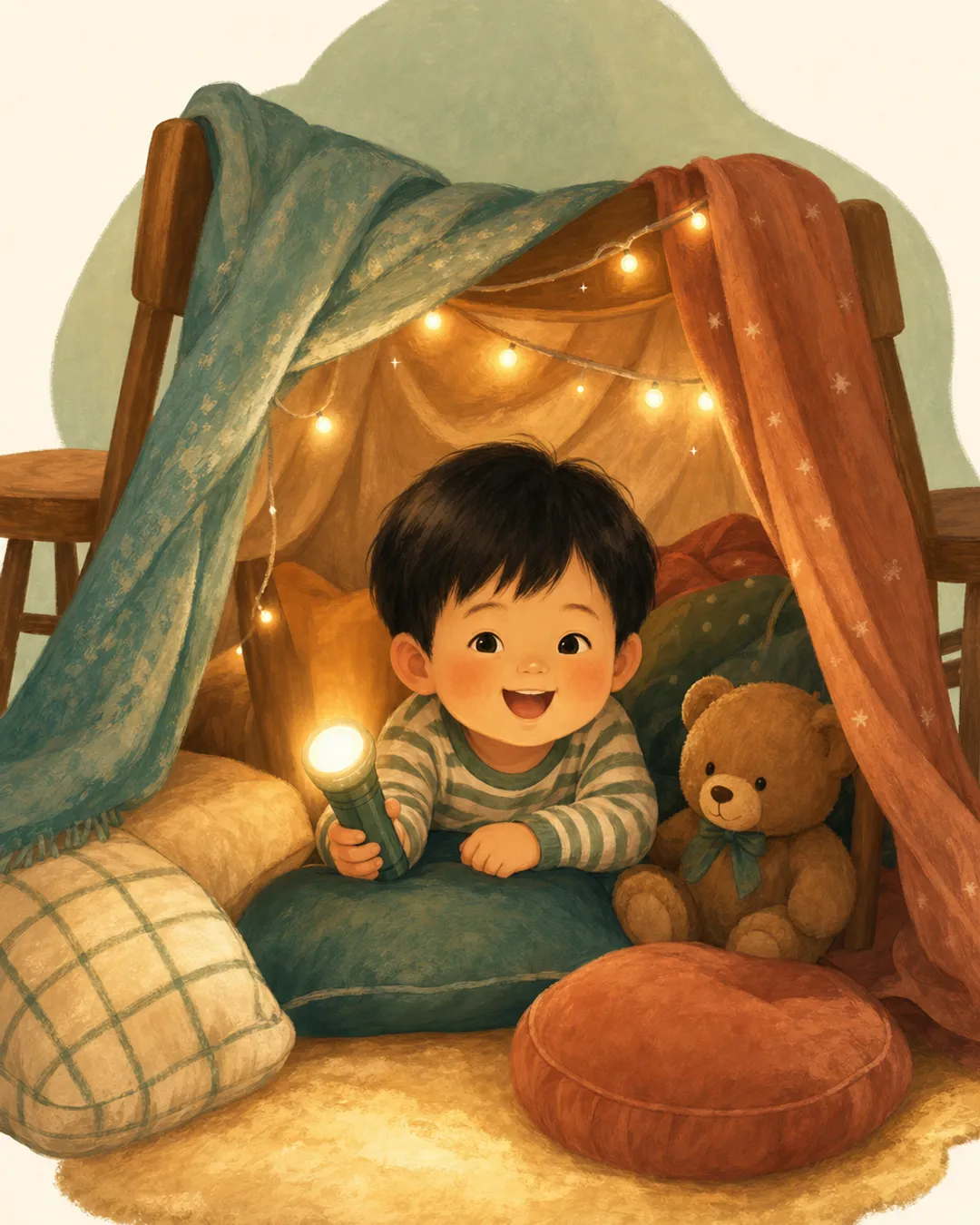
A good outcome is a few minutes of engaged play, some back-and-forth with you, and a small sign of progress in cognitive skills.

More help for this situation

Instructions

Get ready
  • Sit or stand facing your toddler so they can see your hands clearly
  • Start with two simple claps and say 'your turn!'
  1. Sit or stand facing your toddler so they can see your hands clearly
  2. Start with two simple claps and say 'your turn!'
  3. Wait and celebrate any attempt to copy
  4. Gradually add a third clap or vary the speed
  5. Let your toddler lead a pattern for you to copy back
  6. Try adding stomps or knee pats between claps
  7. Finish with a slow three-clap and a big cheer together

Why it helps

Rhythm copying develops auditory working memory — children must hold the pattern in mind before reproducing it. This is a foundational skill for phonemic awareness and later reading. The turn-taking structure also builds social reciprocity and impulse control as they learn to wait before responding.

Variations

  • Clap out the syllables in your toddler's name or favourite animal names.
  • Replace claps with thigh pats, foot stomps, or tongue clicks for a whole-body rhythm.
  • For older toddlers, hum a short tune and see if they can clap the beat back.

Safety tips

  • Keep clapping gentle — toddlers may clap too hard and sting their palms.
  • If playing while standing, ensure the area around you is clear of trip hazards.
  • Watch for frustration if patterns are too complex; simplify immediately to keep it fun.

When to pause and seek extra support

Stop if your child becomes distressed, unsafe, or consistently frustrated by the activity. If play, behaviour, or development worries keep showing up across settings, check in with a qualified professional.

Get weekly activity ideas for your toddler

One email a week with practical toddler activities, behaviour tips, and developmental insights. No spam, unsubscribe any time.