TinyStepper

Sound Safari: Kitchen Edition

At a glance: Explore kitchen sounds together — tap a spoon on a pot, shake rice in a container, crinkle paper. A 8-minute, low-energy indoor activity for ages 12m2y. No prep needed.

Built by a parent of toddlersBest for 12m-2y

Field-tested ideas shaped by direct parenting experience and advice from reputable sources, including NHS Best Start in Life and NSPCC child development research.

12m2y8 minslow energyindoornone messNo prep

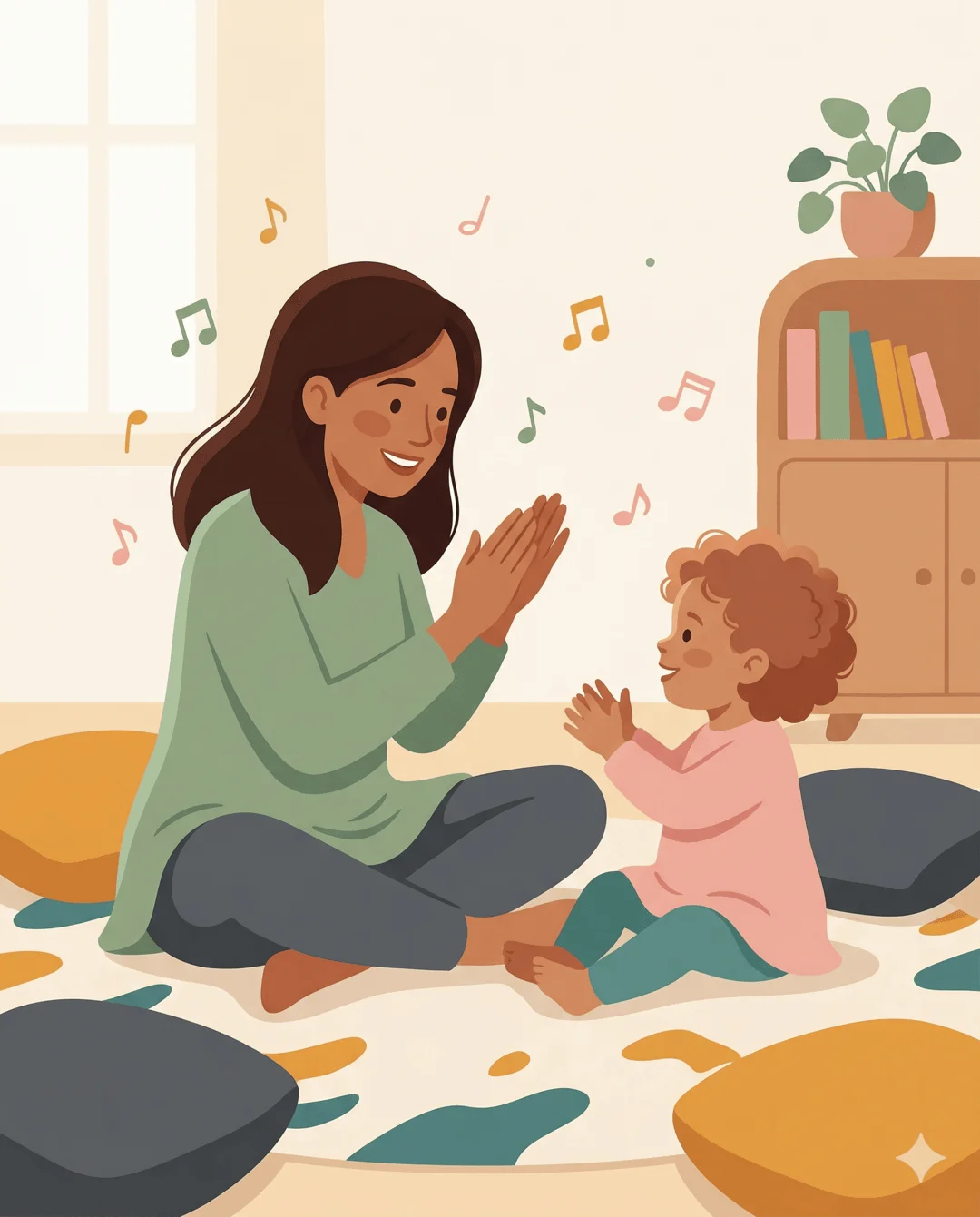
Turn your kitchen into a sound laboratory. Tap a wooden spoon on a pot — 'ding ding!' Shake dried rice in a sealed container — 'shh shh shh!' Crinkle baking paper — 'scrunch!' Name every sound as you make it. Then offer the object to your baby and let them try. Babies learn language partly through sound discrimination — hearing and naming different sounds builds the listening skills that underpin speech.

Best for this moment

for calmer, lower-pressure moments, especially when you need an indoor option.

Parent tip

Start before you overthink it. No-prep activities work best when you begin while the moment is still recoverable.
What success looks like

A good outcome is a few minutes of engaged play, some back-and-forth with you, and a small sign of progress in cognitive skills.

More help for this situation

Instructions

Get ready
  • Gather 3-4 safe kitchen items that make different sounds
  • Sit on the kitchen floor together
  1. Gather 3-4 safe kitchen items that make different sounds
  2. Sit on the kitchen floor together
  3. Pick up the first item and make its sound: tap spoon on pot — 'Ding!'
  4. Name the sound enthusiastically: 'Ding ding ding!'
  5. Offer it to baby: 'Your turn!'
  6. Wait and watch — celebrate any attempt to copy
  7. Move to the next item and repeat

Why it helps

Sound discrimination is foundational to speech development. Babies need to hear the difference between sounds before they can produce them. Naming sounds ('ding!', 'crash!', 'shh!') introduces onomatopoeia — words that sound like what they describe — which are often among a baby's first words. Speech and Language UK note that babies need to hear lots of different sounds to develop the listening skills that underpin speech.

Variations

  • Try it with a blindfold for older toddlers — 'What's that sound?'
  • Make a 'band' — one pot, one container, one crinkly paper at once.
  • Record the sounds on your phone and play them back — 'What was that?'

Safety tips

  • Ensure all containers are sealed tight — no loose rice or small items.
  • Supervise closely with pots and pans — they can be heavy.
  • Avoid very loud sounds that might startle or hurt sensitive ears.

When to pause and seek extra support

Stop if your child becomes distressed, unsafe, or consistently frustrated by the activity. If play, behaviour, or development worries keep showing up across settings, check in with a qualified professional.

Get weekly activity ideas for your toddler

One email a week with practical toddler activities, behaviour tips, and developmental insights. No spam, unsubscribe any time.