TinyStepper

First Signs: More and All Done

At a glance: Teach two simple hand signs during mealtimes — giving your baby a way to communicate before words arrive. A 10-minute, low-energy indoor activity for ages 12m20m. No prep needed.

Built by a parent of toddlersBest for 12m-20m

Field-tested ideas shaped by direct parenting experience and advice from reputable sources, including NHS Best Start in Life and NSPCC child development research.

12m20m10 minslow energyindoorsome messNo prep

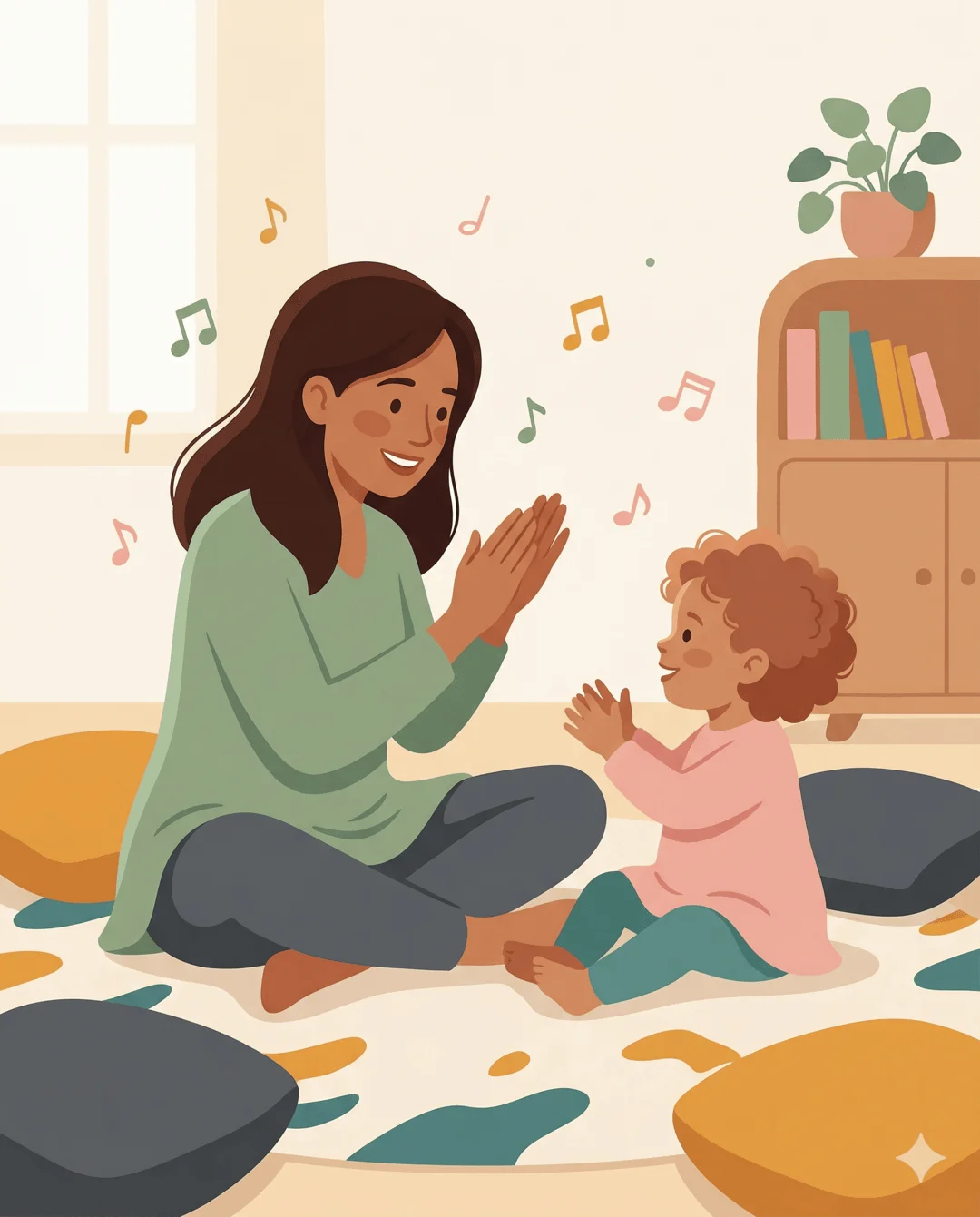
Before babies can talk, they can gesture. Teaching two simple signs — 'more' (fingertips tapping together) and 'all done' (hands waving open) — gives your baby a way to tell you what they want. Model the signs every time you use the words during meals. Pause and wait for any attempt to copy. Celebrate everything — even a rough approximation counts.

Best for this moment

for calmer, lower-pressure moments, especially when you need an indoor option.

Parent tip

Start before you overthink it. No-prep activities work best when you begin while the moment is still recoverable.
What success looks like

A good outcome is a few minutes of engaged play, some back-and-forth with you, and a small sign of progress in independence.

More help for this situation

Instructions

Get ready
  • Choose two signs: 'more' and 'all done'
  • 'More': tap fingertips of both hands together
  1. Choose two signs: 'more' and 'all done'
  2. 'More': tap fingertips of both hands together
  3. 'All done': wave both hands open, palms out
  4. At every meal, say AND sign 'more?' before offering the next bite
  5. When baby finishes, say AND sign 'all done!'
  6. Wait 5 seconds after signing — give baby time to try
  7. Celebrate ANY attempt — even just moving their hands counts

Why it helps

Gesture is one of the earliest forms of intentional communication. Teaching signs reduces frustration (baby can ask for what they want before words develop) and actually accelerates spoken language — babies who sign tend to speak earlier because they understand communication has power. Speech and Language UK highlight gesture as a key part of early communication development.

Variations

  • Add a third sign: 'help' (one hand patting the other palm).
  • Use signs during play too — 'more' bubbles, 'all done' with the puzzle.
  • Try 'milk', 'water', or 'banana' signs for specific foods they love.

Safety tips

  • Always say the word AS you sign — never sign silently.
  • Don't withhold food to force a sign — model, offer, and celebrate any attempt.
  • Keep signing consistent — use the same sign every time.

When to pause and seek extra support

Stop if your child becomes distressed, unsafe, or consistently frustrated by the activity. If play, behaviour, or development worries keep showing up across settings, check in with a qualified professional.

Get weekly activity ideas for your toddler

One email a week with practical toddler activities, behaviour tips, and developmental insights. No spam, unsubscribe any time.