TinyStepper

Slow-Motion Tea Party

At a glance: Pour, stir, sip — all in slow motion, naming every action with big pauses for your toddler to join in. A 10-minute, low-energy indoor activity for ages 20m3y.

Built by a parent of toddlersBest for 20m-3y

Field-tested ideas shaped by direct parenting experience and advice from reputable sources, including NHS Best Start in Life and NSPCC child development research.

20m3y10 minslow energyindoorsome mess

Set up a pretend tea party with cups and a teapot (or just plastic cups and a jug of water). Do everything in exaggerated slow motion: 'I'm... pouring... the... tea...' Pause between each action and word. The deliberate slowness creates natural gaps for your toddler to join in — they might say 'pour!' or 'cup!' or stir with you. Slow-motion play reduces the speed of language to a pace toddlers can follow and participate in.

Best for this moment

for calmer, lower-pressure moments, especially when you need an indoor option.

Parent tip

Set out plastic cups and small pitcher before inviting your toddler in so the first minute feels smooth.
What success looks like

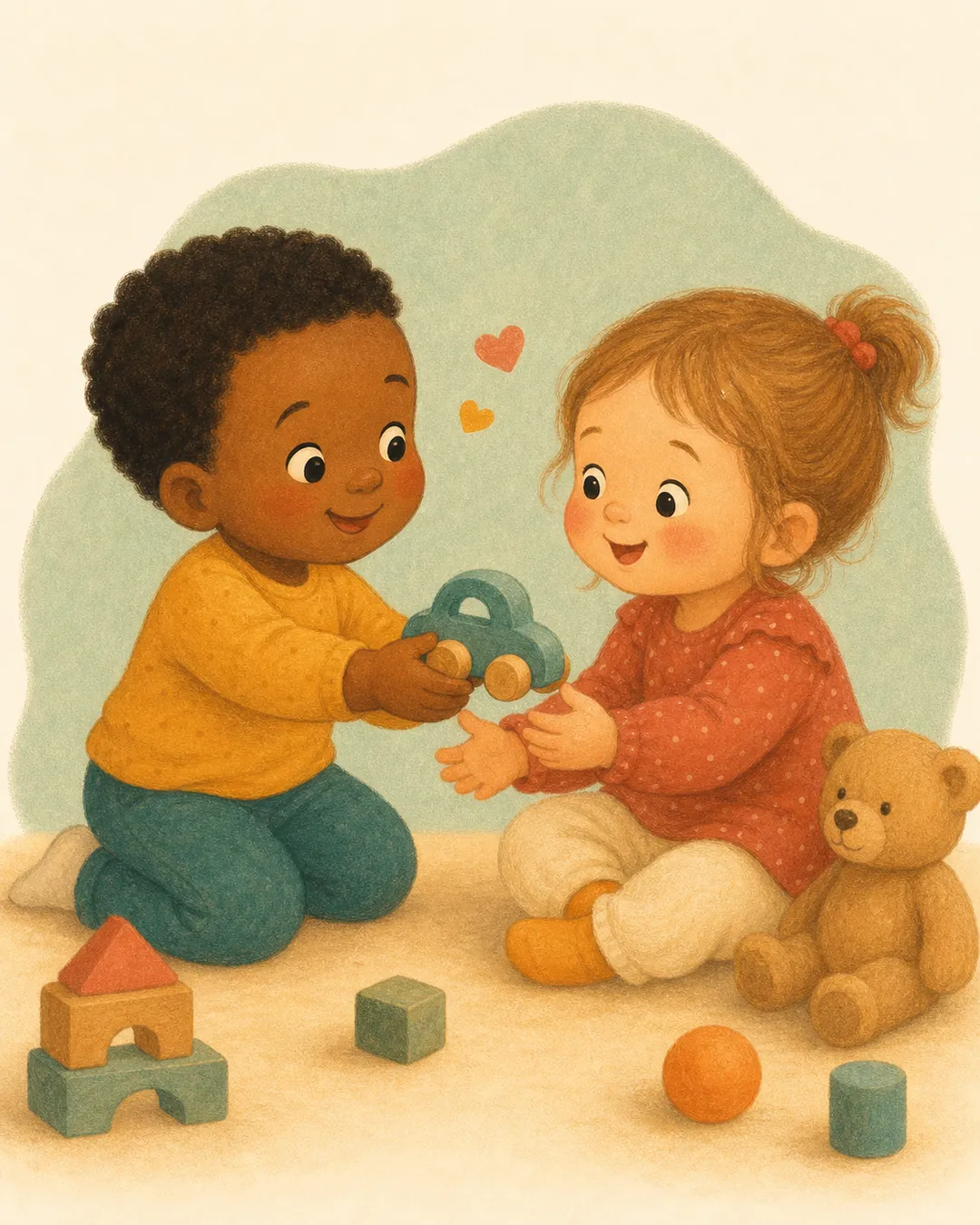
A good outcome is a few minutes of engaged play, some back-and-forth with you, and a small sign of progress in fine motor.

More help for this situation

Instructions

Get ready
  • Set up cups, a teapot or jug, and spoons on a low table
  • Sit together and announce: 'TEA PARTY TIME!'
  1. Set up cups, a teapot or jug, and spoons on a low table
  2. Sit together and announce: 'TEA PARTY TIME!'
  3. Pick up the teapot v-e-r-y slowly: 'I'm... picking up... the teapot...'
  4. Pour in slow motion: 'Pouring... pouring... into the cup!'
  5. Stir with exaggerated circles: 'Stir... stir... stir...'
  6. Sip loudly: 'Sip! Mmm! Hot tea!'
  7. Offer toddler their cup: 'Your turn! Can you... pour?'

Why it helps

Slowing down language gives toddlers' brains time to process each word and connect it to what they see. Most adult speech is too fast for young language learners. By dramatising each action in slow motion, you create processing time and natural pauses. The pretend play context adds social language (please, thank you, more) and sequencing vocabulary (first, then, next). Speech and Language UK recommend pausing and waiting to give children time to think before they respond — slow-motion play creates those natural pauses.

Variations

  • Invite teddy and dolly — narrate for them too: 'Teddy is sipping. Yum yum!'
  • Use real water for pouring practice.
  • Add pretend food: 'Here's your cake. Eat the cake. Yummy!'

Safety tips

  • Use unbreakable cups and teapot.
  • If using real water, expect spills — put a towel underneath.
  • Small objects like pretend sugar cubes may be choking hazards for younger toddlers.

When to pause and seek extra support

Stop if your child becomes distressed, unsafe, or consistently frustrated by the activity. If play, behaviour, or development worries keep showing up across settings, check in with a qualified professional.

Get weekly activity ideas for your toddler

One email a week with practical toddler activities, behaviour tips, and developmental insights. No spam, unsubscribe any time.