TinyStepper
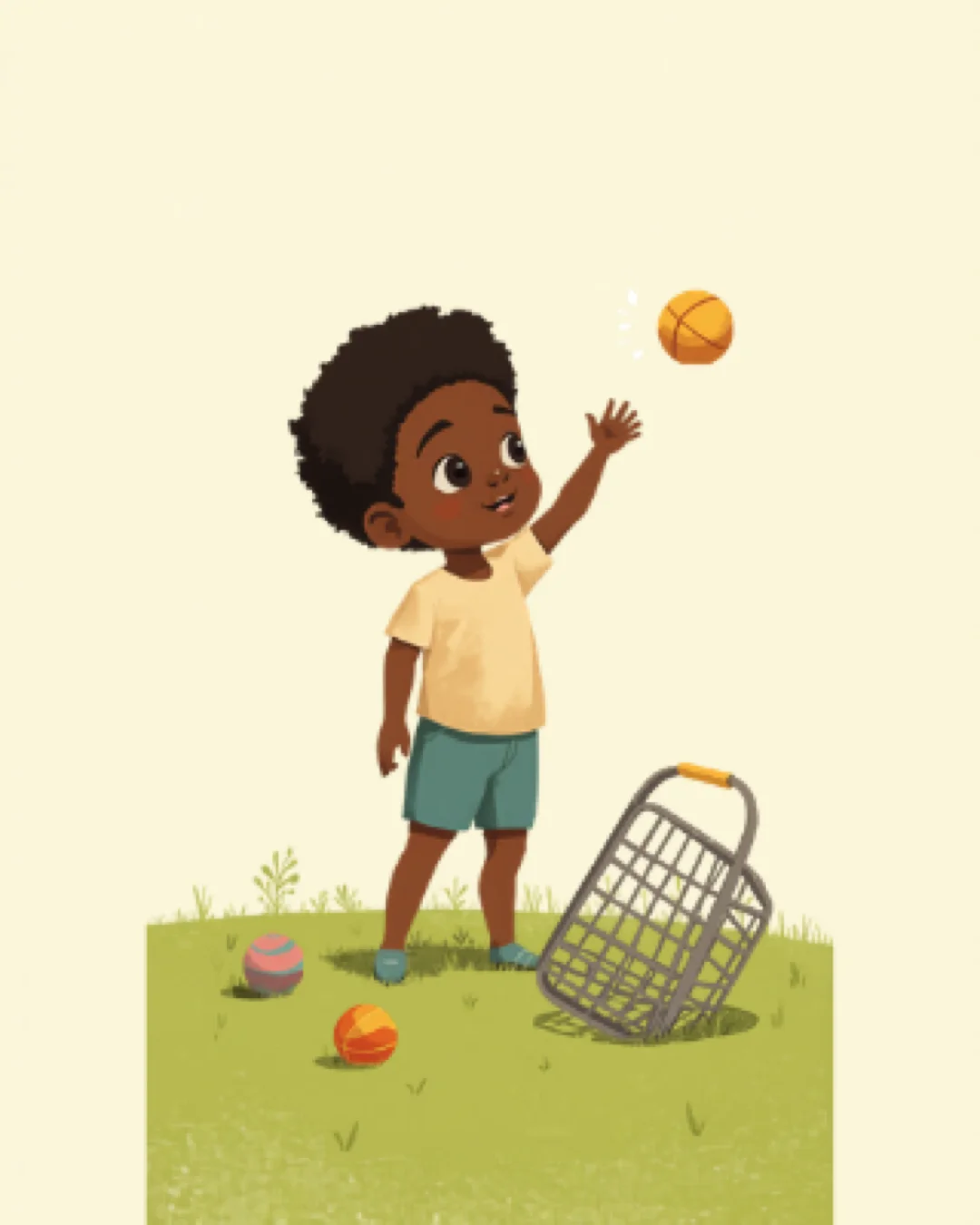
Child mid-throw aiming a colourful ball at a laundry basket in the garden

Rough and Tumble Play

Wrestle, roll, and tumble together on a soft surface with clear boundaries.

Activity details

18m4y10 minshighbothCushionsPillows

Instructions

Get ready
  • Clear a space and lay out cushions, pillows, and blankets as a soft play area
  • Establish a safe word or gesture: 'If you say stop or hold up your hand, we stop straight away'
  1. Clear a space and lay out cushions, pillows, and blankets as a soft play area
  2. Establish a safe word or gesture: 'If you say stop or hold up your hand, we stop straight away'
  3. Start gently — tickling, rolling, or light pushing and pulling
  4. Let your toddler climb on you, push you over, and 'win' most of the time
  5. Match their energy — increase or decrease intensity based on their reactions
  6. Pause regularly to check in: 'More? Or shall we rest?'
  7. If play gets too wild, introduce a calming movement: 'Let us do a slow-motion wrestle'
  8. Finish with a big cuddle on the cushion pile together

Parent tip

Set out cushions and pillows before inviting your toddler in so the first minute feels smooth.
Child smiling on a cushion after active play with a ball and scattered cushions nearby

What success looks like

Flushed cheeks, big smiles, and a calmer child afterwards. If they want to do it again, you’ve found a winner.

Lay out cushions and pillows on the floor and engage in structured rough-and-tumble play — gentle wrestling, rolling, tickling, and tumbling. This type of play is often avoided by cautious parents but is actually one of the most important forms of physical interaction for toddler development, teaching body control, boundaries, and emotional regulation through joyful physical contact.

Why it helps

The EYFS framework highlights that physical play develops children's strength, co-ordination and positional awareness — the body awareness foundation for confident movement. Rough-and-tumble play is one of the most powerful ways toddlers learn to read social cues, manage their strength, and practise self-regulation — they must constantly adjust their force and monitor the other person's reactions. Research consistently shows that children who engage in supervised rough play develop better impulse control, stronger social bonds, and greater body awareness than those who do not.

Variations

  • Play 'crocodile roll' — lie on the floor and roll towards each other like crocodiles.
  • Try 'sumo' — both kneel on a cushion and gently try to push each other off.
  • Add stuffed animals as 'team mates' who join in the tumbling.

Safety tips

  • Always play on a soft surface with plenty of cushioning around the area.
  • Let the child set the intensity — never overpower or pin them down.
  • Stop immediately and without question when the child signals they want to stop.

Get weekly activity ideas for your toddler

One email a week with practical toddler activities, behaviour tips, and developmental insights. No spam, unsubscribe any time.