Make a mailbox: cut a wide slot in the top of a cardboard box. Let your child decorate it with stickers or crayons if they want.
Gather paper, crayons, and envelopes (or fold paper into envelope shapes).
1/4
Make a mailbox: cut a wide slot in the top of a cardboard box. Let your child decorate it with stickers or crayons if they want.
Gather paper, crayons, and envelopes (or fold paper into envelope shapes).
Choose a recipient: 'Who shall we write to? Nana? Shall we tell her about your day?'
Let your child 'write' the letter — any marks count. Scribbles, dots, lines, shapes are all valid.
Narrate what they are doing: 'You are writing to Nana! What are you telling her?'
Help them fold the letter and put it in an envelope. Write the name together: 'N-A-N-A. Can you see the N?'
Post it through the mailbox slot: 'In it goes! Nana is going to love this letter!'
At the end, 'deliver' the letters by taking them out and pretending to read them to the recipients (or actually send one in the post for a real-world payoff).
Parent tip
Set out cardboard boxes and crayons before inviting your toddler in so the first minute feels smooth.
What success looks like
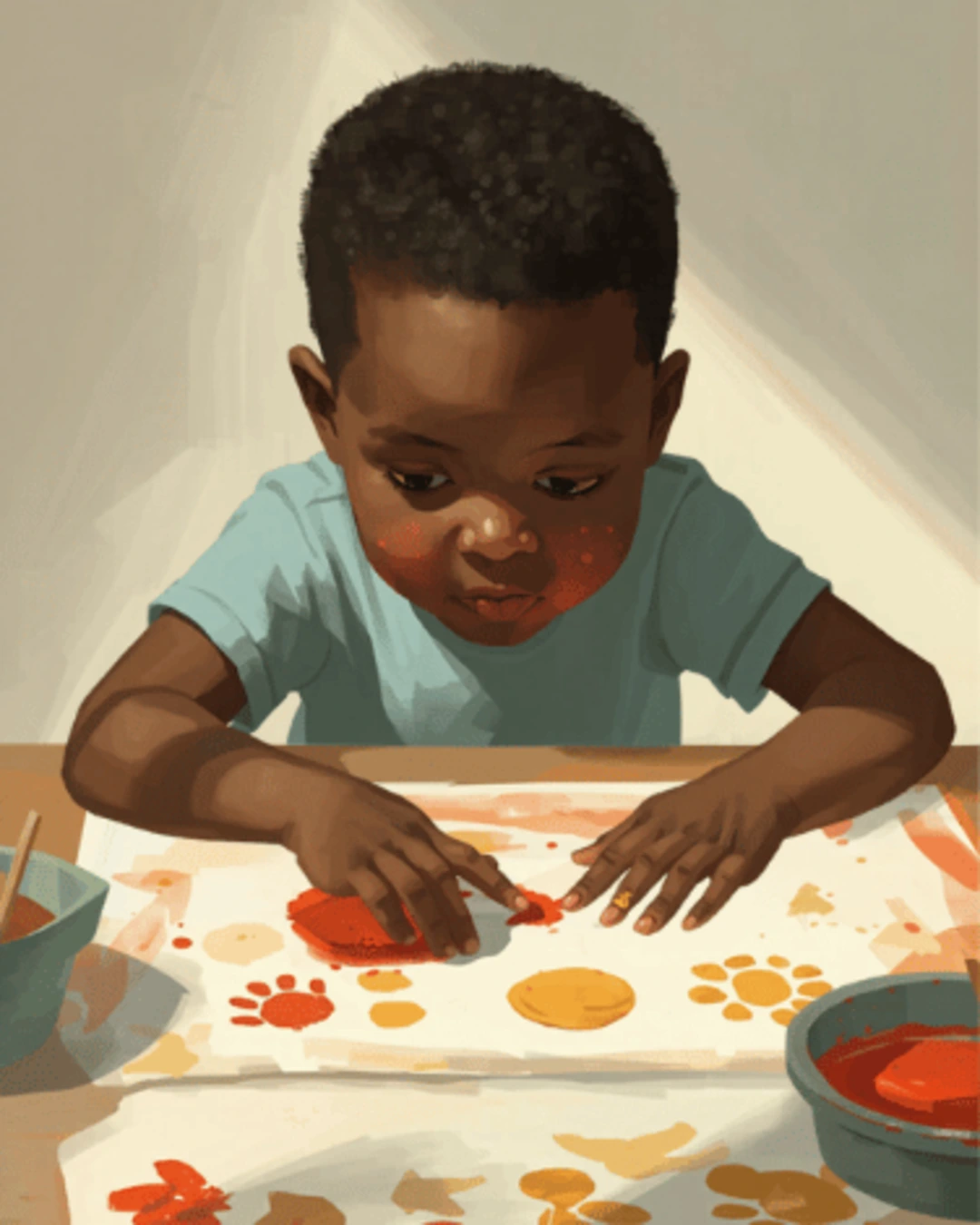
Messy hands and a child who doesn’t want to stop. The artwork doesn’t need to look like anything — the process is the point.
Cut a slot in a cardboard box and let your child 'write' letters to Nana, Daddy, or their teddy bear. They scribble, you help fold, they post it through the slot. The magic of a mailbox gives mark-making a real purpose — they are not just scribbling, they are writing a letter. This meaningful context is what transforms scribbling from random marks into the earliest form of writing, because the child understands that their marks carry a message.
Why it helps
Research from the National Literacy Trust shows that children who understand that marks carry meaning (even if those marks are scribbles) develop stronger writing skills than those who practise letter formation without context. The EYFS Literacy framework calls this 'writing for a purpose' and identifies it as a precursor to conventional writing. By creating a recipient and a mailbox, you give the child's marks communicative intent — the foundational understanding that writing is a tool for connecting with others.
Variations
Make a 'post office' — add stamps (stickers), a weight (kitchen scales), and a price list for a full pretend play scenario.
Write a real letter or postcard and take it to an actual post box together — the experience of posting it cements the purpose of writing.
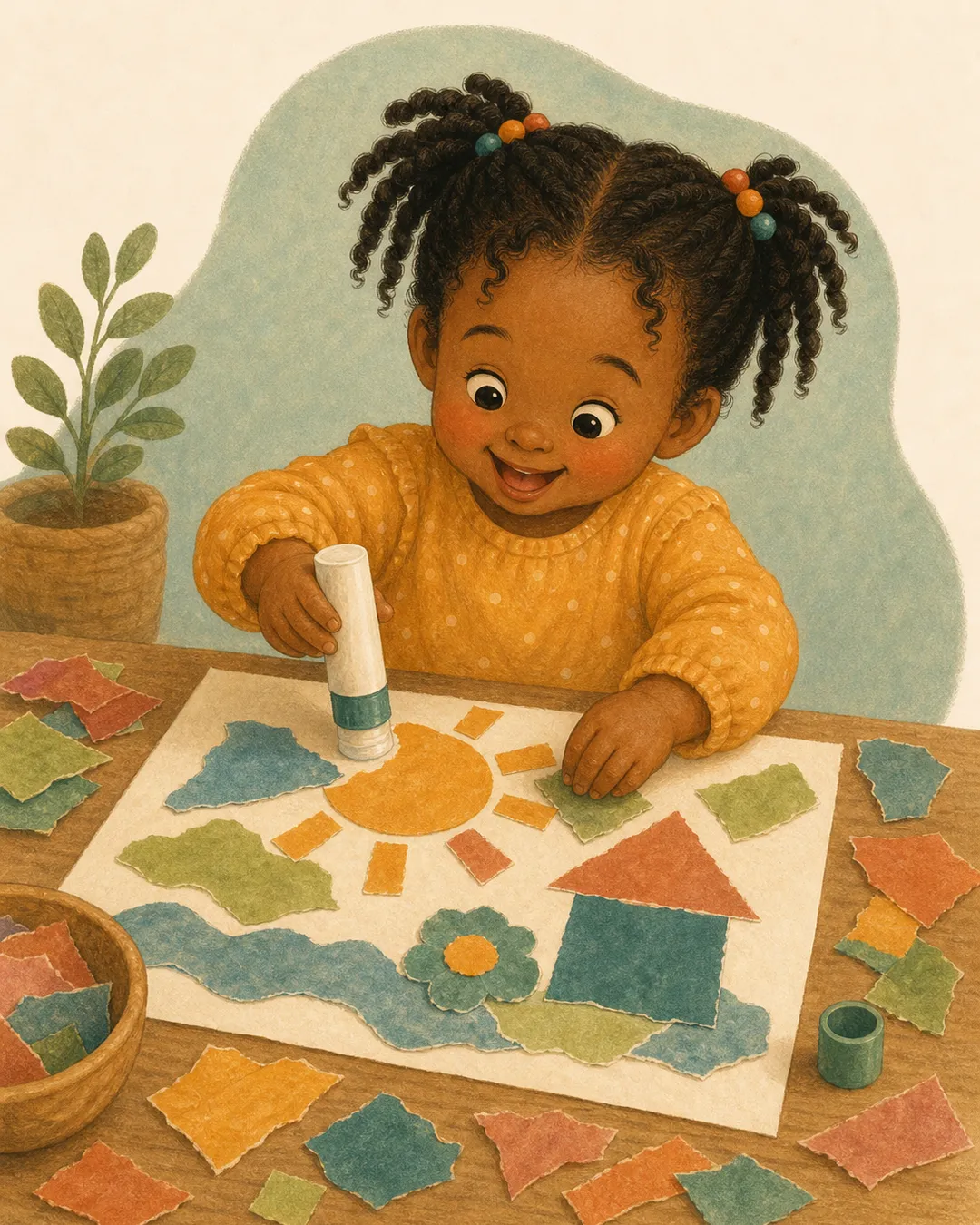
Use different writing tools: thick chalks, felt-tip pens, or painting with a small brush — each changes the mark-making experience.
Safety tips
If using scissors to cut the mailbox slot, keep them out of your child's reach — the adult handles the cutting.
Ensure the cardboard box edges around the slot are not sharp — cover with tape if needed.
Supervise sticker use with younger toddlers — small stickers can be a choking hazard if peeled and mouthed.
Try one of these next
A few connected ideas chosen by theme, energy, set-up, and age fit.