TinyStepper

Letter Hunt Walk

At a glance: Spot and name letters on signs and shopfronts during a walk — turning outings into letter-learning adventures. A 15-minute, medium-energy outdoor activity for ages 2y4y. No prep needed.

Built by a parent of toddlersBest for 2y-4y

Field-tested ideas shaped by direct parenting experience and advice from reputable sources, including NHS Best Start in Life and NSPCC child development research.

2y4y15 minsmedium energyoutdoornone messNo prep

Turn an ordinary walk into a literacy adventure by spotting letters in the environment. 'Can you find a B? Look at that shop sign!' Street signs, number plates, shopfronts, and posters are full of letters that toddlers walk past every day without noticing. Connecting abstract letter shapes to real-world contexts makes literacy tangible and exciting rather than something that only happens in books.

Best for this moment

when your toddler needs focused engagement, especially when you need an outdoor option.

Parent tip

Start before you overthink it. No-prep activities work best when you begin while the moment is still recoverable.
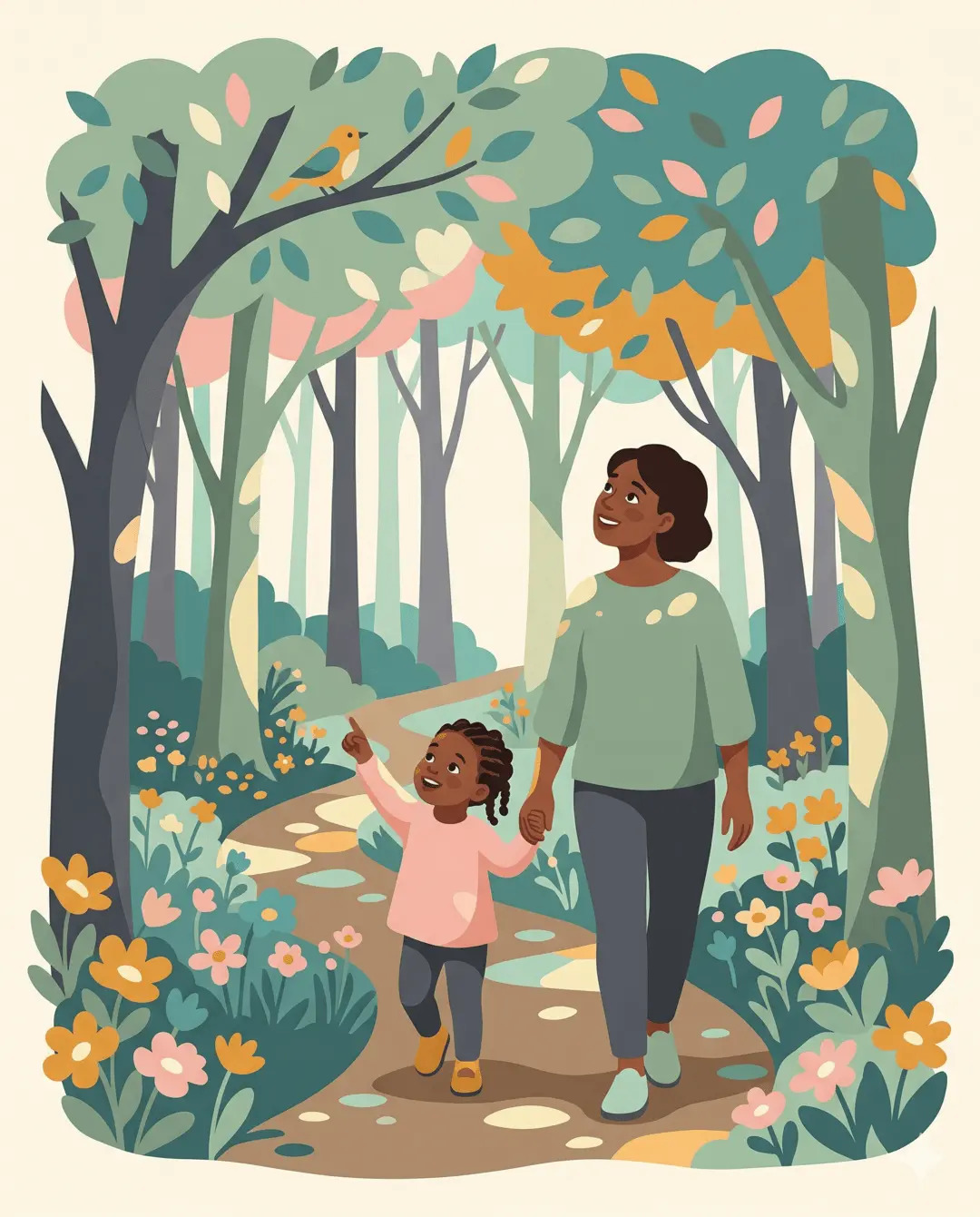
What success looks like

A good outcome is a few minutes of engaged play, some back-and-forth with you, and a small sign of progress in cognitive skills.

More help for this situation

Instructions

Get ready
  • Choose a familiar walking route — to the shops, park, or around the block
  • Start with a letter your toddler knows, like the first letter of their name
  1. Choose a familiar walking route — to the shops, park, or around the block
  2. Start with a letter your toddler knows, like the first letter of their name
  3. 'Can you spot a [letter]? Look at the signs, the cars, the doors'
  4. When they find one, celebrate: 'Yes! That's a T on that sign!'
  5. Point out letters yourself: 'Look, there's an S on that van — S for Sophie!'
  6. For beginners, focus on just one letter per walk
  7. For older toddlers: 'What word does that sign say? Let's sound it out'
  8. Count how many of your letter you spotted when you get home

Why it helps

Environmental print awareness — recognising that the marks on signs carry meaning — is one of the earliest stages of reading development. Spotting letters during active outdoor play combines physical activity with cognitive learning, which early years guidance suggests improves retention. Walking and talking about letters simultaneously builds the oral language skills that underpin reading comprehension.

Variations

  • Focus on numbers instead of letters for a maths version.
  • Take photos of each letter found and make an alphabet collage at home.
  • Hunt for the letters in your toddler's name in order — can you spell it on the walk?

Safety tips

  • Stay focused on road safety — hold hands near roads regardless of letter spotting.
  • Don't let letter hunting distract from pavement edges, kerbs, or cyclists.
  • Keep the pace toddler-friendly — this is a stroll, not a march.

When to pause and seek extra support

Stop if your child becomes distressed, unsafe, or consistently frustrated by the activity. If play, behaviour, or development worries keep showing up across settings, check in with a qualified professional.

Get weekly activity ideas for your toddler

One email a week with practical toddler activities, behaviour tips, and developmental insights. No spam, unsubscribe any time.