TinyStepper

Helping Hands Chore Time

At a glance: Give your toddler a real household chore with a child-sized tool — wiping tables, watering plants, sorting socks. A 10-minute, medium-energy indoor activity for ages 18m3y.

Built by a parent of toddlersBest for 18m-3y

Field-tested ideas shaped by direct parenting experience and advice from reputable sources, including NHS Best Start in Life and NSPCC child development research.

18m3y10 minsmedium energyindoornone mess

Choose one simple, genuine chore and give your toddler the proper tools: a small spray bottle and cloth for wiping, a child-sized watering can for plants, or a basket for collecting dirty laundry. The task must be real — not pretend busy work. Toddlers know the difference. When they contribute genuinely to the household, they experience competence, belonging, and purpose. The chore becomes a source of pride rather than a demand.

Best for this moment

when your toddler needs focused engagement, especially when you need an indoor option.

Parent tip

Set out spray bottle and towels before inviting your toddler in so the first minute feels smooth.
What success looks like

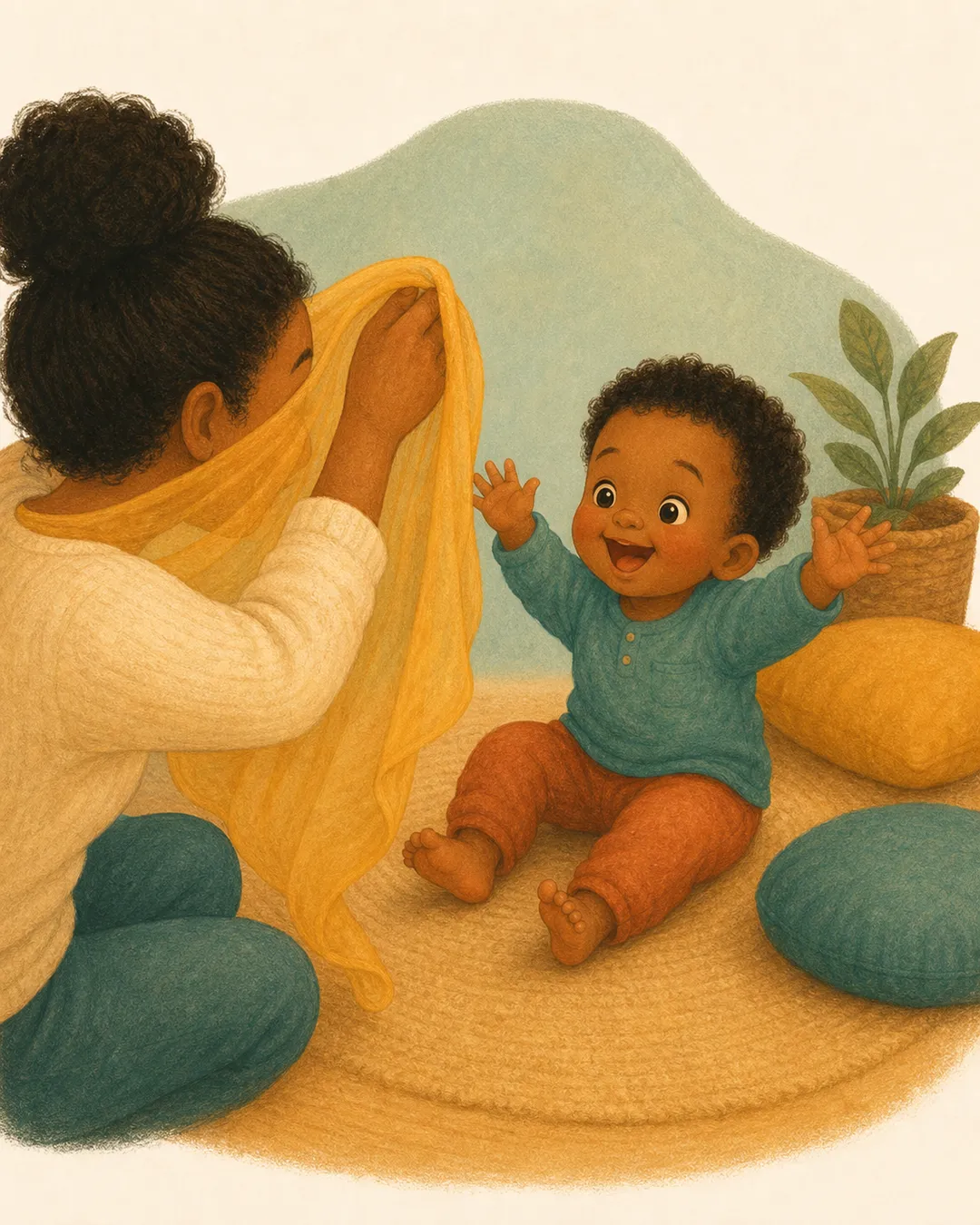
A good outcome is a few minutes of engaged play, some back-and-forth with you, and a small sign of progress in fine motor.

More help for this situation

Instructions

Get ready
  • Choose one age-appropriate chore: wiping a table, watering a plant, matching socks
  • Provide real, child-sized tools — a small cloth, a tiny watering can, a basket
  1. Choose one age-appropriate chore: wiping a table, watering a plant, matching socks
  2. Provide real, child-sized tools — a small cloth, a tiny watering can, a basket
  3. Demonstrate once: 'Watch — spray, wipe, done! Now your turn'
  4. Let them try with minimal guidance — imperfection is fine
  5. Work alongside them: 'We're both helping the house today'
  6. Narrate their contribution: 'You watered all the plants — they needed that drink!'
  7. Thank them genuinely: 'Thank you for helping. The table looks so clean because of you'
  8. Make it a daily routine — same chore, same time, same celebration

Why it helps

Genuine contribution to the household activates the sense of belonging and competence that psychologist Alfred Adler identified as core human needs. Toddlers who participate in real chores develop greater self-efficacy — the belief that their actions matter — which is the foundation of independence. Studies show that children given age-appropriate responsibilities from toddlerhood demonstrate higher levels of prosocial behaviour and self-regulation in later years.

Variations

  • Create a picture 'chore chart' with stickers for completed tasks to build routine and pride.
  • Rotate chores weekly so they learn multiple skills and don't get bored.
  • Pair siblings on a shared chore — one sprays, one wipes — for cooperative independence.

Safety tips

  • Use only child-safe cleaning products — water and vinegar spray is effective and non-toxic.
  • Ensure tools are appropriately sized and weighted for small hands.
  • Accept imperfect results — re-doing their work undermines the sense of competence you are building.

When to pause and seek extra support

Stop if your child becomes distressed, unsafe, or consistently frustrated by the activity. If play, behaviour, or development worries keep showing up across settings, check in with a qualified professional.

Get weekly activity ideas for your toddler

One email a week with practical toddler activities, behaviour tips, and developmental insights. No spam, unsubscribe any time.