Parent tip
Set out measuring cups and mixing bowls before inviting your toddler in so the first minute feels smooth.
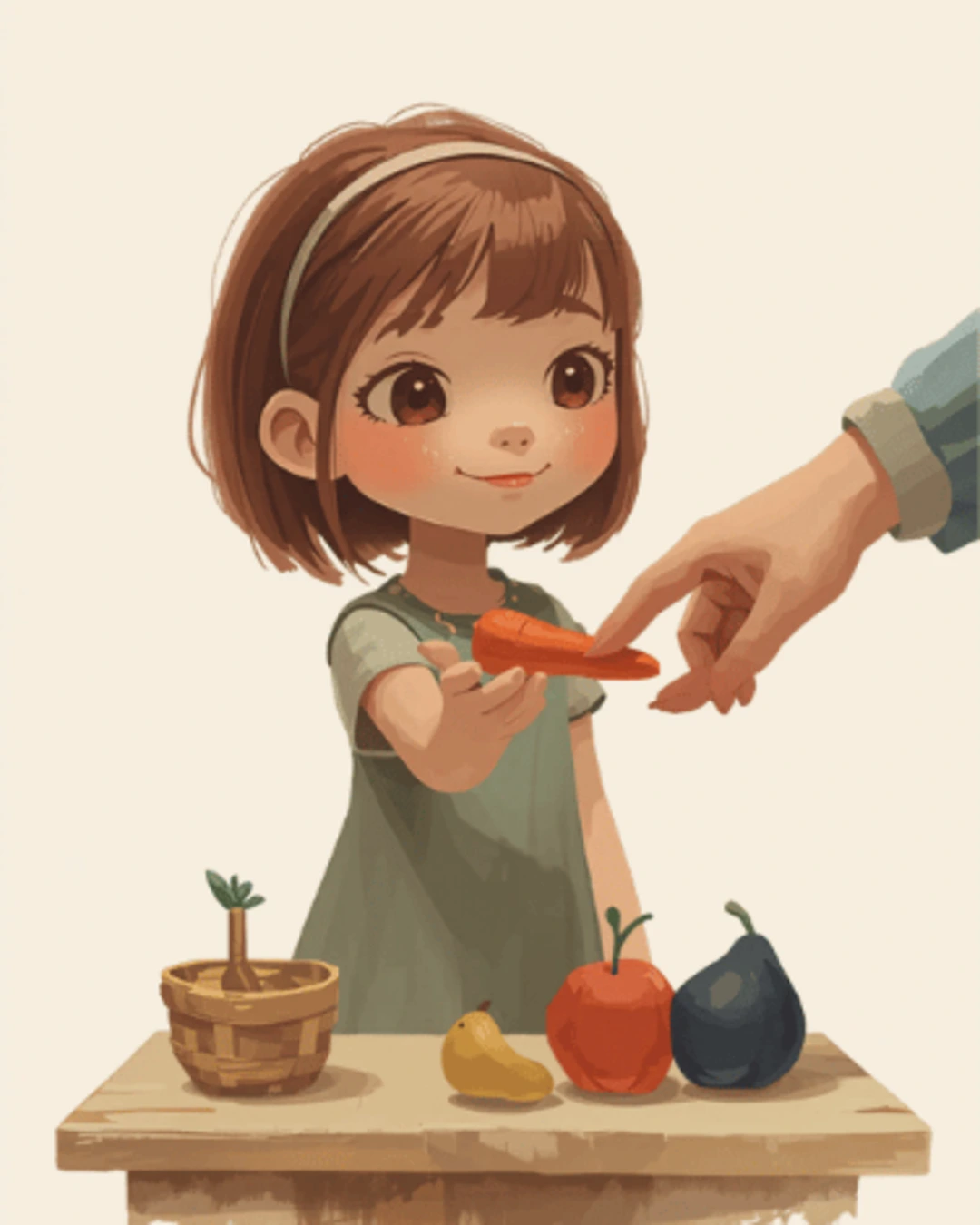
Involve toddler in preparing a simple snack together.
Tiny Steps
Set out measuring cups and mixing bowls before inviting your toddler in so the first minute feels smooth.

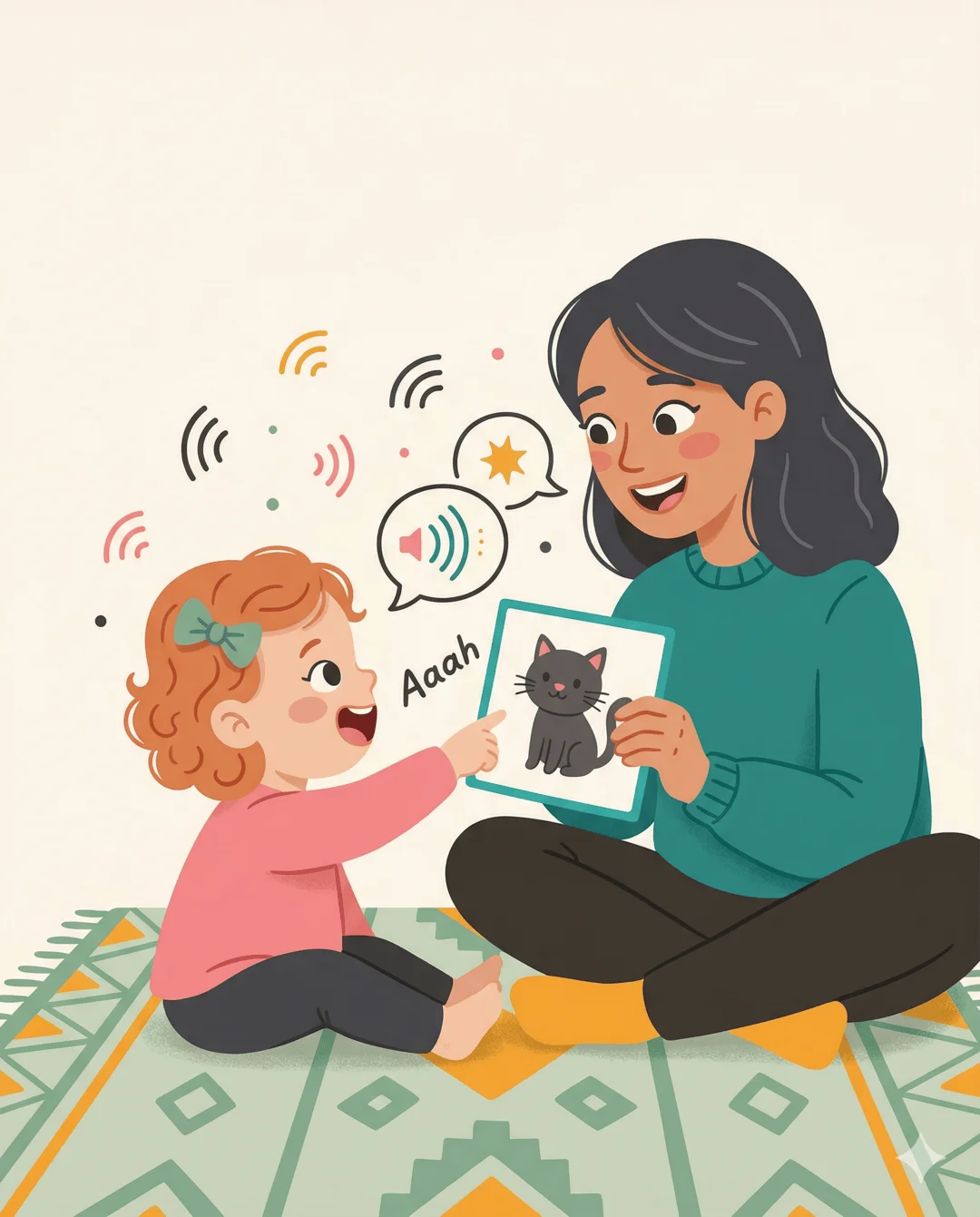
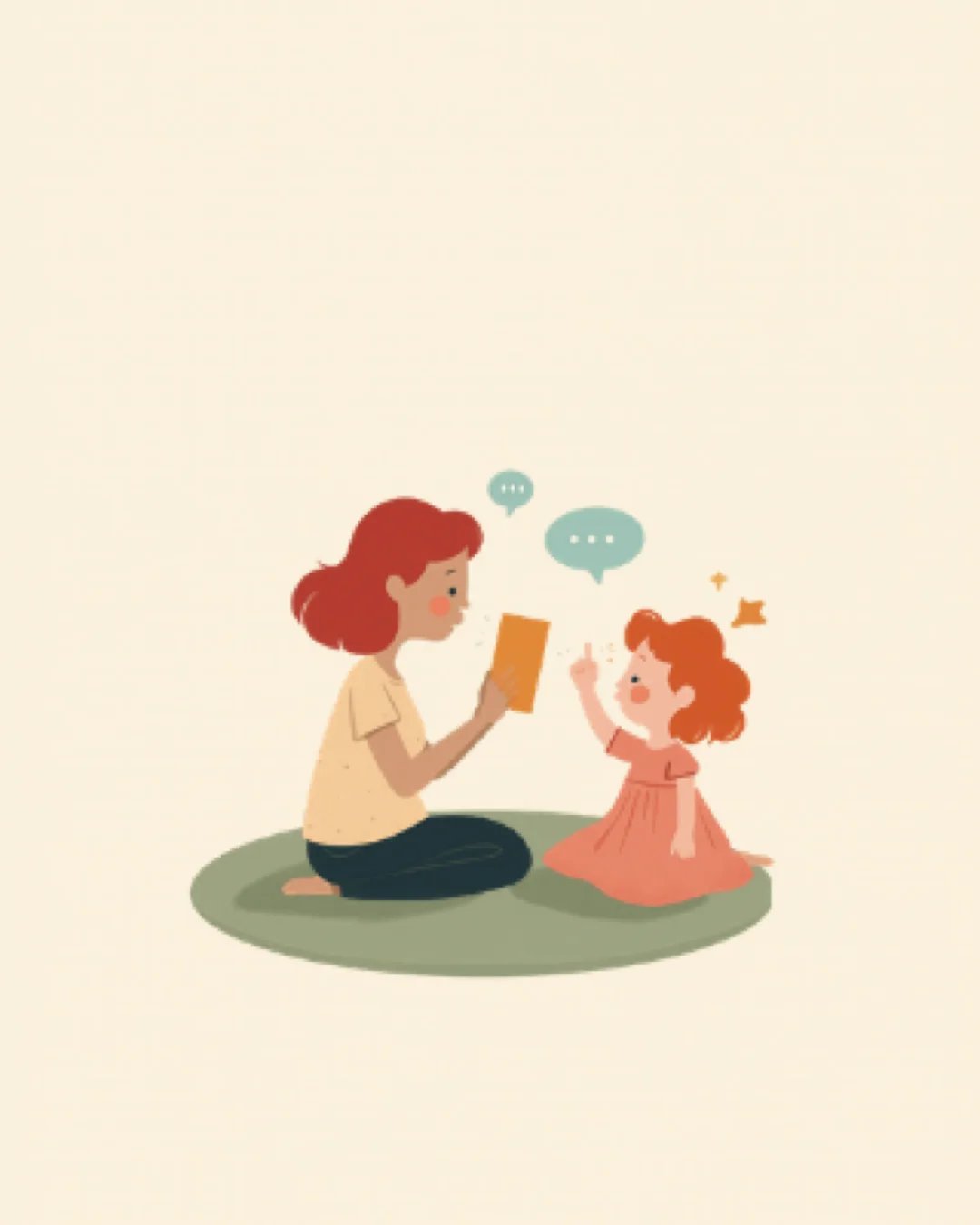
Back-and-forth between you — words, gestures, shared pretend. Connection is the real outcome here.
Real-life participation that builds independence, following instructions, and fine motor skills. Cooking together teaches sequencing, measurement concepts, and cause-and-effect in the most practical way possible. Toddlers who help prepare food are also more likely to try new foods, making this a powerful tool for families dealing with picky eating.
Cooking together teaches sequencing, measurement concepts, and cause-and-effect in the most practical way. Children who help prepare food are more likely to try new foods, making this a powerful tool for reducing mealtime battles. Fine motor skills like spreading and stirring strengthen hand muscles. The EYFS Physical Development goals include exactly this kind of careful hand movement — it is how children build the dexterity they will need for everyday tasks.
One email a week with practical toddler activities, behaviour tips, and developmental insights. No spam, unsubscribe any time.