TinyStepper

Hand-Holding Treasure Walk

At a glance: Go on a walk where holding hands is part of the adventure — pointing out treasures together as you go. A 15-minute, medium-energy outdoor activity for ages 18m3y. No prep needed.

Built by a parent of toddlersBest for 18m-3y

Field-tested ideas shaped by direct parenting experience and advice from reputable sources, including NHS Best Start in Life and NSPCC child development research.

18m3y15 minsmedium energyoutdoornone messNo prep

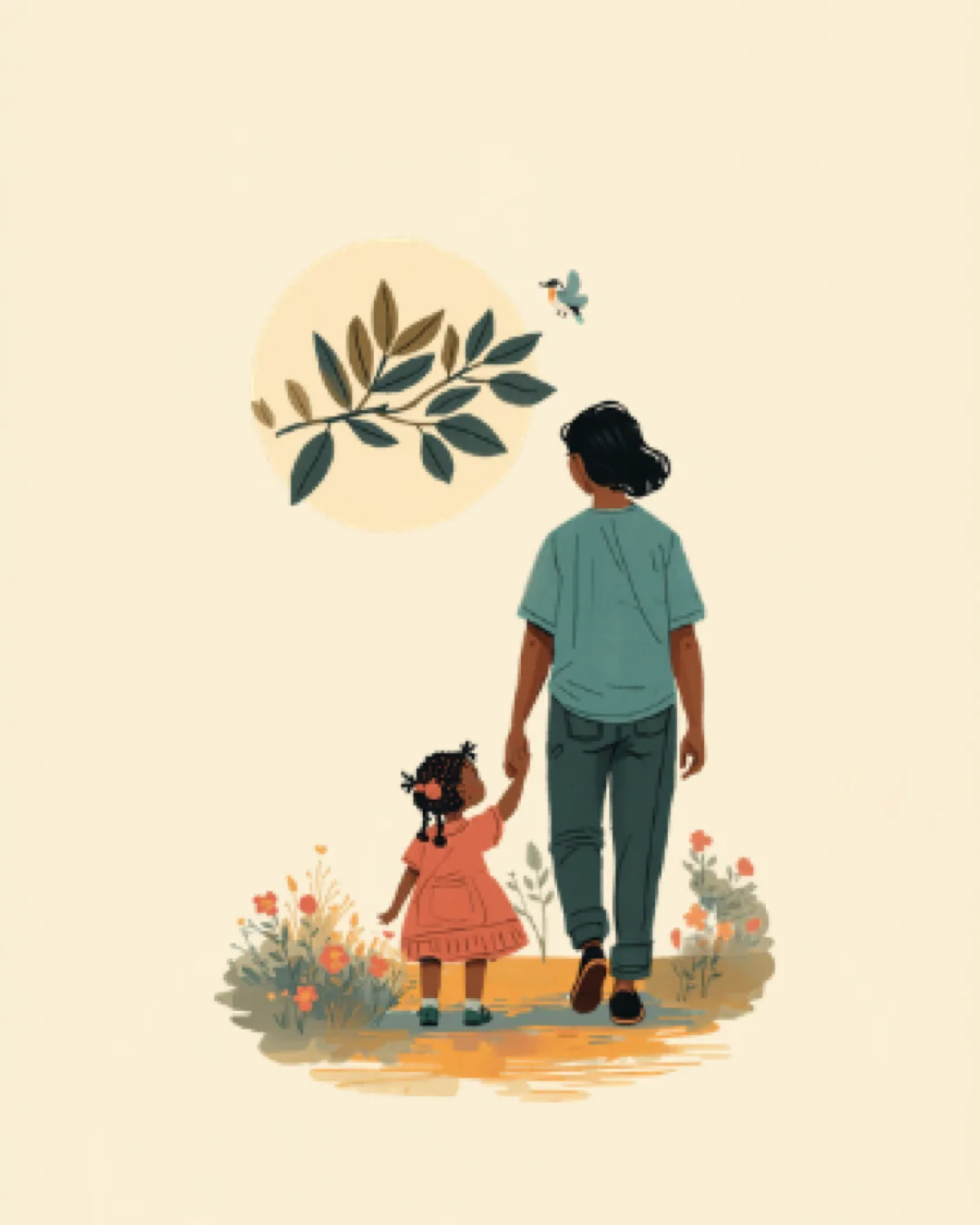
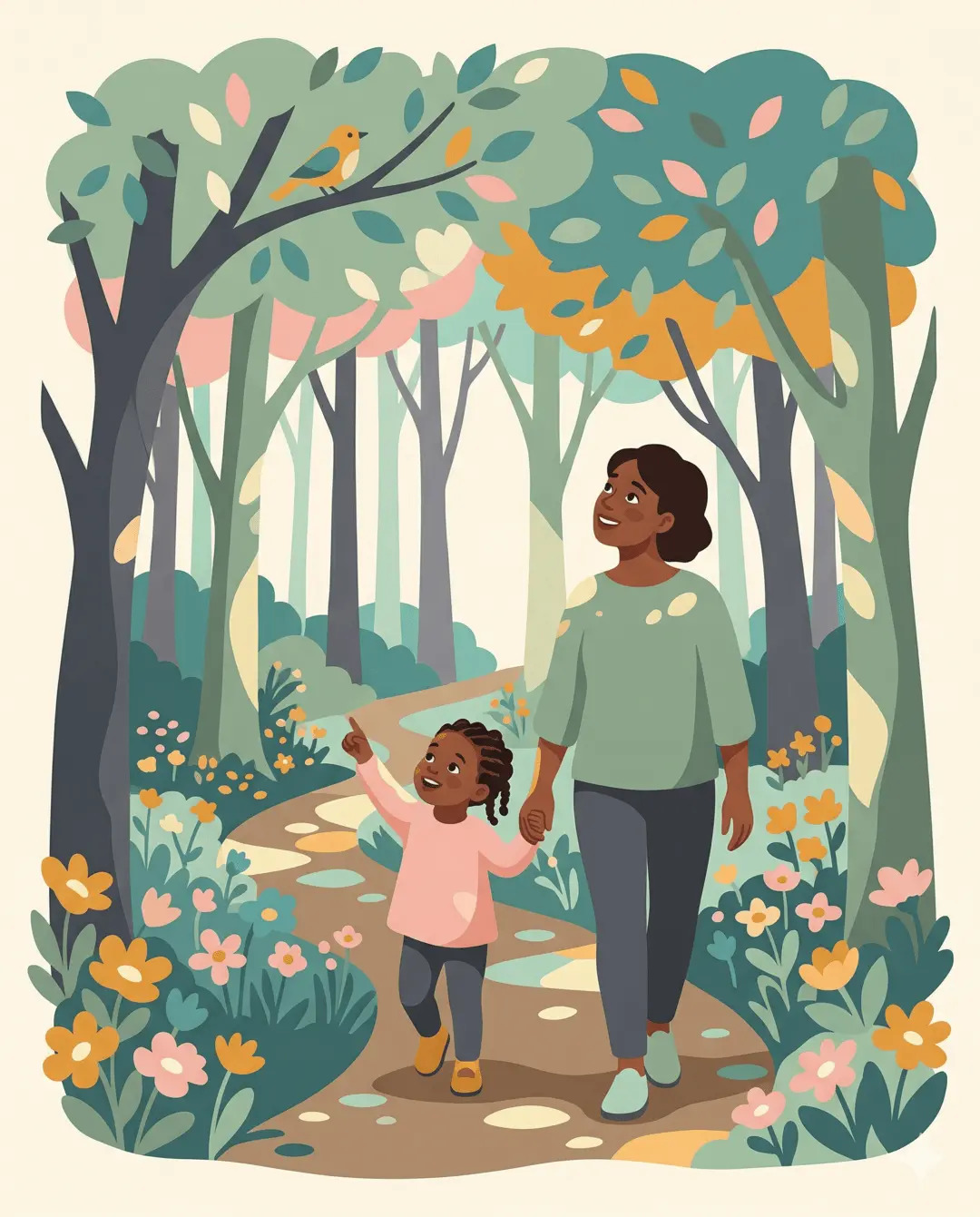
Walk together holding hands, taking turns spotting interesting things: 'I spy a red letterbox!' 'Can you see that fluffy cloud?' The hand-holding is integral to the game because you squeeze each other's hand when you spot something. This reframes hand-holding from a restriction into a connection — a shared experience rather than a battle of wills. Over time, the habit of reaching for your hand becomes automatic.

Best for this moment

when your toddler needs focused engagement, especially when you need an outdoor option.

Parent tip

Start before you overthink it. No-prep activities work best when you begin while the moment is still recoverable.
What success looks like

A good outcome is a few minutes of engaged play, some back-and-forth with you, and a small sign of progress in focus and attention.

More help for this situation

Instructions

Get ready
  • Before leaving the house, explain the game: 'We're going on a treasure walk — holding hands helps us spot things together!'
  • Hold hands and start walking at your toddler's pace
  1. Before leaving the house, explain the game: 'We're going on a treasure walk — holding hands helps us spot things together!'
  2. Hold hands and start walking at your toddler's pace
  3. Squeeze their hand when you spot something: 'SQUEEZE! I see a blue car!'
  4. Encourage them to squeeze your hand when they see something: 'Your turn — what can you find?'
  5. Stop to examine treasures up close: a leaf, a stone, a puddle
  6. Count your treasures as you go: 'That's five things we've found!'
  7. When you reach a safe, enclosed space (park, garden), let go: 'Safe space — you can run!'
  8. Hold hands again when leaving: 'Back to treasure walking!'

Why it helps

Habituation through positive association is more effective than rule enforcement for toddlers. By pairing hand-holding with novelty, excitement, and shared attention (joint attention is a cornerstone of social-cognitive development), the behaviour becomes intrinsically rewarding rather than externally imposed. The squeeze signal also introduces early proprioceptive communication — a physical conversation that strengthens the parent-child bond.

Variations

  • Create a simple picture checklist before the walk — tick off items as you spot them (dog, flower, red thing).
  • Use a 'treasure bag' to collect natural finds like leaves, stones, and feathers while walking.
  • Take the same route regularly so your toddler begins to anticipate and point out familiar landmarks.

Safety tips

  • Choose quiet routes with pavements away from busy roads for early practice.
  • Hold at the wrist, not just the hand, for younger toddlers whose grip may slip.
  • Never yank or drag — if they resist, stop and crouch to their level before continuing.

When to pause and seek extra support

Stop if your child becomes distressed, unsafe, or consistently frustrated by the activity. If play, behaviour, or development worries keep showing up across settings, check in with a qualified professional.

Get weekly activity ideas for your toddler

One email a week with practical toddler activities, behaviour tips, and developmental insights. No spam, unsubscribe any time.